In my years auditing the world's most luxurious destination suites and private screening rooms, I’ve observed one consistent truth: while a vibrant 4K screen catches the eye, it is the audio that truly crosses the luxury line. You can watch a movie on a tablet, but you experience a movie through a surround sound system. The difference between built-in TV speakers and a dedicated home theater setup is the difference between looking at a postcard of the Maldives and actually feeling the salt spray on your face.
If you are stepping into the world of high-fidelity audio for the first time, the sheer volume of technical jargon—from bitrates to object-based metadata—can feel like a barrier to entry. However, building a cinematic sanctuary at home doesn't require an engineering degree. To achieve a professional-grade result, you must focus on four essential pillars: defining your specific audio goals, decoding modern formats like Dolby Atmos, optimizing your room’s unique acoustics, and establishing a realistic budget that accounts for hidden infrastructure.
Factor 1: Defining Your Audio Goals (Movies vs. Music)
The first step in any high-end procurement process is identifying the primary use case. Are you a cinephile looking to recreate the thunderous rumble of a Christopher Nolan IMAX premiere, or are you an audiophile who wants to hear the subtle intake of breath between notes in a jazz recording? While a great system can technically do both, your primary content choice dictates where your capital should be allocated.
For those primarily streaming movies via Netflix, Disney+, or Max, the priority is dialogue clarity and directional cues. You want a system that anchors the voice to the screen while allowing environmental effects—like rain or a car chase—to swirl around the seating position. Conversely, if your goal is music-centric (utilizing services like Spotify or Tidal), you might find that a high-quality 2.1-channel setup (two speakers and a subwoofer) offers a more cohesive "soundstage" and better tonal balance than a mediocre 5.1 system.
Pro Tip: Market data indicates that 5.1-channel systems remain the most popular entry point, representing 62% of first-time home theater installations in 2026. This setup offers the best "bang for your buck" for standard living rooms where the goal is a balanced mix of media consumption.
Factor 2: Decoding Formats and Channels (5.1 to Dolby Atmos)
Once you’ve defined your goals, you must navigate what I call the "format alphabet soup." For beginners, the numerical nomenclature (5.1, 7.1.2, etc.) is the most common point of confusion. Here is the breakdown of the "x.x.x" system:
- The first number (e.g., 5): The number of traditional "ear-level" speakers (Center, Front Left/Right, Surround Left/Right).
- The second number (e.g., .1): The number of subwoofers (the "LFE" or Low-Frequency Effects channel).
- The third number (e.g., .2): The number of "height" speakers used for immersive formats like Dolby Atmos.
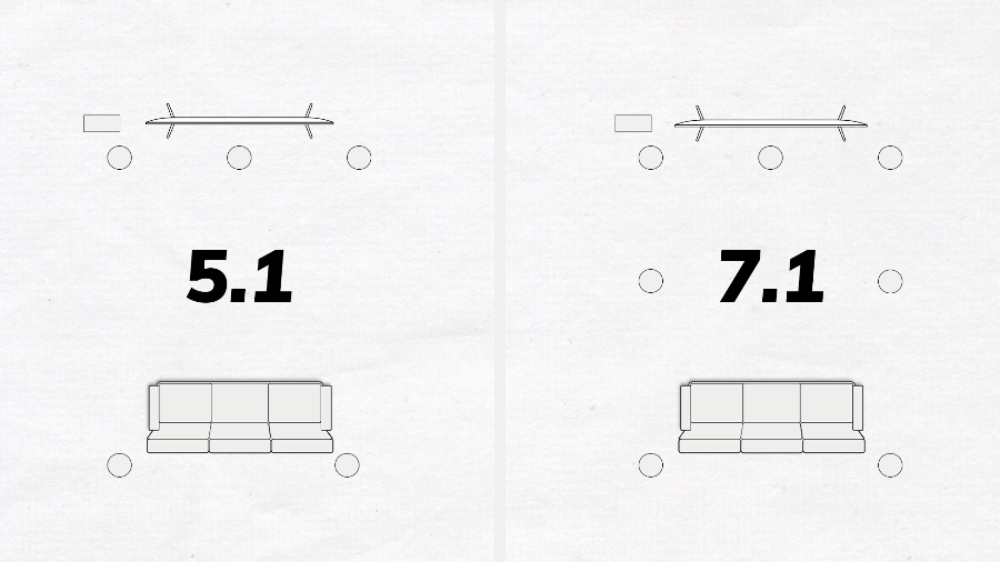
While 5.1 is the industry standard for beginners, the current gold standard is Dolby Atmos. Unlike traditional surround sound, which sends audio to specific speakers, Atmos is "object-based." This means sound engineers can place a sound in a 3D space, and your system calculates how to reproduce it based on your speaker layout.
Comparison: Dolby Atmos vs. DTS:X
| Feature | Dolby Atmos | DTS:X |
|---|---|---|
| Speaker Requirement | Requires dedicated height/up-firing speakers. | More flexible; works with many existing layouts. |
| Core Technology | Object-based audio with metadata. | Object-based, but metadata-free for more flexibility. |
| Availability | Dominant on streaming (Netflix, Apple TV+). | Common on physical media (4K Blu-rays). |
| Hardware Support | Almost universal in 2026 receivers. | Highly common, but check specific brand support. |
Factor 3: Room Acoustics and Strategic Speaker Placement
One of the most frequent mistakes I see in residential reviews is the "Golden Hardware, Lead Room" error. You can spend $10,000 on speakers, but if they are placed haphazardly in a room with too many hard surfaces, they will sound muddy and harsh. Acoustic studies show that proper speaker calibration and placement can enhance dialogue clarity by up to 35% in standard residential living rooms.
Ideally, you want a rectangular room. Sound behaves predictably in rectangles, whereas L-shaped rooms or open-concept living spaces create "acoustic imbalances" where the bass might feel overwhelming on one side and non-existent on the other.
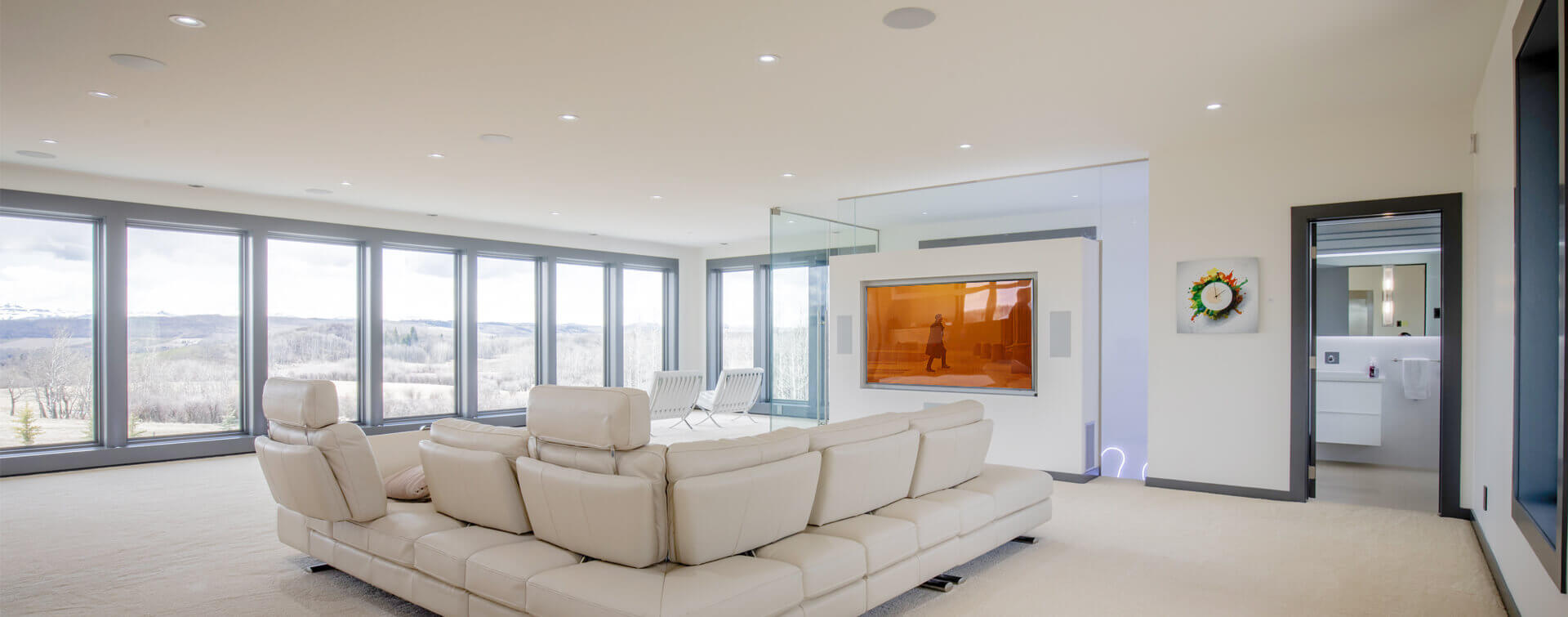
Placement 101 for Beginners:
- The Center Channel: This is the most important speaker for movies. It must be placed directly above or below the TV, at ear level, to ensure voices seem to come from the actors' mouths.
- The Subwoofer: Low frequencies are "omnidirectional," but placement still matters. Avoid "corner loading" (putting it in a corner) if you want tight, punchy bass; instead, place it along the front wall to avoid boomy resonances.
- Surround Satellites: For a 5.1 setup, these should be placed slightly behind and to the sides of the listener, not directly behind them.
Factor 4: Budget Planning and Connectivity Requirements
Budgeting for a home theater is an exercise in tiered spending. You must decide between a "Soundbar-based System" (convenient, minimalist) and a "Discrete Component System" (superior performance, modular).
The Soundbar Route (The $500–$1,800 Tier)
- Pros: Easy setup, fewer wires, aesthetic integration.
- Cons: Limited physical separation between channels, harder to upgrade individual parts.
The Discrete Component Route (The $1,500–$5,000+ Tier)
- Pros: True cinematic immersion, long-term durability, parts can be upgraded individually.
- Cons: Complex setup, requires an AV Receiver (AVR), significant cable management.
One non-negotiable for 2026 is HDMI eARC (Enhanced Audio Return Channel). This connection allows your TV to send high-quality, uncompressed audio signals (like Dolby Atmos) back to your soundbar or receiver through a single cable.
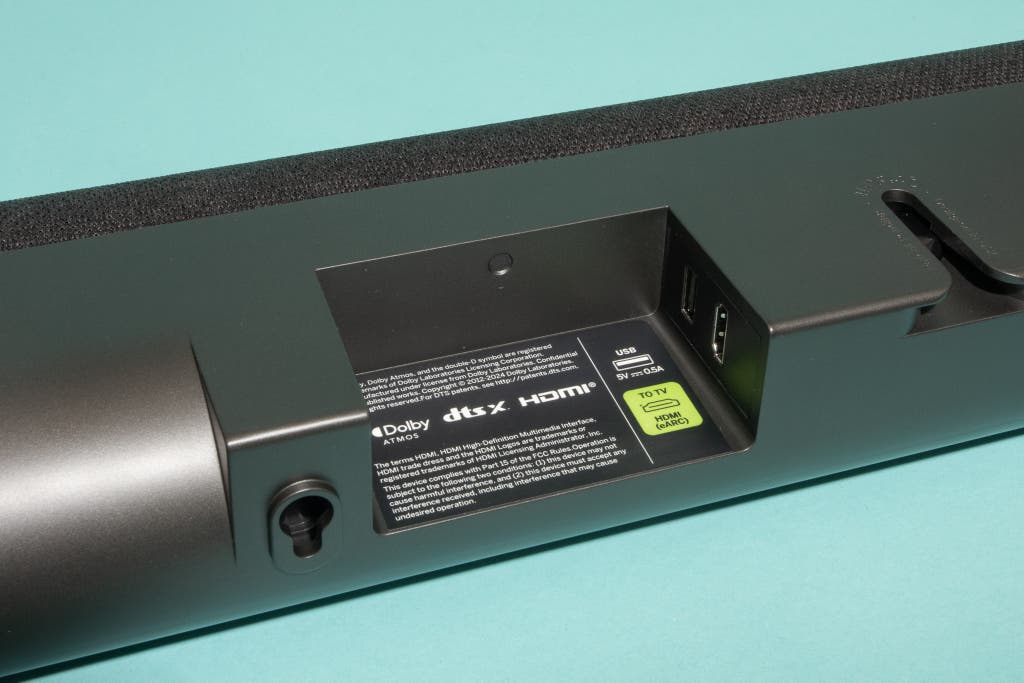
Beyond the main hardware, you must account for "soft costs" which often consume 10-15% of a beginner's budget. This includes high-speed HDMI 2.1 cables, speaker wire (for discrete systems), wall mounts, and perhaps most importantly, basic acoustic treatments like thick rugs or heavy curtains to dampen echoes.
Top Home Theater Recommendations for 2026
To help you navigate the marketplace, I have curated a selection of systems that represent the best value-to-performance ratio currently available.
Best All-Around Starter: Klipsch Reference Theater Pack 5.1
This is the quintessential entry-level discrete system. It provides five compact satellite speakers and a powerful subwoofer. It requires an AV receiver (like a Denon or Yamaha), but the clarity and "punch" it offers far exceed any soundbar in its price bracket.
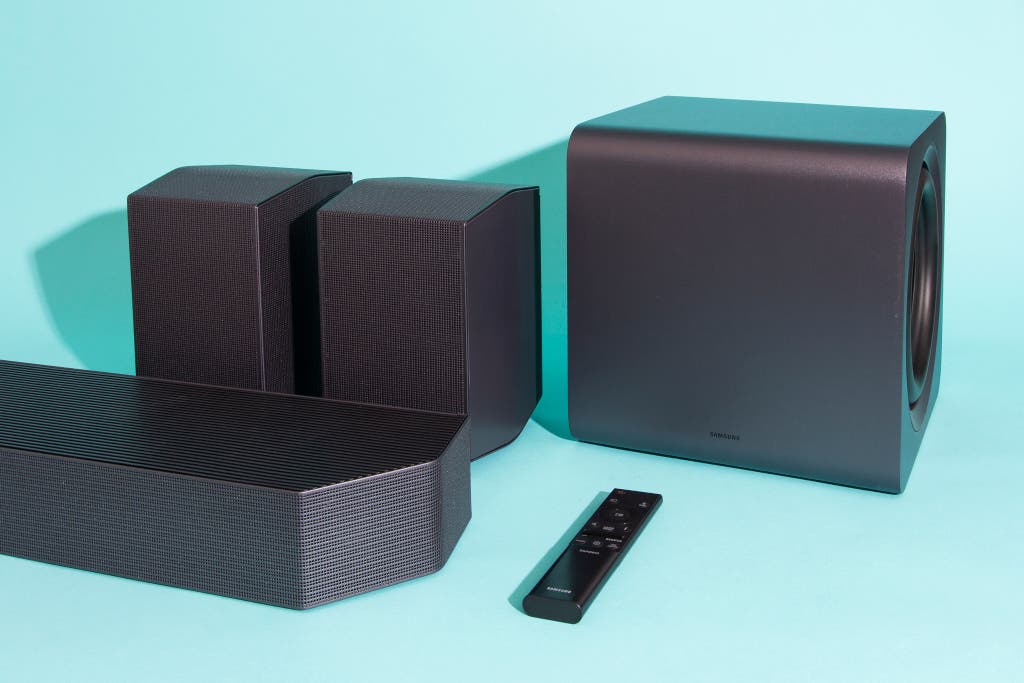
Best Performance Soundbar: Samsung HW-Q990 Series
For those who want a premium Atmos experience without the hassle of running wires through walls, this is the benchmark. It includes a main bar, a wireless subwoofer, and wireless rear speakers with up-firing drivers.
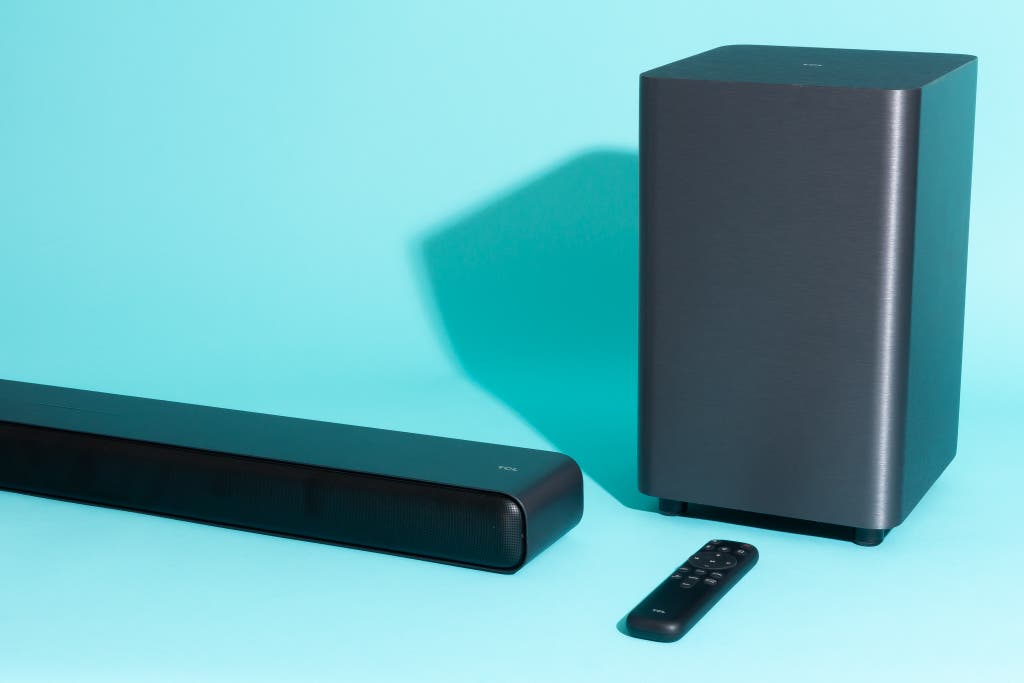
Best Budget Entry: TCL S55H
If you are currently relying on your TV's built-in speakers, even a modest upgrade will feel transformative. The TCL S55H is a 2.1 system that provides a dedicated subwoofer, instantly adding depth to action scenes and clarity to evening news broadcasts.
FAQ
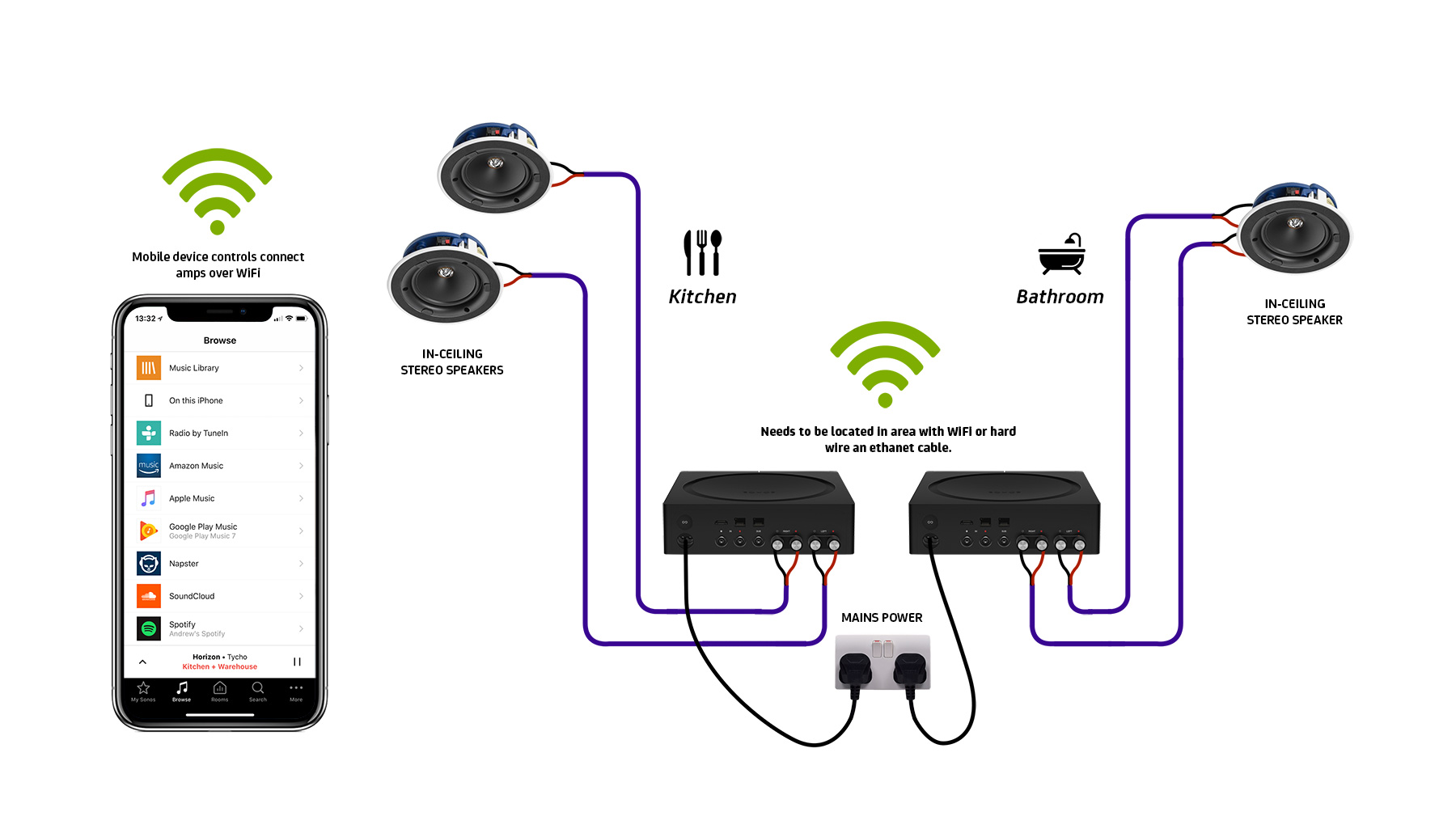
Can I use any speakers with any receiver? Generally, yes, as long as the impedance (measured in Ohms) matches. Most modern home theater speakers are 6 or 8 Ohms, which virtually all modern receivers can handle. However, "all-in-one" systems (Home Theater in a Box) sometimes use proprietary connectors, so be cautious when mixing and matching.
Is wireless surround sound truly "wireless"? Not entirely. While "wireless" rear speakers don't need a cable running across your floor to the front of the room, they still require a power cord. You will need a nearby electrical outlet for each wireless component.
Do I really need a subwoofer if my speakers are large? Yes. In a movie soundtrack, the ".1" channel (LFE) is a dedicated track for low-end effects like explosions. Even large "tower" speakers struggle to reproduce the physical impact of a dedicated, powered subwoofer.
Conclusion
The journey toward a professional home theater experience is one of incremental gains. You don't need to build a Hollywood-spec dubbing stage on day one. By focusing on your core content goals, selecting a format like Dolby Atmos that offers future-proofing, and respecting the acoustics of your room, you can create an environment that elevates every movie night into a premier event. Start with a solid 5.1 foundation—it’s the choice of 62% of your peers for a reason—and let your ears guide your future upgrades.