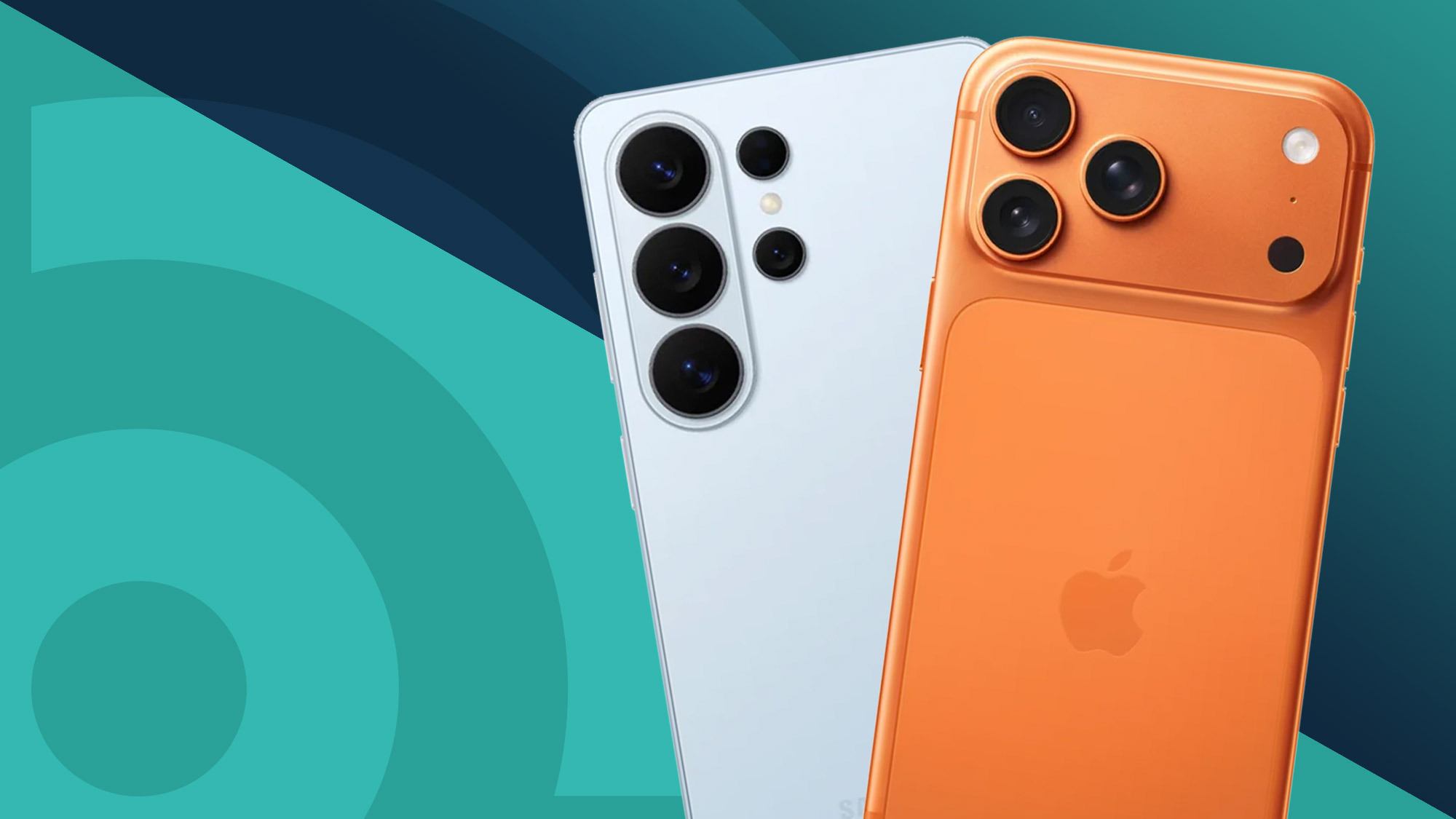
By 2026, the concept of a "private smartphone" has shifted from a niche paranoia to a mainstream necessity. We live in an era where AI-driven surveillance can reconstruct your daily habits from a few fragmented location pings, and "free" apps act as digital vacuum cleaners for your personal data. For the modern traveler, executive, or privacy-conscious citizen, the standard smartphone is a liability—a tracking beacon that happens to make calls.
The Above Phone represents the most sophisticated response to this landscape. It is a privacy-hardened smartphone running GrapheneOS on high-end Pixel hardware, featuring physical kill-switches for sensors and isolated user profiles designed to block Big Tech surveillance at the root. Unlike the "black-box" crypto-phones of the past, the Above Phone doesn't ask you to live in a digital monastery. It provides a bridge between total digital sovereignty and the practical convenience of the modern mobile experience.
The Core Architecture: GrapheneOS & Hardened Hardware
The foundation of the Above Phone is a deliberate marriage of Google’s best hardware—the Pixel series—and a complete rejection of Google’s software ecosystem. This might seem like a paradox, but for security researchers, the Pixel is the gold standard because of its Titan M2 security chip and its ability to support verified boot with third-party operating systems.
The Above Phone ships with GrapheneOS, a hardened version of Android that strips away the invasive "Google Play Services" that usually sit at the core of your device. By default, there is no "phoning home" to Mountain View. Instead, you get a system optimized for memory safety and attack surface reduction. One of the most powerful features for those managing multiple digital identities is the ability to create up to 32 distinct user profiles. This allows for total data isolation; you can keep your high-risk social media apps in one profile and your sensitive banking and encrypted comms in another, ensuring that data never leaks between the two.
Furthermore, Above Phone goes a step beyond software. They offer physical "kill-switch" solutions—integrating hardware-level disconnects for the camera, microphone, and GPS sensors. When you want to be off the grid, you aren't just relying on a software toggle; you are physically breaking the circuit.
Addressing the App Gap: Using 'Normal' Apps Privately
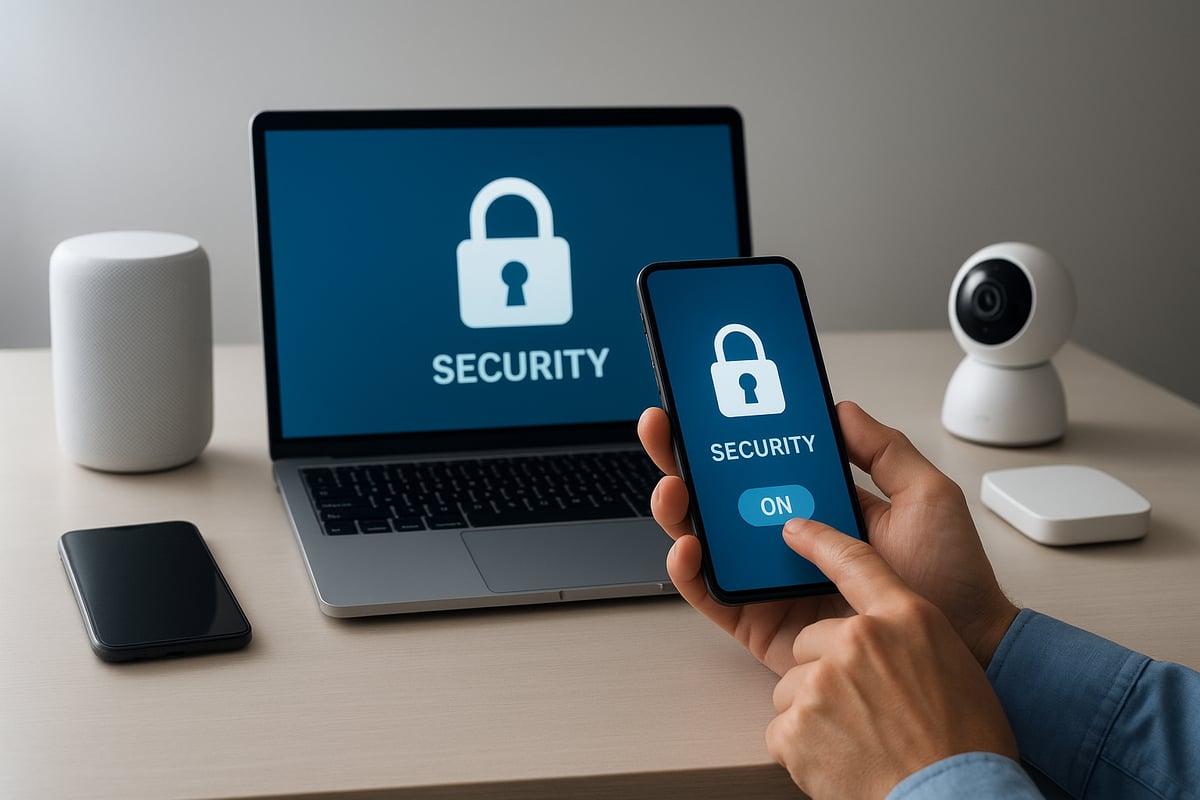
The primary deterrent for most people considering a secure phone is the "App Gap"—the fear that they will lose access to Uber, WhatsApp, or their banking suite. This is where the Above Phone excels in the 2026 market.
You can use regular apps on Above Phone by installing them within sandboxed Google Play environments or isolated user profiles, maintaining compatibility without compromising system-wide privacy. GrapheneOS allows you to install Google Play Services as a standard, restricted app rather than a system-level process with "god-mode" permissions. This means the apps think they are on a standard phone, but they cannot see your IMEI, your contact list, or your location unless you explicitly allow it.
The system also includes an App Permission Auto-Reset. If you haven't used a specific travel booking app in a few weeks, the Above Phone automatically revokes its permissions, ensuring that "dormant" software isn't quietly harvesting data in the background while you sleep.
The Above Suite: Encrypted Communication by Default
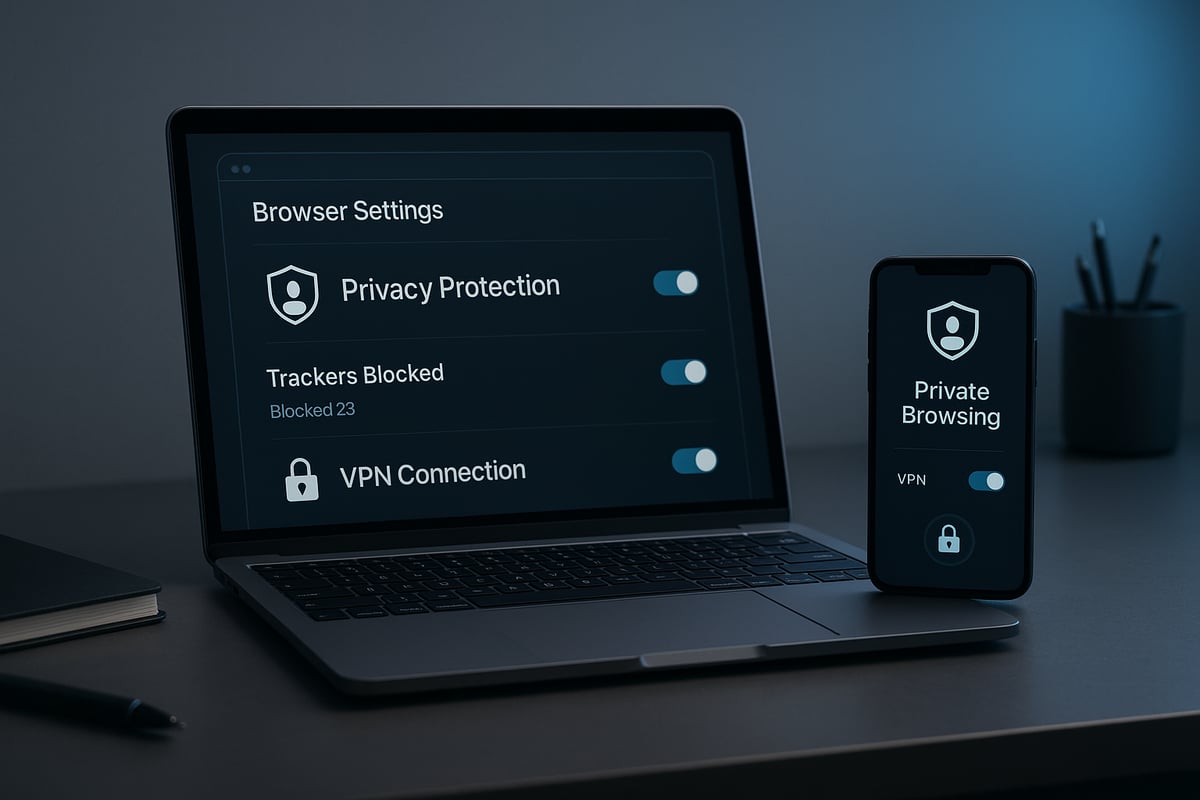
A secure device is only as good as the services running on it. To move away from Big Tech's "free" (but data-extractive) services, the Above Phone comes pre-configured with the Above Suite. This is a private communication ecosystem that replaces your email, calendar, and file storage with zero-knowledge alternatives.
Digital sovereignty is the guiding principle here. The platform is designed to be ephemeral; for instance, the communication platform automatically purges all service logs every 48 hours. If a government agency or a malicious actor were to seize the server, there simply isn't any historical data to recover. Similarly, when sharing sensitive documents, the Above Suite offers secure file-sharing links that expire after exactly 7 days, preventing "data sprawl" where your files live forever on someone else's server.
Above Suite Pricing & Features
| Feature | Description | Cost |
|---|---|---|
| Above.im Email | Encrypted, decentralized email with no tracking. | Included in Suite |
| XMPP Chat | Secure, metadata-stripped instant messaging. | Included in Suite |
| Above Cloud | 20GB of zero-knowledge encrypted storage. | Included in Suite |
| Log Purge Policy | Automatic deletion of all service logs every 48 hours. | Standard |
| Annual Subscription | Full access to the private communication suite. | $100 / Year |

Network Anonymity with DataSIM
Even the most secure software cannot hide you from the cellular network itself. Traditional SIM cards are tied to your legal identity, and cell towers constantly track your movements to "triangulate" your location for the carrier. Above Phone solves this through its DataSIM service.
The Above Phone prevents carrier tracking through its DataSIM, a data-only eSIM that requires no personal identification and routes all cellular traffic through an encrypted VPN to mask your location and identity. Because it is data-only, it bypasses the traditional telephony protocols that are most vulnerable to "Stingray" (IMSI catcher) attacks. You use VoIP services like Signal or the Above Suite for calls, ensuring that your voice traffic is encrypted end-to-end and your physical location remains obscured from the carrier's logs.
Plans for the DataSIM are flexible, starting as low as $18.99 for 5GB of global data, making it an essential tool for the international traveler who wants to avoid "roaming" profiles that link their identity across borders.
2026 Security Hardening: Anti-Theft & Future-Proofing
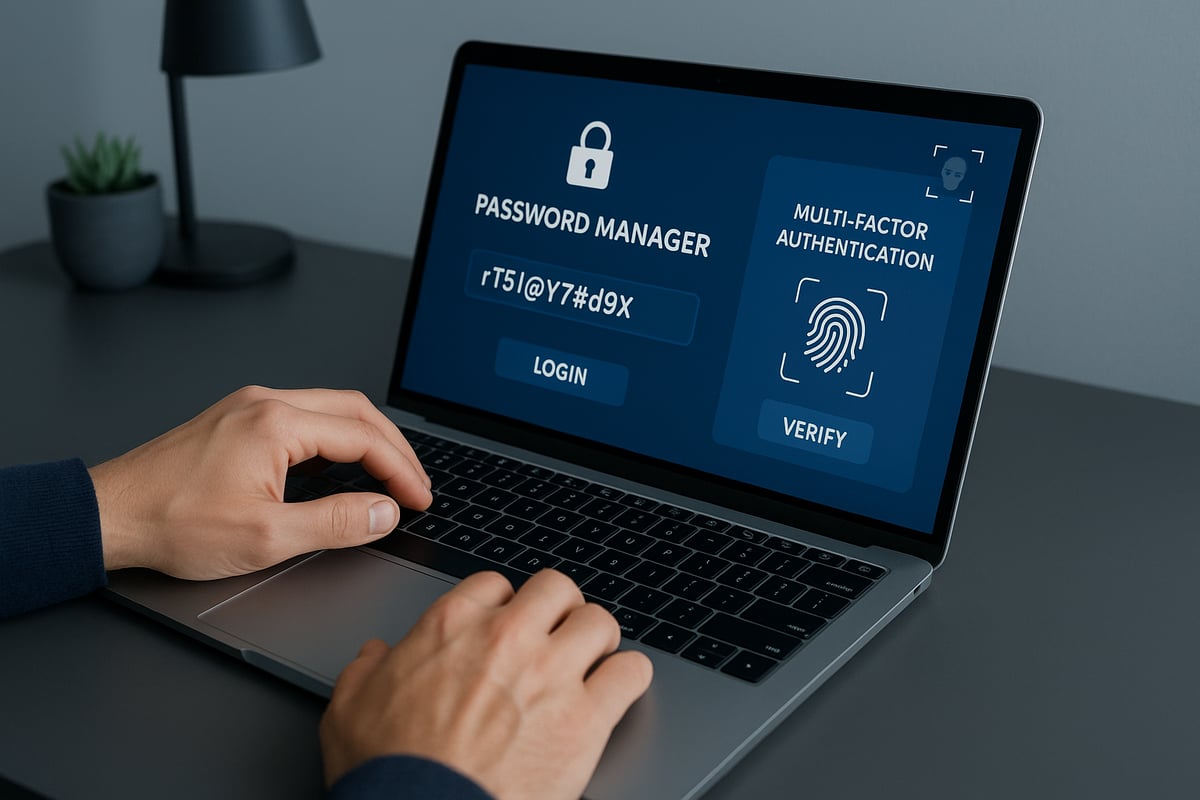
As we move further into 2026, the threats have evolved. Physical theft is often accompanied by "shoulder surfing" to catch a PIN. The Above Phone mitigates this with AI-driven hardware triggers. The device utilizes accelerometer-based instant screen locking; if the phone detects a sudden, violent movement—consistent with a "snatch and run" theft—the screen locks instantly and requires a secondary biometric or long-passphrase authentication.
Furthermore, the "Identity Check" or Biometric Gating feature protects your most sensitive apps (like banking or private keys) when you are outside of "Trusted Locations" (like your home or office). If you are in a public airport, the phone automatically escalates its security posture, requiring more frequent identity verification.
Finally, for those worried about state-level surveillance, the Above Phone includes "Cellular Cipher Transparency." It can detect and block 2G "Stingray" attacks, which are often used by law enforcement or sophisticated hackers to downgrade your connection to an unencrypted state to intercept calls.
Comparison: Traditional Flagship vs. Above Phone
| Feature | Standard Smartphone (2026) | Above Phone |
|---|---|---|
| Operating System | Stock Android / iOS (Proprietary) | GrapheneOS (Hardened Open Source) |
| Data Collection | Continuous (System-level) | None (Opt-in only via Sandboxing) |
| User Profiles | Limited (1-2) | Up to 32 Isolated Profiles |
| Cellular Privacy | Tied to ID (KYC) | Anonymous DataSIM (No-KYC) |
| Hardware Control | Software toggles only | Physical Kill-Switches available |
| Log Retention | Often indefinite | 48-hour automatic purge |
Conclusion: Ready-to-Use Privacy
The brilliance of the Above Phone is that it removes the technical barrier to entry. While a tech enthusiast could theoretically build a similar setup manually, the Above Phone comes "Pre-configured." This means you don't need to spend hours flashing ROMS or configuring firewall rules. You take it out of the box, and you are immediately operating at a level of security that exceeds 99% of the population.
In the AI era, mobile independence isn't just about hiding; it’s about control. It’s about deciding who gets to profit from your digital shadow. The Above Phone doesn't just protect your data; it restores your right to be left alone.
FAQ
Can I keep my current phone number on an Above Phone? Yes. You can use your existing SIM card, though for maximum privacy, it is recommended to use the Above DataSIM for cellular data and a VOIP service for calls to break the link between your identity and your physical location.
Will my banking apps work? Most banking apps work perfectly within the Sandboxed Google Play environment. However, because GrapheneOS is a highly secure, non-certified OS, a small number of extremely restrictive apps (mainly high-level enterprise tools) may occasionally flag the device. Above Phone provides a compatibility list that is updated regularly.
Do I need a subscription for the phone to work? No. The phone is yours to own. The Above Suite (Email, Chat, Cloud) and DataSIM are optional but highly recommended services that complete the privacy ecosystem.