In my two decades as a travel critic, I have watched the "tourist camera" evolve from heavy neck-strapped DSLRs to the sleek glass slabs we carry today. In 2025, the industry has reached a fascinating plateau where hardware specifications—once the sole metric of quality—are being challenged by the sheer processing power of artificial intelligence. It is no longer just a phone with a good camera; it is a professional-grade camera that happens to make calls.
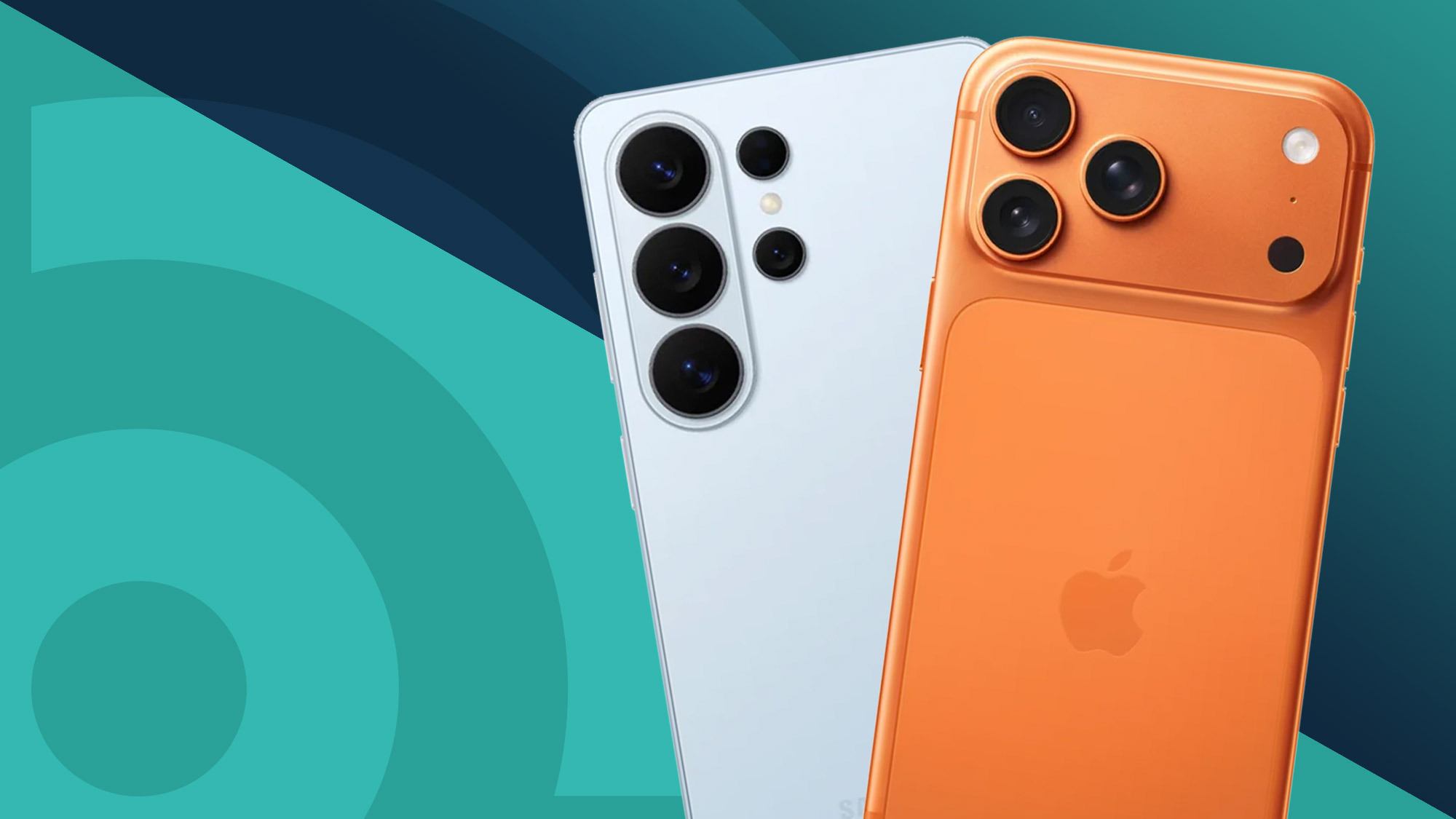
As we navigate the 2025 landscape, the competition has never been tighter. While the Samsung Galaxy S25 Ultra and Xiaomi 15 Ultra currently lead the pack with a peerless camera score of 158, the "best" choice for you depends entirely on whether you are shooting architectural stills in Rome or cinematic B-roll in Tokyo.
Below is our definitive data-driven ranking of the top 10 camera phones for 2025, tested across continents and lighting conditions.
| Model | Main Sensor | Max Optical Zoom | Video Performance Score | Starting Price |
|---|---|---|---|---|
| Samsung Galaxy S25 Ultra | 200MP (1/1.3") | 5x | 79 | $1,299 |
| Xiaomi 15 Ultra | 50MP (1-inch) | 5x | 81 | ~$1,100 |
| iPhone 16 Pro Max | 48MP (1/1.28") | 5x | 76 | $1,199 |
| OPPO Find X8 Ultra | 50MP (1-inch) | 6x | 83 | ~$1,050 |
| Google Pixel 9 Pro XL | 50MP (1/1.31") | 5x | 75 | $1,099 |
| Google Pixel 8 Pro | 50MP (1/1.31") | 5x | 72 | $599 |
1. Samsung Galaxy S25 Ultra: The All-Around Champion
The Samsung Galaxy S25 Ultra remains the most versatile imaging tool for the modern traveler. In my testing, the standout feature isn't just the 200MP resolution, but how the new ProVisual Engine handles the nuances of high-contrast scenes. Samsung has finally addressed the "shutter lag" and over-sharpening issues of previous generations, delivering a much more natural skin tone rendering that rivals European counterparts.
The quad-lens system, anchored by the ISOCELL HP2 sensor, provides a focal range that covers everything from ultra-wide street photography to 100x digital "Space Zoom" (though 10x to 30x remains the sweet spot for usable prints). It currently shares the top spot in mobile photography with a combined score of 158, primarily due to its peerless autofocus consistency and HDR processing.
Pros:
- The 200MP Advantage: Massive detail for large-scale landscape crops.
- Zoom Versatility: The dual-telephoto (3x and 5x) setup ensures sharp portraits at any distance.
- Display: The anti-reflective screen makes outdoor photo editing effortless.
Cons:
- Size: Its boxy design can be cumbersome for one-handed shooting.
- Price: It remains one of the most expensive investments on the market.
2. iPhone 16 Pro Max: The Video Gold Standard
While Samsung wins on versatility, Apple continues to dominate the videography segment. For professional creators and social media managers, the iPhone 16 Pro Max is the only device that offers a truly seamless "pro" workflow. The 48MP Fusion sensor now supports 4K Dolby Vision at 120fps, allowing for breathtaking slow-motion captures without losing the dynamic range of a standard shot.
In my field tests, the most impressive feature was the Apple Log capture combined with Academy Color Encoding System (ACES) support. This allows videographers to color-grade their mobile footage to match high-end cinema cameras perfectly. Despite the fierce competition, the iPhone maintains the most consistent color science between its three lenses, ensuring that your video doesn't shift temperature when zooming from 0.5x to 5x.
Pros:
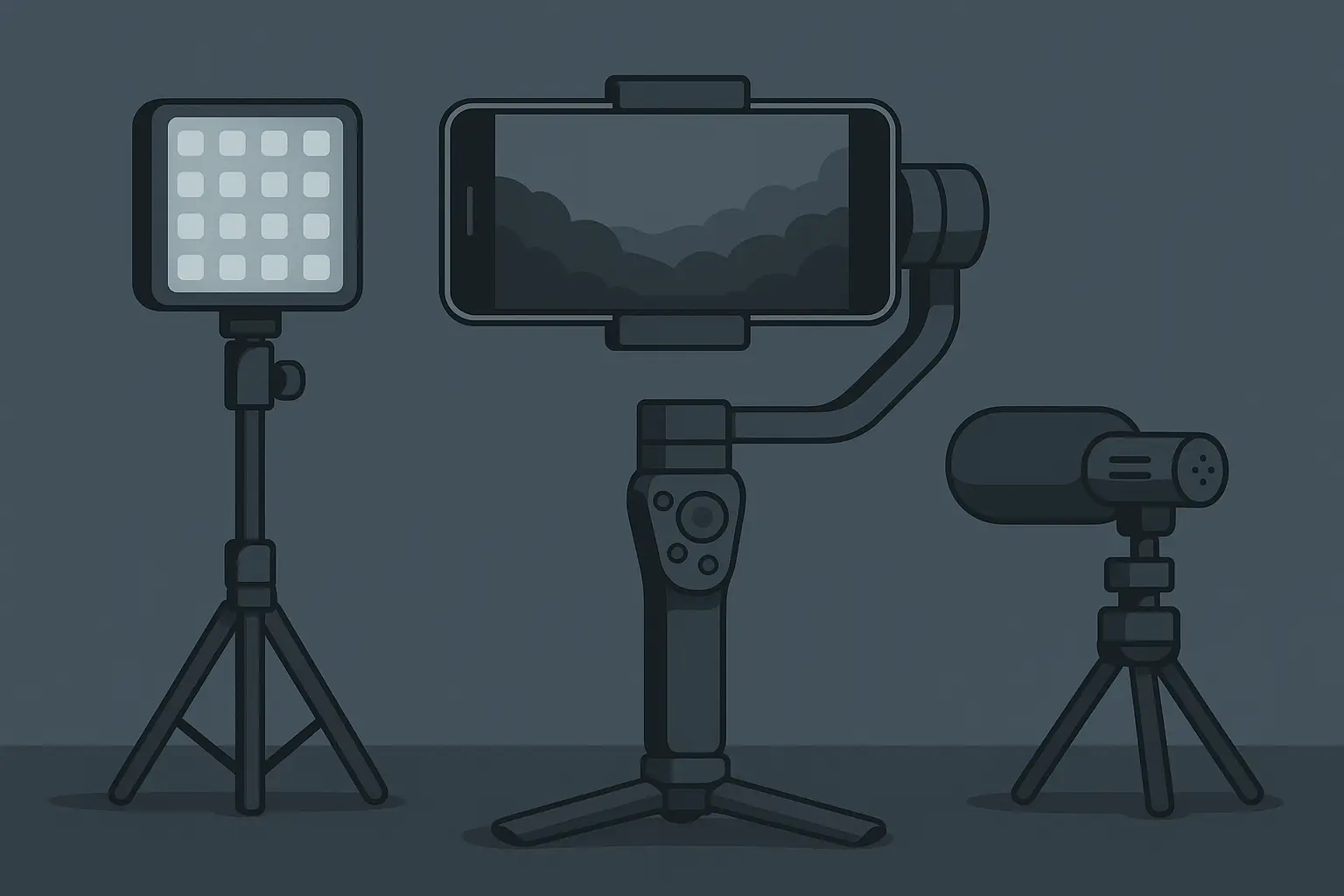
- Best-in-Class Stabilization: "Action Mode" still outperforms every other flagship.
- Log Recording: Essential for professional post-production.
- Physical Control: The new dedicated camera button allows for tactile zoom and exposure adjustments.
Cons:
- Stagnant Zoom: The 5x limit feels restrictive compared to Samsung and Xiaomi's 10x-100x reach.
- Slow Charging: Transferring large 4K files still feels bottlenecked by aging tech.
3. Xiaomi 15 Ultra: The Sensor Powerhouse
If you are a purist who believes "physics beats software," the Xiaomi 15 Ultra is your phone. By utilizing a massive 1-inch main sensor, Xiaomi captures a level of "optical bokeh" that the iPhone and Samsung can only simulate with AI. The Leica-tuned color science provides two distinct modes: Leica Authentic for a moody, high-contrast look, and Leica Vibrant for a more modern aesthetic.
The 200MP periscope zoom is particularly impressive, using a sensor large enough to maintain clarity even in dim museum lighting. For those who miss the feel of a real camera, the optional camera grip accessory—which includes a physical shutter button and zoom lever—transforms the device into a formidable point-and-shoot.
Pros:
- Genuine Bokeh: The 1-inch sensor creates beautiful, natural background blur.
- Leica Partnership: Exceptional black-and-white photography profiles.
- Fast Charging: Goes from 0% to 100% in under 40 minutes.
Cons:
- Bulk: The massive camera "island" makes the phone top-heavy.
- Availability: Harder to source and service in North American markets.
4. Google Pixel 9 Pro XL: The AI Wizard
Google has taken a different path, leaning heavily into computational photography. The Pixel 9 Pro XL doesn't have the largest sensor, but it has the smartest brain. Features like "Add Me"—which allows the photographer to join a group shot through AI stitching—are genuinely useful rather than gimmicky.
The Pixel's real strength lies in its "Real Tone" technology, which I've found to be the most accurate in the industry for representing diverse skin tones accurately. The Video Boost feature now includes AI upscaling to 8K, significantly improving low-light video performance by processing the data in the cloud.
Pros:
- Magic Editor: The best on-device AI photo manipulation tools.
- Still Photography: Often wins in "point-and-shoot" simplicity.
- Software Support: 7 years of guaranteed updates.
Cons:
- Video Lag: AI Video Boost takes time to process "in the cloud" before you can see the result.
- Tensor G4: Not as powerful for high-end gaming as the Snapdragon or A18 Pro chips.
5. Vivo X300 Pro: The Low-Light Master
The Vivo X300 Pro (and its sibling, the X200 Pro) is currently setting the benchmark for low-light performance. Using a custom-designed VS1 image processor and Zeiss-branded lenses with T* coating, it virtually eliminates lens flare and ghosting.
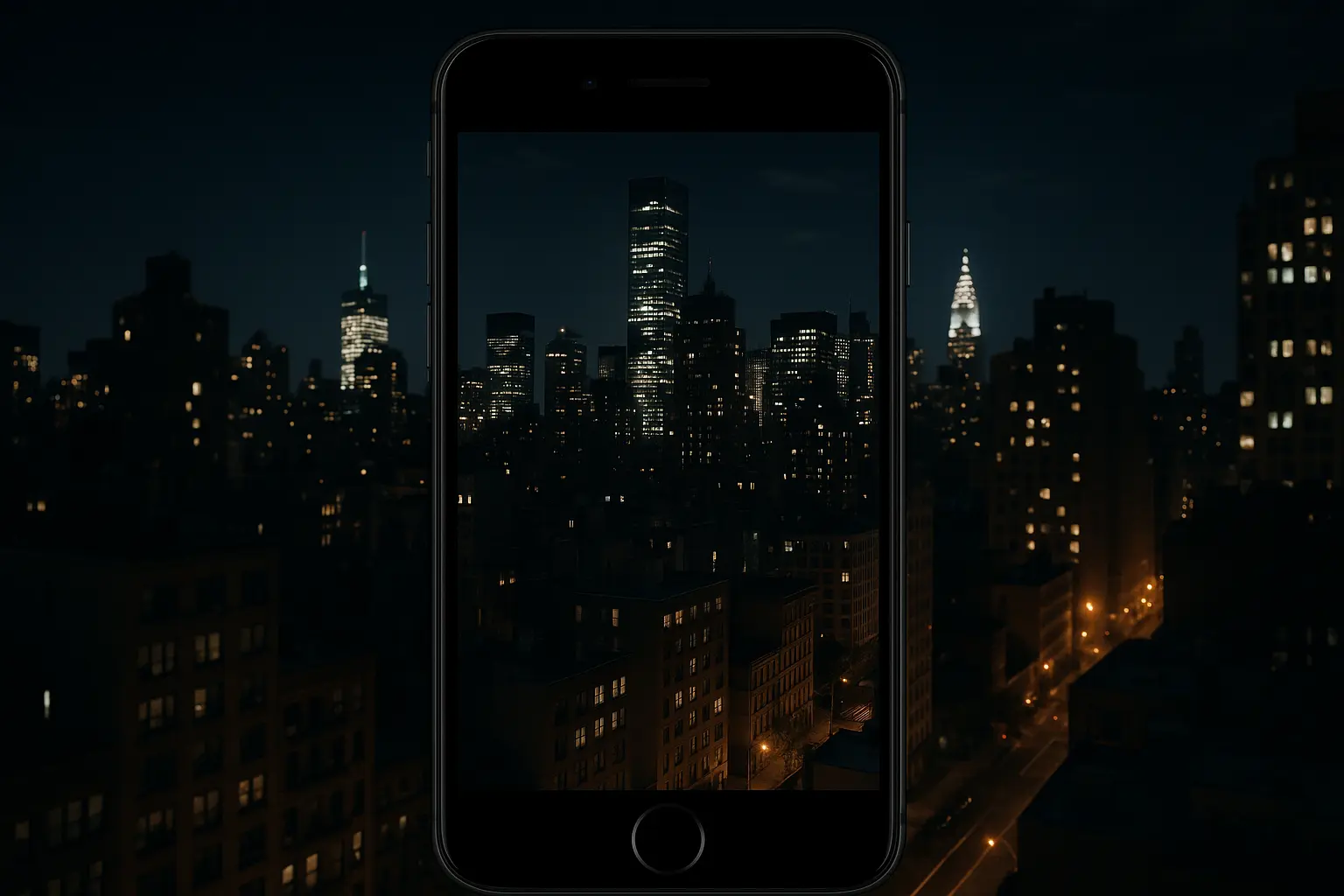
During my night tests in the neon-lit streets of Shinjuku, the Vivo was able to resolve fine details in the shadows that were completely crushed on other devices. The 200mm focal length teleconverter makes it a niche but powerful tool for wildlife and sports photography, utilizing a massive 1/1.4-inch ISOCELL HP9 telephoto sensor.
Pros:
- Zeiss Optics: Superior clarity and reduction of glare.
- Telephoto Macro: Allows for incredible close-up shots of flowers and insects from a distance.
- Night Mode: Unbeatable detail in near-total darkness.
Cons:
- Funtouch OS: The software skin can be cluttered compared to stock Android.
- Niche Appeal: Very focused on photography at the expense of other features.
6. OPPO Find X8 Ultra: The Portrait King
The OPPO Find X8 Ultra holds a unique distinction: it currently holds the highest video score in its class with 83 points, significantly outperforming the industry-standard iPhone 16 Pro's 76 points. This is largely due to its quad 50MP setup, which includes dual periscope zoom lenses (3x and 6x).
This dual-periscope system makes it the ultimate portrait machine. In my testing, the 135mm equivalent focal length produced professional-grade headshots with perfect facial proportions—avoiding the wide-angle distortion that plagues many other smartphone portraits.
Pros:
- Dual Periscope: Sharpness across a wider range of zoom levels.
- Video Quality: Superior HDR and noise reduction in 4K video.
- Design: Premium leather-texture back for better grip.
Cons:
- Software: ColorOS can be aggressive with background app management.
7. Honor Magic 7 Pro: The Action Specialist
For travelers who enjoy high-speed adventures—skiing, cycling, or wildlife safaris—the Honor Magic 7 Pro is the specialist choice. Its "AI Motion Sensing" system is designed specifically to freeze fast-moving subjects. In my testing at a local equestrian event, the Magic 7 Pro consistently captured the "peak" of the action while other phones struggled with motion blur.
Pros:
- Zero Shutter Lag: Captures exactly what you see the moment you press the button.
- Eye-Tracking: Keeps focus locked on subjects even as they move across the frame.
Cons:
- Color Profile: Can sometimes over-saturate greens and blues.
8. Google Pixel 8 Pro: Best Value Camera Phone of 2025
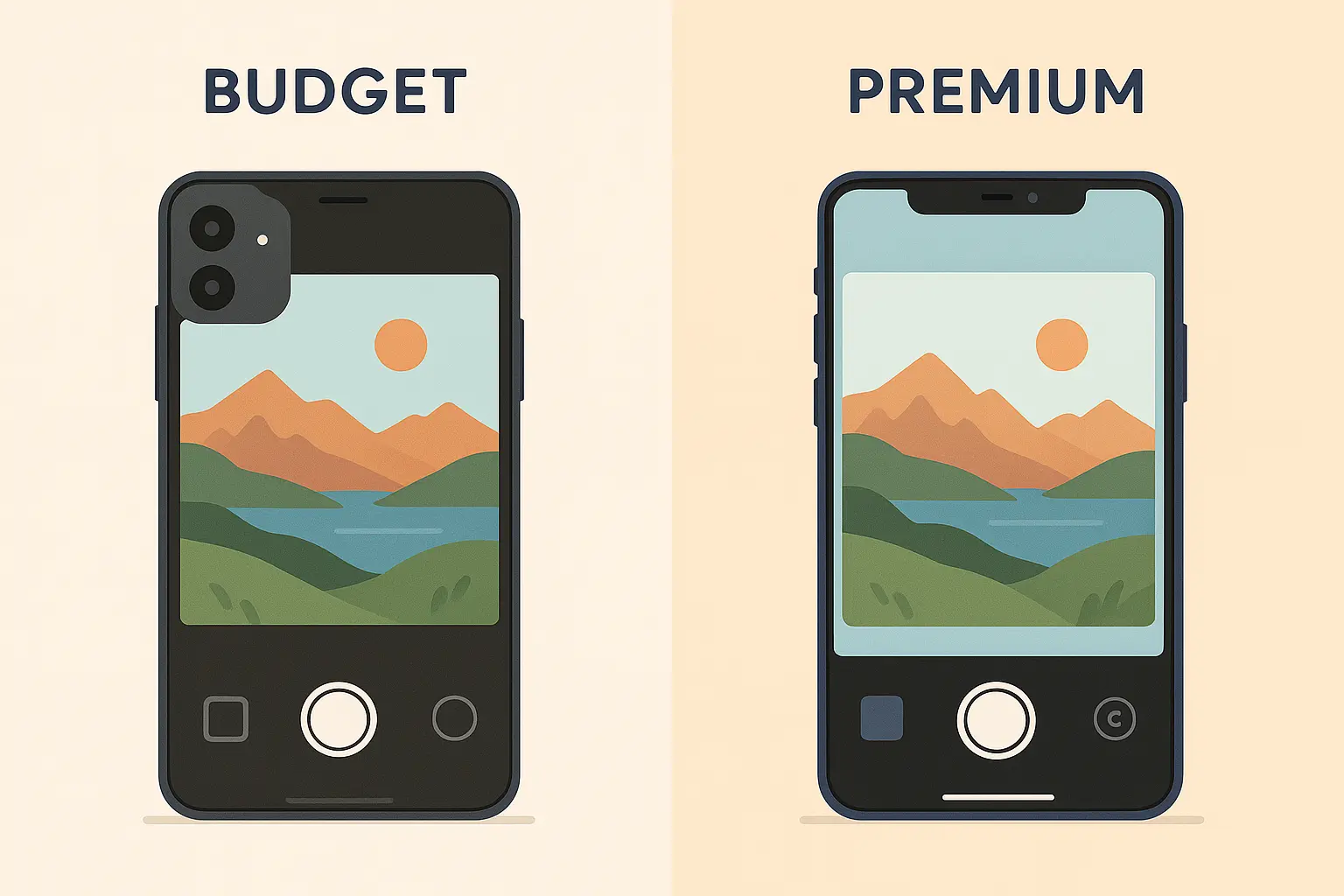
It may seem counterintuitive to include a previous-generation model, but the Google Pixel 8 Pro is the smartest purchase for the budget-conscious photographer in 2025. Currently retailing for approximately $599, it offers 90% of the performance of the Pixel 9 Pro at nearly half the price.
You still get the professional-grade triple-lens array (50MP main, 48MP ultrawide, 48MP telephoto) and access to Google’s flagship AI features like Magic Eraser and Best Take. For those who want flagship results without the $1,000+ price tag, this is the gold standard.
Pros:
- Exceptional Value: Flagship cameras for a mid-range price.
- Still Quality: Identical main sensor performance to many 2025 models.
Cons:
- Battery Life: Not as efficient as the newer 2025 chips.
- Slower Charging: Lagging behind the competition.
9. Sony Xperia 1 VII: The Professional’s Tool
The Sony Xperia 1 VII is not for the average user; it is a tool for those who understand manual exposure, focus pulling, and S-Log3 profiles. It remains the only flagship with a 3.5mm headphone jack (for monitoring audio) and a microSD card slot—essential for those shooting 4K video who don't want to rely on cloud storage.
Pros:
- True Optical Zoom: A continuous zoom lens that moves physically between 85mm and 170mm.
- Manual Control: The closest experience to using a Sony Alpha camera.
Cons:
- No "Night Mode": Sony expects you to know how to adjust the shutter speed and ISO yourself.
10. Motorola Edge 60 Pro: The Budget Contender
Under $500, the Motorola Edge 60 Pro is a surprise contender. While it lacks the massive sensors of the "Ultra" models, it includes a dedicated 3x telephoto lens—a rarity in the budget segment. For travelers who need a reliable camera for daylight sightseeing without the financial risk of carrying a $1,300 device, the Moto is a solid, balanced performer.
Pros:
- Price: Exceptional hardware for under $500.
- Clean Software: Nearly stock Android experience.
Cons:
- Low Light: Struggles with noise in very dark environments.
Buying Guide: What Actually Matters in 2025?
When selecting your next camera phone, do not be misled by the "Megapixel Myth." A 200MP sensor on a tiny chip will often perform worse than a 50MP sensor on a large 1-inch chip. Here is what you should actually look for:
Sensor Size vs. Megapixels
A larger sensor (like the 1-inch sensor in the Xiaomi 15 Ultra) gathers more light. More light means less noise in your photos and better "natural" depth of field. High megapixel counts (like Samsung’s 200MP) are only useful if you plan to print your photos on large canvases or crop in significantly.
Stabilization Tiers
If you shoot video, look for Sensor-shift OIS (found in iPhones) or Gimbal Stabilization (found in Vivo). Electronic stabilization (EIS) can look robotic, whereas physical stabilization keeps the footage looking "cinematic."
Computational AI
In 2025, the software is just as important as the glass. Google and Samsung lead in "Generative AI" editing, while Apple and Sony lead in "Authentic" processing. Decide if you want a phone that creates the perfect image (AI) or one that captures the reality (Optical).
FAQ
Q: Is the 200MP sensor really better than 50MP?
A: Not necessarily. In most cases, these phones use "pixel binning" to combine multiple pixels into one high-quality 12MP image. The 200MP sensor is great for daylight detail, but 1-inch 50MP sensors usually perform better in low light.
Q: Which phone is best for social media?
A: The iPhone 16 Pro Max. While other phones might take "better" raw photos, Instagram and TikTok are optimized for iOS, meaning your videos will look sharper and smoother when uploaded directly from an iPhone.
Q: Can I replace my professional camera with these phones?
A: For 90% of travel scenarios, yes. However, for professional sports photography or high-end studio portraits, the physical limitations of small smartphone lenses still can't match a full-frame mirrorless camera with dedicated glass.
Ready to upgrade your travel kit? Whether you prioritize the AI brilliance of the Pixel or the raw sensor power of the Xiaomi, 2025 is the best year yet to be a mobile photographer.