In the rapidly evolving landscape of aerial cinematography, DJI has a habit of competing against itself. For professional travelers and content creators, the launch of the Mavic 3 series represented a watershed moment: the first time a portable, foldable drone truly offered a sensor capable of professional-tier dynamic range. However, the subsequent release of the Mavic 3 Classic introduced a strategic dilemma. Is the secondary telephoto lens on the original Mavic 3 a vital tool for the modern kit, or is the Classic’s streamlined approach the more pragmatic investment for 2024?
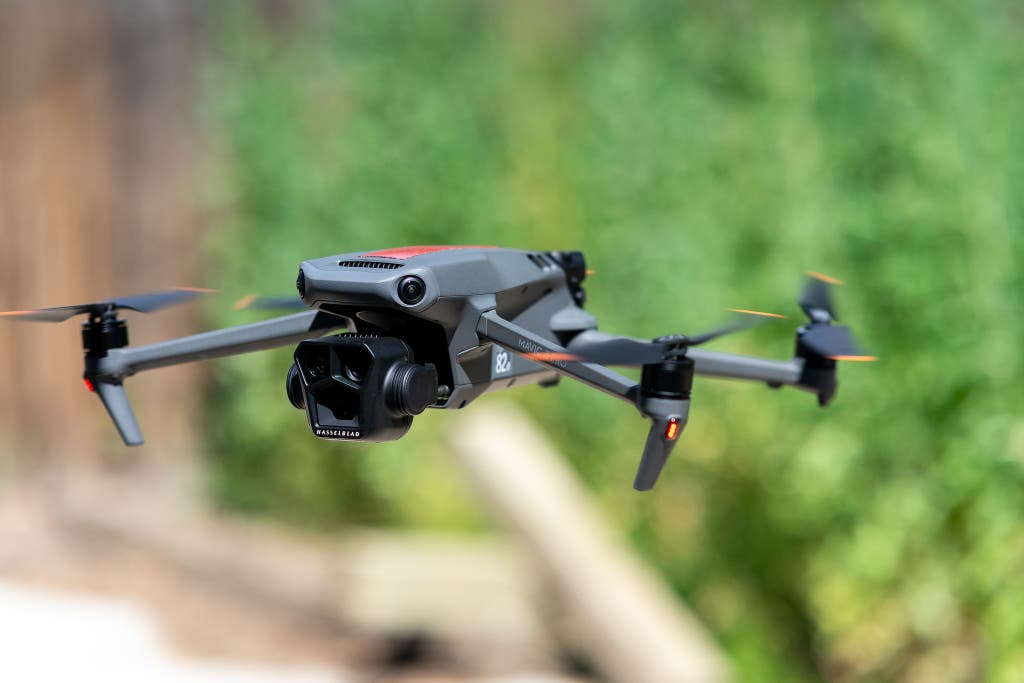
The primary difference between the DJI Mavic 3 and the Mavic 3 Classic is the camera system. While the Mavic 3 features a dual-camera setup with a dedicated 162mm telephoto lens for 7x optical zoom, the Mavic 3 Classic utilizes a single-camera configuration featuring the same 20MP 4/3 CMOS Hasselblad sensor. For photographers who prioritize wide-angle landscapes and standard cinematic perspectives, the Mavic 3 Classic is the superior choice, offering identical primary image quality at a significantly lower price point.
The Quick Verdict: Which Drone Should You Buy?
Choosing between these two models requires a cold assessment of your shooting style. If your work involves wildlife photography, search and rescue, or high-compression architectural shots where you cannot physically fly closer to the subject, the original Mavic 3 (or its successor, the Mavic 3 Pro) is necessary. However, for the vast majority of travel videographers and landscape photographers, the Mavic 3 Classic provides the "sweet spot" of the lineup.
Key Decision Factors:
- The Classic Advantage: You get the flagship 4/3 CMOS sensor for approximately 32% less than the original Mavic 3 launch price.
- The Original Advantage: The 162mm telephoto lens allows for "scouting" and unique subject isolation that a wide-angle lens cannot replicate via cropping.
- The Regulatory Reality: The Mavic 3 Classic is explicitly designed to meet European C1 category requirements, making it a more "future-proof" travel companion for international assignments.
Camera Systems: Single Sensor vs. Dual Setup
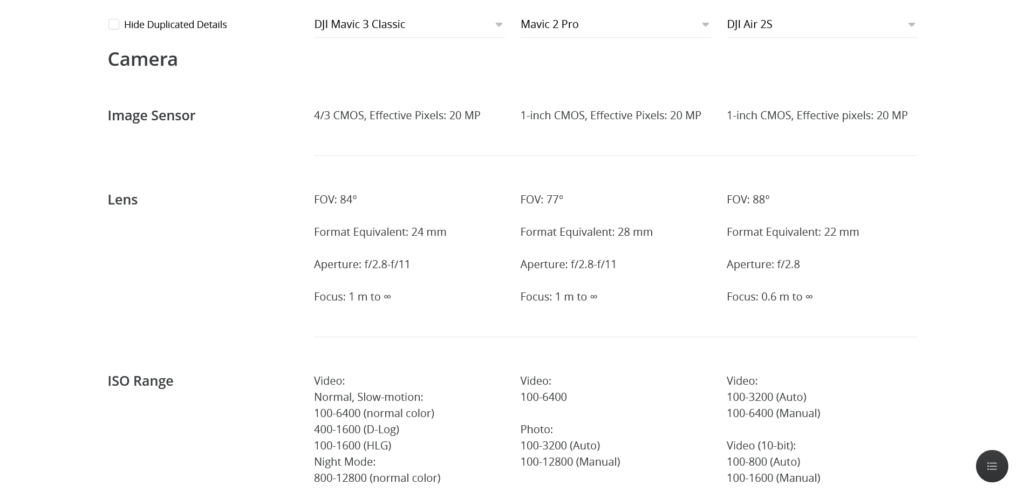
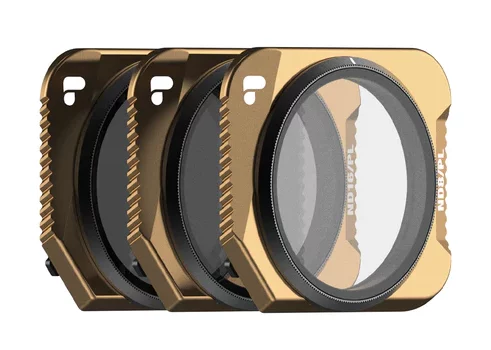
The heart of this comparison lies in the glass. Both drones house the L2D-20c Hasselblad camera. This isn't just a marketing label; the sensor features 12.8 stops of dynamic range and an adjustable aperture from f/2.8 to f/11.
The Hasselblad Legacy
Both models share the exact same primary sensor. This means that whether you spend $1,399 or $2,100, your 5.1K footage at 50fps or your 4K slow-motion at 120fps will look identical. The color science—Hasselblad's Natural Colour Solution (HNCS)—is baked into both, ensuring that skin tones and landscapes look organic rather than "digital."
The Telephoto Factor: A Gimmick or a Tool?
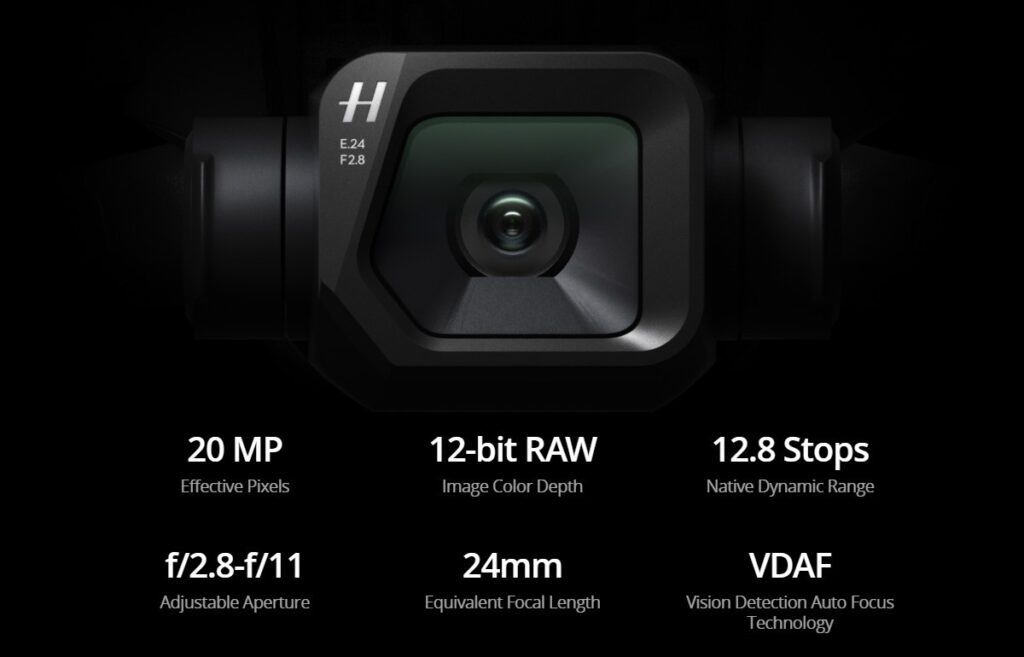
The original Mavic 3 includes a secondary 1/2-inch CMOS telephoto camera. In my testing, this lens was initially polarizing. At launch, it lacked manual controls, making it feel like a "gimmick." However, subsequent firmware updates unlocked Pro mode and RAW support for the telephoto lens.
- Wildlife: When shooting orcas in Norway or elephants in Namibia, the 7x zoom is not just a luxury; it’s an ethical requirement to maintain distance.
- Parallax & Compression: Long focal lengths compress the background, making distant mountains loom large behind a foreground subject. This is a cinematic look the Mavic 3 Classic simply cannot achieve.
Image Quality vs. Versatility
For the professional who views the drone as a wide-angle landscape tool, the telephoto lens often sits unused, adding weight and cost without value. If you find yourself mostly shooting at 24mm (the standard wide-angle), the Classic is the more efficient tool.
Video Specs and Professional Workflows
When we dive into the data, the similarities far outweigh the differences. Both drones support:
- 10-bit D-Log & HLG: Essential for color grading in post-production.
- Bitrates: Up to 200 Mbps in H.264 or 140 Mbps in H.265.
- Resolution: 5.1K (5120×2700) up to 50fps.
The ProRes Divide It is critical to note that the Mavic 3 Classic does not support Apple ProRes 422 HQ. While the original "Standard" Mavic 3 also lacked ProRes (it was reserved for the Mavic 3 Cine), the current Mavic 3 Pro offers ProRes across all three lenses. If your workflow demands the massive data rates of ProRes for high-end commercial delivery, neither the Classic nor the base Mavic 3 is your best bet—you should be looking at the Mavic 3 Pro.
For the independent creator, the H.265 D-Log files from the Classic are more than sufficient. They offer a balanced file size that preserves enough data for aggressive color grading without crushing your storage capacity during a month-long expedition.
Portability, Weight, and Regulations
From a travel critic’s perspective, the "Classic" designation hides one of its most important features: regulatory compliance.
- The 895-gram Threshold: The Mavic 3 Classic weighs exactly 895 grams. This isn't an arbitrary number. It allows the drone to be compliant with the European C1 category. In many jurisdictions, this allows you to fly in the A1 Open Category (near people, though not over them), whereas heavier drones are pushed into more restrictive categories.
- Flight Performance: Both drones share identical flight dynamics. You can expect a real-world flight time of roughly 38-40 minutes (rated at 46 minutes in laboratory conditions). They both handle wind resistance up to 12 m/s, which is robust enough for coastal shooting in most environments.
- Safety Suite: Both utilize DJI's APAS 5.0 and omnidirectional obstacle sensing. In my field tests through dense canopy in the Pacific Northwest, both drones exhibited identical "safety blankets," skillfully navigating around branches that would have downed an older Mavic 2.
The Price of Admission: Is 'Cheaper' Actually Cheap?
Pricing is where the Mavic 3 Classic makes its most compelling argument. At a starting price of $1,399 (for the drone and a basic remote), it is the most affordable way to get a 4/3 sensor in the air.
Expert Insight: When the original Mavic 3 launched, it commanded a premium price of $2,049. The Classic offers the same primary imaging pipeline at an approximately 32% lower cost. For a travel professional, that $650 difference covers a set of high-end ND filters, three extra batteries, and a rugged hardshell carrying case.
Calculating the Total Cost
Rarely does a professional buy "just" the drone. When you factor in the DJI RC (the controller with the built-in screen) and the Fly More Kit, the Classic remains the value king.
Mavic 3 Classic Pricing Tiers (Approximate):
- Standalone (No RC): $1,279 (Great if you already own a DJI RC-N1 or RC).
- With DJI RC: $1,599 (The recommended "standard" for travelers).
View Mavic 3 Classic Pricing →
Market Update: The Discontinued Original
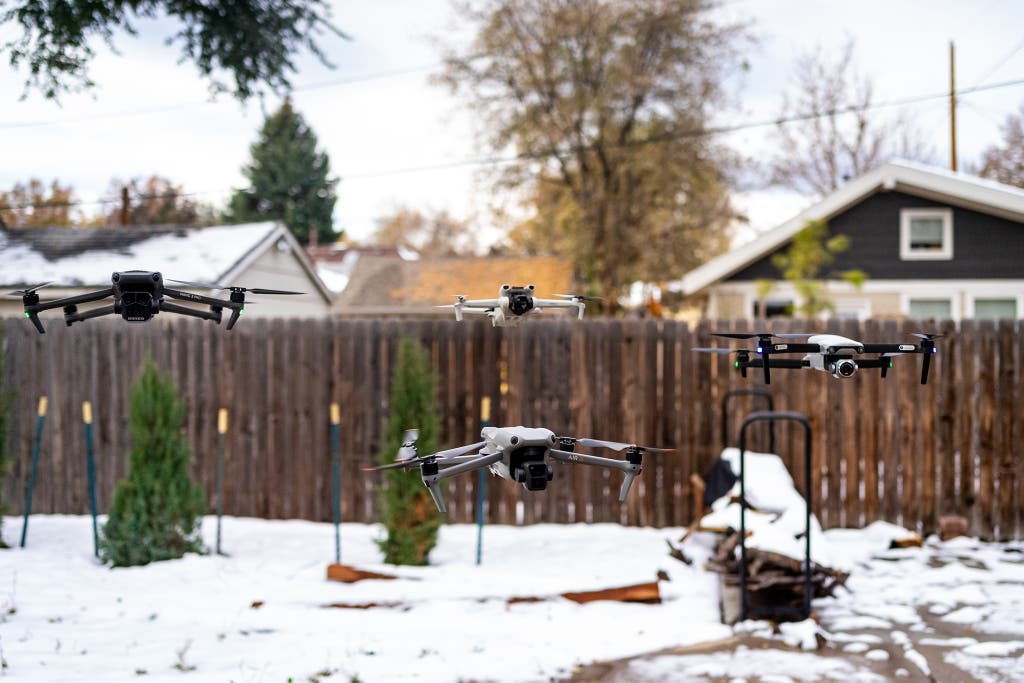
The market context for this comparison changed significantly in 2023. The DJI Mavic 3 has been discontinued by DJI in favor of the Mavic 3 Pro. This move makes the Mavic 3 Classic the current entry-level option for high-end flagship aerial photography.
If you are looking for the original Mavic 3 today, you are likely looking at the used market or "New Old Stock." This makes the Mavic 3 Classic even more attractive, as it comes with a full manufacturer warranty and the latest internal hardware revisions. If you find the Classic's single lens limiting, your logical "step up" is no longer the original Mavic 3, but the triple-camera Mavic 3 Pro.
Conclusion: Choosing Your Wingman
In the final analysis, the DJI Mavic 3 Classic isn't a "stripped-down" version of a better drone; it is a "focused" version of a high-end tool. It sheds the weight and cost of a telephoto lens that many professionals found to be a secondary luxury rather than a primary necessity.
You should buy the DJI Mavic 3 Classic if:
- You primarily shoot landscapes, real estate, or travel vlogs.
- You need to stay within a strict budget without sacrificing sensor size.
- You fly frequently in Europe and want to stay within C1 compliance.
You should hunt for a Mavic 3 (or buy a Mavic 3 Pro) if:
- You are a wildlife photographer or filmmaker.
- You need focal length compression for high-end cinematic storytelling.
- You require the absolute maximum versatility of multiple focal lengths in a single flight.
For the objective travel critic, the data points clearly toward the Mavic 3 Classic. It democratizes professional-grade aerial imaging, proving that sometimes, less truly is more.
FAQ
Can I use Mavic 3 batteries in the Mavic 3 Classic? Yes. The entire Mavic 3 series (Classic, Original, and Pro) uses the same 5000 mAh Intelligent Flight Battery, making it easy to share power across a fleet or upgrade without replacing your entire battery stock.
Which controller is best for the Mavic 3 Classic? I highly recommend the DJI RC (the one with the integrated 5.5-inch screen). While it adds to the cost, the speed of setup—not having to fumble with phone cables and brackets—is invaluable for travel critics who need to catch "the golden hour" on a moment's notice.
Is the sensor in the Classic exactly the same as the Mavic 3 Pro? Yes. The primary 24mm Hasselblad sensor is identical across the Classic, the discontinued Original, and the current Pro model. You are not losing any "main camera" image quality by choosing the cheaper Classic.