Buying a laptop in 2026 is no longer just about picking a processor speed or a screen size; it’s an investment in a mobile workstation that must survive the rigors of AI-accelerated workflows and a "work-from-anywhere" reality. After a year of rigorous lab testing, teardowns, and analyzing thousands of data points from Consumer Reports and our own reliability databases, the hierarchy of the PC market has shifted.
If you are looking for the short answer: LG is currently the most reliable laptop brand in 2026, largely due to the exceptional engineering consistency of the LG Gram series. Apple and Samsung follow closely, forming a "Big Three" that prioritizes build quality and battery longevity over raw, unoptimized power. Meanwhile, traditional giants like Dell and gaming icons like Alienware are struggling to maintain consumer trust due to thermal inefficiencies and a widening quality gap between their budget and professional lines.
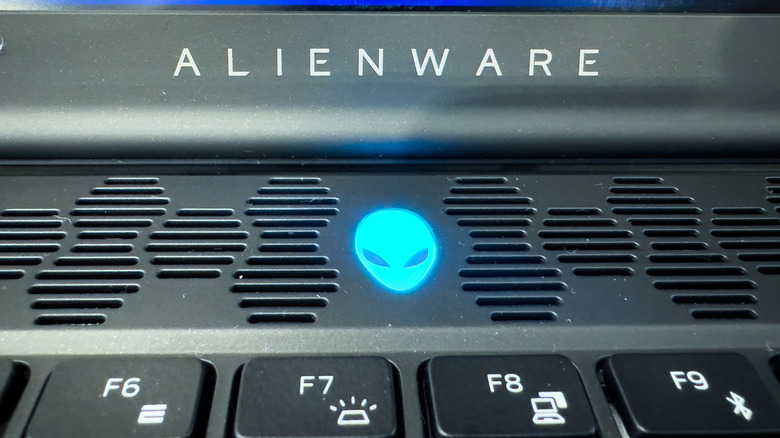
11. Alienware: Premium Power at a Disproportionate Price
Alienware remains the "behemoth" of the gaming world, but in 2026, its reputation for reliability is under fire. While their designs are undeniably futuristic, our testing shows a persistent struggle with thermal management. The Alienware 16 Aurora, despite its $1,449 starting price, frequently ships with a meager 16GB of RAM in its base configuration—a spec that feels outdated for a machine of this pedigree.
The core issue is heat. High-performance components packed into dense chassis often lead to thermal throttling, which shortens the lifespan of internal components. For a brand that markets itself as the "pinnacle" of gaming, the price-to-performance ratio simply doesn't favor the consumer when compared to more agile competitors.
Pros & Cons
- Pros: Iconic industrial design; industry-leading RGB customization; powerful GPU options.
- Cons: Notoriously difficult to service; heavy thermal throttling under load; expensive proprietary components.
10. Dell: The Gap Between Consumer and Business Tiers
Dell is a tale of two companies. If you’re buying a Latitude 7000 series for your office, you're getting a "productivity powerhouse" with up to 15 hours of battery life and a chassis built to withstand a drop. However, Dell’s consumer-grade Inspiron series continues to drag down its reliability rankings.
We’ve seen frequent reports of poor display quality—specifically low peak brightness and poor color accuracy—in the base Inspiron models. If you must go with Dell, stay in the "Goldilocks Zone" of their Latitude or Precision lines. The consumer Inspiron series is often a "decision investment" that leads to buyer's remorse within eighteen months.
Expert Tip: Avoid the entry-level Dell Inspiron 3000 series. The cost savings are offset by a plastic hinge design that is prone to failure after a year of heavy use.
9. MSI: The Gaming Specialist Finding Its Business Footing
MSI has spent years being the "go-to" for gamers, but 2026 marks their successful pivot into the professional space. While their budget "Cyborg" series is serviceable, the real star is the MSI Prestige 13 AI+.
This machine redefined ultra-portability in 2026 by weighing just 899 grams. Despite its featherweight status, it maintains full business-grade performance with an integrated NPU (Neural Processing Unit) for AI tasks. MSI is climbing the ranks because they’ve stopped trying to make every laptop a gaming rig and started focusing on the needs of "ultra-light travelers."
MSI Series Comparison
| Series | Best For | Weight |
|---|---|---|
| Titan/Raider | Hardcore Gaming | 3.2kg+ |
| Cyborg | Budget Gaming | 2.1kg |
| Prestige AI+ | Business/Portability | 899g |
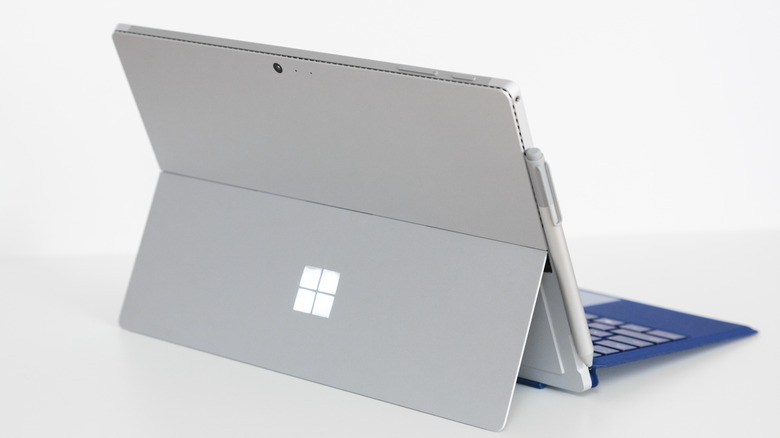
8. Microsoft: Premium 2-in-1s for the Surface-Devoted
Microsoft’s hardware strategy in 2026 is focused on the "Snapdragon X Elite" revolution. The Surface Laptop 7th Gen is a marvel of efficiency, offering a 17-hour battery life that finally rivals the MacBook Air. It’s the gold standard for 2-in-1 versatility, but it comes at a "Surface Tax."
The primary reliability concern isn't the internal hardware, but the longevity of the accessories. When the keyboard is sold separately and the Alcantara fabric starts to fray, the total cost of ownership rises. However, for those deep in the Windows ecosystem who need a tablet-to-laptop transition that "runs like butter," the Surface remains a top-tier choice.
7. HP: Versatility Across the OmniBook and OMEN Lines
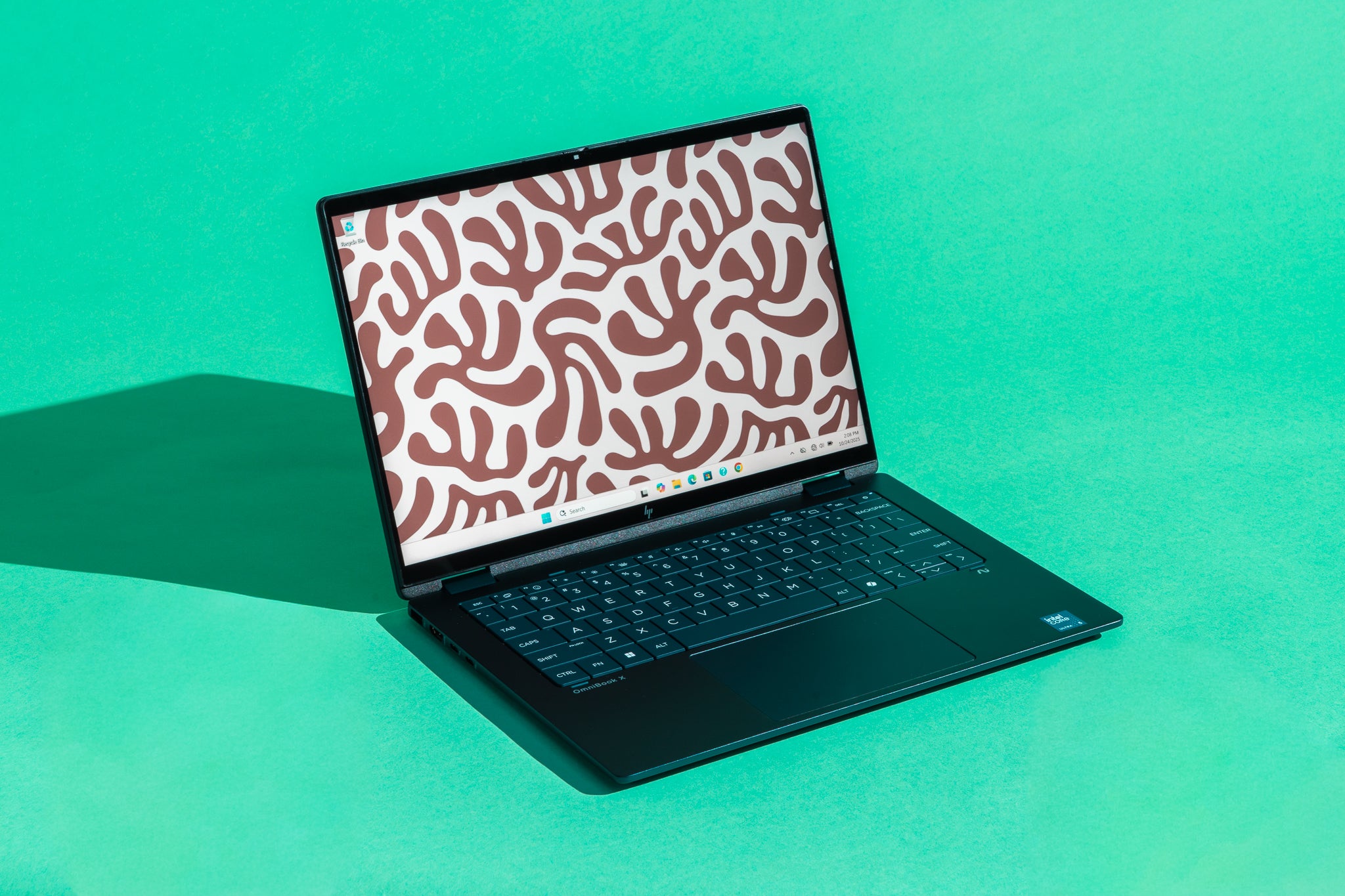
HP has simplified its branding, and the OmniBook series is the benefactor. The OmniBook X Flip has surged in Consumer Reports laptop rankings due to its vibrant OLED 2-in-1 display and robust 360-degree hinge.
The trade-off? HP still struggles with value in its mid-range. The OmniBook 7 Aero, for instance, carries a $1,249 price tag but often features integrated graphics that struggle with high-end creative work. It’s a reliable brand, provided you choose the flagship models.
6. Lenovo: Diversity and the 'Aura Edition' Excellence
Lenovo is the largest PC maker for a reason: they have a laptop for every possible human use case. In 2026, the Yoga Slim 7i Aura Edition is their standout. It balances a 2.5K OLED display with a refined keyboard that remains the best in the industry for typists.
For gamers, the Legion 5i offers a "Goldilocks" balance of price and performance, featuring an Intel Core i7-14700HX that handles AAA games in 1080p without breaking a sweat. Lenovo’s reliability is bolstered by their "ThinkPad" heritage—even their consumer lines benefit from the engineering lessons learned in the enterprise sector.
5. ASUS: Cutting-Edge Displays and Creator Power
ASUS is the brand for "Creative Collaborators." Their Zenbook S 14 uses a revolutionary "Ceraluminum" (ceramic-aluminum) build that is both scratch-resistant and incredibly light. They were early adopters of OLED technology, and in 2026, nearly their entire lineup features these high-contrast screens.
For professionals, the ProArt P16 ($2,799) is a beast that rivals the MacBook Pro in rendering speed. While ASUS occasionally suffers from software bloatware, the hardware reliability—especially their cooling solutions—is among the best in the high-performance category.
4. Acer: The King of Value and Chromebooks
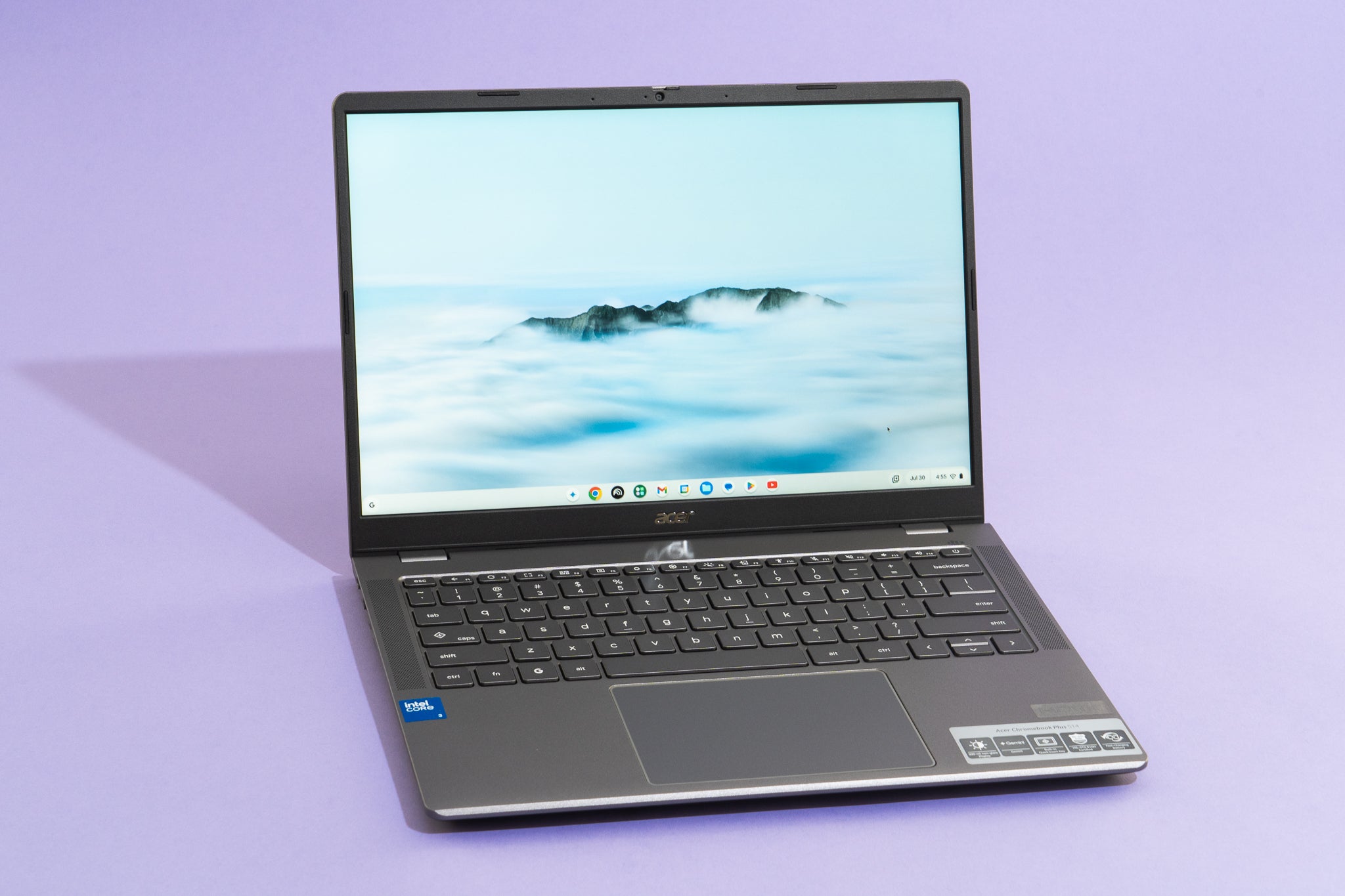
If you are looking for the "Value King," it’s Acer. They have dominated the budget and education sectors by perfecting the Chromebook. The Acer Chromebook Plus Spin is the 15-hour battery gold standard for ChromeOS users, offering a ruggedized build that can survive a backpack toss.
In the Windows space, the Swift Go 14 offers an 11-hour battery and a 2.8k OLED screen for a price that usually undercuts Dell and HP by $200. Acer isn't the "fanciest" brand, but their failure rates have dropped significantly in the last three years as they've moved toward more unified chassis designs.
3. Samsung: The Integrated Ecosystem Choice
Samsung has climbed to #3 by adopting the Apple playbook: quality over quantity. They don't make 50 different models; they make a few, and they make them exceptionally well. The Galaxy Book5 Pro is the definitive choice for professionals who already use a Galaxy phone.
With 3K AMOLED displays and 10+ hours of "real-world" battery life, these machines are sleek and reliable. Their reliability scores are high because Samsung controls the manufacturing of their own screens and memory, ensuring a level of vertical integration that most other PC brands can't match.
2. Apple: The Standard for Performance and Battery Life
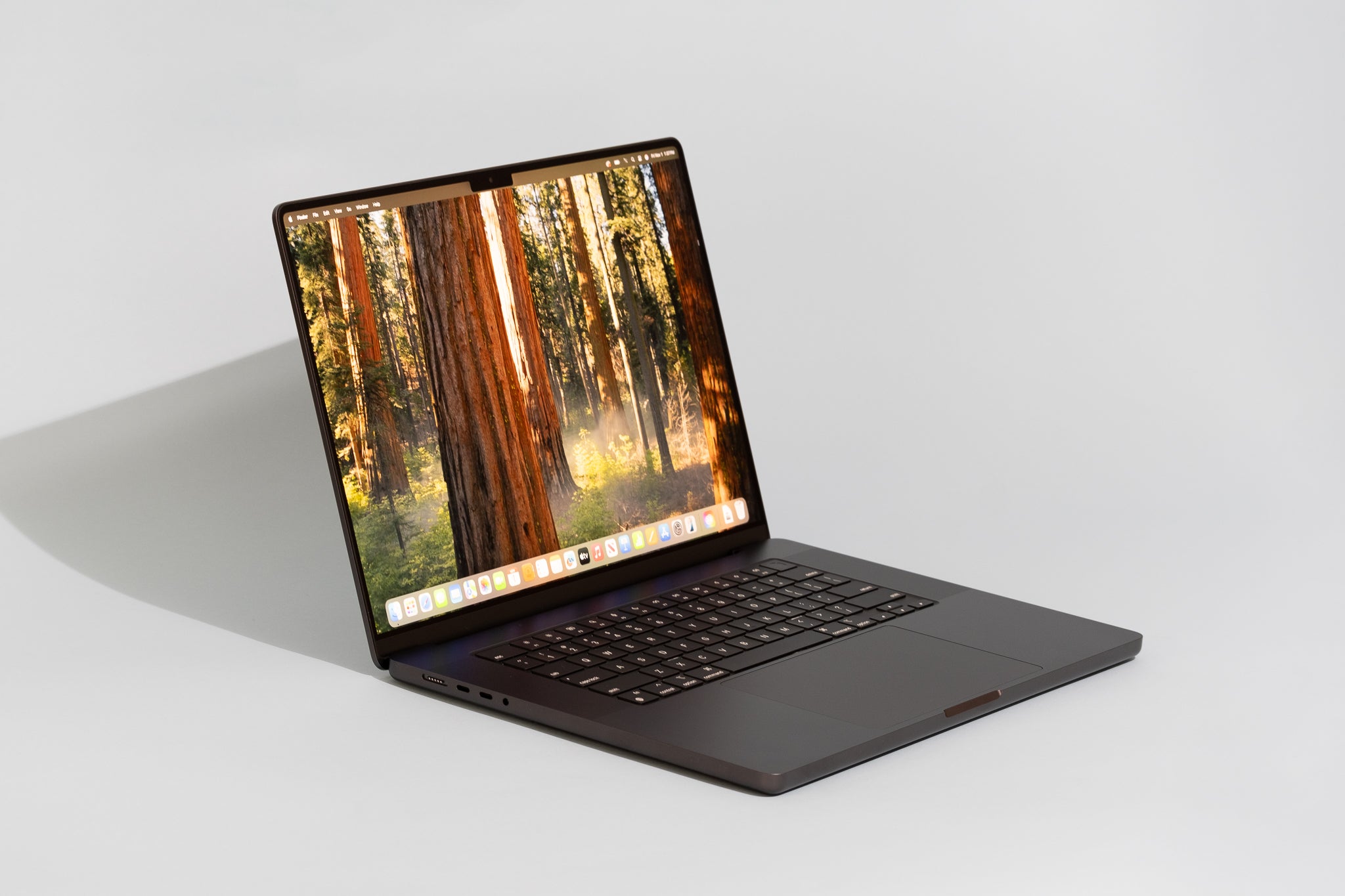
Apple would be #1 if not for the sheer price-to-entry and the lack of user-repairability. However, from a pure reliability and performance standpoint, the 2026 MacBook Pro featuring the M5 chip is in a league of its own.
The M5 chip revolution has pushed battery life to an industry-leading 24 hours. For a creative professional, the MacBook Pro 14" ($1,599) is the ultimate "productivity powerhouse." It handles 8K video editing with silence—no fan noise, no excessive heat. Apple’s customer support and the structural integrity of the unibody aluminum chassis remain the benchmarks by which all others are judged.
1. LG: The 2026 Reliability Champion
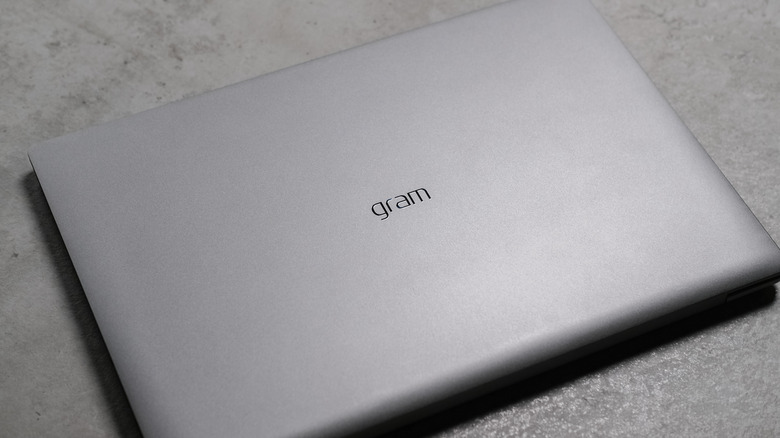
Why is LG #1? Because they found a niche—the "Gram" series—and perfected it. In 2026, the LG Gram Pro 16 is the most reliable laptop on the market. By focusing almost exclusively on ultra-portable magnesium chassis and long-life batteries (averaging 18 hours), LG has minimized the points of failure common in "experimental" designs.
The LG Gram Pro 16 weighs less than many 13-inch competitors while offering a full numpad and a massive trackpad. Consumer Reports currently ranks LG as the brand with the lowest rate of hardware defects within the first three years of ownership. If you want a laptop that you can rely on for five years without a single trip to a repair shop, LG is the clear winner.
2026 Brand Reliability Summary
| Brand | Reliability Rank | Key Model | Max Battery Life | Notable Feature |
|---|---|---|---|---|
| LG | #1 | Gram Pro 16 | 18 Hours | Ultra-light Magnesium |
| Apple | #2 | MacBook Pro (M5) | 24 Hours | M5 Chip Performance |
| Samsung | #3 | Galaxy Book5 Pro | 10+ Hours | 3K AMOLED Display |
| Acer | #4 | Swift Go 14 | 11 Hours | Best Value OLED |
| MSI | #9 | Prestige 13 AI+ | 15 Hours | 899g Record Weight |
Buying Guide: How to Choose Your Professional Laptop in 2026
When you're navigating the 2026 market, look past the "AI" stickers and focus on these three pillars:
- Intelligent Performance: Ensure the laptop has a dedicated NPU. AI-accelerated tasks (like background noise removal in calls or local generative AI) will drain your battery if your CPU has to do all the work.
- Portability vs. Thermal Management: If you choose a laptop under 1kg (like the MSI Prestige), understand that it is for productivity, not sustained 4K gaming. Thinness often comes at the cost of heat dissipation.
- Use Case Alignment:
- Ultra-light travelers: LG Gram or MSI Prestige.
- Content Creators: Apple MacBook Pro or ASUS ProArt.
- Budget-conscious students: Acer Swift or Lenovo Yoga.
FAQ
Q: Which laptop brand is the most reliable in 2026? A: LG is currently ranked as the most reliable brand due to the high average Consumer Reports scores of its LG Gram series, followed by Apple and Samsung.
Q: Why are Alienware and Dell ranked lower in consumer reliability? A: Alienware often suffers from thermal issues and high price-to-performance ratios. Dell’s lower ranking is primarily due to its consumer-grade Inspiron line, which lacks the build quality of its professional Latitude series.
Q: Is 16GB of RAM enough in 2026? A: For basic office work and browsing, yes. However, for "Pro" users and those utilizing local AI tools, 32GB is the new standard for a future-proof investment.
Choosing a laptop shouldn't be a gamble. By prioritizing brands like LG, Apple, and Samsung, you are investing in hardware that respects your time and your workflow. Don't let a flashy design or a low price tag distract you from the only metric that truly matters: reliability.