For decades, the "Golden Rule" of technology procurement was simple: if you can wait six months, you will get more power for less money. In the volatile world of hardware cycles, patience was almost always rewarded with a better silicon yield or a price drop on outgoing inventory. However, as we look toward the 2026 landscape, that rule hasn’t just been broken—it has been fundamentally rewritten.
The era of affordable computing is effectively on pause. While consumers are accustomed to "shrinkflation" in the grocery aisle—smaller boxes of cereal for the same price—the tech industry is preparing to introduce its own version: RAM Shrinkflation. Due to an unprecedented pivot in global manufacturing capacity toward Artificial Intelligence, the laptops hitting shelves in 2026 are projected to offer lower memory specifications at significantly higher price points than the models available today.
If you are holding out for a 2026 upgrade, you may find yourself paying a "waiting tax" that yields a less capable machine. Industry analysts and supply chain data suggest that the "sweet spot" for purchasing high-performance hardware is late 2025, before the full weight of the memory shortage settles into the retail market.
The 'AI Tax': Why Data Centers are Eating Your Laptop's Memory
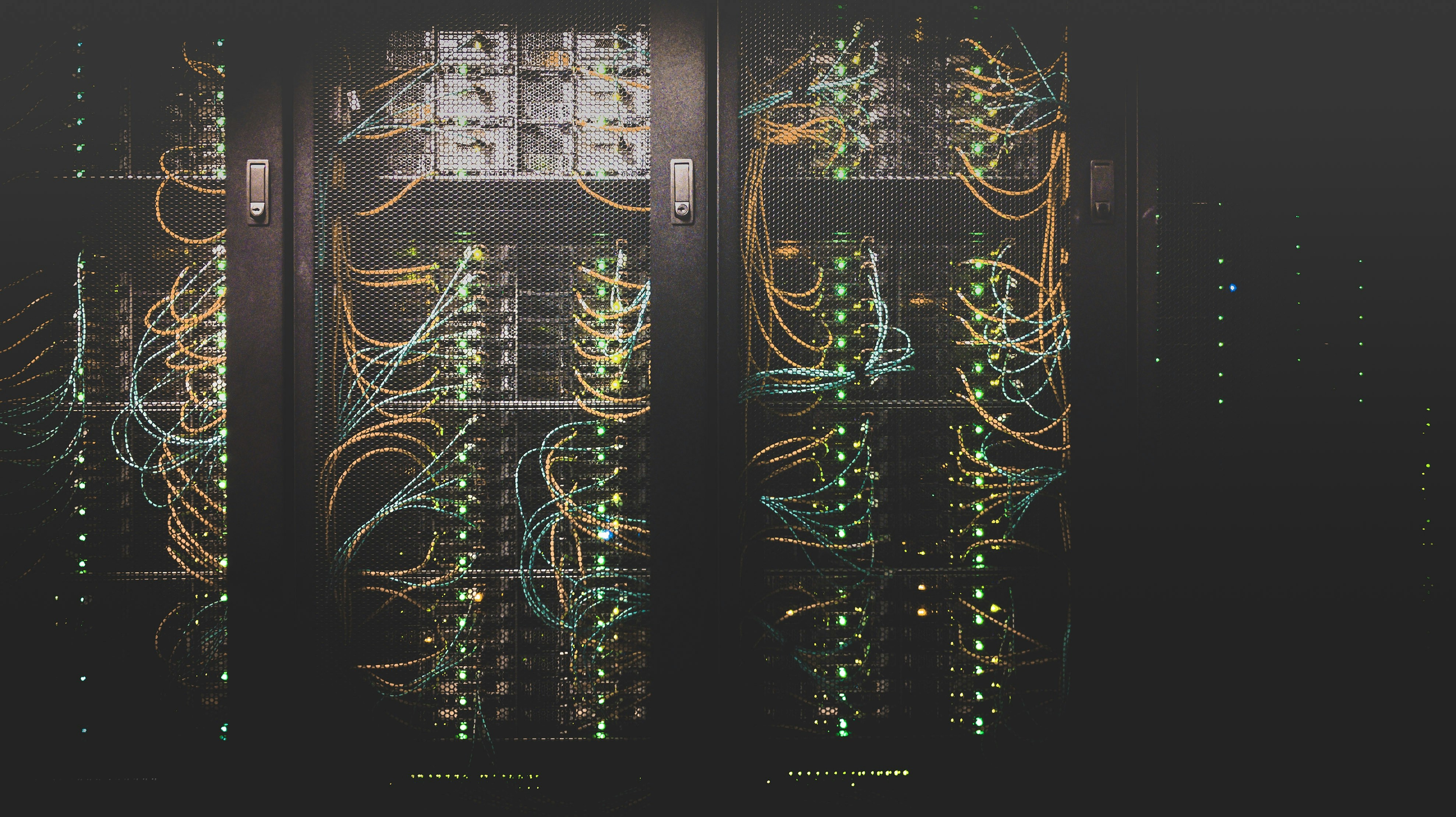
This isn't a standard supply chain hiccup; it is a structural shift in how silicon is allocated. The primary culprit is the meteoric rise of generative AI. Manufacturers like Samsung, SK Hynix, and Micron are aggressively shifting their production lines away from standard consumer DRAM (the memory in your laptop) toward High-Bandwidth Memory (HBM) required for AI accelerators.
The "Manufacturing Capacity Ratio" tells the story: producing 1GB of HBM requires approximately four times the wafer capacity of 1GB of standard DDR5 DRAM. Because AI chips offer 4 to 10 times higher profit margins for manufacturers, the consumer market is being starved of resources.
Key Statistic: AI infrastructure is projected to consume nearly 20% of global DRAM capacity by 2026, creating a massive supply vacuum for consumer electronics.
Understanding 'RAM Shrinkflation'
To maintain the psychological price points that consumers expect—the $599 entry-level or the $999 "pro" tier—manufacturers like Dell, HP, and Lenovo are being forced to compromise on internal specifications. This is the essence of RAM Shrinkflation. Where 16GB of RAM was rapidly becoming the industry floor for a fluid Windows 11 experience, 2026 models are expected to revert to 8GB as the "standard" configuration for mid-range machines.
The cost to upgrade that memory will be staggering. Enterprise-grade projections indicate that Dell is expected to charge a premium of up to $230 for 32GB RAM configurations in its 2026 Latitude and Precision lines—a price jump that far outstrips the actual component cost increase.
| Feature | 2025 Mid-Range Laptop (Typical) | 2026 Mid-Range Laptop (Projected) |
|---|---|---|
| Base Price | $799 - $849 | $899 - $949 |
| Standard RAM | 16GB LPDDR5 | 8GB LPDDR5x |
| 32GB Upgrade Cost | +$100 - $150 | +$230 - $300 |
| Storage (SSD) | 512GB NVMe | 512GB (Slower QLC NAND) |
Critical Market Data: High-end memory configurations, particularly 128GB workstations, are expected to see unit price jumps of $520 to $765 by the end of 2026.
The Perfect Storm: The Windows 10 Support Cliff
The memory shortage is colliding with a massive forced migration. Microsoft has set the End of Support (EOS) for Windows 10 for October 2025. This creates a "support cliff" that will render hundreds of millions of PCs obsolete or insecure overnight.
Approximately 500 million PCs currently in use lack the TPM 2.0 or CPU requirements to officially run Windows 11. This will trigger one of the largest hardware refresh cycles in history exactly as RAM prices are peaking. The resulting surge in demand will give manufacturers even less incentive to lower prices, as corporate IT departments scramble to replace aging fleets regardless of the cost.
Projected 2026 Price Hikes by Category
While every sector of the tech market will feel the pinch, the impact will be uneven. We anticipate the following shifts in the 2026 pricing landscape:
- Business Laptops: Expect a 15-20% baseline price increase for enterprise mainstays like the Lenovo ThinkPad and HP EliteBook. These brands are most sensitive to the DRAM supply chain.
- Gaming Laptops: While GPUs (Graphics Units) are stabilizing, the VRAM and system RAM costs will push mid-tier gaming rigs (RTX 50-series era) well above the $1,200 mark.
- Consumer Tablets & Smartphones: Manufacturers will likely use "shrinkflation" on other components, such as using lower-quality camera sensors or dimming display brightness, to offset the soaring cost of the internal memory modules.

How to Beat the 2026 Hardware Crunch
Navigating this market requires a tactical shift. Instead of waiting for the "next big thing," the data suggests that securing current-generation high-spec hardware is the more fiscally responsible move.
- The 'Pull-Forward' Strategy: Aim to complete your hardware refresh in late 2025. This allows you to secure 16GB or 32GB configurations before the 2026 supply constraints fully manifest in retail pricing.
- Prioritize RAM Over CPU: In the current market, a slightly older CPU paired with 32GB of RAM will vastly outperform a 2026 "AI-enabled" CPU crippled by only 8GB of RAM. If you find a deal on a 32GB machine now, take it.
- Audit the Refurbished Market: Enterprise lease cycles (typically 3 years) mean that high-quality, 32GB-equipped machines from 2022 and 2023 are hitting the refurbished market now. These represent the best value-to-performance ratio currently available.
FAQ
Will RAM prices drop in late 2026?
Unlikely. While semiconductor cycles are usually cyclical, the demand for AI HBM is structural. Unless there is a massive expansion in global wafer fabrication capacity (which takes years to build), memory will remain a premium commodity through 2027.
Is 8GB of RAM enough for a 2026 laptop?
For basic web browsing, perhaps. However, for a modern workflow involving Windows 11, Chrome with multiple tabs, and background AI tools (like Microsoft Copilot), 8GB will lead to significant "paging" and system slowdowns. 16GB should be considered the absolute minimum.
How does this affect gaming consoles and GPUs?
Console manufacturers (Sony/Microsoft) typically sign multi-year fixed-price contracts for memory, so immediate console price hikes are less likely. However, standalone GPUs and mid-cycle "Pro" console refreshes will likely reflect these higher component costs.
Conclusion
The hardware market of 2026 will not be the buyer-friendly environment we have enjoyed over the last decade. Between the "AI Tax" on memory and the Windows 10 migration, the leverage has shifted entirely to the manufacturers. If your current machine is showing its age, the most objective advice is to act sooner rather than later. By securing a high-memory configuration in late 2025, you insulate yourself from the "shrinkflation" and price hikes that are currently being baked into the next generation of computing.