I’ve spent the better part of the last decade dragging technology through places it was never meant to go. From the humid, gear-eating jungles of Borneo to the bone-dry, abrasive sands of the Gobi Desert, I’ve seen "premium" smartphones turn into expensive paperweights in seconds. We’ve all been there: a sudden torrential downpour turns your pocket into a puddle, or a simple fumble onto a granite slab results in a spiderweb of shattered glass. In 2026, the gap between a phone that looks tough and a phone that is tough has never been wider.
The Survival Gap: Why Your Flagship Might Not Last the Weekend
Most of you are walking around with a $1,200 glass sandwich in your pocket. These modern flagships are engineering marvels, sure, but they are fundamentally fragile. When we talk about durability, the industry likes to hide behind acronyms and certifications that most people don't fully grasp until their screen goes black mid-expedition.
Here is the cold, hard reality: IP68 protection, which is standard on most high-end devices, is designed to survive a 30-minute soak in 1.5 meters of calm, fresh water. It is not a license to go cliff diving or power-wash your device. For those of us who live off-the-grid, the new gold standard for 2026 is IP69K, which adds protection against high-pressure, high-temperature water jets and steam cleaning. If you’re serious about the outdoors, that "K" is the difference between a device that survives a monsoon and one that dies from internal condensation.
Furthermore, let’s kill a dangerous myth right now: No IP rating covers saltwater. Salt is highly corrosive. It eats through rubber seals and crystallizes on circuit boards. If your phone takes a dip in the ocean, an IP68 rating won't save you from a voided warranty and a dead battery within a week.
Decoding the Code: What IP Ratings Actually Mean in 2026
When you’re looking at the most durable Android phones of 2026, you’re going to see "IP" followed by two numbers. It’s a simple code, but the implications are massive for your gear's lifespan.
- The First Digit (Solid Protection): This ranges from 0 to 6. A '6' means the device is "dust-tight." No grit, no sand, no fine silt from a dried-up riverbed is getting inside. In my experience, if a phone isn't a 6, it shouldn't be in your hiking pack.
- The Second Digit (Liquid Protection): This is where it gets tricky. An '8' handles immersion. A '9' (or 9K) handles pressure.
While 85% of premium flagships currently offer IP68 protection, less than 10% of the market meets the IP69K industrial standard for high-pressure resistance. In the wild, water doesn't just sit still; it falls, it splashes, and it sprays.
| IP Rating | Dust Protection | Water Protection | Real-World Scenario |
|---|---|---|---|
| IP67 | Dust-tight | 1m immersion (30 mins) | Dropping it in a shallow puddle. |
| IP68 | Dust-tight | 1.5m+ immersion (30 mins) | Surviving a fall into a mountain lake. |
| IP69K | Dust-tight | High-pressure/High-temp jets | Surviving a direct hit from a pressure washer or extreme storm. |
The "K" factor is the new benchmark for 2026. It was originally developed for road vehicles that needed to withstand intensive cleaning, but it has transitioned into the rugged phone space because it guarantees a level of seal integrity that standard immersion tests simply can't match.
Saltwater & Aging: The Fine Print Your Warranty Won't Tell You
I’ve had readers message me in a panic because their "waterproof" phone died after a quick selfie in the surf. Listen closely: the International Electrotechnical Commission (IEC) tests are conducted with fresh water. Saltwater is a completely different beast. It’s an electrolyte that facilitates short circuits and causes "crevice corrosion" in charging ports.
⚠️ SALTWATER WARNING: Never intentionally submerge your phone in the ocean. If it does get splashed, rinse it immediately with fresh water and dry it thoroughly. Saltwater damage is almost always excluded from manufacturer warranties, regardless of the IP rating.
Another factor we often overlook is seal degradation. Those rubber gaskets and adhesive strips that keep the water out don't last forever. Heat, UV exposure, and even the natural oils from your skin cause them to lose elasticity. By the time your phone is two years old, that IP68 rating is likely a "suggestion" rather than a guarantee. Ruggedized phones combat this by using thicker, chemical-resistant materials, but for a standard flagship, your 24-month-old device is a drowning risk.
Top Rugged Picks for 2026: Built for the Extremes
After putting dozens of units through the wringer—literally—these are the devices that currently define durability in 2026.
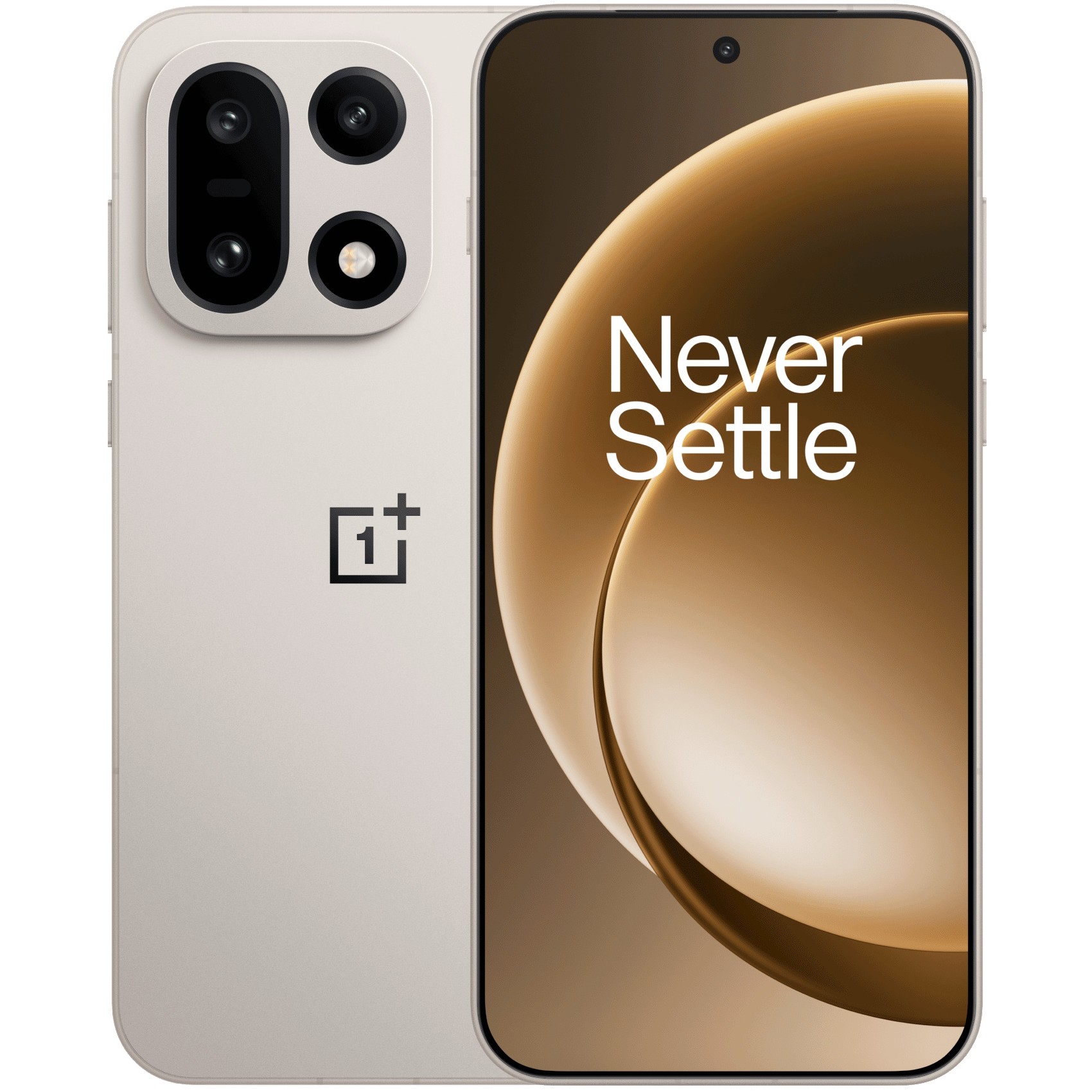
Best Overall (Consumer-Friendly): OnePlus 15
OnePlus has made a massive pivot. They realized that high-end users are tired of "fragile" luxury. The OnePlus 15 is one of the few mainstream flagships to adopt the IP69K rating without looking like a brick.
- Pros: Snapdragon 8 Elite power, stunning display, and industrial-grade water resistance.
- Cons: Still features a glass back (Victus 2), so a case is mandatory for drop protection.
- Verdict: The best "normal" phone for someone who spends weekends in the rain.
Best for Navigation & Portability: LAGENIO Panther Series
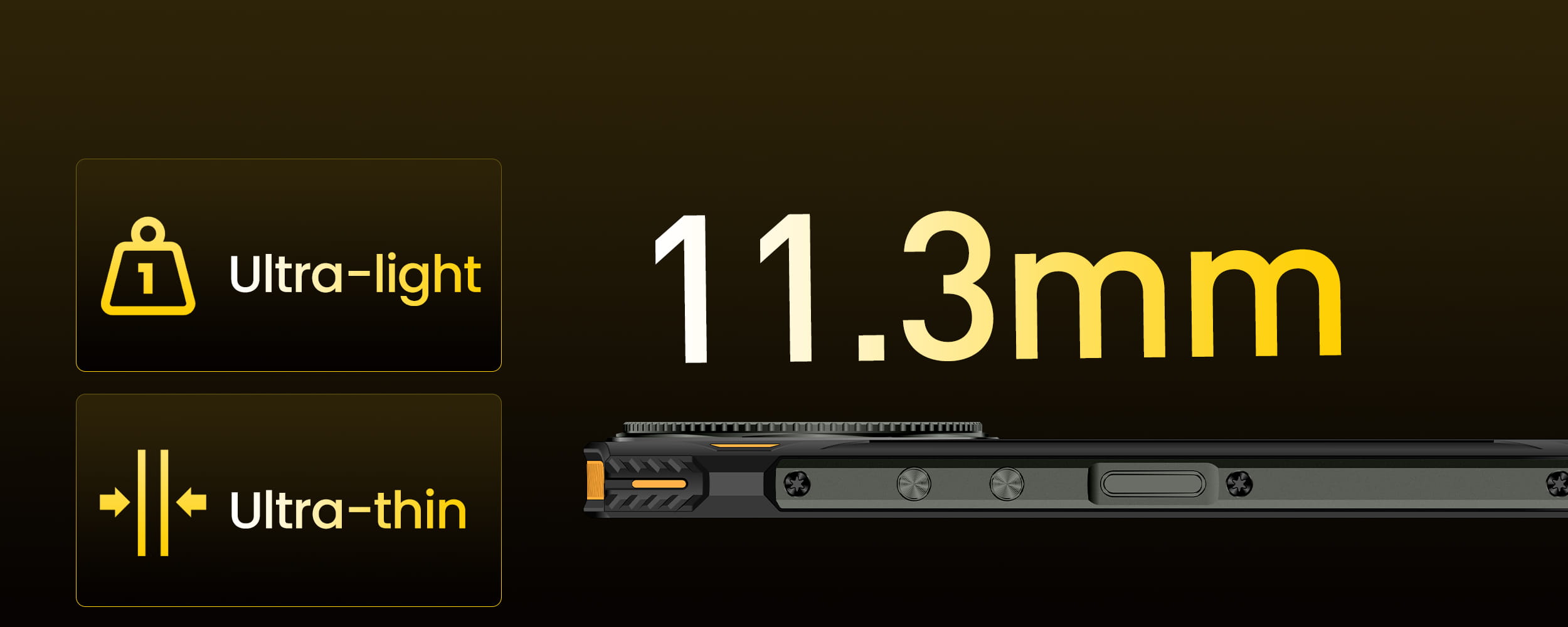
The Panther series is the "sleeper hit" of 2026. Most rugged phones are ridiculously bulky, but LAGENIO has managed to pack elite durability into a chassis that's only 11.3mm thick and weighs 266g.
- Pros: Incredible GPS stability (dual-band L1+L5), dedicated SOS button, and a glove-friendly screen.
- Cons: Mid-range camera performance compared to flagships.
- Verdict: My top choice for long-distance hikers who need a reliable lifeline without the weight.
Best for Professional Utility: Blackview BL9000 Pro
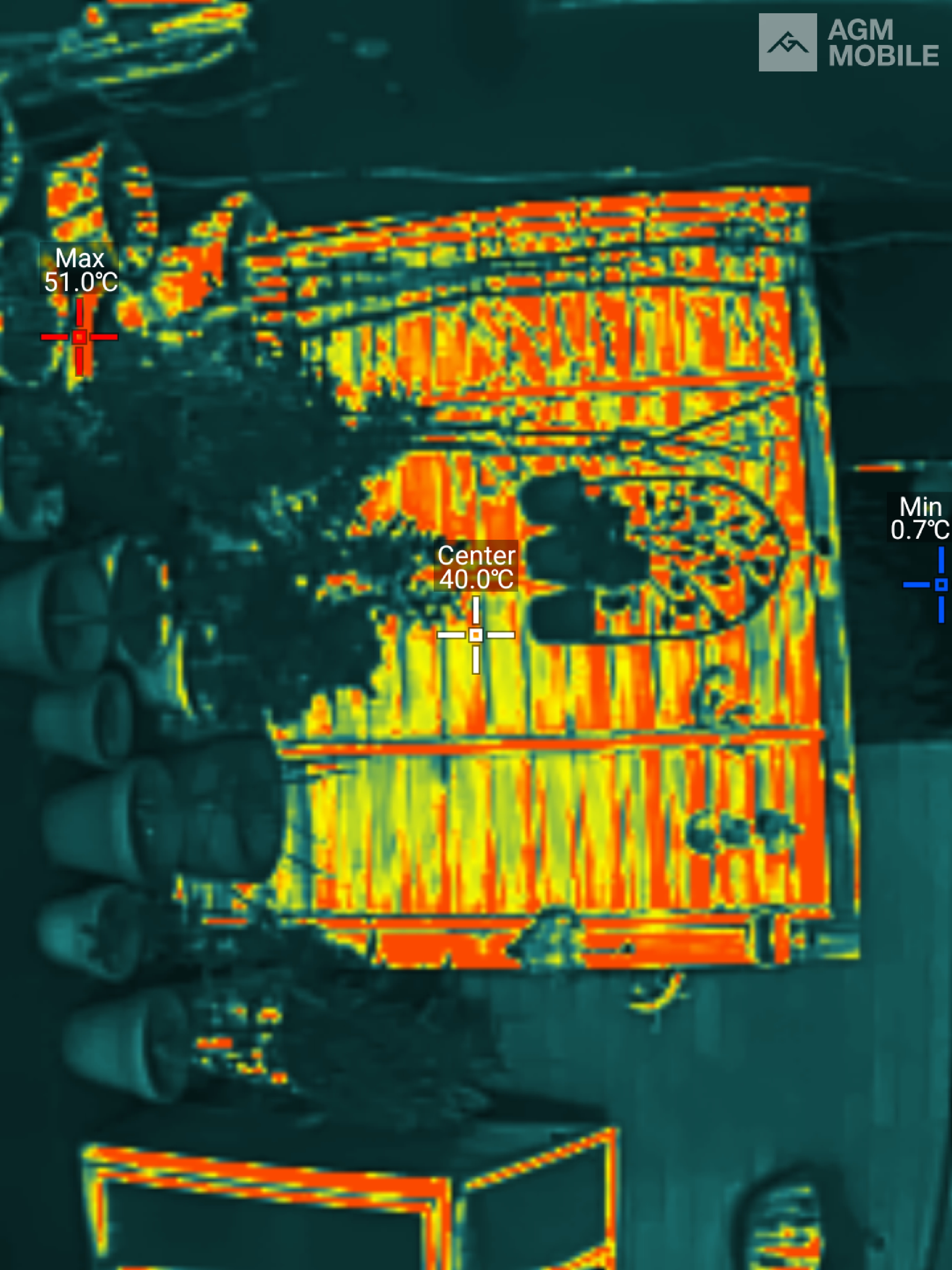
If your "outdoor adventure" involves search and rescue or heavy construction, the BL9000 Pro is a tool, not just a phone. It integrates a high-resolution FLIR thermal imaging sensor directly into the back.
- Pros: Thermal imaging, 5G speeds, and a massive 8,800mAh battery.
- Cons: It’s heavy. You’ll definitely feel this in your pocket.
- Verdict: Essential for pros who need to see heat signatures or find electrical faults in the field.
Best for Extreme Battery Life: Doogee V Max Pro
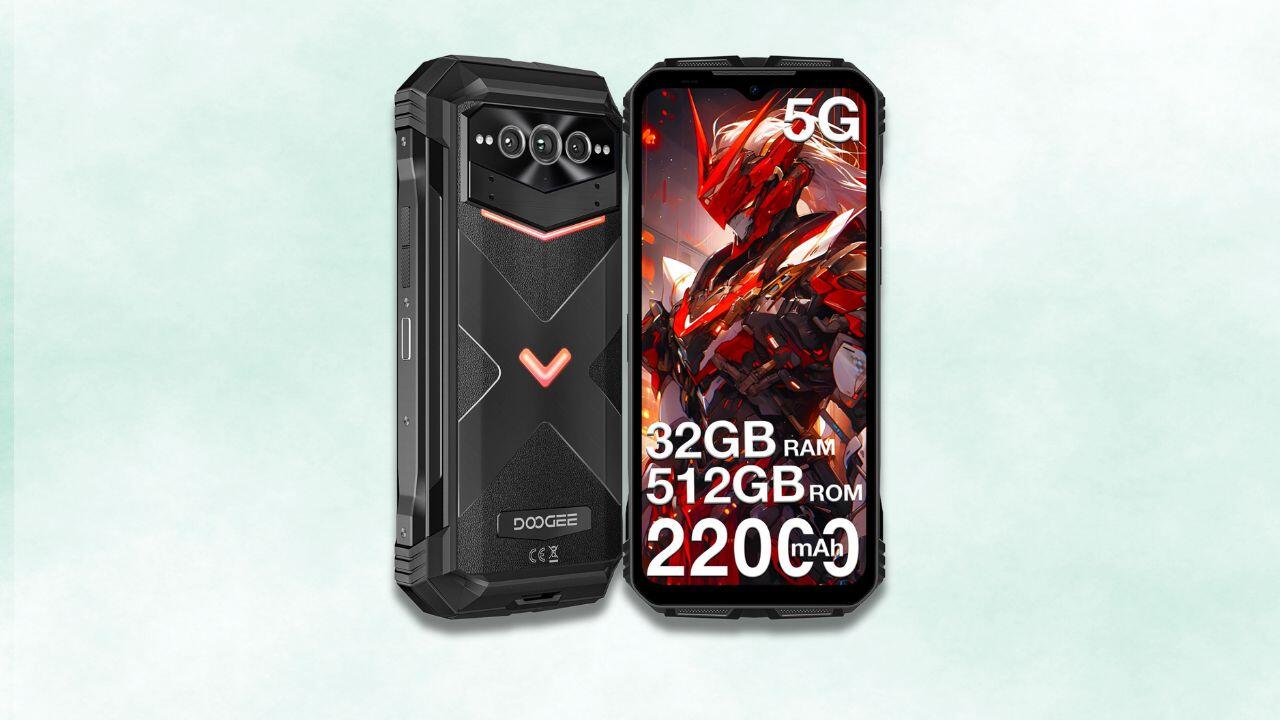
For the purists who go off-grid for weeks, the V Max Pro is legendary. It houses a 22,000mAh monster battery. To put that in perspective, that’s roughly four to five times the capacity of a standard Samsung or Google phone.
- Pros: Up to 10 days of moderate use, reverse charging (can charge your friends' phones).
- Cons: It’s essentially a power bank with a screen. Very thick.
- Verdict: The ultimate choice for bike-packing or remote expeditions where charging isn't an option.
Features Beyond the Rating: What Makes a Phone Truly 'Rugged'?
An IP rating is just one piece of the puzzle. If you drop an IP68-rated iPhone onto a rock, the screen will still shatter. To be truly "rugged," a phone needs to survive more than just moisture.
MIL-STD-810H Certification
This is a military-grade testing standard. If a phone claims this, it means it has been subjected to extreme temperature shocks, low-pressure (altitude) tests, and—most importantly—repeated drops onto concrete from 1.5 meters. Look for reinforced corners and raised bezels; these are the "crumple zones" for your screen.
Battery Innovations
Advanced rugged smartphones in 2026 feature battery capacities up to 10,000mAh as a standard, providing up to 400% longer standby time than standard flagship devices. This isn't just about convenience; it’s a safety feature. If you’re stuck in a blizzard, you need a phone that stays alive for days, not hours.
Display Tech & Wet-Finger Sensitivity
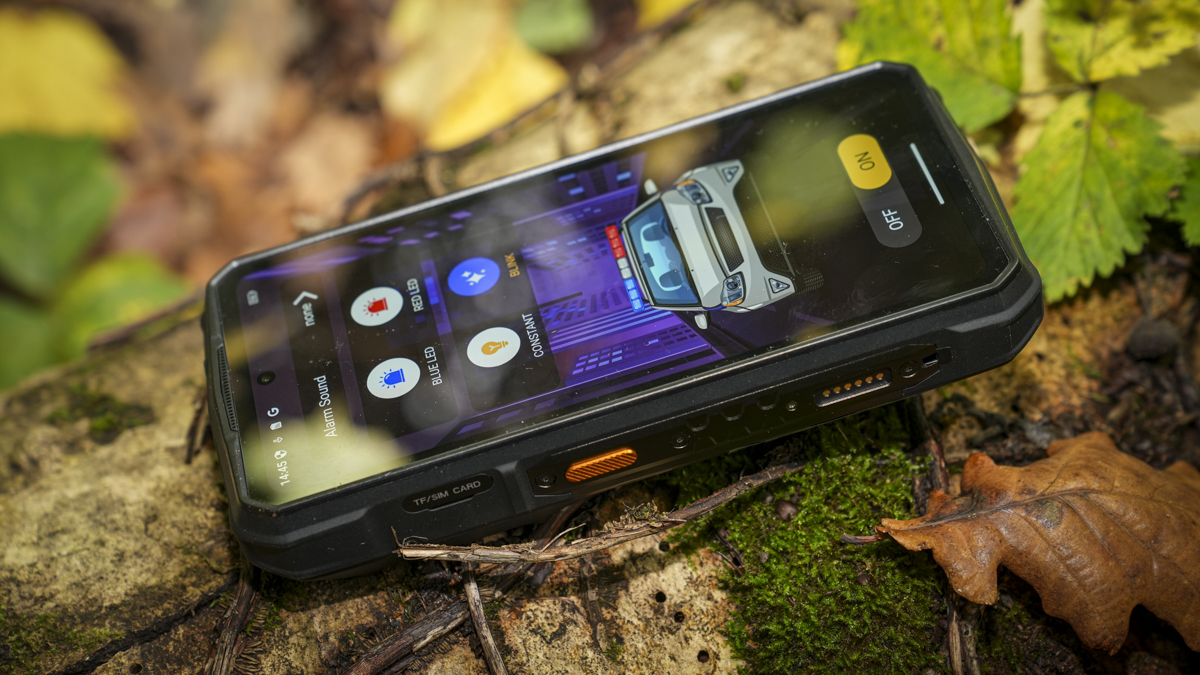
There is nothing more frustrating than trying to use a touch screen when it’s covered in raindrops. Standard phones go haywire with "ghost touches." High-end rugged picks like the LAGENIO Panther Series use specialized digitizers that can distinguish between a raindrop and a finger, even when you're wearing gloves.
Explore the LAGENIO Panther Series →
Buying Guide: Matching Your Phone to Your Mission
The "best" phone depends entirely on what you’re doing. Don't overbuy features you'll never use, but don't skimp on the ones that could save your life.
- The Weekend Hiker: You want the OnePlus 15. It’s powerful, takes incredible photos, and has enough water resistance (IP69K) to handle any storm.
- The Multi-Day Trekker: Go for the LAGENIO Panther. The dual-band GPS is a game-changer for navigation in deep canyons or dense forest where signals usually bounce.
- The Field Professional: The Blackview BL9000 Pro is your best bet. The thermal imaging is more than a gimmick; it’s a vital diagnostic tool.
- The Extreme Expeditionist: If you’re crossing the Darien Gap or cycling across a continent, the Doogee V Max Pro is the only device that won't give you battery anxiety.
FAQ
Q: Can I use my IP68 phone for underwater photography? A: I wouldn't recommend it without a dedicated waterproof housing. IP68 is for "accidental" immersion. The pressure of moving through water (dynamic pressure) is higher than just sitting at 1.5 meters (static pressure), which can force water past the seals.
Q: Do rugged phones have bad cameras? A: In the past, yes. But in 2026, brands like Blackview and LAGENIO are using 50MP and 108MP Sony sensors. They may not beat a Pixel in software processing, but the raw hardware is now very competitive.
Q: Is "Waterproof" the same as "Water Resistant"? A: No. No phone is truly 100% waterproof forever. "Water resistant" is the more accurate term, as all seals eventually fail under enough pressure or time.
Ready to Gear Up?
Choosing a durable phone is about more than just reading a spec sheet—it's about peace of mind. Whether you're a professional working in harsh environments or an adventurer seeking the next peak, your tech should be the last thing you worry about.
My advice? Look for that IP69K rating and don't ignore the importance of GPS stability. Stay safe out there, and I’ll see you on the trail.