I’ve spent the better part of a decade lugging heavy tripods and oversized optical tubes into some of the most remote corners of the world. From the high deserts of Chile to the damp peaks of the Pacific Northwest, I’ve always been chased by the same frustration: the sheer barrier to entry of traditional astrophotography. For years, if you wanted a clear shot of the Orion Nebula, you needed a PhD in polar alignment, a car full of gear, and the patience of a saint.
Space exploration has always been just a little out of reach for the average adventurer—until now. The Dwarf 3 smart telescope from DwarfLab isn't just an incremental upgrade; it’s a total paradigm shift. It’s a device that weighs just 1.3kg (about the same as a light rain jacket), fits into a small shoulder bag, and handles the complex math of star tracking and image stacking through an intuitive mobile app. Whether you’re a hiker wanting to capture the Milky Way from a backcountry camp or a backyard observer tired of fumbling with counterweights in the dark, the Dwarf 3 is the most accessible gateway to the stars I've ever tested.
1. Design & Portability: A Telescope That Fits in Your Backpack
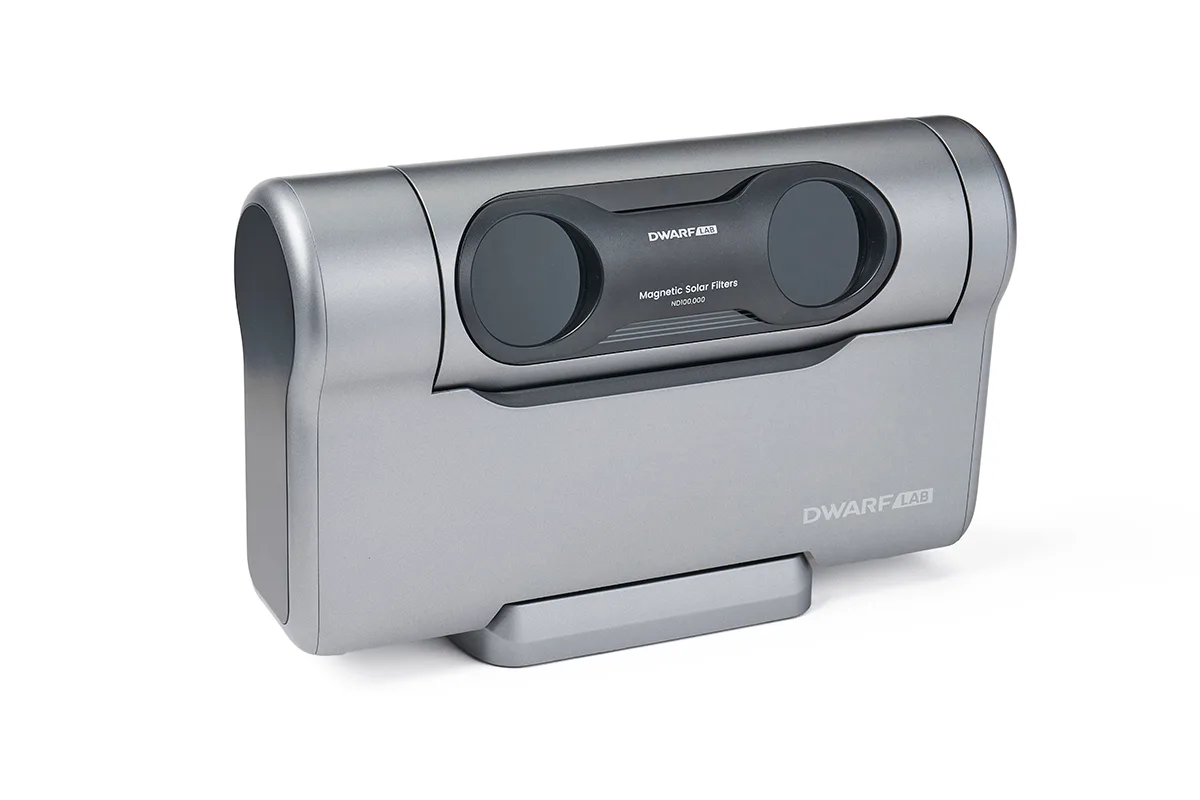
When I first unboxed the Dwarf 3, my immediate thought was: This can't be a telescope. It looks more like a high-end portable speaker or a futuristic projector than a piece of astronomical equipment. But that’s the beauty of it. Traditional telescopes are delicate, long, and awkward. The Dwarf 3 is built for the move.
The unit weighs a mere 1.3kg. To put that in perspective, that’s lighter than many professional camera lenses. It’s designed to be tossed into a backpack without a second thought. During a recent trek into the North Cascades, I slipped the Dwarf 3 into my side pocket where I usually keep a water bottle. Being able to hike five miles to a dark-sky site without feeling like a pack mule is a luxury I didn’t think was possible in this hobby.
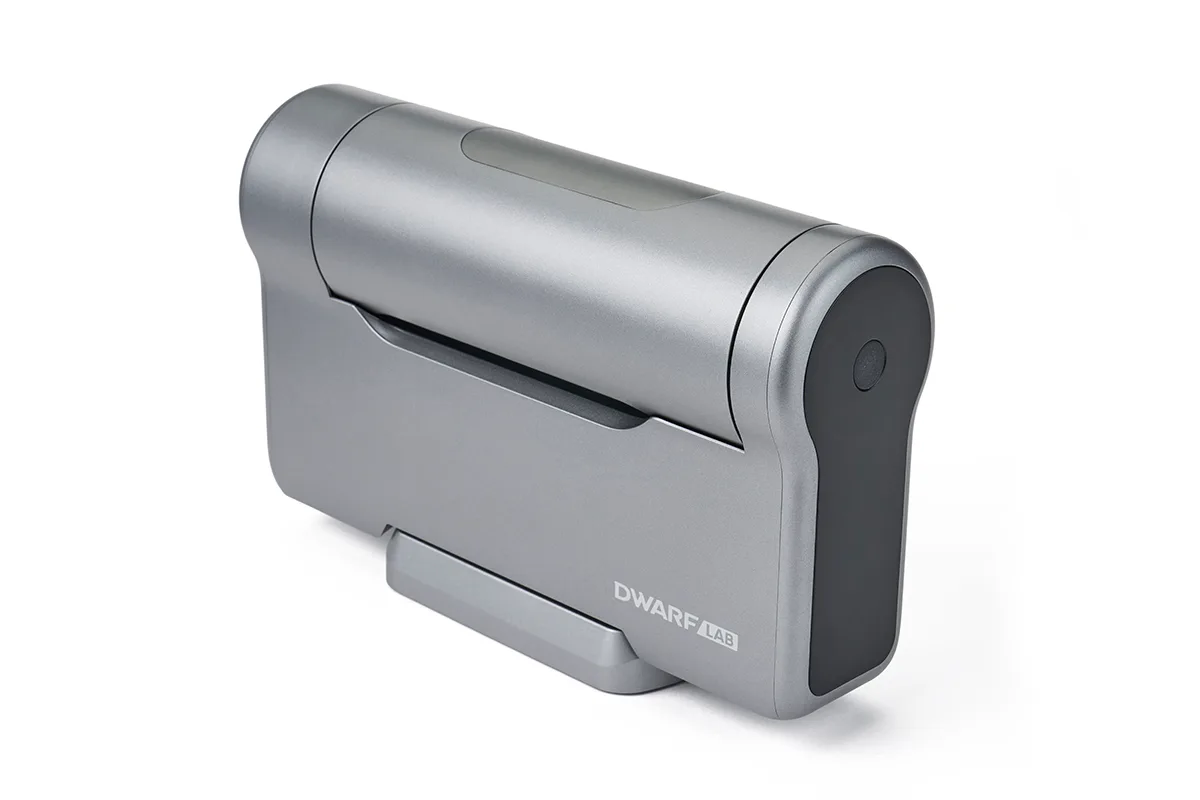
But don't let the compact size fool you. Under the hood, this device is a powerhouse of integrated technology. DwarfLab has packed a 10,000mAh high-capacity battery into the frame, providing enough juice for an entire night of shooting—roughly 6 to 8 hours of continuous tracking. They’ve also ditched the need for external SD cards by including 128GB of eMMC storage. This means fewer small parts to lose in the dirt and no worrying about write speeds when you’re capturing thousands of frames for a deep-sky stack.
2. Technical Specs: Punching Above Its Weight Class
The "Smart" in smart telescope comes from the marriage of high-end optics and cutting-edge sensors. The Dwarf 3 uses a dual-camera system that allows it to act as both a wide-angle finder and a powerful telephoto explorer.
At its core is a 35mm aperture and a 150mm focal length. In traditional telescope terms, that might sound modest. However, when paired with the Sony IMX678 Starvis 2 sensor—a beast in low-light performance—the Dwarf 3 achieves an equivalent focal length of 737mm. That gives you approximately 20x optical zoom compared to even the most expensive flagship smartphones on the market.
| Feature | Specification |
|---|---|
| Aperture | 35mm |
| Focal Length | 150mm (737mm Equivalent) |
| Sensor | Sony IMX678 (Starvis 2) |
| Battery | 10,000mAh Built-in |
| Storage | 128GB eMMC |
| Weight | 1.3kg (2.8 lbs) |
| Connectivity | Wi-Fi 5 / Bluetooth 5.0 / NFC |
| Filters | Built-in VIS, Astro, and Duo-band |
One of my favorite upgrades in this version is the internal filter wheel. In the past, you had to manually screw on filters, which was a nightmare in the dark. Now, with a tap on your phone, you can switch between VIS (Visual), Astro, and the new Duo-band filter. This Duo-band filter is a game-changer for urban explorers; it cuts through light pollution to bring out the vibrant reds and blues of emission nebulae, even if you’re shooting from a suburban backyard.
3. The Beginner’s Experience: From Box to Andromeda in Minutes
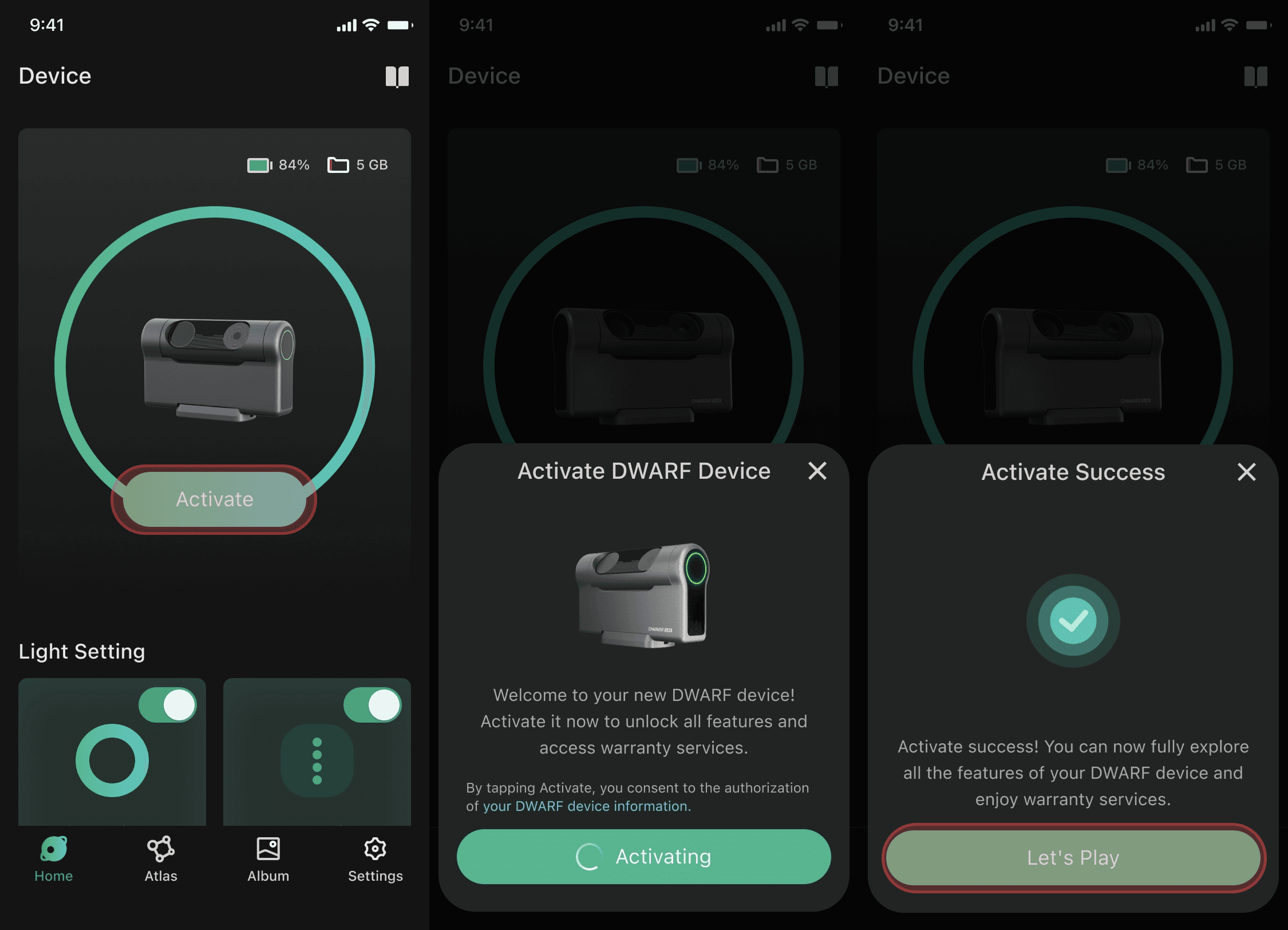
If you’ve ever tried to set up a German Equatorial Mount, you know it can take an hour just to get "aligned." With the Dwarf 3, the process is almost laughably simple. You set it down on its tripod, turn it on, and open the DwarfLab App.
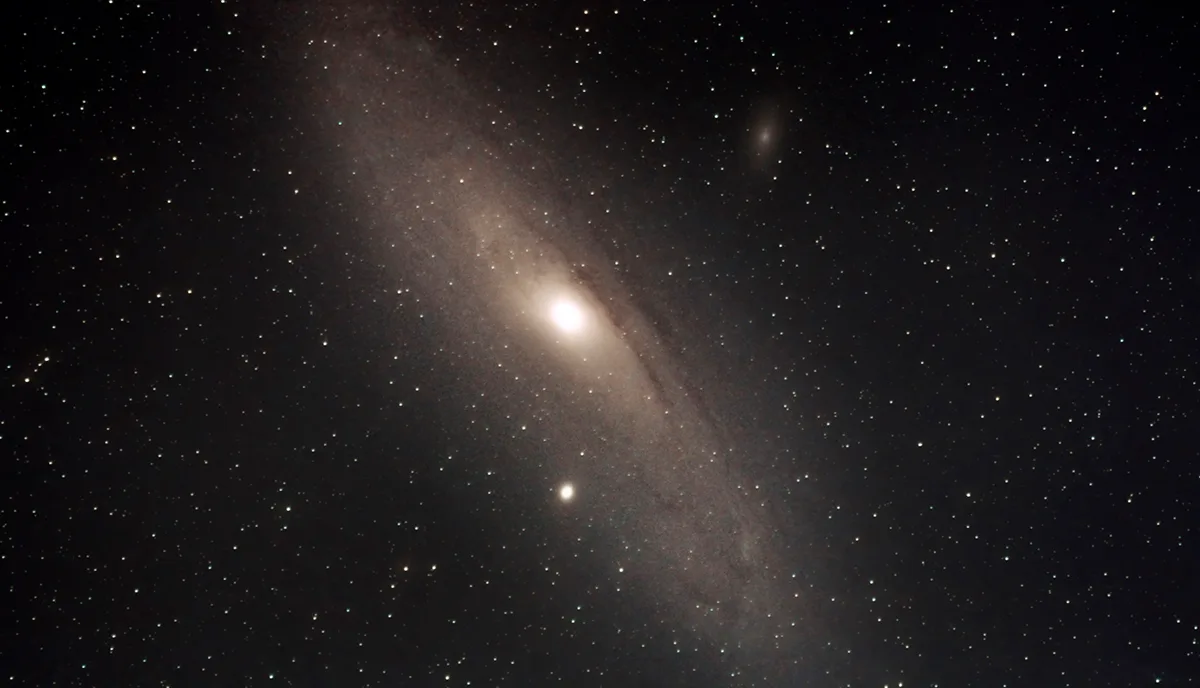
Thanks to the built-in NFC, your phone connects instantly. From there, the telescope performs what’s called "plate solving." It takes a quick photo of the sky, compares it to an internal database of stars, and figures out exactly where it’s pointing. No compasses, no leveling, no "find Polaris" stress. You simply select an object from the app's catalog—say, the Andromeda Galaxy—and the Dwarf 3 motors purr into action, centering the target in seconds.
Once it's tracking, the real magic happens: Automated Image Stacking. Because the Earth is rotating, long exposures usually result in blurry star trails. The Dwarf 3 takes hundreds of short exposures and uses AI to stack them in real-time. As you watch your phone screen, the faint smudge of a galaxy slowly transforms into a vibrant, swirling spiral. It’s an addictive experience that makes space feel tangible.
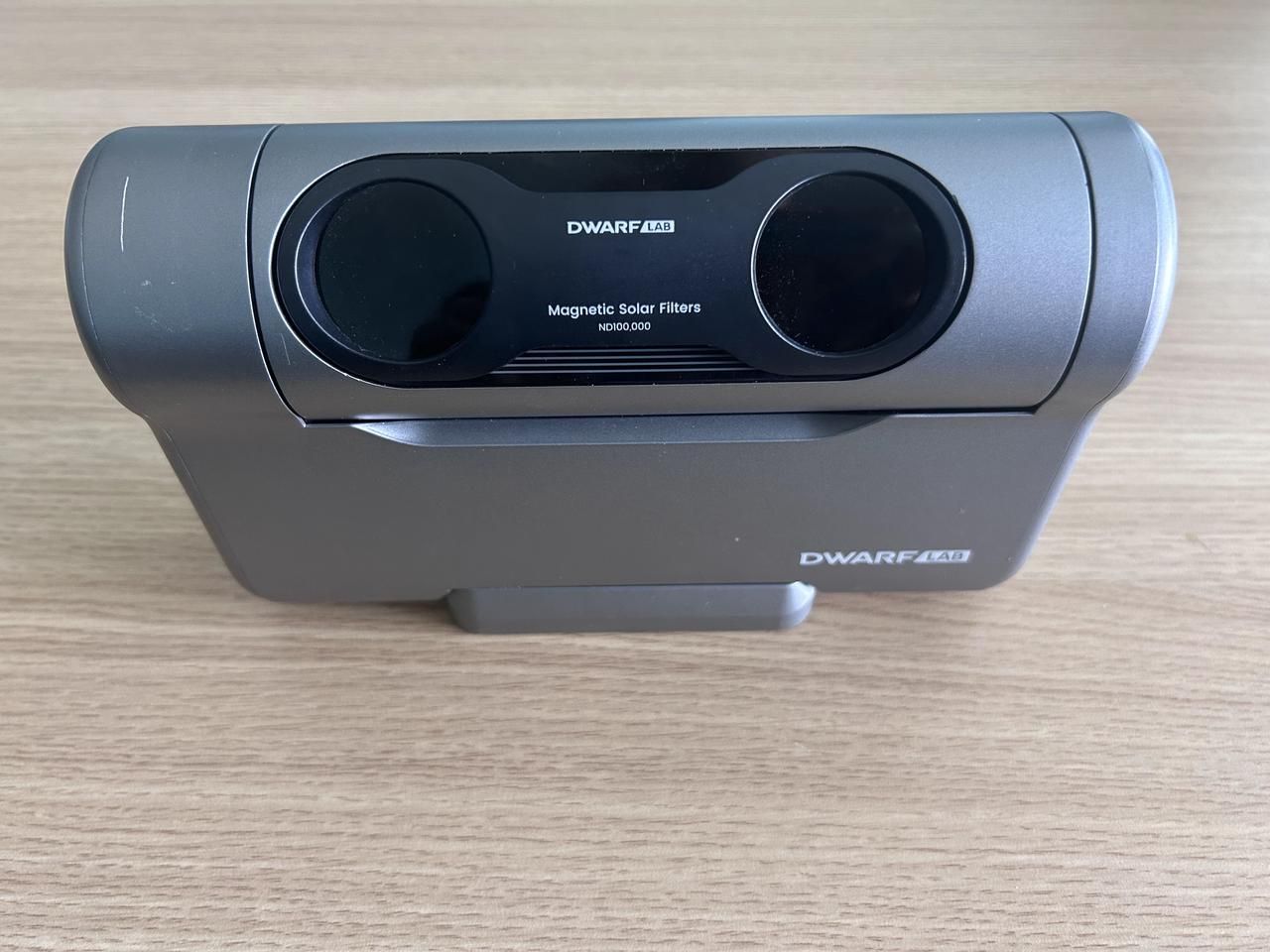
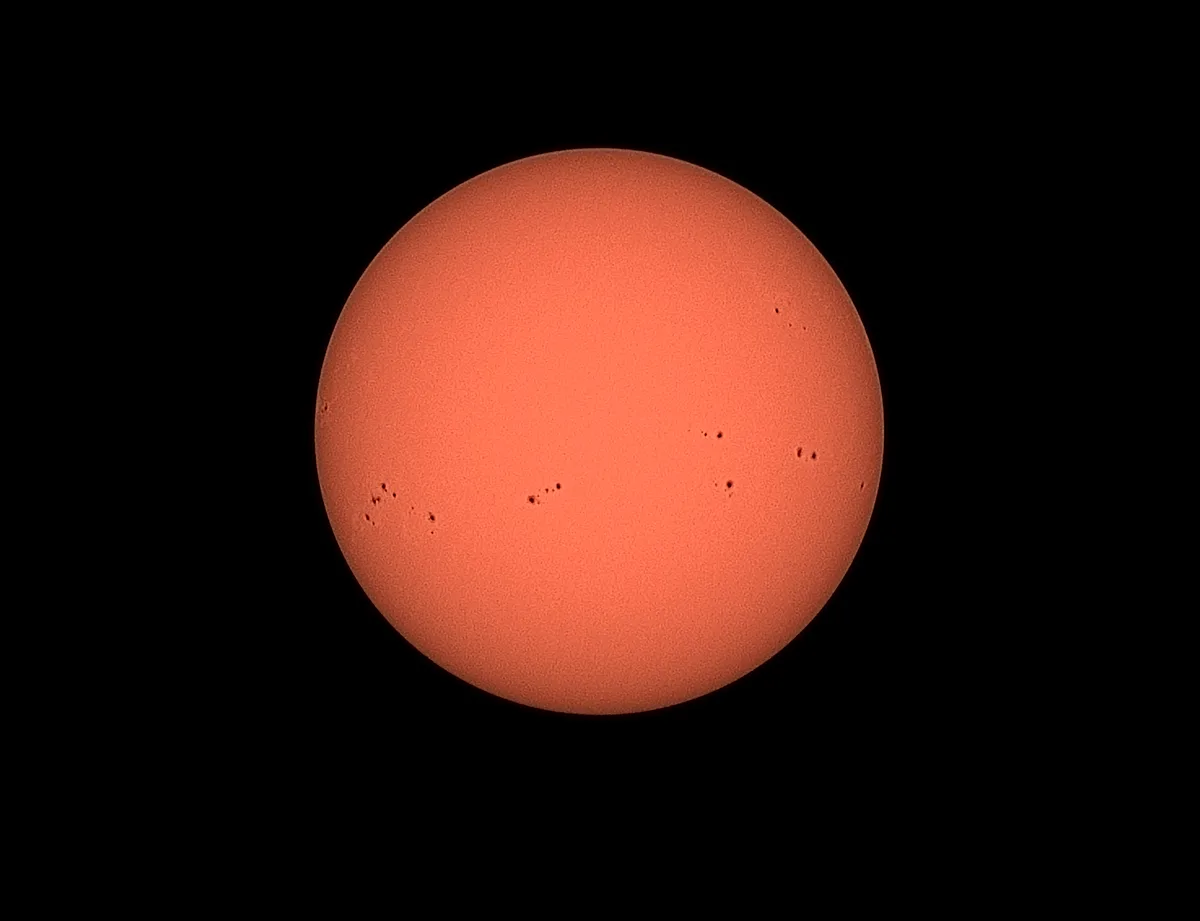
But it’s not just for the deep night. The Dwarf 3 is a 24-hour companion. Using the included magnetic solar filters, you can safely point the telescope at the sun. I’ve spent many afternoons tracking sunspots from my porch, a process that is just as automated as the star-finding. It turns a niche nighttime hobby into a versatile piece of outdoor gear.
4. Advanced Features for Growing Astronomers
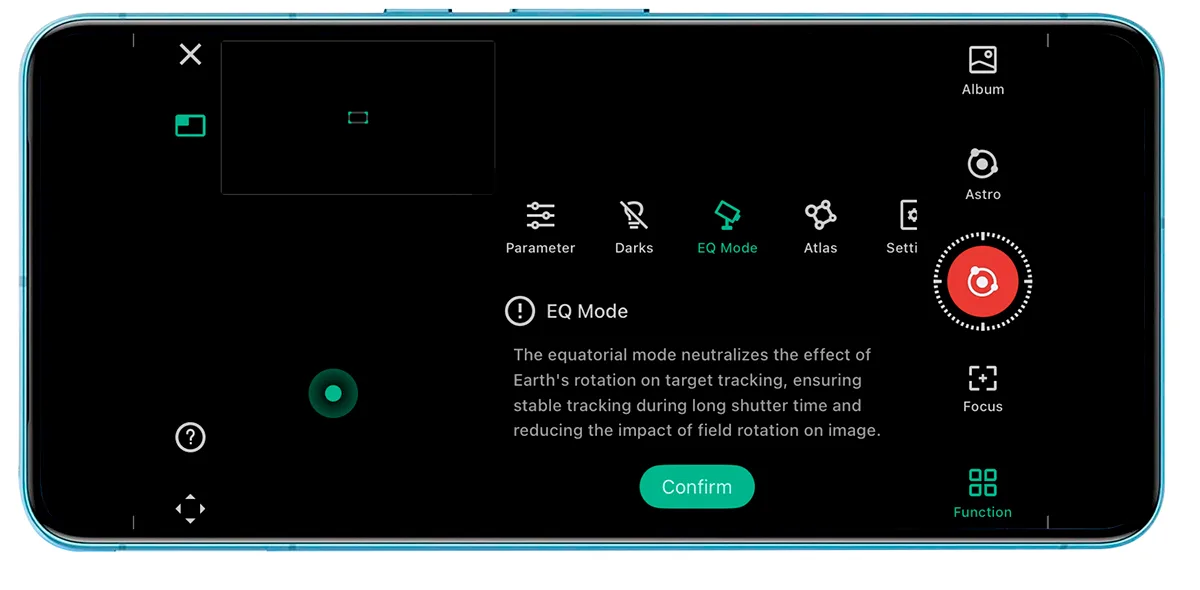
While the Dwarf 3 is marketed for beginners, it has plenty of depth for those who want to push their skills further. One of the standout additions is the new EQ Mode. By tilting the telescope at an angle (matching your latitude), you can minimize "field rotation"—a common issue with compact telescopes that causes the edges of photos to blur during very long sessions. This allows for exposures up to 60 seconds, capturing even more light from distant nebulae.
For those who want to edit their own photos, the Dwarf 3 allows you to export FITS files. These are the raw data files used by professional astronomers, giving you total control over post-processing in software like PixInsight or Adobe Lightroom.
And because I’m an outdoorsman at heart, I have to mention the Terrestrial Tracking. The AI isn't just for stars; it can lock onto birds, wildlife, or even athletes at a distance. I’ve used it to track a bald eagle across a lake, and the smoothness of the motor movement is impressive. It’s essentially a 737mm smart lens for your wildlife photography.
5. What to Consider Before Buying
No piece of gear is perfect, and it’s important to manage expectations. The Dwarf 3 is a digital telescope, meaning you view the stars on a screen, not through a glass eyepiece. If you’re looking for the "optical" experience of looking through a lens, this isn't it.
Pros & Cons
| Pros | Cons |
|---|---|
| Unbeatable Portability: At 1.3kg, it goes anywhere. | Wi-Fi Range: You need to stay within 10-15 meters for a stable connection. |
| Ease of Use: One-tap alignment and tracking. | Fixed Battery: You can't swap batteries in the field (though it supports power banks). |
| Versatility: Great for stars, the sun, and wildlife. | Small Aperture: Won't match the raw detail of a $3,000 8-inch Dobsonian. |
Comparing it to its main rival, the ZWO Seestar S50, the Dwarf 3 wins on portability and versatility. The Seestar is slightly larger and heavier, and while it has a slightly larger aperture, it lacks the dual-camera wide-field view that makes the Dwarf 3 so much easier to use for terrestrial subjects.
Conclusion: Is the Dwarf 3 Worth It?
At a price point of roughly $549, the Dwarf 3 offers the best value-for-money in the smart telescope market today. It’s not just a gadget; it’s a tool that removes the frustration from one of the world’s most difficult hobbies.
If you are a traveler who wants to capture the skies of the Sahara, a parent looking to get their kids interested in science without the technical headache, or a photographer looking for a compact "super-telephoto" solution, this is your telescope. It’s small enough to be a permanent resident in your "go-bag" and smart enough to show you galaxies you never thought you’d see with your own eyes.
The Dwarf 3 has officially ended the era of complicated stargazing. For me, it’s become an essential piece of my outdoor kit—right next to my boots and my stove.
FAQ
1. Do I need an internet connection to use the Dwarf 3 in the wild? No! The Dwarf 3 creates its own Wi-Fi hotspot. You connect your phone directly to the telescope, so it works perfectly in remote areas with zero cell service.
2. Can I see planets like Saturn and Jupiter clearly? Yes, you can see the rings of Saturn and the moons of Jupiter. However, because the Dwarf 3 is optimized for wide-field deep-sky objects (nebulae and galaxies), planets will appear relatively small on the screen compared to a dedicated planetary telescope.
3. Is it waterproof? While the Dwarf 3 is ruggedly built for outdoor use, it is not waterproof. You should avoid using it in heavy rain or extremely misty conditions without protection.
Ready to explore the cosmos from the palm of your hand?