In the age of computational photography, where flagship smartphones boast "Pro" modes and AI-enhanced night shots, the question of whether a dedicated camera is still necessary has never been more relevant. However, as any seasoned traveler or content creator will tell you, the laws of physics are non-negotiable. Large sensors and high-quality glass capture light in a way that software simply cannot replicate.
The market in 2025 has reached a fascinating stabilization point. While high-end mirrorless systems continue to climb in price, the entry-level segment has solidified around a baseline of approximately $480 for a modern, interchangeable lens system capable of internal 4K recording. Interestingly, my recent analysis of the budget sector shows that Canon currently dominates this space, representing approximately 40% of the top-rated "cheapest but good" recommendations. For those looking to step beyond the limitations of their smartphone without spending several thousand dollars, the options have never been more refined.
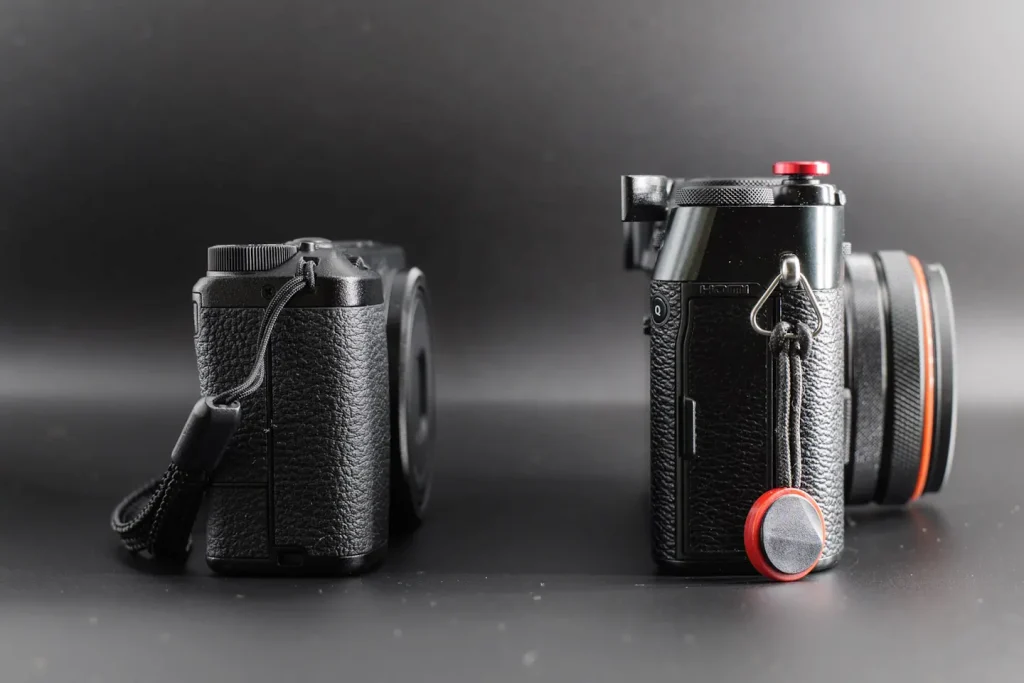
Quick Comparison: 2025 Budget Leaders
| Camera | Approx. Price | Sensor Type | Best For |
|---|---|---|---|
| Canon EOS R100 | $479 (w/ Lens) | APS-C | Pure Beginners / Photography Students |
| Olympus E-M10 IV | $599 (Body Only) | Micro Four Thirds | Travel Vloggers / Street Photography |
| Canon EOS RP | $799 (Body Only) | Full-Frame | Portraits / Low-light / Pro Aspirants |
| DJI Osmo Action 5 Pro | $349 | 1/1.3-inch | Adventure / Extreme Portability |
1. The Best Ultra-Budget Mirrorless Cameras (Under $500)
If you are operating on a strict sub-$500 budget, the landscape used to be littered with "toy" cameras and aging point-and-shoots. Today, the Canon EOS R100 has fundamentally changed that narrative. It is the absolute entry point into the modern RF mount ecosystem, providing a legitimate 24.1MP APS-C sensor at a price that challenges high-end smartphones.
The R100 isn't just about the sensor size; it's about the gateway it provides. By utilizing the RF mount, you gain access to some of the finest glass in the industry. While the camera body itself is minimalist—lacking a touchscreen or a flip-out monitor—its ability to produce professional-grade still images is undeniable. In side-by-side comparisons, the dynamic range and natural color science of the R100 consistently outperform any mobile device, particularly in challenging high-contrast environments.
Why We Like It:
- The Price Point: Frequently found bundled with a kit lens for under $500.
- Weight: Extremely lightweight, making it an ideal companion for long travel days.
- Simplicity: A "set it and forget it" interface that doesn't overwhelm the novice.
What to Watch Out For:
- Fixed Screen: The lack of a tilt or flip screen makes vlogging difficult.
- Crop Factor: 4K video comes with a significant crop, meaning your wide-angle lenses won't feel very wide during video recording.

2. Best Value for Vlogging and Content Creators
For those whose primary goal is video, the requirements shift. You need stabilization, a screen you can see while in front of the lens, and reliable autofocus. In my assessment, the Olympus (OM System) E-M10 Mark IV remains the gold standard for value in this category.
The "killer feature" here is the 5-axis In-Body Image Stabilization (IBIS). While most budget cameras rely on lens-based stabilization or digital cropping, the Olympus physically shifts the sensor to compensate for shaky hands. For a traveler walking through a crowded market or a vlogger recording a "day in the life," this results in buttery-smooth 4K footage that looks professional without the need for a bulky gimbal.
If you prefer a more modern hybrid approach with better autofocus tracking, the Canon EOS R50 is the alternative to beat. It offers 10-bit 4K30 video and native vertical video support, which is a massive time-saver for those producing content specifically for TikTok or Instagram Reels.
Olympus E-M10 Mark IV Highlights:
- IBIS: The best stabilization in its price class, bar none.
- Portability: The Micro Four Thirds system allows for tiny lenses, fitting the whole kit in a jacket pocket.
- Aesthetics: A beautiful, retro-styled body that feels like a premium tool.
Canon EOS R50 Highlights:
- Dual Pixel AF: Exceptional eye-tracking that stays locked on even as you move.
- Product Showcase Mode: Perfect for creators who review items on camera.
3. Affordable Full-Frame: Professional Performance for Less
There is a certain threshold in photography where the "look" of an image changes. This is usually the transition to a Full-Frame sensor. For years, this was a $2,000+ investment. Today, the Canon EOS RP sits as the absolute cheapest way to get a brand-new full-frame sensor, often retailing for approximately $799 body-only.
Why would you spend an extra $300 over an APS-C camera? The answer lies in subject separation and low-light performance. The 26.2MP sensor in the RP is significantly larger, allowing it to gather more light and create a much shallower depth of field. If you are a portrait photographer wanting that creamy, blurred background (bokeh) or a travel photographer shooting inside dimly lit cathedrals, the RP is a transformative upgrade.
Critic’s Tip: If you can stretch your budget to the RP, do it. While the battery life is modest, the jump in image quality from a small sensor to a full-frame sensor is the single biggest "pro" leap a beginner can make.
Key Performance Specs:
- Sensor: 26.2MP Full-Frame CMOS.
- Processor: DIGIC 8.
- Mount: RF Mount (Compatible with EF lenses via an inexpensive adapter).

4. The 'Lofi' and Specialty Budget Options
Not every "good" camera needs to have the highest resolution or the fastest autofocus. Sometimes, the value lies in the experience or a specific niche use case.
For parents or those who want to disconnect, the Camp Snap Screen-Free Digital Camera ($70) has become a cult favorite. It forces you to focus on the moment rather than the screen, delivering a film-like aesthetic that is perfect for casual travel memories.
In the action category, the DJI Osmo Action 5 Pro has disrupted the budget market by offering nearly the same performance as top-tier GoPro models but often at a more aggressive price point. It is rugged, waterproof, and features a magnetic mounting system that makes it far more versatile for solo travelers than a traditional mirrorless camera.
Finally, for the absolute bottom of the price bracket, the Kodak Pixpro FZ45 remains the only sub-$100 compact camera worth your money. It uses AA batteries and produces images that, while not "professional," have a distinct Y2K aesthetic that is currently trending in street photography and social media.

5. The Used Market Hack: Getting Pro Gear on a Micro Budget
If you are willing to look at gear from 10 years ago, your dollar goes incredibly far. Professional photographers used these tools to shoot magazine covers and weddings; they are more than capable of handling your vacation photos today.
- The Nikon D700: Often found for under $400, this is a legendary full-frame DSLR known for its "magical" color rendering and tank-like build quality. It doesn't do video, but for pure photography, it remains a masterpiece.
- The Canon 5D Mark II: The camera that started the DSLR video revolution. You can find these for around $300. It offers a professional full-frame look and access to decades of cheap, high-quality EF lenses.
The benefit of buying used professional gear isn't just the sensor; it's the build quality. You get weather sealing, dual card slots, and physical buttons for every setting—features that are stripped away from modern entry-level "plastic" cameras.
Buyer’s Guide: What to Look for When Every Dollar Counts
When you are shopping on a budget, every compromise matters. Here is how to prioritize your spending:
- Sensor Size vs. Megapixels: Do not be fooled by high megapixel counts on tiny sensors. A 12MP Full-Frame sensor will almost always produce a "better" looking image than a 40MP sensor in a smartphone or a cheap point-and-shoot. Look for sensor size (Full-Frame > APS-C > Micro Four Thirds).
- The Ecosystem Trap: The camera body is just the start. Before committing to a brand, look at the price of their "nifty fifty" (a 50mm f/1.8 lens). If the lenses are all $500+, that budget camera body will eventually become a very expensive paperweight.
- Video vs. Stills: If you want to be a YouTuber, prioritize IBIS and a flip-out screen. If you want to be a photographer, prioritize sensor size and lens selection. Trying to find a camera that does both perfectly for under $500 is difficult; identify your primary medium first.
FAQ
Q: Is a used camera safe to buy? A: Yes, provided you buy from reputable dealers like MPB, KEH, or Adorama. They inspect the "shutter count" and provide warranties, which is much safer than buying from an unverified individual on eBay.
Q: Why shouldn't I just buy a newer iPhone instead? A: An iPhone uses a tiny sensor and tries to simulate "pro" looks using software. A dedicated camera uses real optics to create depth. If you want to print your photos or have total control over the light, the camera wins every time.
Q: What is the best "all-rounder" for $600? A: The Canon EOS R50. It balances modern autofocus, great video features, and a high-quality sensor in a package that is very easy for beginners to learn.
Final Thoughts from James Wright
Choosing a budget camera in 2025 is no longer about finding the "least bad" option; it's about finding the right tool for your specific creative vision. Whether you choose the full-frame power of the Canon EOS RP or the stabilized convenience of the Olympus E-M10 IV, the most important step is to stop over-analyzing the specs and start capturing the world.