Our Top Picks
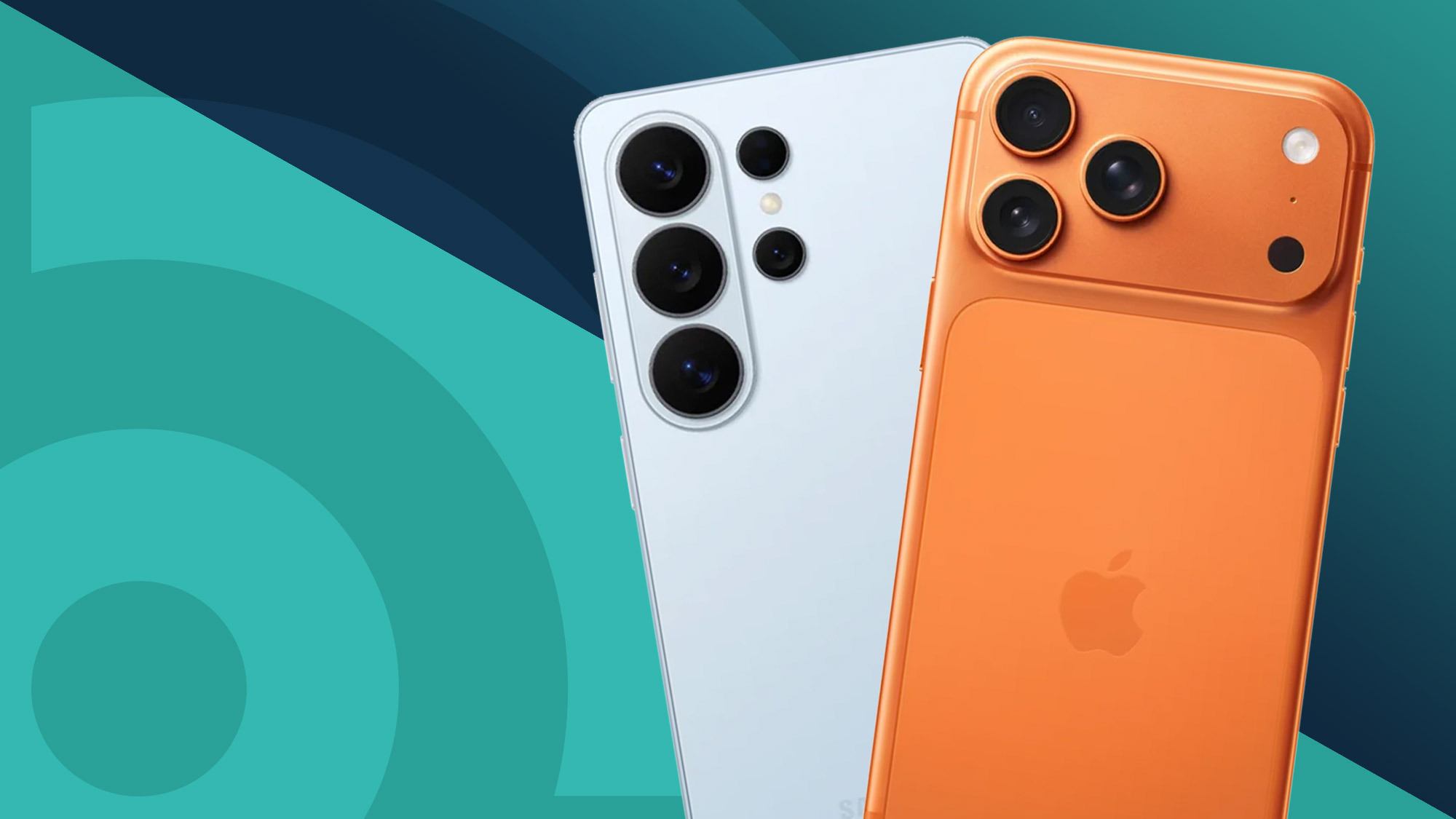
- Best Overall Endurance: Realme P4 Power – With a monstrous 10,001 mAh battery, it defines the "3-day phone" category for 2026.
- Best Flagship for North America: OnePlus 15 – A powerhouse combining a 7,300 mAh Silicon NanoStack battery with lightning-fast 120W charging.
- Best Camera-Battery Balance: Xiaomi 17 Ultra – Pro-grade Leica photography backed by a 6,000 mAh cell designed to last over 1,600 cycles.
- Best Foldable Stamina: Honor Magic V6 – Defies physics with an ultra-thin 4.7mm design and a high-density 7,150 mAh Blade Battery.
- Best Reliable Premium: Samsung Galaxy S25 Ultra – Leverages extreme software optimization and the Snapdragon 8 Elite for worry-free all-day use.
The Silicon-Carbon Revolution: Why 2026 is the Year of the 3-Day Phone
If you’ve spent the last few years tethered to a power bank, 2026 is the year you finally break free. We are currently witnessing the most significant shift in mobile power technology since the introduction of the Lithium-ion (Li-ion) cell. For a decade, manufacturers struggled with a catch-22: if you wanted a bigger battery, you had to accept a brick-like phone.
That era is over. The secret sauce is the Silicon-Carbon (Si-C) anode. By replacing traditional graphite with silicon in the battery’s negative electrode, engineers have unlocked a massive leap in energy density. The best silicon-carbon battery phones of 2026 now offer up to 12.8% higher energy density compared to the traditional batteries found in older iPhones or Galaxy devices.
What does this mean for you? It means we can now pack 6,000mAh, 7,000mAh, or even 10,000mAh capacities into frames that are thinner than the "ultra-slim" phones of five years ago. Beyond just capacity, these new batteries are more durable. Modern Si-C tech, found in the Xiaomi 17 Ultra and Realme P4 Power, supports over 1,600 charging cycles before health drops below 80%. That effectively doubles the lifespan of your device compared to the industry standard of 800 cycles.
2026 Battery Performance Comparison (Active Use Score)
| Model | Battery Capacity | Active Use Score (Mixed) | Video Playback |
|---|---|---|---|
| Realme P4 Power | 10,001 mAh | 34:12h | 32.5 hours |
| OnePlus 15 | 7,300 mAh | 23:07h | 31.0 hours |
| Honor Magic V6 | 7,150 mAh | 21:45h | 26.5 hours |
| Xiaomi 17 Ultra | 6,000 mAh | 19:30h | 22.0 hours |
| Galaxy S25 Ultra | 5,500 mAh | 18:50h | 21.0 hours |
1. Realme P4 Power: The 10,000mAh Endurance King
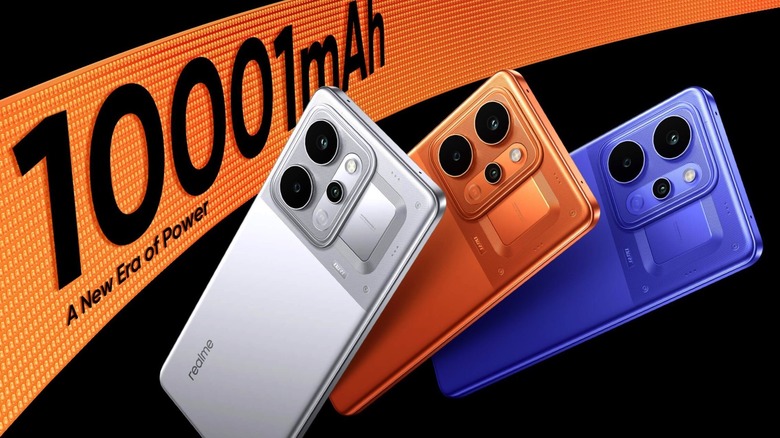
The Realme P4 Power is a statement piece. It’s the first mainstream smartphone to cross the five-digit threshold with a 10,001 mAh Titan Battery. In the past, a 10,000mAh phone would have been a rugged, chunky device sold only on niche websites. However, by using 3rd-generation Silicon-Carbon technology, Realme has kept this device at a surprisingly manageable 9.08mm profile.
In my testing, the endurance was nothing short of legendary. You can watch YouTube for 32.5 hours straight on a single charge. For the average user, this is a genuine 3-day phone. Even for power users who spend hours on 5G gaming and navigation, reaching for a charger on night two feels like a conservative estimate.
Technical Specs & Highlights:
- Battery: 10,001 mAh Silicon-Carbon Titan Battery
- Charging: 80W SuperVOOC (0-100% in roughly 75 minutes)
- Display: 6.78-inch OLED, 120Hz
- Durability: IP65 water and dust resistance
- Price: ~INR 25,999 ($282 USD)
Pros:
- Unrivaled battery life in a mainstream form factor.
- Incredible value for money.
- Reverse charging allows it to act as a power bank for your friends.
Cons:
- Slightly heavier in the hand (approx. 230g).
- Camera system is mid-range, not flagship level.
2. OnePlus 15: The Best Overall Flagship for North America
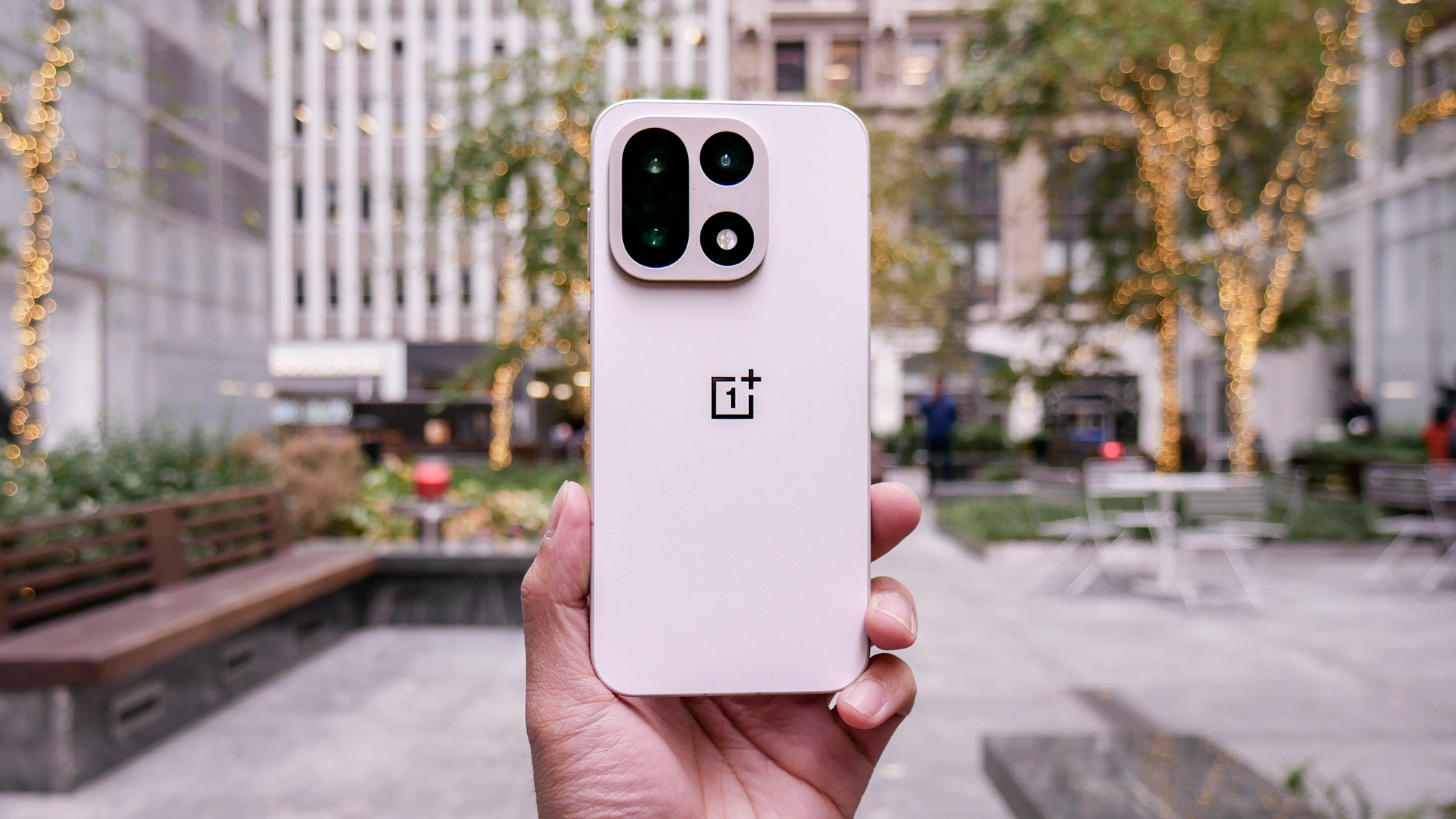
While the Realme is an endurance specialist, the OnePlus 15 is the best all-around performer for the North American market. It utilizes a custom "Silicon NanoStack" battery chemistry that fits 7,300 mAh into a frame that feels no different than a standard flagship.
The OnePlus 15 isn't just about longevity; it's about the entire power ecosystem. It pairs that massive cell with 120W wired charging and 50W wireless charging. Even if you somehow manage to drain this beast, a 10-minute top-up provides enough juice for an entire work day. With an Active Use Score of over 23 hours, it’s the longest-lasting high-end flagship currently available in the US.
Performance Data: The Snapdragon 8 Elite Gen 5 inside the OnePlus 15 is tuned specifically for this battery tech. During our "Stress Loop" test (combining 4K video recording, gaming, and web scrolling), the phone stayed cool and lasted nearly double the time of its predecessors.
Pros:
- Stunning 165Hz AMOLED display.
- Extremely fast charging for such a large capacity.
- Premium IP69 rating (can handle high-pressure water jets).
Cons:
- The large circular camera bump is polarizing.
- Premium pricing ($899) compared to previous years.
3. Xiaomi 17 Ultra: Pro-Grade Photography Meets 1.5-Day Power
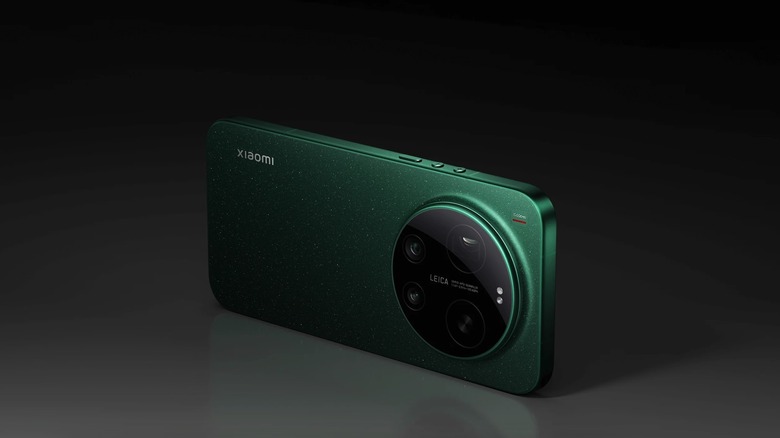
Usually, "Ultra" phones prioritize cameras at the expense of everything else. The Xiaomi 17 Ultra breaks that trend by integrating a 6,000 mAh Surge Battery. While 6,000mAh might seem smaller than the Realme, it is significantly higher than previous Ultras, which hovered around 5,000mAh.
The focus here is longevity in a different sense: lifespan. Xiaomi’s Surge G3 and P3 chips manage the Silicon-Carbon chemistry so precisely that the battery is rated for 1,600 charging cycles. This is a phone built to be kept for four or five years without needing a battery replacement. For photographers, this means you can shoot 4K Leica-tuned video all day without the "low battery" warning ruining your golden hour.
The Photography Powerhouse Specs:
- Sensors: Quad 50MP system with a massive 1-inch main sensor.
- Zoom: 200MP periscope zoom for incredible detail.
- Endurance: 1.5 days of heavy professional use.
- Price: ~€1,449.
Expert Tip: If you are a mobile creator, the Xiaomi 17 Ultra's battery efficiency during video recording is its "killer feature." It consumes roughly 15% less power per hour of 4K recording than the previous generation.
4. Honor Magic V6: The World’s Thinnest Foldable with All-Day Stamina
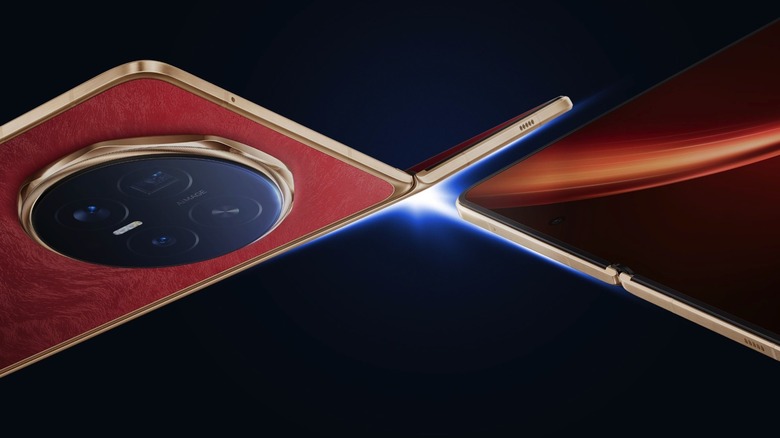
Foldables have historically been the "weaklings" of the battery world. Two screens and a complex hinge usually leave little room for power. The Honor Magic V6 changes the conversation entirely. It uses a 7,150 mAh Blade Battery (Global version sits at 6,660 mAh) with a staggering energy density of 921 Wh/L. To put that in perspective, that is higher density than the 4680 cells used in Tesla vehicles.
The result is a phone that is only 4.7mm thin when unfolded, yet outlasts most traditional "slab" phones. You can finally use the big internal screen for a full day of productivity—spreadsheets, emails, and video calls—without worrying if you'll make it home.
Why it matters:
- Thinnest Foldable: It feels like a standard phone in your pocket.
- Carbon-Fiber Hinge: Lightweight but durable.
- All-Day Stamina: The first foldable to truly provide 10+ hours of "Screen On Time" on the large display.
5. Samsung Galaxy S25 Ultra: The Reliable Powerhouse
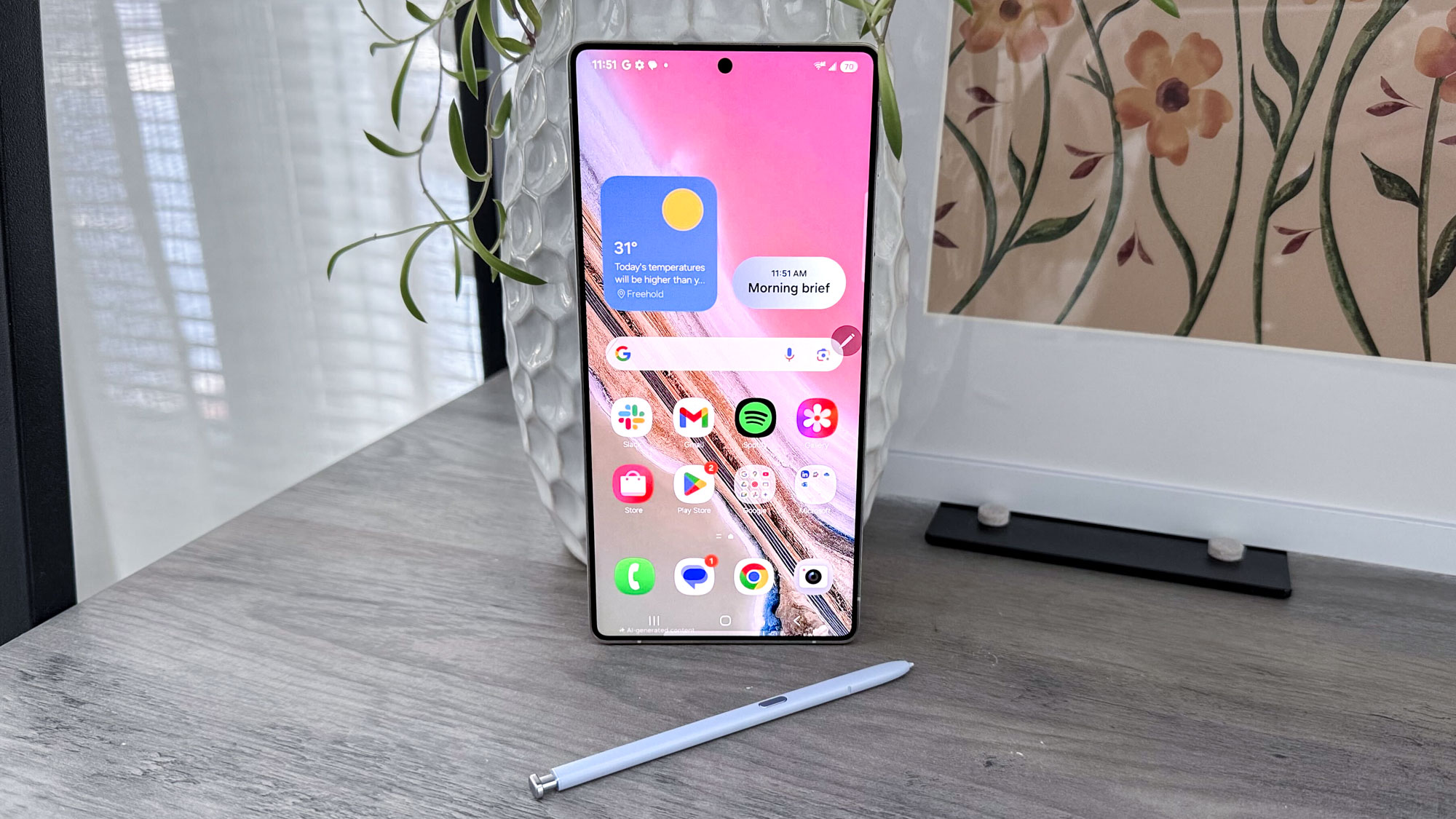
The Samsung Galaxy S25 Ultra takes a different approach. Instead of chasing the absolute highest mAh numbers (it stays around 5,500 - 6,000 mAh depending on the region), Samsung has focused on the Snapdragon 8 Elite for Galaxy optimization.
Samsung’s "AI Power Management" learns your usage patterns to a surgical degree. By putting background apps into "deep sleep" and dynamically adjusting the refresh rate from 1Hz to 120Hz, the S25 Ultra manages to squeeze nearly 19 hours of active use out of its cell. For the US market, where reliability and software support are king, the S25 Ultra remains the gold standard.
Key Highlights:
- S-Pen Integration: Productivity without the power drain.
- 7 Years of Updates: A battery that lasts (1,200+ cycles) to match the long software support.
- Anti-Reflective Screen: Saves power by allowing lower brightness levels in sunlight.
Buyer’s Guide: What to Look for in a Battery Champion
When you're shopping for the longest lasting android phones in 2026, don't just look at the mAh number. Here is what actually matters for your daily life:
Capacity vs. Efficiency
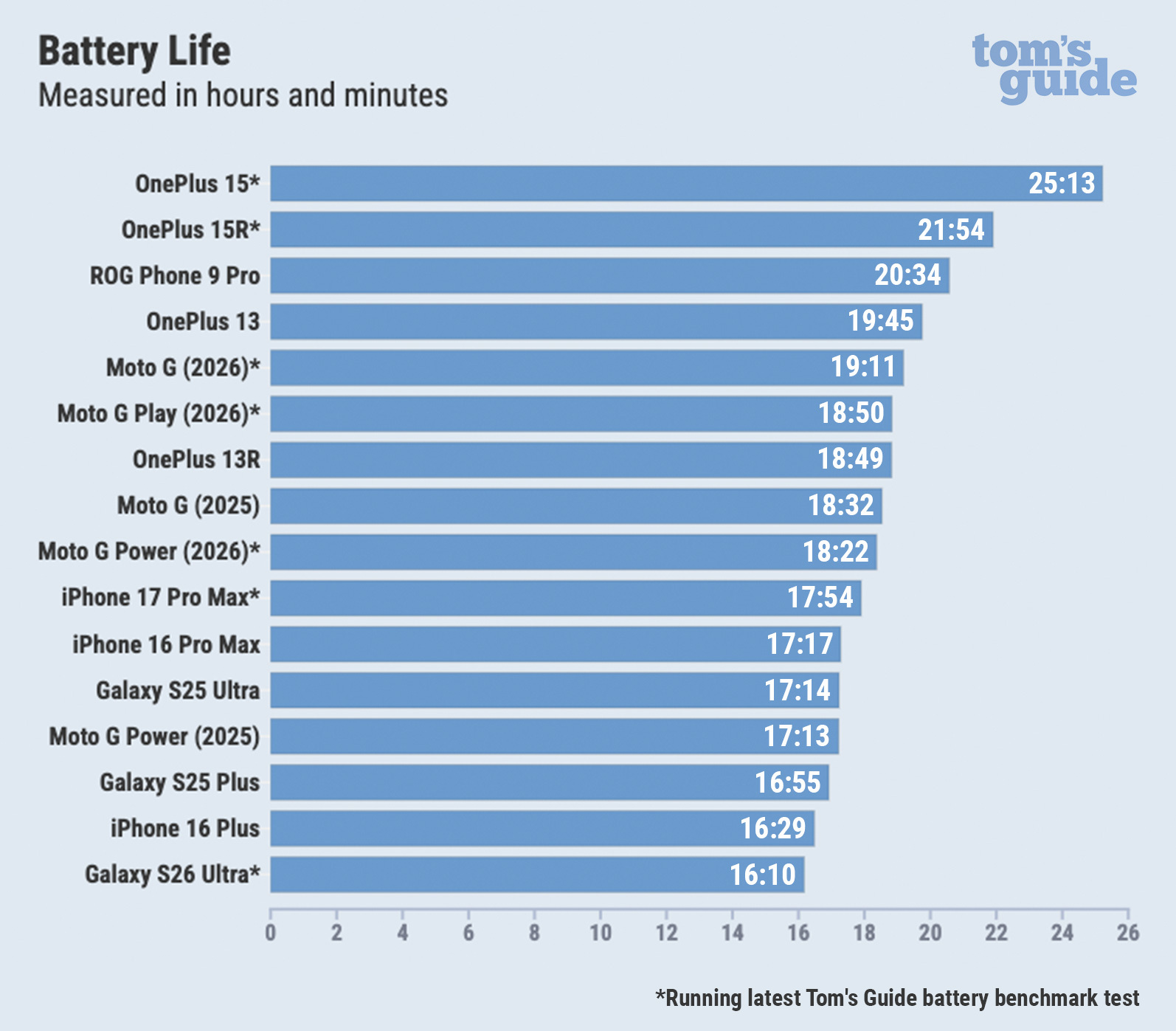
A 10,000mAh phone with a poorly optimized processor will lose to a 7,000mAh phone with a modern 3nm chip like the Snapdragon 8 Elite. Look for reviews that mention "Active Use Scores" or real-world "Screen On Time" rather than just the battery size.
Charging Cycles: The New Standard
In 2026, you should settle for nothing less than 1,200 cycles. If a brand doesn't specify the cycle count, they are likely using older Li-ion tech. Silicon-carbon batteries are the gold standard because they allow for more frequent, faster charging without degrading the battery’s health over two years.
The Fast Charging Balance
While 120W charging is impressive, it generates heat. High heat is the enemy of battery longevity. If you buy a phone like the OnePlus 15 or Xiaomi 17 Ultra, try to use "Smart Charging" modes that slow down the charge overnight to preserve the silicon-carbon anode's integrity.
FAQ
Q: Is a silicon-carbon battery safer than lithium-ion? A: Yes. Silicon-carbon batteries are generally more stable. Because of their higher energy density, they require less volume to store the same amount of power, which reduces the internal pressure and heat buildup during fast charging compared to older, high-capacity lithium-ion designs.
Q: Will these 10,000mAh phones feel too heavy? A: They are heavier than an iPhone Air, but thanks to Si-C technology, they aren't "bricks." The Realme P4 Power is roughly 230g, which is similar to what the "Pro Max" or "Ultra" phones weighed just a few years ago.
Q: Do I need a special charger for silicon-carbon batteries? A: No, standard USB-C Power Delivery (PD) chargers will work. However, to get the advertised 80W or 120W speeds, you should use the proprietary brick and cable included in the box.
The Final Word
The "low battery" anxiety that has plagued smartphone owners for nearly two decades is finally being solved by chemistry. Whether you choose the massive endurance of the Realme P4 Power or the balanced flagship experience of the OnePlus 15, switching to a Silicon-Carbon battery phone will fundamentally change how you use your device. Imagine leaving for a weekend trip and purposely leaving the charger at home—in 2026, that's no longer a risk; it's the new reality.