Last year, I sat in a conference room in Seoul with a senior supply chain analyst who told me something that felt like a hyperbole at the time: "By 2026, memory won't just be a component; it will be a luxury." Walking through the current landscape of the PC market, that prediction has moved from a warning to a painful reality. If you are shopping for a laptop today, you are standing at the edge of a "RAMageddon" that is fundamentally changing what we consider an "entry-level" machine.
The math is simple, yet brutal. The 32GB RAM kit I budgeted for my workstation at $90 just eighteen months ago is now retailing for nearly $270. We are witnessing a historic price surge that is forcing manufacturers to make choices that are, frankly, detrimental to the consumer.
The RAMageddon of 2026: Why Memory Became Gold
The current crisis isn’t a simple case of inflation. It is a structural shift in how silicon is manufactured. The giants of the industry—Samsung, SK Hynix, and Micron—have pivoted their production lines. Every wafer of silicon dedicated to consumer-grade DDR5 RAM is a wafer not being used for HBM (High Bandwidth Memory), the specialized, high-margin memory that powers the AI data centers of Nvidia and Google.
This has created a "Zero-Sum Game" in the fabrication plants. Because AI memory is five to six times more profitable than the RAM in your laptop, consumer supply has been throttled. Industry analysts at TrendForce project that this memory supply shortage will trigger a sharp price spike peaking in Q1 2026, potentially increasing the cost of 16GB kits to premium levels that we haven't seen in a decade.
Projected Market Shift: 2024 vs. 2026
| Component | 2024 Average Price | 2026 Projected (Q1) | % Increase |
|---|---|---|---|
| 8GB DDR5 Module | $32 | $88 | 175% |
| 16GB DDR5 Kit | $68 | $185 | 172% |
| 32GB DDR5 Kit | $115 | $310 | 170% |
Pro Tip: If you see a 16GB laptop at 2024 prices sitting on a shelf today, buy it. The "sticker shock" coming in the next few months will make current prices look like a bargain.
Is 8GB RAM Enough in 2026?
The short answer is a definitive no. 8GB RAM is insufficient for 2026 standards because modern applications, heavy web browsers like Chrome, and AI-integrated features require more memory than 8GB can provide, leading to severe system bottlenecks.
In the past, we could argue that 8GB was "fine" for office work and light browsing. That era ended when "light browsing" started including memory-hungry Chromium-based browsers that treat RAM like an open buffet. In 2026, using an 8GB machine feels like working through a straw. The system is forced to constantly move data from the RAM to the much slower SSD (a process called "swapping"), which doesn't just slow you down—it significantly reduces the lifespan of your storage drive.
The Performance Gap: 8GB vs. 16GB in Real-World Use
| Activity | 8GB Performance | 16GB Performance | Impact |
|---|---|---|---|
| Chrome (15+ Tabs) | Frequent tab refreshes | Instant switching | Productivity |
| Video Calls + Multitasking | Audio lag, stuttering | Smooth performance | Professionalism |
| Modern Gaming (AAA) | 25-40% FPS drop | Optimized frame rates | Experience |
| Background AI Tasks | Disabled or Unusable | Seamless/Real-time | Capability |
The AI PC Mandate: Why 16GB is the New Floor
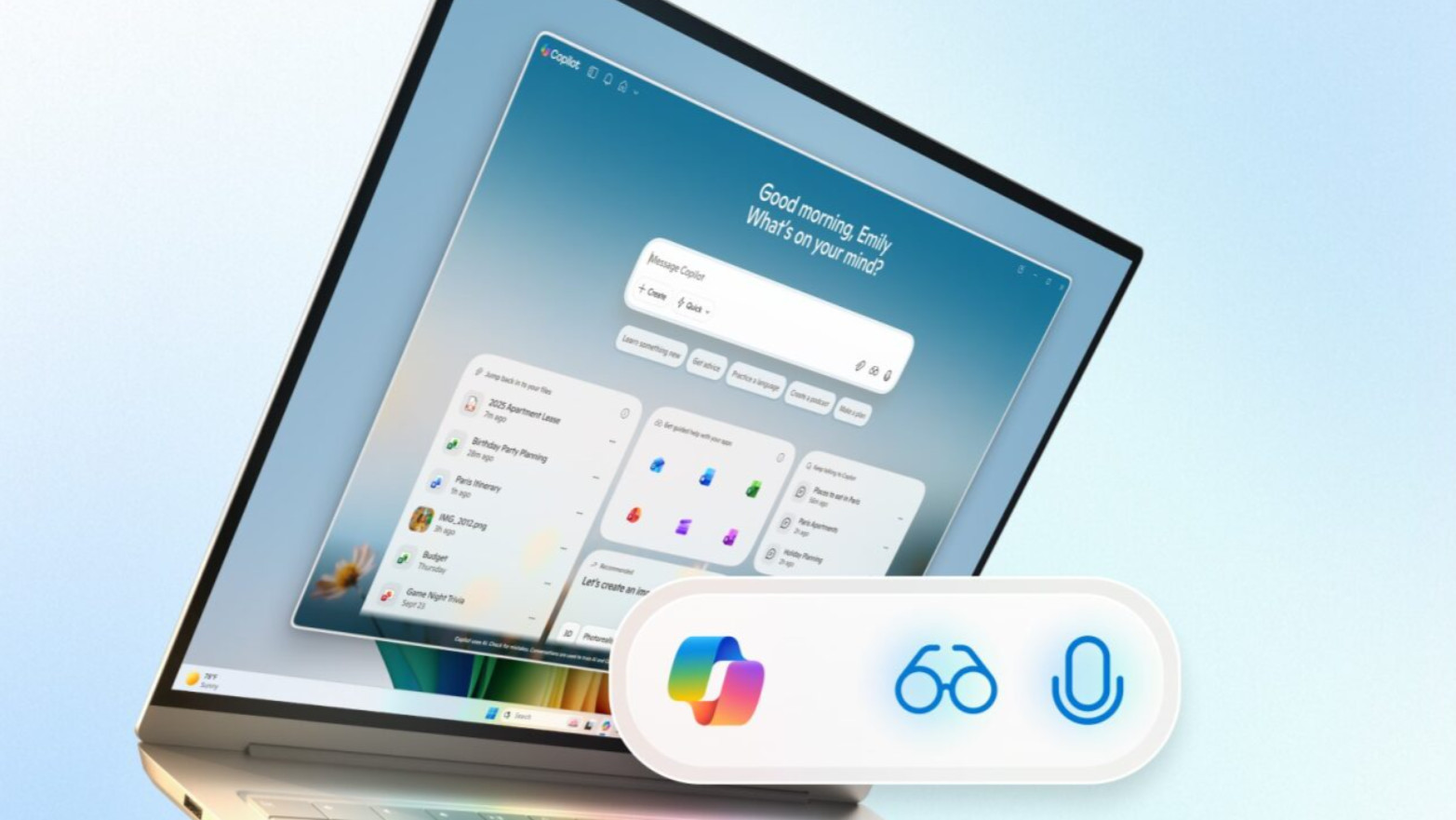
The most significant shift in the 2026 laptop market is the arrival of the "AI PC." Microsoft’s Copilot+ PCs and other next-generation AI laptops require a hard minimum of 16GB RAM and a 40 TOPS NPU to function, making 8GB machines obsolete for AI tasks.
Windows 11 AI PC standards now mandate a 16GB RAM minimum, creating a functional performance gap where 8GB systems lose access to core OS-level intelligence features. We aren't just talking about chatbots; we are talking about system-level search, live translation, and local image processing that runs in the background. If your system has only 8GB of RAM, the operating system will essentially "lock" these features to prevent the computer from crashing, leaving you with a "dumb" terminal in an increasingly intelligent world.
Beware of Tech Shrinkflation: Paying More for Less
The most frustrating part of the 2026 market is how manufacturers are responding to the DRAM shortage. We are seeing a phenomenon I call "Tech Shrinkflation." Brands like Dell and Lenovo are reportedly reverting to 8GB configurations for mid-range models to control retail costs amidst the global DRAM shortage.
To keep a laptop at the psychologically important $599 or $799 price point, companies are quietly downgrading memory while keeping the same chassis design. They are betting that the average consumer won't notice the "8GB" on the spec sheet until they get the device home and realize it can't handle a standard workday. This "De-spec" strategy is a trap. You are paying 2024 prices for a machine with 2018 performance.
Platform Breakdown: Who Can Still Survive on 8GB?
While the 16GB rule is nearly universal, there are small pockets of the market where 8GB remains a viable, if limited, choice.
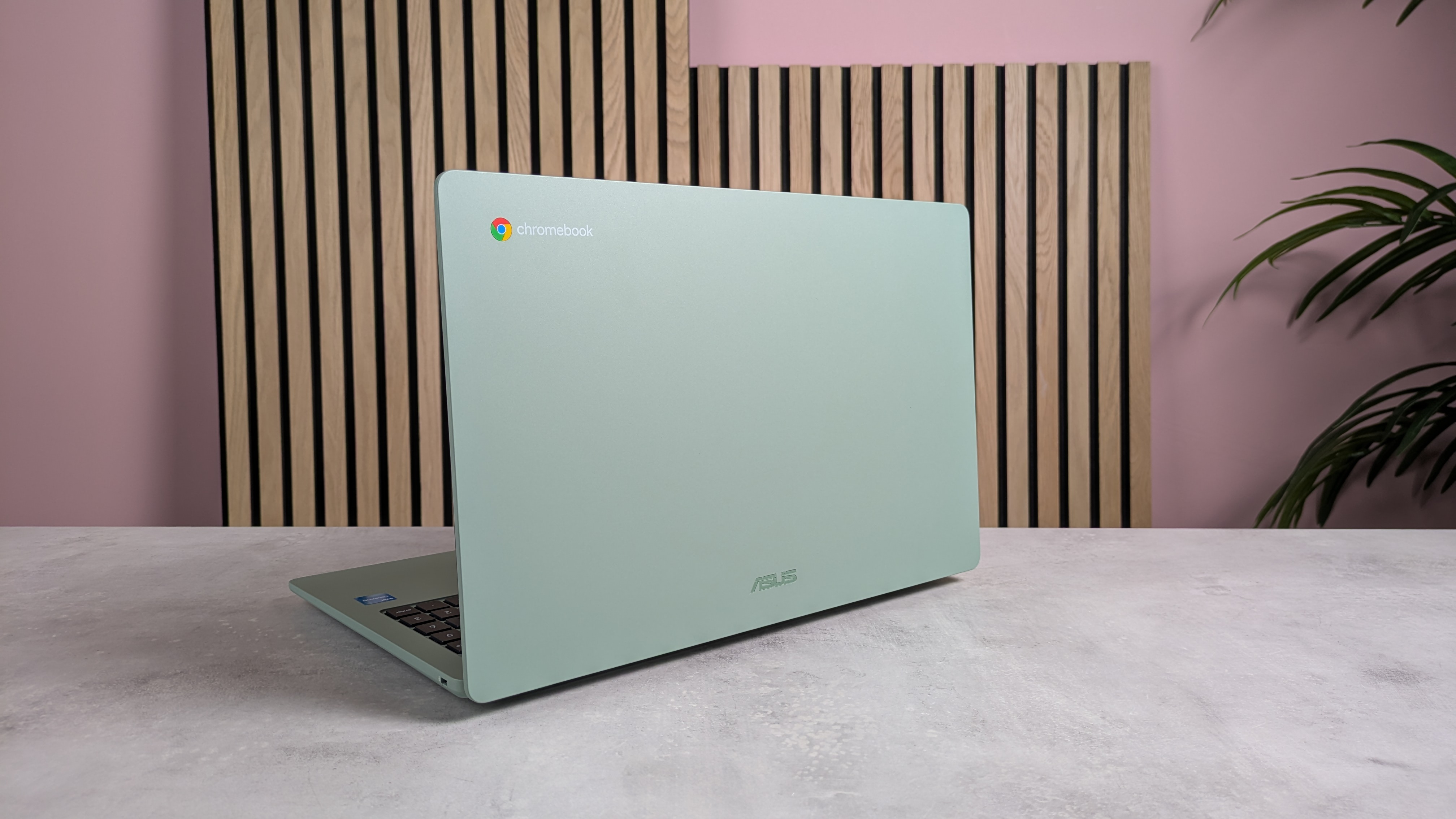
1. Chromebooks: The Efficient Outlier
Chrome OS remains the exception to the rule due to its lightweight architecture. For students who strictly use web-based docs and streaming, 8GB on a Chromebook still feels snappy.
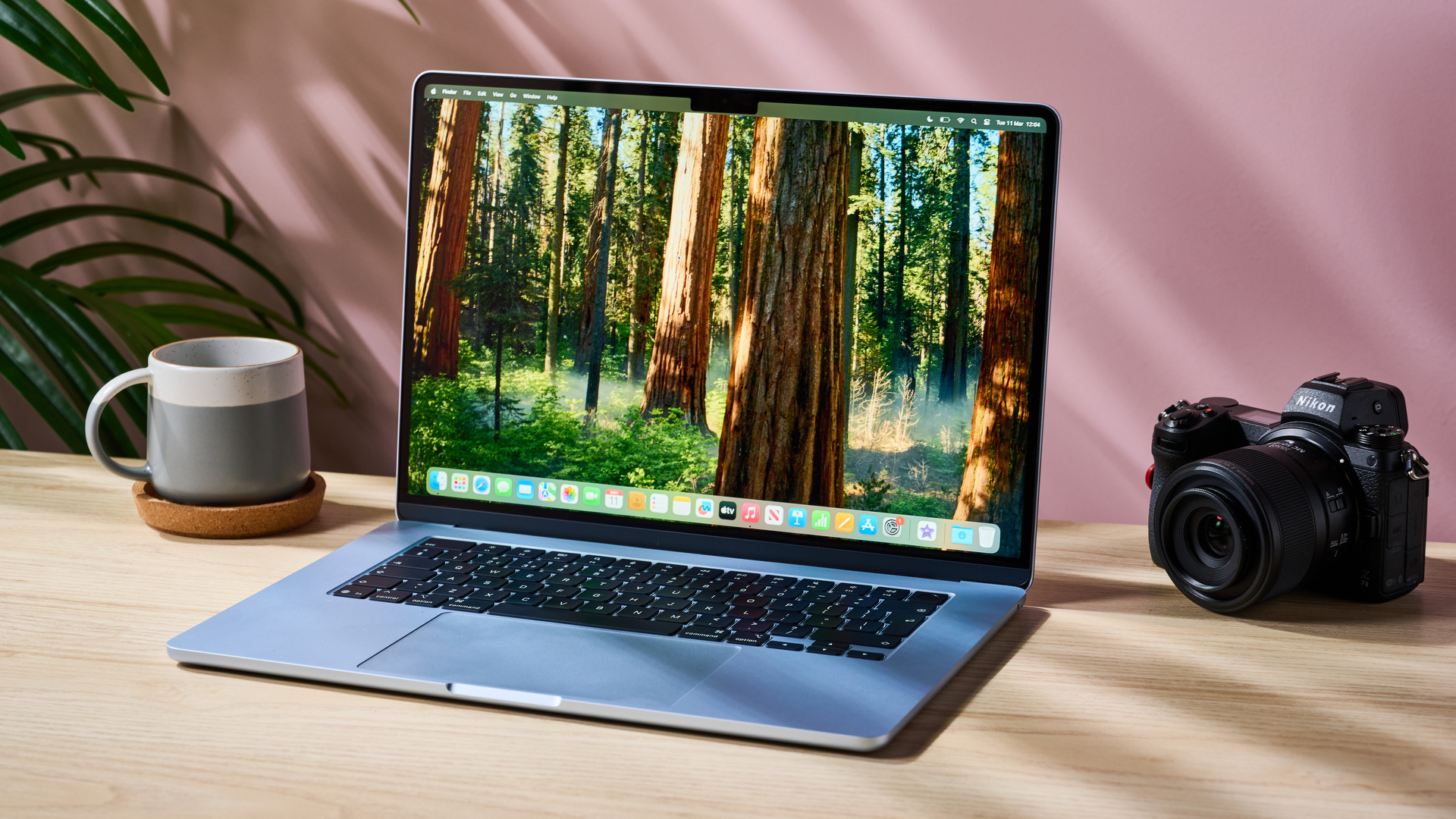
2. MacBooks: The Efficiency vs. Reality Debate
Apple’s unified memory architecture is remarkably efficient. However, even Apple has seen the writing on the wall. While their memory management is efficient, the shift to a 16GB baseline for the M4 generation signals the end of the 8GB era for professionals. An 8GB MacBook Air in 2026 is a "risky bet" for anyone planning to keep their laptop for more than two years.
3. Windows Gaming: The 32GB Recommendation
For gamers, the surge in RAM prices is a double blow, as modern titles now struggle on anything less than 16GB of system memory. In fact, for 2026's AAA titles, 32GB has moved from "luxury" to "recommended," while 16GB remains the bare minimum just to launch the game without stuttering.

Buying Strategies for 2026: How to Beat the Surge
Navigating this market requires a tactical approach. You cannot simply walk into a Best Buy and pick the prettiest chassis.
- Prioritize RAM over CPU: A slightly older i5 processor with 16GB of RAM will outperform a brand-new i7 processor with 8GB of RAM in 90% of real-world scenarios. In the soldered-memory era, you can’t upgrade later. Choose the memory today that you will need in 2028.
- The 12GB Compromise: Watch for the rise of 12GB configurations (often 8GB+4GB). While not as ideal as 16GB, it provides the necessary "breathing room" for Windows 11 to operate without constant swapping.
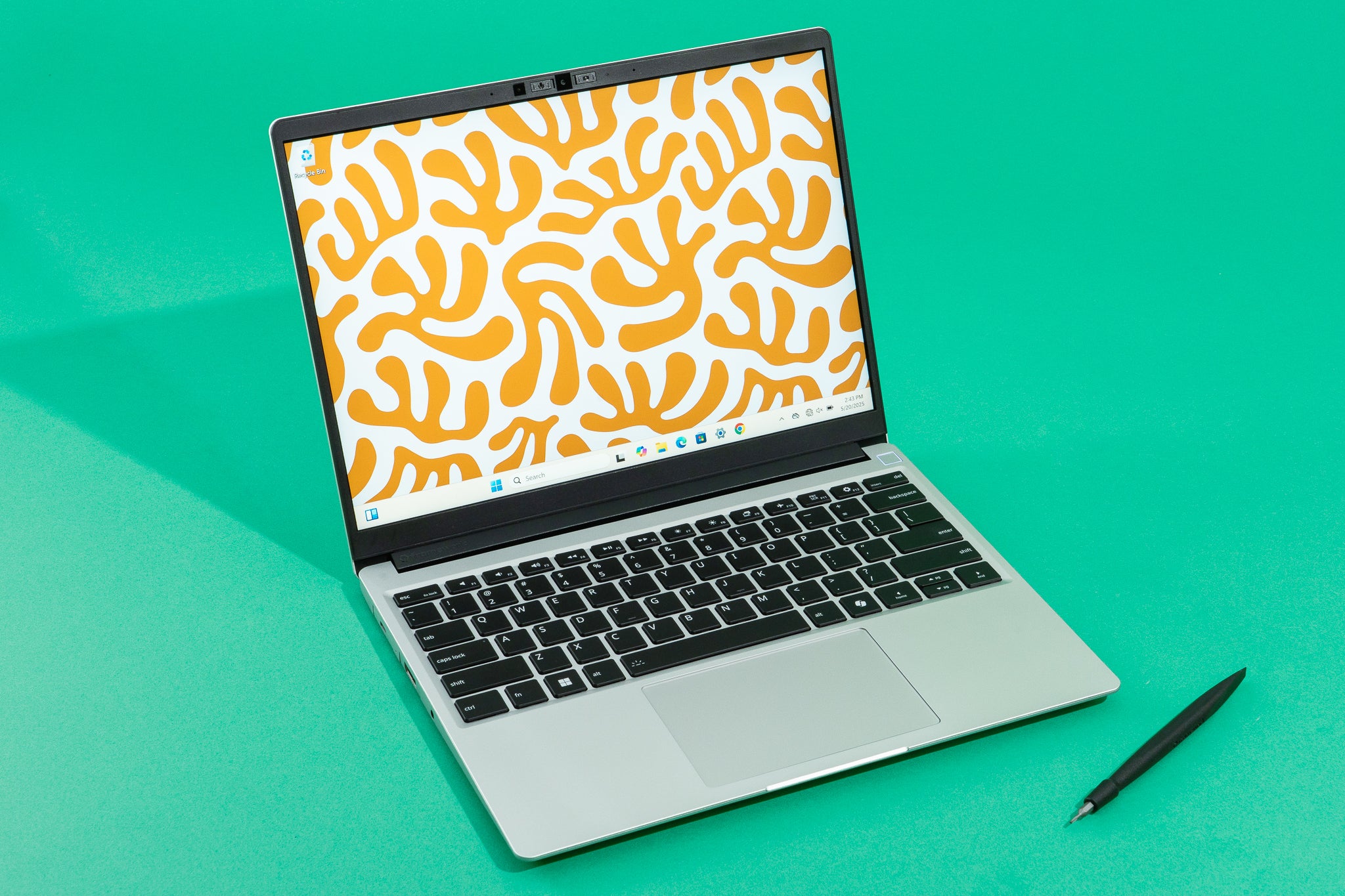
- Look for the "Expansion Slot" Loophole: The most financially savvy move in 2026 is to seek out laptops with SODIMM slots rather than soldered memory. Investing in modular laptops like the Framework allows you to bypass "RAM shrinkflation" by adding your own memory modules when prices stabilize.
James Wright's Final Take: In my years of reviewing hardware, I have rarely seen a "minimum spec" move as quickly as it has this year. Buying an 8GB laptop in 2026 isn't just a compromise; it’s a commitment to frustration. Avoid the trap—make 16GB your non-negotiable floor.
FAQ
Is it possible to upgrade my laptop RAM in 2026? It depends entirely on the model. Most "Ultra-thin" laptops and MacBooks use soldered RAM that cannot be upgraded. However, many gaming laptops and workstation models (like the Dell Latitude or Framework) still offer upgradable SODIMM slots. Always check the "technical specifications" for "expandable memory" before buying.
Will RAM prices go down in 2027? Analysts expect prices to remain high until new manufacturing plants (fabs) in the US and Europe come online in late 2027 or 2028. Until then, the supply will remain constrained by the demand for AI chips.
Can I use a fast SSD to make up for having only 8GB of RAM? No. While a fast SSD makes "swapping" less painful, it is still thousands of times slower than actual RAM. Furthermore, constant swapping will wear out your SSD much faster, leading to potential drive failure within a few years of heavy use.
Are you ready to future-proof your tech?
Don't let "RAM shrinkflation" catch you off guard. Before you click "buy," verify the memory specs and ensure you aren't paying a premium for an obsolete 8GB machine.