Quick Facts
- Top Trend 2026: On-device AI integration for privacy and speed.
- Most Missed: 3.5mm analog output and user-swappable batteries.
- Best Modern Successor: Qi2 50W magnetic wireless charging.
- Durability Standard: IP68 water resistance and 5+ year software support.
- Design Reality: Camera bumps can double a device's effective thickness.
In 2026, the most important smartphone features prioritize utility, on-device AI for automation, and user serviceability through the right to repair movement. While legacy features like the headphone jack are missed, modern advantages include high screen-to-body ratios and advanced biometric authentication. Modern consumers benefit from devices that balance high-performance smartphone features with designs built to last beyond a two-year upgrade cycle.
7 Dead Phone Features We Miss: The Utility Era
Reflecting on the last decade of mobile evolution, it is clear that some of the most practical smartphone features were sacrificed on the altar of thinness and aesthetics. For many power users, the "Utility Era" peaked when hardware was designed for the owner rather than the manufacturer’s bottom line.
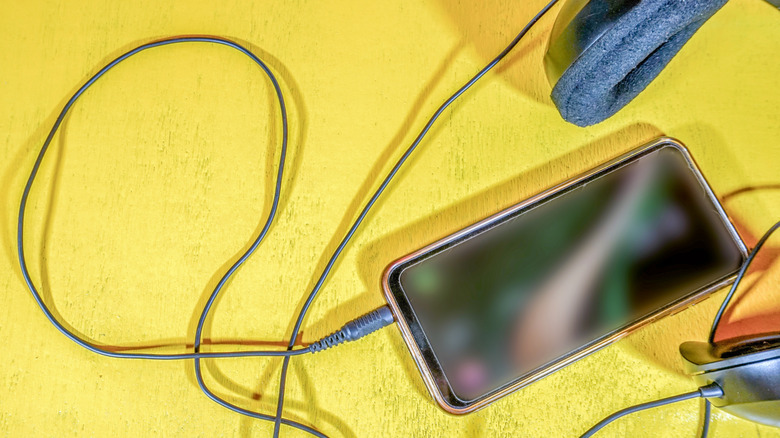
Topping the list of missed hardware is the 3.5mm analog output. While the industry has moved toward wireless convenience, many audiophiles still mourn the loss of zero-latency, high-fidelity audio that didn't require charging. A 2019 survey highlighted the shift in consumer priorities, noting that only 1% of smartphone buyers in the United States still considered the headphone jack a top-three essential. However, for those who value analog reliability, its absence remains a sore point.
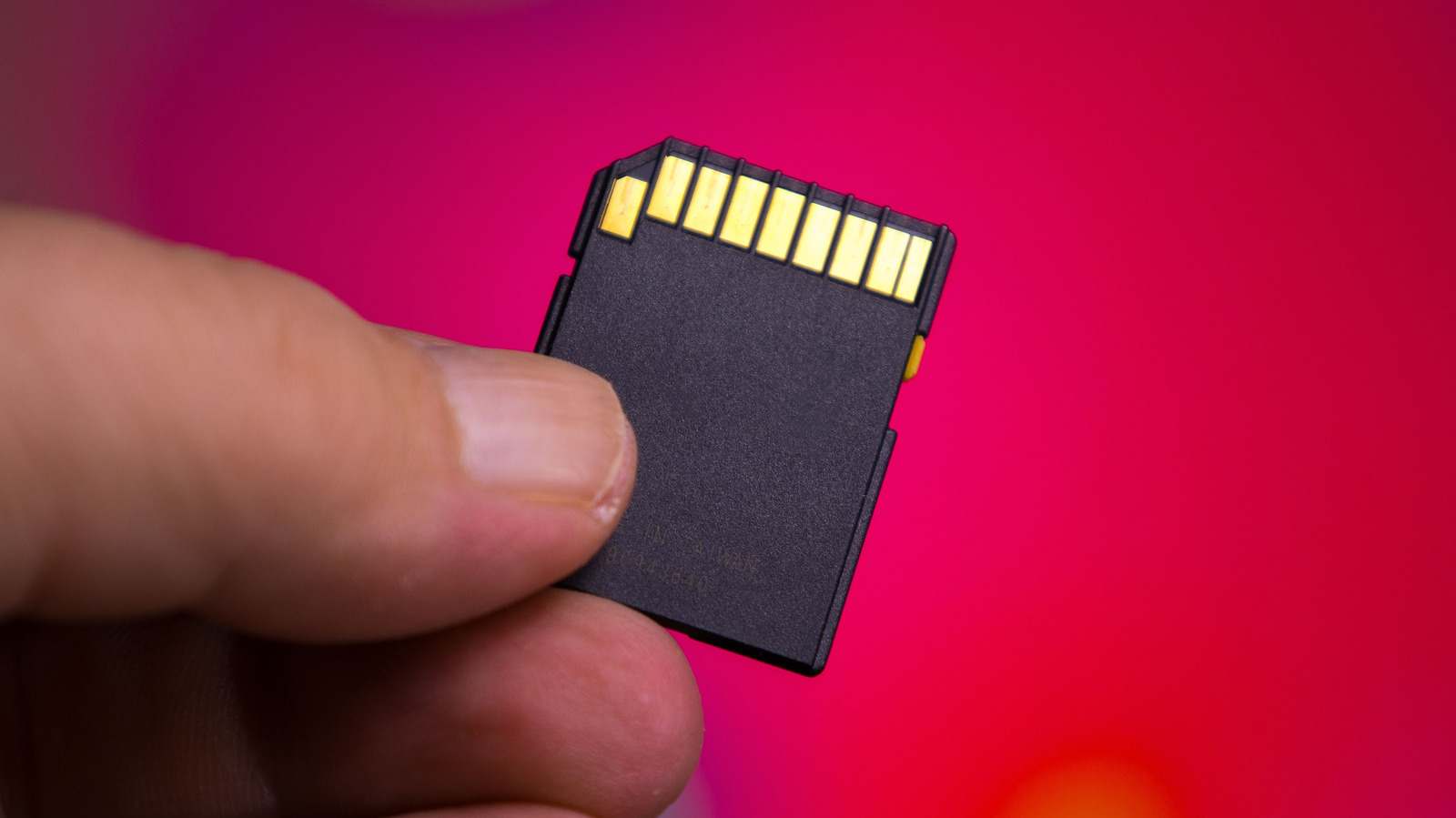
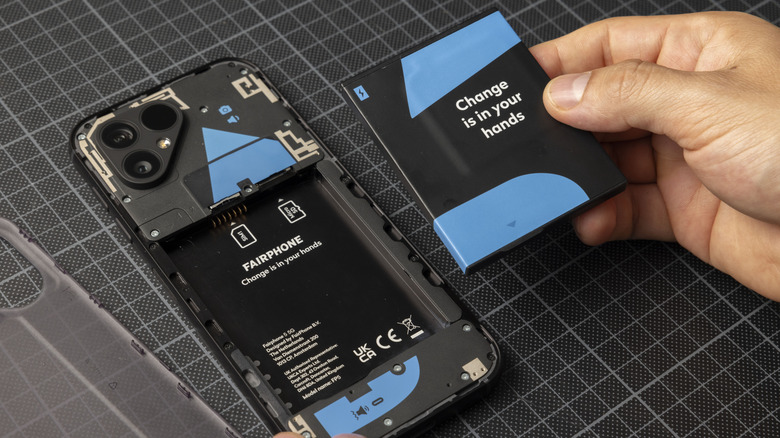
Another major loss is the era of smartphones with removable battery 2026 advocates are trying to revive. In the early 2010s, you could swap a dead battery for a fresh one in seconds. Today, integrated batteries contribute significantly to planned obsolescence. Beyond power, we miss expandable microSD storage, which allowed users to manage physical data without paying for monthly cloud subscriptions.
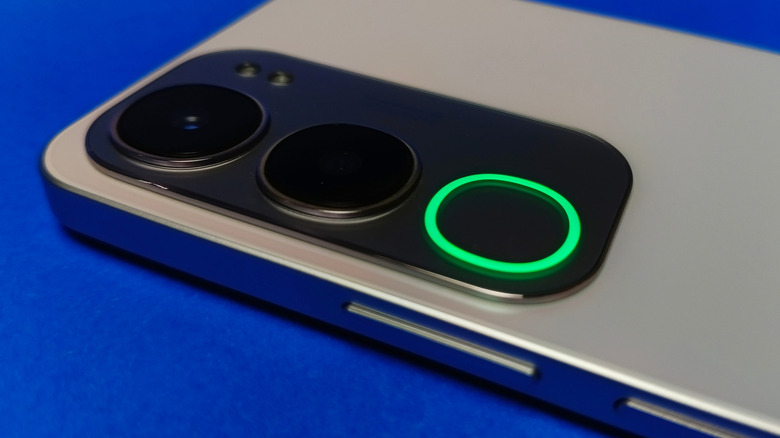
We also lost dedicated notification LEDs. These tiny lights provided a battery-efficient alternative to modern always-on displays, which can cause a 5-10% daily battery drain. Users could know exactly what kind of message was waiting just by the color of a blinking light without ever waking the screen.
Other features that have largely vanished include hardware keyboards, which provided unmatched haptic feedback for typing. The market share for these physical keys plummeted from roughly 20% in the late 2000s to roughly 0.2% by 2016. We also see fewer IR Blasters for universal remote control and the near-total extinction of FM Radio, which offered data-free information during emergencies.
When asking what are the most important features of a smartphone, many long-time users point toward this lost user serviceability and e-waste reduction. The right to repair movement is currently pushing manufacturers to bring back some of this modularity.
7 Features Better Left in 2010: The Obsolete Relics
While nostalgia is powerful, we must admit that some smartphone features from 2010 were objectively frustrating. The advantages of smartphone technology in 2026 are largely built on moving past these clunky, mechanical, and inefficient designs.
Proprietary charging ports are perhaps the best example of a feature better left in the past. Before the ubiquity of USB-C, every manufacturer had a unique connector, creating a nightmare of cable management. Similarly, the early software aesthetic known as skeuomorphism—where digital icons mimicked real-world textures like leather or glass—now feels incredibly dated compared to modern, clean interfaces.
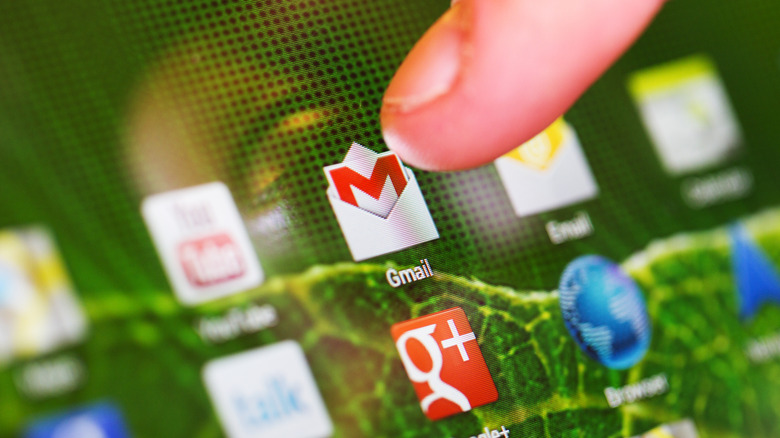
Hardware durability has also improved by removing fragile components. Physical home buttons were notorious for losing up to 30% of their sensitivity annually. Their removal allowed for a much higher screen-to-body ratio. Furthermore, the industry has largely abandoned pop-up cameras. While they offered a full-screen experience, their mechanical nature led to high failure rates and made achieving IP68 water resistance nearly impossible.
Small, low-resolution displays are another relic. Between 2014 and 2017, the market for 4-inch screens dropped from 33.1% to 9.9%, as users realized that modern content consumption requires more real estate. We have also moved away from removable back covers that felt "creaky" and compromised the structural integrity of the form factor.
| Feature Benchmark | 2010 Standard | 2026 Benchmark |
|---|---|---|
| Charging Port | Proprietary / Mini-USB | USB-C / Qi2 Wireless |
| Screen Size | 3.5 - 4.0 inches | 6.1 - 6.9 inches |
| Authentication | 4-Digit PIN / Physical Button | Face/Under-display Biometrics |
| Build Quality | Plastic / Removable Backs | Titanium / Glass Sandwich |
| Water Resistance | None (Rice bowl era) | IP68 (Submersible) |
Modern Benchmarks: What to Look for in 2026
If you are shopping today, the smartphone features list looks very different than it did five years ago. We have moved from a focus on raw hardware megapixels to sophisticated AI-driven processing. When reading a smartphone camera features explained guide today, the emphasis is usually on computational photography and night-mode algorithms rather than just the sensor size.
A modern flagship should offer a minimum of 128GB of storage and a 4000mAh+ battery. We also expect high-refresh-rate displays (90Hz to 120Hz) that make scrolling feel fluid. The newest trend is a smartphone with ai features 2026 consumers can use for real-time translation, automated photo editing, and advanced privacy protections that keep data processed on the device rather than the cloud.

Connectivity has also reached a new peak with Wi-Fi 7 and 5G. Biometric authentication has transitioned from unreliable optical scanners to ultra-secure ultrasonic sensors hidden beneath the glass. These sensors provide the security needed for digital wallets and sensitive work documents without the need for a physical button.
Marketing vs. Reality: The Hardware Discrepancy
As an editor, I often have to look past the shiny marketing slides to see the ergonomic reality of a device. One of the biggest "tricks" in the industry involves the stated thickness of a phone. Manufacturers often measure the chassis at its thinnest point, conveniently excluding the massive camera bump.
For instance, a device marketed as 7.5mm thick might actually measure over 12mm at the camera module. This discrepancy matters because it affects how the phone sits on a flat surface—often causing a significant "wobble"—and how it feels in your pocket. As the form factor becomes thinner, these bumps become more pronounced.
Expert Tip: When researching how to choose smartphone features based on lifestyle, don't just look at the weight. Consider the weight distribution. A top-heavy phone (like many modern "Ultra" models) can cause significant wrist strain during long sessions of one-handed use.
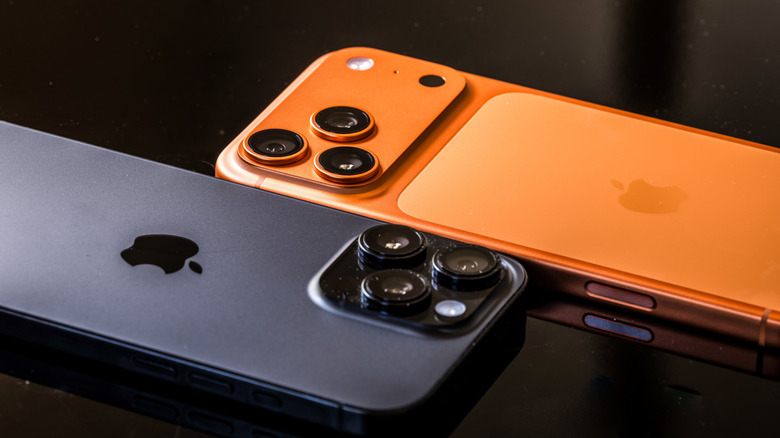
The reality of modern design is a trade-off. We get incredible zoom lenses and low-light performance, but we lose the flat, sleek backs of the early 2010s. Whether this is a worthy trade depends entirely on whether you prioritize photography or pocketability.
FAQ
What are the features of a smartphone?
A smartphone is defined by its ability to perform computing tasks beyond simple calling. Key features include a touchscreen interface, a high-speed mobile operating system (like iOS or Android), a multi-lens camera system, and integrated sensors like GPS and accelerometers. Modern units also feature advanced biometric authentication for security and 5G connectivity for high-speed internet access.
What are the best features of a smartphone?
The best features are those that enhance daily utility and longevity. Currently, these include high-refresh-rate OLED displays, IP68 water resistance for durability, and long-lasting batteries with fast charging capabilities. Additionally, on-device AI for privacy-focused task automation and high-resolution cameras with optical image stabilization are considered top-tier features for modern users.
What are 5 advantages of a phone?
Smartphones offer several transformative benefits for modern life. First, they provide instant access to global information via the internet. Second, they serve as powerful productivity tools with suites for email and document editing. Third, they offer high-quality creative tools for photography and video. Fourth, they provide seamless communication through multiple platforms. Finally, they act as secure digital wallets and identity hubs for modern banking and travel.
What are the 10 uses of smartphones?
Smartphones are incredibly versatile, serving as communication hubs (calls/texts), professional productivity tools, high-end cameras, and navigation systems via GPS. They are also used for entertainment (streaming/gaming), financial management (banking/payments), health tracking (steps/heart rate), educational tools (online courses), social networking, and home automation control for smart devices.
When you are deciding which features to look for in a smartphone, prioritize what will keep the device in your hand—and out of a landfill—for years to come. Look for extended software support and designs that respect user serviceability. While we might never get the 3.5mm jack back on flagship devices, the shift toward sustainable, AI-empowered hardware is a trade-off that defines the current era of mobile technology.