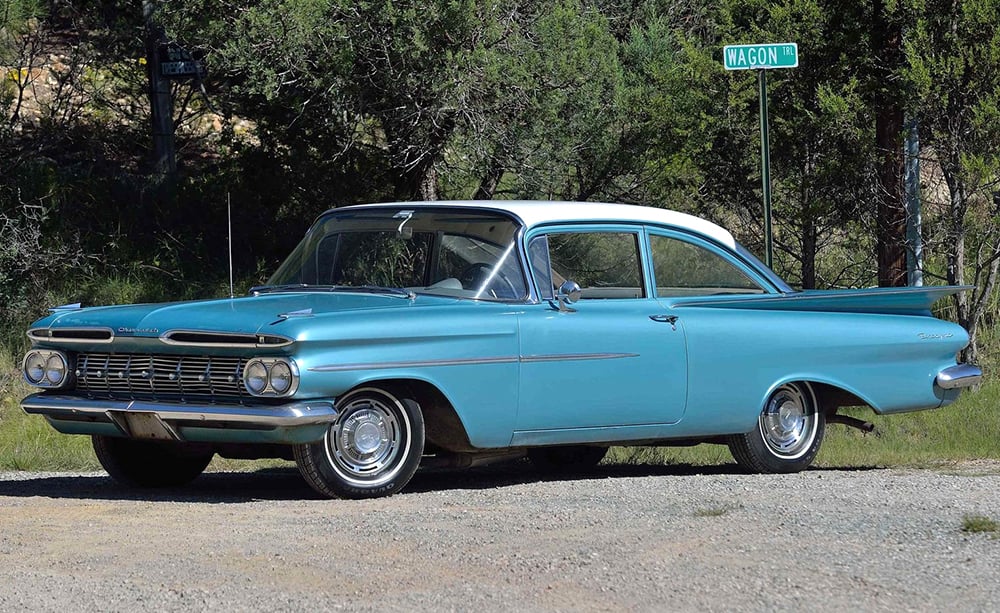
In the sweeping, desolate landscapes of North Dakota, a discovery was recently made that has set the vintage automotive community abuzz. YouTuber Jankowski Speed and Offroad stumbled upon what appeared to be a discarded relic of a bygone era—a 1960 Chevrolet Biscayne. At a distance, it looked like just another rusted "long-roof" from the Eisenhower years. However, a closer inspection revealed a "unicorn" of the automotive world: a rare, government-spec fleet vehicle that defies modern categorization.
This find serves as a poignant reminder of an era when Detroit didn't just sell cars; they sold specific solutions for specific needs. Today, we live in an age of automotive homogenization, where the SUV has become the Swiss Army knife of the suburbs. But by looking back at the 1960 Biscayne, we find a level of engineering specificity and body-style diversity that has effectively vanished from the modern market.
Rarer than a Nomad: The 1960 Biscayne Government Hybrid
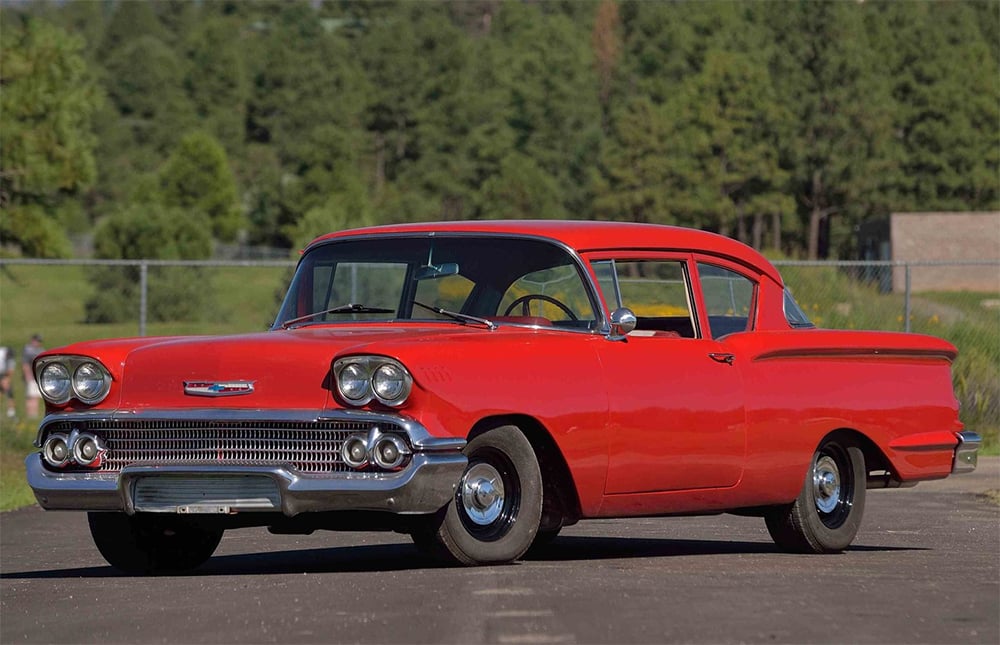
To the uninitiated, the 1960 Chevrolet lineup was dominated by the flashy Impala and the mid-range Bel Air. The Biscayne sat at the bottom of the hierarchy—the choice of the budget-conscious and the government fleet manager. However, the North Dakota find is unique because it represents a rare hybrid body style that bridges the gap between a family wagon and a commercial hauler.
Specifically, this vehicle features a two-door station wagon exterior (similar to the Brookwood model) but is equipped with the interior configuration of a "sedan delivery." While a traditional sedan delivery of that era would have featured solid metal panels in place of rear side windows, this government-spec version retained the glass. The catch? It had no rear seats.
This configuration was designed for maximum cargo utility and visibility. It allowed government workers or utility fleets to transport large, heavy equipment with the ease of a two-door entry, while the side windows provided safety during navigation that a panel van couldn't match. It is a specialized tool, a "lost art" of configuration where a single model could be tweaked at the factory level to serve a highly niche purpose.
The Lost Art of Detroit Body Styles: When Choice was Absolute
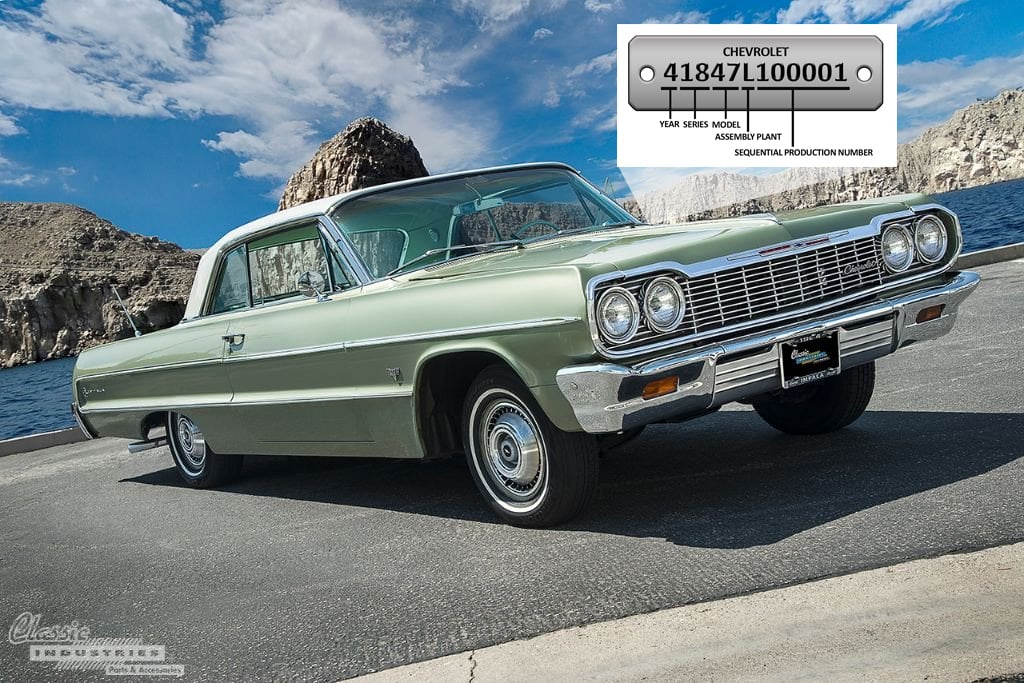
In the late 1950s and early 1960s, Detroit automakers operated with a philosophy of radical choice. If you walked into a Chevrolet dealership in 1960, the "full-size" Chevy platform wasn't just one car; it was a canvas. Depending on your needs, a single nameplate could be configured into five or more distinct body styles:
- Two-Door Sedan: The basic, pillared entry.
- Four-Door Sedan: The standard family hauler.
- Two-Door Hardtop (Sport Coupe): The pillarless style-leader.
- Four-Door Hardtop (Sport Sedan): Luxury and access combined.
- Station Wagons: Ranging from the two-door Brookwood to the nine-passenger Kingswood with faux-wood paneling.
- Sedan Delivery: The workhorse with a flat floor and panel sides.
Contrast this with the modern SUV market. Whether you buy a Chevrolet Tahoe, a Ford Explorer, or a Toyota Highlander, the silhouette is essentially fixed: four doors, a high roofline, and a liftgate. The variety has shifted from the shape of the vehicle to the features inside of it. In 1960, the shape was the feature. You chose the body that fit your life, whether that meant the sleek lines of a Nomad or the utilitarian ruggedness of a Biscayne two-door wagon.
Behind the Wheel: Original 1960 Biscayne Performance
When analyzing the 1960 Biscayne from a critic's perspective, one must separate the "Jet-Smooth" marketing from the mechanical reality. The base Biscayne was not a performance machine; it was an exercise in reliable, low-cost transportation.
The entry-level power unit was the legendary 235 cubic-inch "Blue Flame" inline-six engine. Producing between 135 and 150 horsepower, it was often mated to a two-speed Powerglide automatic transmission. By modern standards, the performance was leisurely at best. A stock 1960 Biscayne would record a 0-60 mph time of approximately 15.5 seconds, eventually reaching a top speed of 95 mph—provided the road was long and flat enough.
The 1960 Driving Verdict: Driving an original Biscayne today is an exercise in mindfulness. With manual steering that requires over five revolutions from lock-to-lock, you don't so much "steer" the car as you "negotiate" with it. The ride is famously soft—the "Jet-Smooth" coil spring suspension absorbing every dip—but the lack of lateral support means cornering is accompanied by significant body roll. It is a vehicle designed for the straight, expanding highways of mid-century America.
The Power of Evolution: From 135 HP to 700+ HP Restomods
While the original performance metrics are humble, the 1960 Biscayne has become a favorite canvas for high-performance "restomods." The sheer size of the engine bay, designed to accommodate anything from an inline-six to a 348 cubic-inch V8, makes it ideal for modern engine swaps.
The "Red Dragon" case study is a prime example. These modern builds often ditch the anemic straight-six for supercharged LT4 or LS-based V8s. We have seen restomods producing over 700 horsepower—a staggering 500% increase in power over the original factory base engine. With upgraded Wilwood brakes and independent rear suspension, these vintage bodies can finally perform with the aggression their "batwing" fins suggest.
1960 Biscayne vs. Modern SUVs: A Comparative Analysis
When we place the 1960 Biscayne side-by-side with a 2024 Chevrolet Tahoe, the shift in American automotive priorities becomes clear. The Biscayne represents an era of specialized utility and low-slung aerodynamics. The Tahoe represents an era of "command seating," luxury, and verticality.
| Feature | 1960 Chevy Biscayne (Base) | 2024 Chevy Tahoe (LS) | 1960 Biscayne Restomod |
|---|---|---|---|
| Engine | 235 cu in Inline-6 | 5.3L V8 | Supercharged 6.2L V8 |
| Horsepower | 135 hp | 355 hp | 700+ hp |
| 0-60 MPH | 15.5 Seconds | 7.5 Seconds | ~3.8 Seconds |
| Seating | 3 (Fleet) / 6 (Standard) | 7-9 | 2-5 |
| Height | 56 Inches | 76 Inches | 54 Inches (Lowered) |
| Body Style | Specialized 2-Door Wagon | Universal 4-Door SUV | Custom Sport Wagon |
The most striking difference is the height. The 1960 Biscayne sits a full 20 inches lower than a modern Tahoe. While the Tahoe offers superior ground clearance and a higher "command" view of the road, the Biscayne offered a lower center of gravity and a significantly more aerodynamic profile. The "Lost Art" here is the realization that we have traded the variety of body silhouettes for the convenience of a tall, one-size-fits-all box.
Why the Station Wagon is Facing Extinction
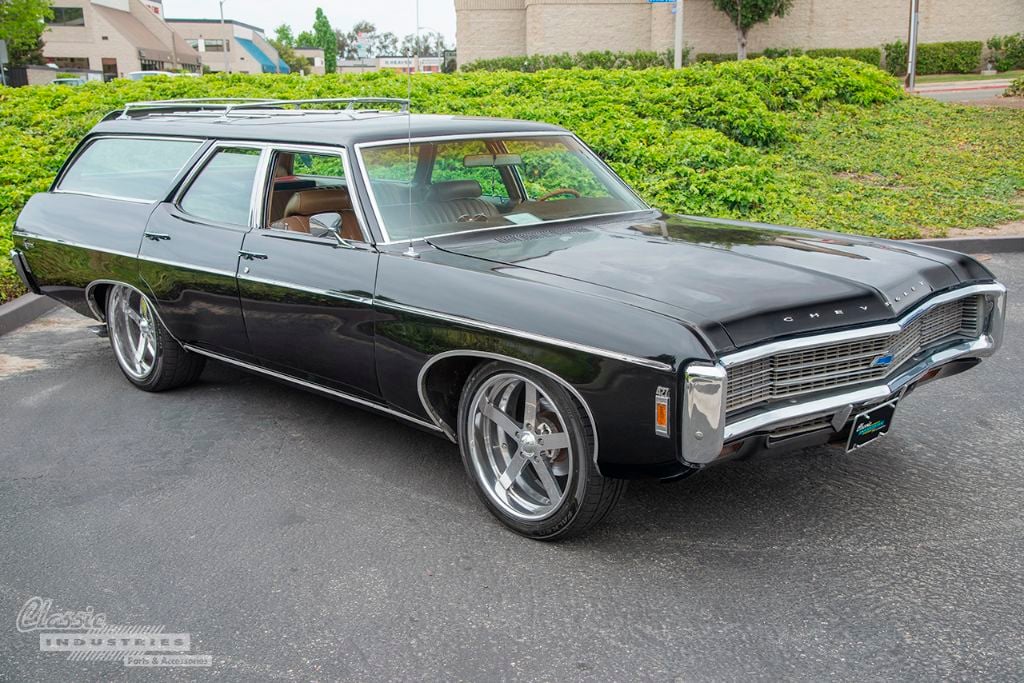
The demise of the station wagon in favor of the SUV wasn't an overnight event. It was a decades-long shift in consumer psychology. By the late 1960s, wagons like the Chevy Kingswood were the ultimate family haulers. However, the 1970s oil crisis and the rise of the minivan began to erode the wagon's dominance.
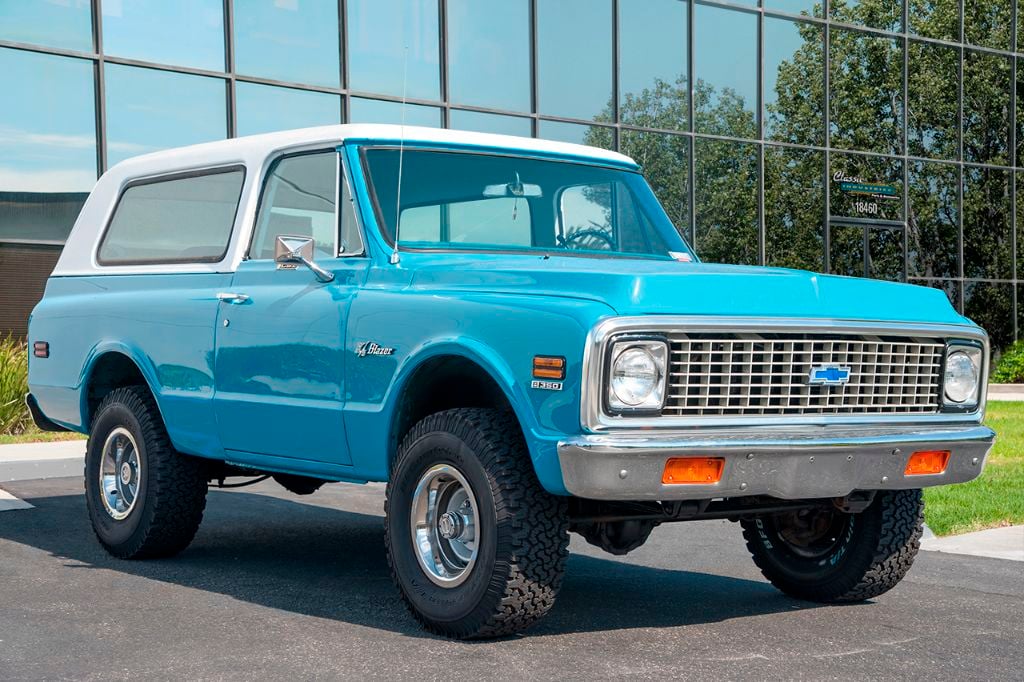
The final nail in the coffin was the "cool factor." SUVs like the original K5 Blazer offered a sense of adventure and ruggedness that the "suburban" wagon couldn't match. As the market shifted, manufacturers found it more profitable to produce a single SUV platform that could be sold to everyone—families, outdoor enthusiasts, and fleet managers—rather than maintaining five different body stampings for a single sedan model.
Today, for those who miss the "long roof" aesthetic, the options are limited. High-end European manufacturers like Audi and Volvo still offer wagons, but the American "full-size" specialized wagon—like that North Dakota Biscayne—is a ghost of the past.
FAQ
What is the difference between a station wagon and a sedan delivery? A station wagon is designed for passengers, featuring rear seats and full windows. A sedan delivery is a commercial vehicle based on a wagon chassis but usually features solid metal panels instead of rear windows and lacks rear seats, providing a flat load floor for cargo. The 1960 Biscayne fleet vehicle found in North Dakota is unique because it combines the wagon's windows with the sedan delivery's lack of rear seating.
How rare is a 1960 Chevy Biscayne two-door wagon? While Chevrolet produced hundreds of thousands of cars in 1960, the two-door station wagon (Brookwood/Biscayne) was produced in much smaller numbers than the four-door versions. Government-spec hybrids with specific "sedan delivery" interior deletes are exceptionally rare today, as most were driven to exhaustion in service and scrapped decades ago.
Can a 1960 Biscayne be made to handle like a modern car? Yes, but it requires significant investment. Through "restomodding," enthusiasts replace the original frame or suspension with modern independent setups, rack-and-pinion steering, and high-performance disc brakes. This allows a 64-year-old car to achieve handling and braking figures comparable to a modern sports sedan.
Explore the World of Classic Restoration
Are you looking to rediscover a piece of automotive history? Whether you are hunting for a rare fleet "unicorn" or planning a 700-hp restomod build, the journey starts with the right expertise.