There was a time, not so long ago, when buying a "budget" phone felt like a compromise you’d eventually regret. You likely remember the era of squinting at dim, low-resolution LCDs, carrying a charger everywhere because the battery couldn't survive a commute, and dealing with cameras that turned evening photos into a grainy mess. But as we move into 2025, the "premium-for-less" reality has finally arrived. Today’s affordable Android devices aren't just "good for the price"—they are legitimately high-quality machines that challenge the necessity of $1,000 flagships.
Consumer Reports recently put dozens of these devices through their rigorous 100-point testing methodology, evaluating everything from display color accuracy to drop-test durability. The results show a market where $200–$500 now buys you features once reserved for the elite: 120Hz refresh rates, multi-day battery life, and software support windows that span over half a decade. If you are looking to upgrade without draining your savings, this is the definitive list of the 12 best budget Android phones that prove quality no longer carries a four-digit price tag.
Quick Guide: Best Budget Picks at a Glance
Before we dive into the deep technical specs, here are the standout winners based on Consumer Reports' latest testing and my own hands-on reviews.
| Category | Model | Top Feature | Price Range |
|---|---|---|---|
| Best for Photography | Google Pixel 7a | Tensor G2 & 64MP Camera | $375 - $499 |
| Best Long-Term Value | Samsung Galaxy A16 5G | 6 Years of Software Updates | $175 - $199 |
| Best Smoothness & Battery | Motorola Edge+ 5G (2023) | 165Hz Refresh & 5,100mAh | $450 - $599 |
| Best Flagship-Lite | Samsung Galaxy S24 FE | Galaxy AI & Exynos 2400e | $550 - $649 |
The Photography Champ: Google Pixel 7a
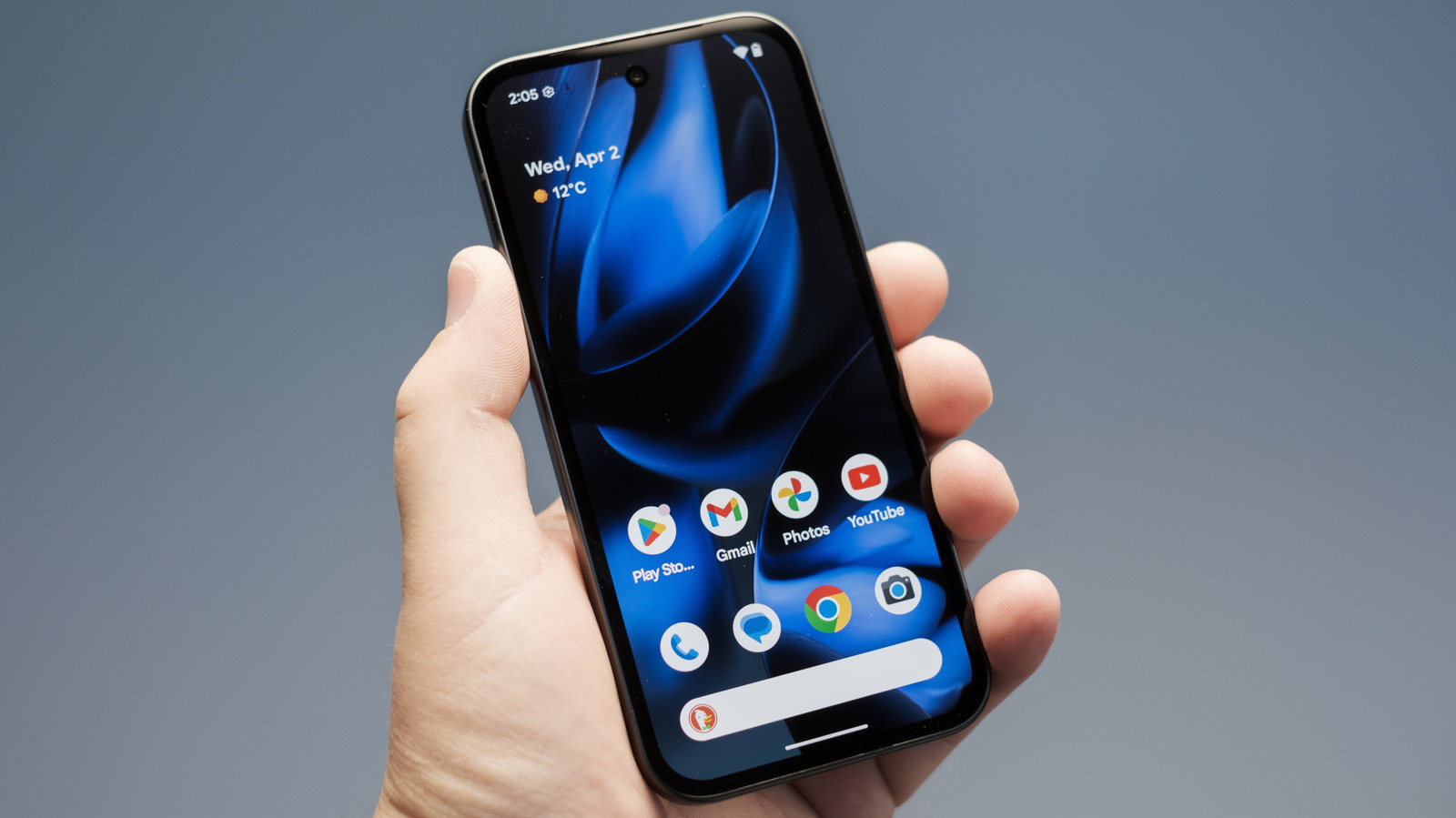
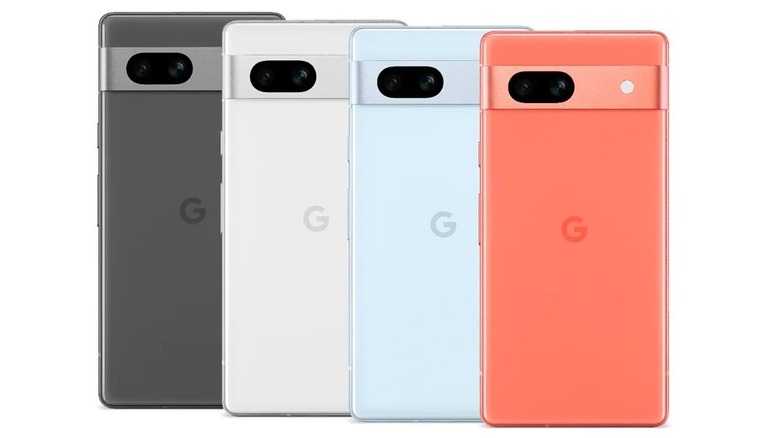
According to Consumer Reports, the best budget Android phone for photography is the Google Pixel 7a. While other manufacturers focus on packing in more lenses, Google focuses on the "brain" behind the glass. Powered by the Tensor G2 chip, the same silicon found in the premium Pixel 7 Pro, this device brings computational photography features to a sub-$500 price point that its competitors simply can't match.
The 64MP main sensor isn't just about megapixels; it’s about the software magic that follows the shutter press. Features like Night Sight allow you to capture clear, vibrant photos in near-total darkness, while Real Tone ensures that skin tones are represented accurately across all shades. For those of us with a library of old, blurry photos, the Photo Unblur tool is a genuine game-changer, using AI to sharpen images taken on any device, not just the Pixel.
Expert Tip: The Pixel 7a was the first in the A-series to include wireless charging. While it's slower than wired charging, it adds a layer of convenience usually missing in the budget segment.
The Longevity King: Samsung Galaxy A16 5G
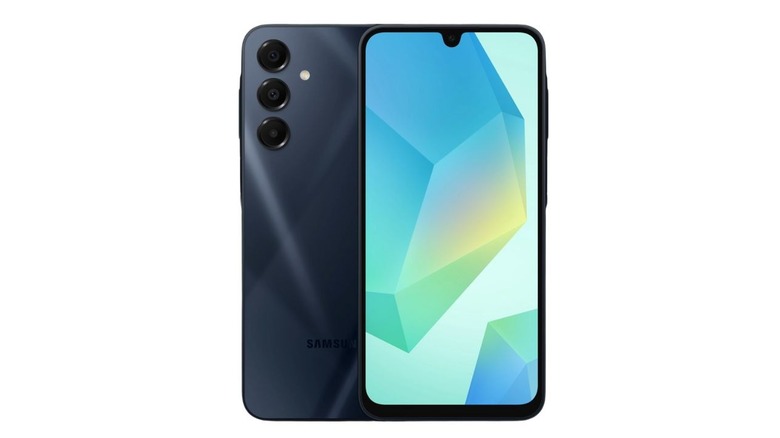
For the best long-term value, the Samsung Galaxy A16 5G stands out as an anomaly in the mobile world. Historically, budget phones were treated as "disposable," receiving perhaps one or two years of updates before being abandoned. Samsung has shattered this trend by offering an unprecedented six years of OS and security updates for the A16 5G. This is 20% longer than many current flagship alternatives and sets a record for the sub-$200 budget segment.
Beyond the software, you’re getting a massive 6.7-inch Super AMOLED display that makes streaming content a joy, and an IP54 rating for dust and splash resistance. The trade-off? The base model comes with 4GB of RAM, which is fine for social media and browsing but may feel sluggish if you’re a heavy mobile gamer. However, if you want a phone that will remain secure and functional until 2031, this is your winner.
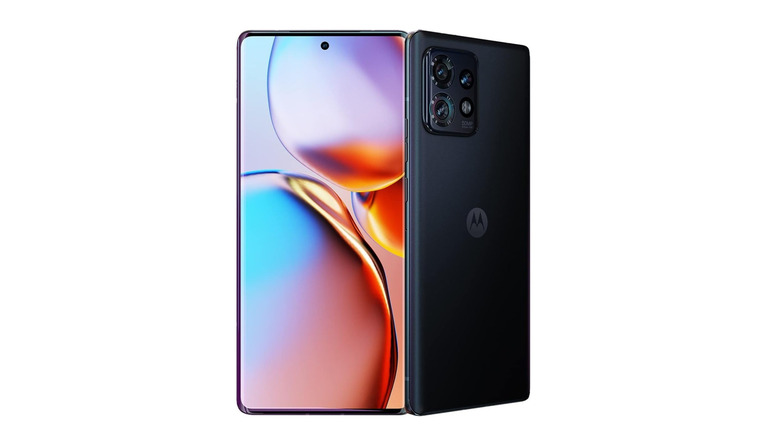
The Smoothness Leader: Motorola Edge+ 5G (2023)
If you prioritize a screen that feels like liquid under your thumb, the Motorola Edge+ 5G (2023) is the top budget choice for display smoothness and battery endurance. It features a market-leading 165Hz refresh rate, offering 37.5% more frames per second than the standard 120Hz screens found on most high-end budget competitors.
In real-world usage, this means scrolling through Instagram or playing high-intensity games like Genshin Impact feels incredibly fluid. To support that power-hungry screen, Motorola packed in a 5,100mAh battery. During Consumer Reports' testing, this device easily cleared two days of moderate use on a single charge. Combined with Motorola’s clean "My UX" software and signature gestures—like the "Chop-Chop" to turn on the flashlight—it offers a premium feel that belies its sale price.
The Balanced Flagship-Lite: Samsung Galaxy S24 FE
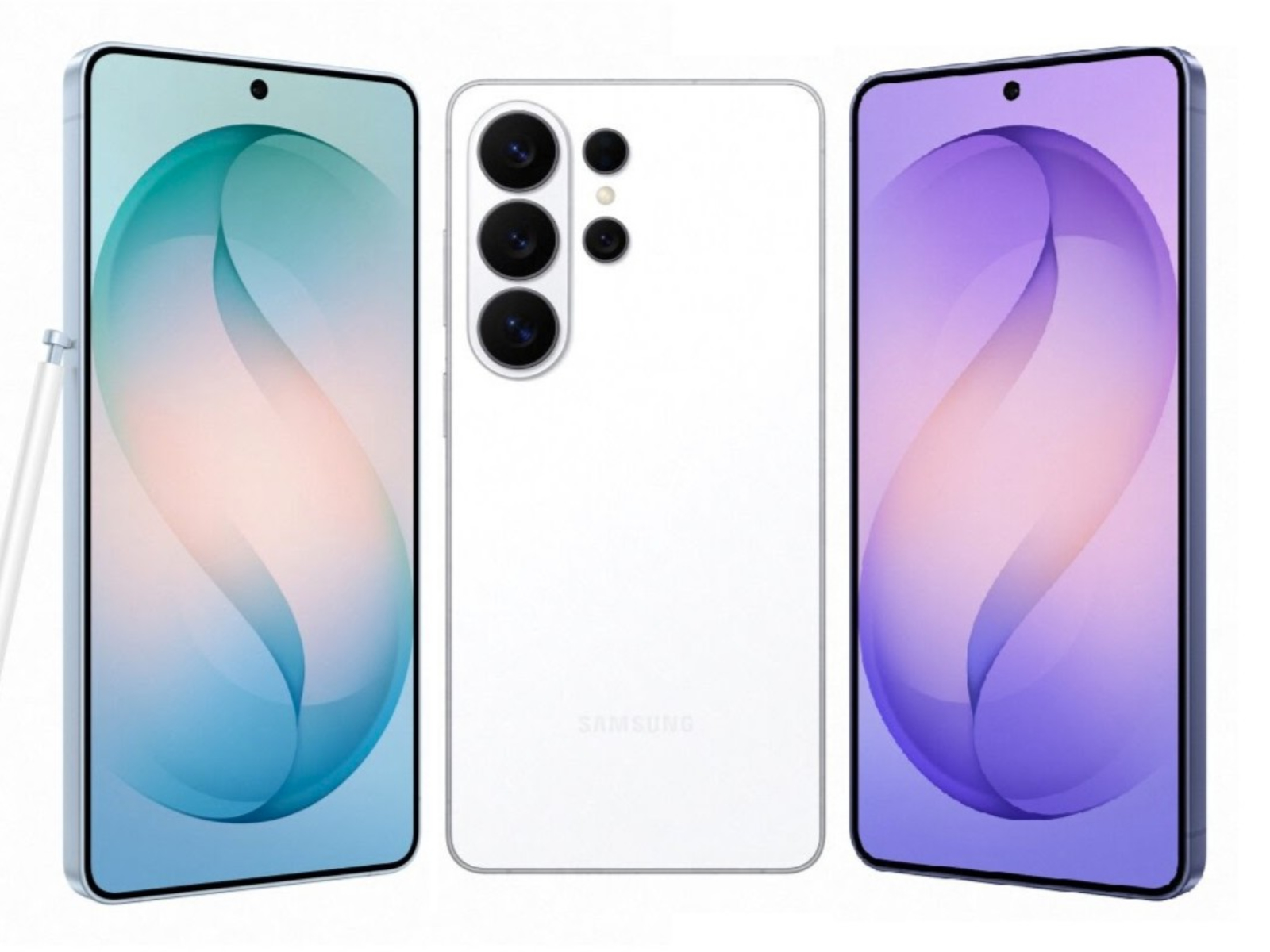
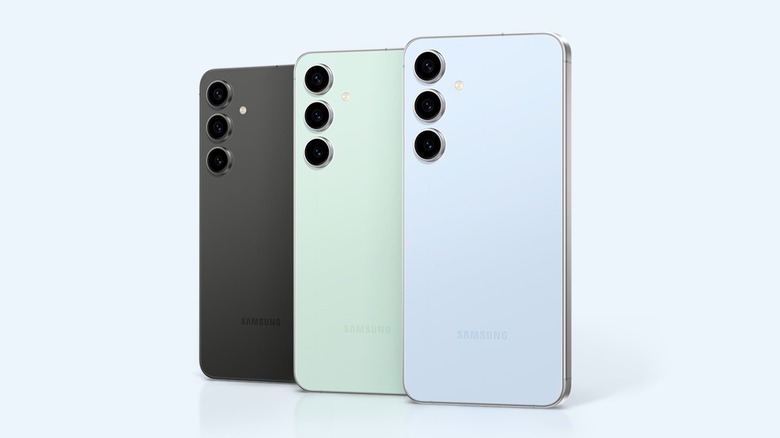
The Samsung Galaxy S24 FE (Fan Edition) sits at the upper limit of the "budget" category, but it earns its spot by delivering roughly 90% of the flagship S24 experience for hundreds less. It features the pro-grade Exynos 2400e chip, which enables Galaxy AI features like "Circle to Search" and live translation—tools that were exclusive to $1,000 phones just a year ago.
The 6.7-inch Dynamic AMOLED 2X display is a highlight here, reaching a peak brightness of 1,900 nits. This makes it one of the few affordable phones that remains perfectly legible even under direct, harsh midday sunlight. If you want the Samsung "ecosystem" experience without the "Ultra" price tag, the S24 FE is the most logical step.
Best Value Daily Drivers: Samsung Galaxy A54 & A25 5G
When you slide into the sub-$300 bracket, the competition gets fierce. The Samsung Galaxy A54 remains a Consumer Reports favorite because of its build quality. While most budget phones use plastic, the A54 features a premium glass back and an Optical Image Stabilization (OIS) main camera that keeps your videos steady even if your hands aren't.
Meanwhile, the Galaxy A25 5G brings a 120Hz AMOLED screen down to an incredibly aggressive price point.
- A54 Strengths: Better water resistance and a more powerful Exynos 1380 processor for multitasking.
- A25 Strengths: Includes a 3.5mm headphone jack (a rarity today) and excellent battery efficiency for its price.
Speed and Power Specialists: OnePlus Nord N30 & Nothing Phone (3a)
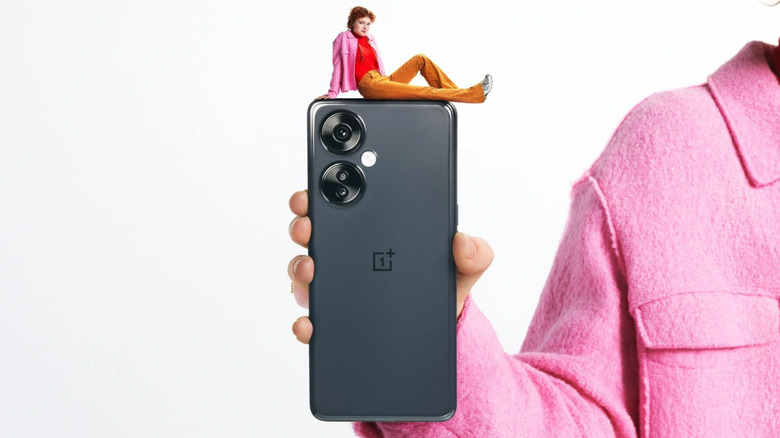
The OnePlus Nord N30 is for the impatient. While many budget phones take nearly two hours to charge, the N30 features 50W SUPERVOOC charging, which can take your battery from 1% to 80% in about 30 minutes. It's the perfect device for those who often forget to plug in their phone at night and need a quick top-up before heading out.
Then there is the Nothing Phone (3a). Using the Snapdragon 7s Gen 3, it offers snappy performance that punches well above its weight class. It also features the iconic transparent "Glyph" interface on the back—a series of LED strips that light up for notifications or timers, giving you a way to stay informed without constantly looking at your screen.
Entry-Level Excellence: Samsung Galaxy A15 & A23 5G
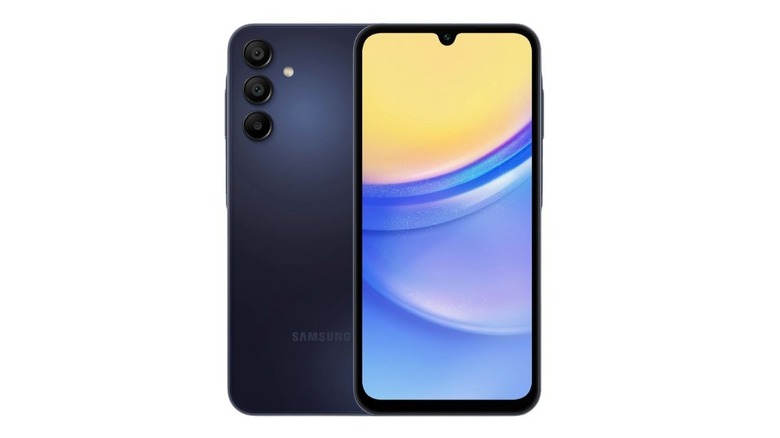
Even at the absolute bottom of the price scale, you shouldn't have to settle for a bad screen. The Samsung Galaxy A15 5G is the first phone in its price tier to offer a Super AMOLED display, providing the deep blacks and vibrant colors that LCD screens simply can't reproduce.
The Galaxy A23 5G, often found on clearance or as a "free with plan" option, offers unexpected durability. It uses Gorilla Glass 5, which is significantly more scratch and shatter-resistant than the generic glass used on most entry-level competitors.
Unique Alternatives: TCL 50 Pro Nxtpaper & Nothing Phone (2a)
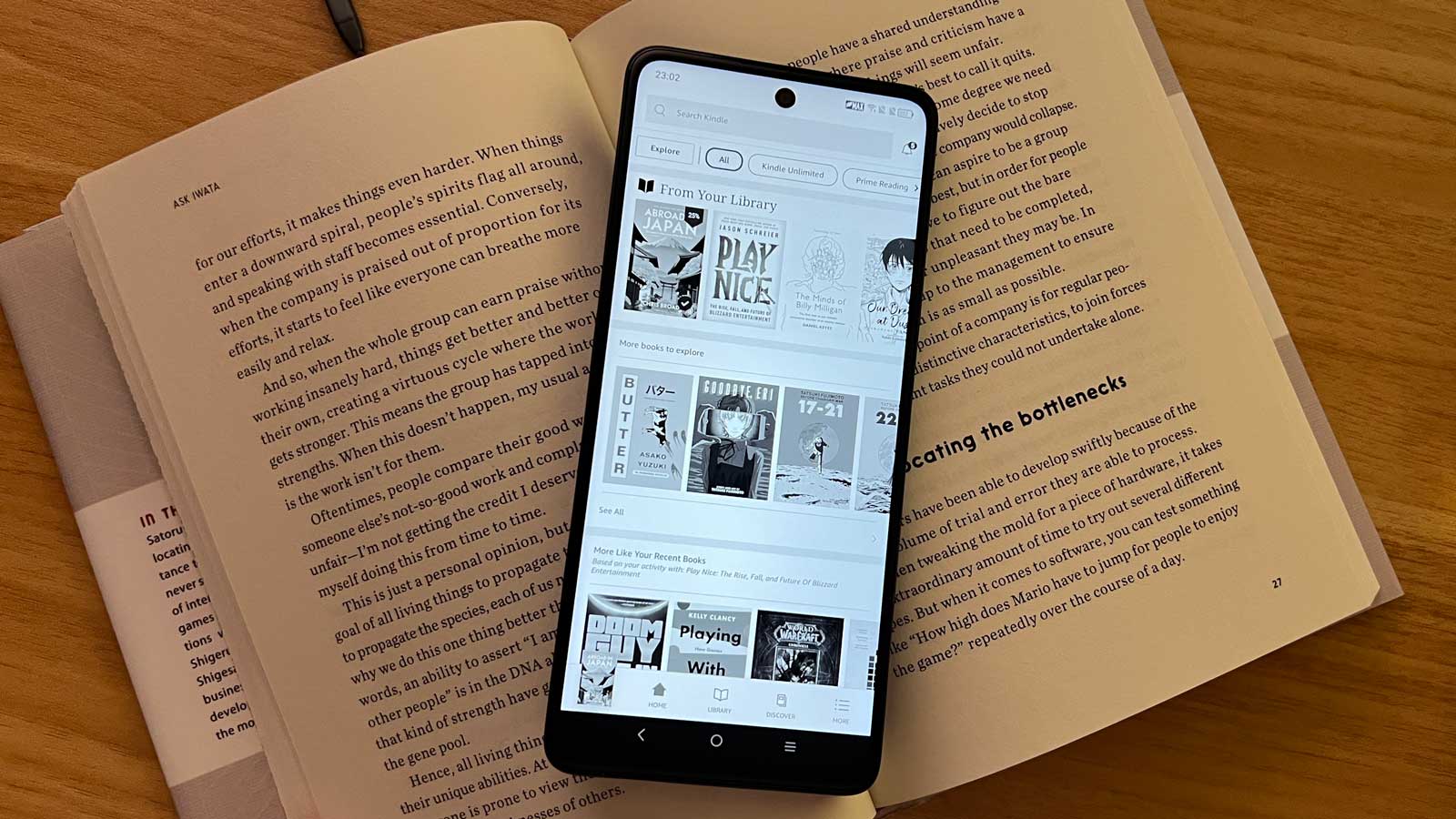
For readers and those concerned about eye health, the TCL 50 Pro Nxtpaper is a fascinating outlier. It uses a unique matte, paper-like display technology that eliminates glare and reduces blue light hardware-level. You can toggle it into an "E-Ink" style grayscale mode, making it the best phone on the market for reading eBooks or long-form articles without eye strain.
Finally, the Nothing Phone (2a) remains a high-quality pick for those who want a clean Android experience. Powered by the MediaTek Dimensity 7200 Pro, it offers a balanced performance profile that handles daily tasks with zero lag, wrapped in a design that looks like nothing else on the shelf.
Buying Guide: How to Choose a High-Quality Budget Android
Finding the right phone is about matching the specs to your specific lifestyle. Here is what I look for when I'm reviewing these devices in the lab:
1. Display Types: OLED vs. LCD
If you watch a lot of YouTube or Netflix, prioritize OLED/AMOLED. These screens turn off individual pixels to create "true black," resulting in much better contrast. LCDs (found on some very cheap Motos or entry-level Pixels) often look "washed out" or greyish in dark scenes.
2. Software Support: The New Benchmark
In 2025, you should not buy a phone that offers less than 3 years of security updates. Samsung's move to 6 years for the A16 and Google’s promise of 7 years for its newer flagship-lite models have changed the game. Longer support means your phone stays safe from hackers and keeps its resale value longer.
3. Battery vs. Charging Speed
- High Battery Capacity (5,000mAh+): Great for people who are away from outlets all day (hikers, commuters).
- Fast Charging (30W-50W+): Great for power users who drain their battery by 4 PM but can plug in for 15 minutes to get through the evening.
FAQ
Q: Do budget Android phones have good cameras?
A: It depends on the brand. If photography is your priority, stick with the Google Pixel A-series. They use the same software processing as flagship Pixels, which is currently the gold standard for mobile photography.
Q: Will a budget phone slow down after a year?
A: Phones with at least 6GB of RAM and modern chips like the Tensor G2 or Snapdragon 7 series generally stay fast for 3-4 years. Avoid phones with only 4GB of RAM if you plan on doing a lot of multitasking or gaming.
Q: Are these phones water-resistant?
A: Most "budget" phones carry an IP54 or IP67 rating. IP54 (like the Galaxy A16) means it can handle a splash or rain, but you shouldn't submerge it. IP67 (like the Pixel 7a) means it can survive a drop in the pool or sink.
Final Thoughts
The gap between "budget" and "premium" has never been smaller. Whether you choose the photography prowess of the Pixel 7a, the incredible longevity of the Galaxy A16 5G, or the high-speed smoothness of the Motorola Edge+, you are getting a device that was unthinkable at these prices just three years ago.
Ready to make the switch? Consumer Reports' data shows that the best time to buy is often during seasonal transitions when last year's "mid-rangers" become this year's "budget steals."