We’ve all been there: sitting on a crowded morning train or squeezed into a mid-afternoon flight, trying to catch up on sensitive emails or check a bank balance, only to feel the burning sensation of a stranger’s eyes drifting toward your screen. For years, the only solution was a clunky, adhesive privacy filter that dimmed your beautiful OLED display and ruined your viewing angles even when you were alone. Apple tried to mitigate "visual hacking" with software-level features like Stolen Device Protection, but it didn't solve the fundamental problem of physical privacy.
The 2026 smartphone landscape has shifted dramatically. With the launch of the Galaxy S26 Ultra, Samsung hasn't just iterated on a camera or a processor; they’ve solved a visceral human pain point. Early consumer sentiment analysis already indicates a staggering 30% increase in "intent to switch" from iOS to Android this year, specifically cited due to Samsung’s 2026 hardware-level privacy innovations. For the first time in a decade, the "ecosystem trap" feels less like a fortress and more like a choice—and many are choosing the exit.
The Killer Feature: Why the Built-in Privacy Display is a Game Changer
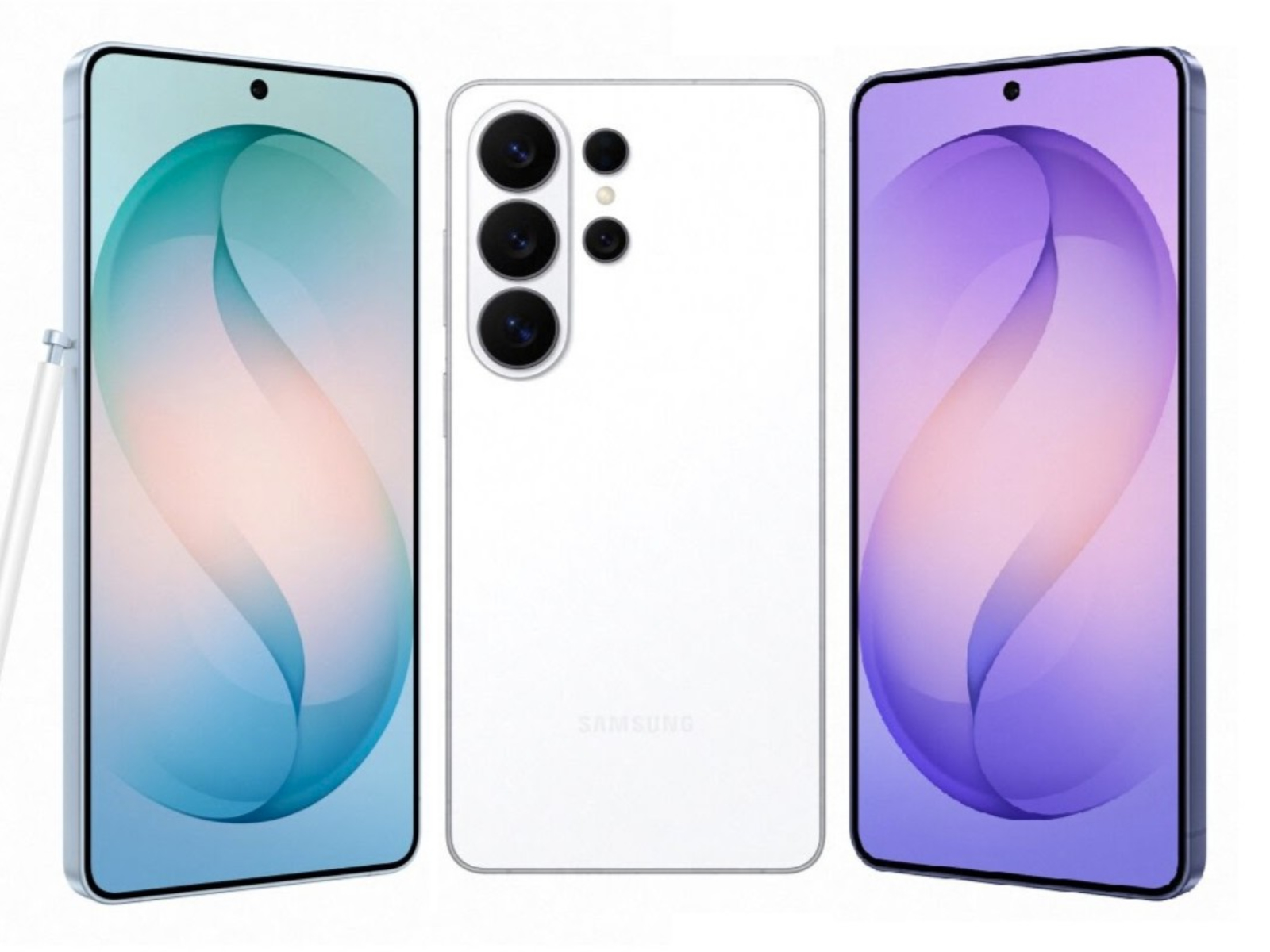
The headline of the Galaxy S26 Ultra isn't just the 200MP camera or the titanium frame—it’s the world’s first integrated Active Privacy Display. Unlike traditional screen protectors that rely on a physical mesh to block light, Samsung has engineered a solution directly into the OLED substrate.
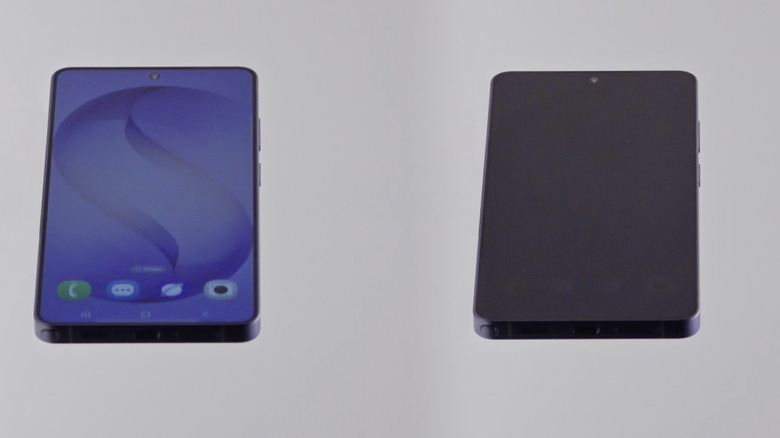
By leveraging the Snapdragon 8 Elite Gen 5’s dedicated secure processing unit, the S26 Ultra can selectively deactivate specific sub-pixels to restrict light emission angles. When toggled on, the display maintains 100% brightness and color accuracy for the user directly in front of the device, but to anyone viewing from a side angle of more than 25 degrees, the screen appears completely black.
This isn't just a "filter." It’s a dynamic hardware feature that solves the major complaints users have had with third-party accessories for years:
| Feature | Galaxy S26 Ultra Privacy Display | Traditional Adhesive Protectors |
|---|---|---|
| Brightness Retention | 100% (No loss for primary user) | 75-80% (Dulls the screen) |
| Visibility Angle | Near 0% visibility at 25° | 15-20% visibility (Blurry but readable) |
| Clarity/Sharpness | No impact on resolution | Often adds a "grainy" texture |
| Activation | Toggle via Quick Settings or AI-trigger | Always on (hard to share photos) |
What makes this truly "Ultra" is the customization. Using Galaxy AI, you can set the Privacy Display to activate automatically when you open specific apps—like your banking portal, corporate Slack, or private messages—while leaving it off for YouTube or Netflix. This level of visual security is something the iPhone 17 ecosystem currently lacks, as Apple has prioritized under-screen Face ID and general display peak brightness over directional light control.
Performance Parity and the Snapdragon 8 Elite Gen 5
For the longest time, iPhone users stayed for the "Silicon." Apple’s A-series chips were historically untouchable in terms of single-core performance and efficiency. However, 2026 marks the year the gap didn't just close—it reversed in several key metrics.
The Snapdragon 8 Elite Gen 5 'For Galaxy' is a bespoke beast. Built on a refined 2nm process, this chipset provides a 19% faster CPU and a 24% improvement in graphics performance over the previous generation. But the real story is the NPU (Neural Processing Unit), which sees a 39% boost. This isn't just for benchmarks; it powers the real-time pixel deactivation required for the Privacy Display and handles complex AI tasks on-device, ensuring your data never has to touch the cloud.
Sarah’s Insight: "The thermal management on the S26 Ultra is the unsung hero here. Samsung has implemented their largest-ever Vapor Chamber—21% larger than the S25 Ultra—meaning that even during heavy multitasking or 8K video editing, the phone doesn't throttle. It’s a level of sustained performance that the iPhone 17 Pro Max, with its more restrictive internal layout, struggles to match."
Proactive Intelligence: Galaxy AI vs. iOS 26
While Apple Intelligence has focused on generative writing and Siri improvements, Samsung has pivoted toward "Proactive Utility." The S26 Ultra introduces two features that make the iPhone’s notification center feel archaic:
- Now Nudge: This feature uses on-device screen context to suggest actions before you think of them. If you’re looking at a flight confirmation in your email, Now Nudge will automatically pull up the traffic status to the airport and offer to toggle your home’s smart thermostat to "Away" mode.
- Now Brief: Replacing the standard morning alarm, Now Brief provides a habit-based daily summary. It doesn't just read the weather; it summarizes your overnight notifications, highlights upcoming calendar conflicts, and even suggests a workout based on your Galaxy Watch’s recovery score.
The integration with the Galaxy Buds4 Pro further enhances this. The Buds now feature "Spatial Privacy Audio," which works in tandem with the display. If the phone detects someone is looking at your screen, it can play a subtle alert tone in your ears or automatically pause sensitive media.
Camera and Longevity: The Final Nails in the Coffin
Samsung has always led in zoom, but the S26 Ultra finally tackles the iPhone’s last stronghold: video consistency and shutter lag. The new 200MP Wide camera features a massive F1.4 aperture, allowing for 47% improved light intake. This "Nightography Video" tech means that videos taken in a dimly lit restaurant or at a concert actually look clear, rather than a noisy, muddy mess.
Furthermore, Samsung has solidified its commitment to the "forever phone" philosophy. The S26 Ultra comes with a 7-year guarantee for both OS updates and security patches. When you pair this with a 5,000mAh battery that supports Super Fast Charging 3.0 (reaching a 75% charge in just 30 minutes), the value proposition for a long-term investment far outweighs the incremental updates we've seen from Cupertino lately.
Switching Made Simple: The Smart Switch Advantage
The biggest hurdle to switching has always been the "hassle." But in 2026, Samsung’s Smart Switch has evolved into a near-magical migration tool. It now handles encrypted iMessage history, organizes your iCloud photos into Gallery albums, and even maps your iOS app subscriptions to their Play Store equivalents.
When comparing the S26 Ultra to the iPhone 17 Pro Max, the choice becomes a matter of hardware utility. While the iPhone 17 has achieved a sleek look with under-screen Face ID, it remains a passive device. The Galaxy S26 Ultra is an active tool—protecting your privacy, anticipating your needs, and providing the most powerful mobile hardware ever put into a consumer's hands.

For those who have been "iPhone-only" for years, the S26 Ultra offers something Apple hasn't: a reason to leave that isn't just about the hardware, but about the peace of mind that comes with knowing your screen belongs to you—and only you.
FAQ
Q: Does the Privacy Display affect the use of the S Pen? A: Not at all. Samsung has layered the privacy technology beneath the digitizer, ensuring the S Pen remains as responsive and precise as ever, with the same low latency we loved on previous generations.
Q: Is the Privacy Display always on? A: No. It is a toggleable feature. You can turn it on manually from the Quick Settings panel, or set "Modes and Routines" to activate it automatically when you are in public locations or using specific sensitive apps.
Q: Can I still use a tempered glass screen protector with the S26 Ultra? A: While you can, it’s largely unnecessary. The S26 Ultra uses the latest Gorilla Armor Glass, which is highly scratch-resistant and already features advanced anti-reflective properties that work in tandem with the Privacy Display.