The DJI Air 3S represents the most significant shift in the mid-range drone market we have seen in years. As we move into 2025, the conversation around consumer drones has moved beyond simple flight stability and into the realm of professional-grade imaging and advanced spatial awareness. For the traveler, the content creator, or the weekend enthusiast, the Air 3S isn't just an incremental update; it is a calculated refinement of what a mid-sized drone should be.
Is the DJI Air 3S worth the upgrade from the Air 3 or a step up from the Mini 4 Pro? For those who prioritize low-light performance and uncompromised safety during night-time operations, the answer is a resounding yes. With the introduction of the first-ever consumer-grade LiDAR system and a primary 1-inch sensor, DJI has effectively blurred the lines between its enthusiast "Air" line and the professional "Mavic" series.
Key Specifications at a Glance
To understand where the Air 3S sits in the 2025 landscape, we must look at the hard data. The following table compares the Air 3S with its most frequent competitors.
| Feature | DJI Air 3S | DJI Air 3 | DJI Mini 4 Pro |
|---|---|---|---|
| Main Sensor | 1-inch CMOS (50MP) | 1/1.3-inch CMOS (48MP) | 1/1.3-inch CMOS (48MP) |
| Telephoto Sensor | 1/1.3-inch CMOS (70mm) | 1/1.3-inch CMOS (70mm) | N/A |
| Obstacle Sensing | Omnidirectional + Forward LiDAR | Omnidirectional (Vision) | Omnidirectional (Vision) |
| Weight | 724g | 720g | 249g |
| Max Flight Time | 45 Minutes (Rated) | 46 Minutes | 34-45 Minutes |
| Transmission | O4 (Up to 20km) | O4 (Up to 20km) | O4 (Up to 20km) |
| Internal Storage | 42GB | 8GB | 2GB |
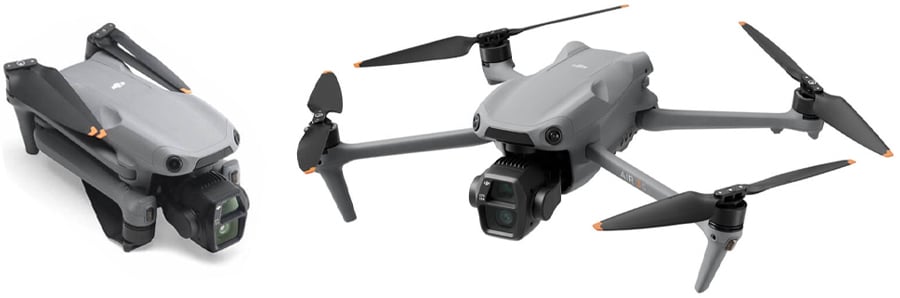
The Primary Upgrade: Dual Camera System & Low-Light Power
The centerpiece of the DJI Air 3S is undoubtedly its new primary camera. While the previous Air 3 utilized dual 1/1.3-inch sensors, the Air 3S upgrades the wide-angle lens to a massive 1-inch CMOS sensor. In technical terms, this provides a 65% larger sensor surface area compared to the primary camera on the Mini 4 Pro.
For the real-world shooter, this translates to significantly higher dynamic range and a much cleaner image in low-light environments. During our testing in the blue hour over urban landscapes, the Air 3S maintained detail in the shadows that would typically be lost to noise on smaller-sensored drones.
- Dual Focal Lengths: The Air 3S maintains the highly versatile dual-camera setup: a 24mm equivalent wide-angle and a 70mm equivalent medium telephoto. This "compression" effect on the 70mm lens is a favorite for travel cinematographers, allowing you to capture subjects with a cinematic depth of field that looks professional rather than "drone-like."
- Video Capabilities: You are looking at 4K/60fps HDR video as standard, with the ability to push to 4K/120fps for stunning slow-motion shots. The 10-bit D-Log M and HLG color modes are present, offering the flexibility needed for serious color grading in post-production.
- Internal Storage: A major quality-of-life improvement is the 42GB of built-in storage. For those of us who have occasionally forgotten an SD card at the hotel, this is a lifesaver, allowing for significant high-res capture without an external card.
Safety First: The World's First Consumer LiDAR Drone
The most innovative feature of the Air 3S is the integration of a forward-facing LiDAR (Light Detection and Ranging) sensor. Traditionally reserved for high-end industrial drones or autonomous vehicles, LiDAR allows the drone to "see" in total darkness.
How does this change your flight experience? Standard vision-based obstacle avoidance systems rely on light; they are essentially blind at night. The Air 3S uses its LiDAR to map out the environment even when there is zero ambient light. This powers the enhanced Night-time Obstacle Sensing, making the drone significantly safer for sunset or sunrise shoots where you might be flying near trees or buildings.
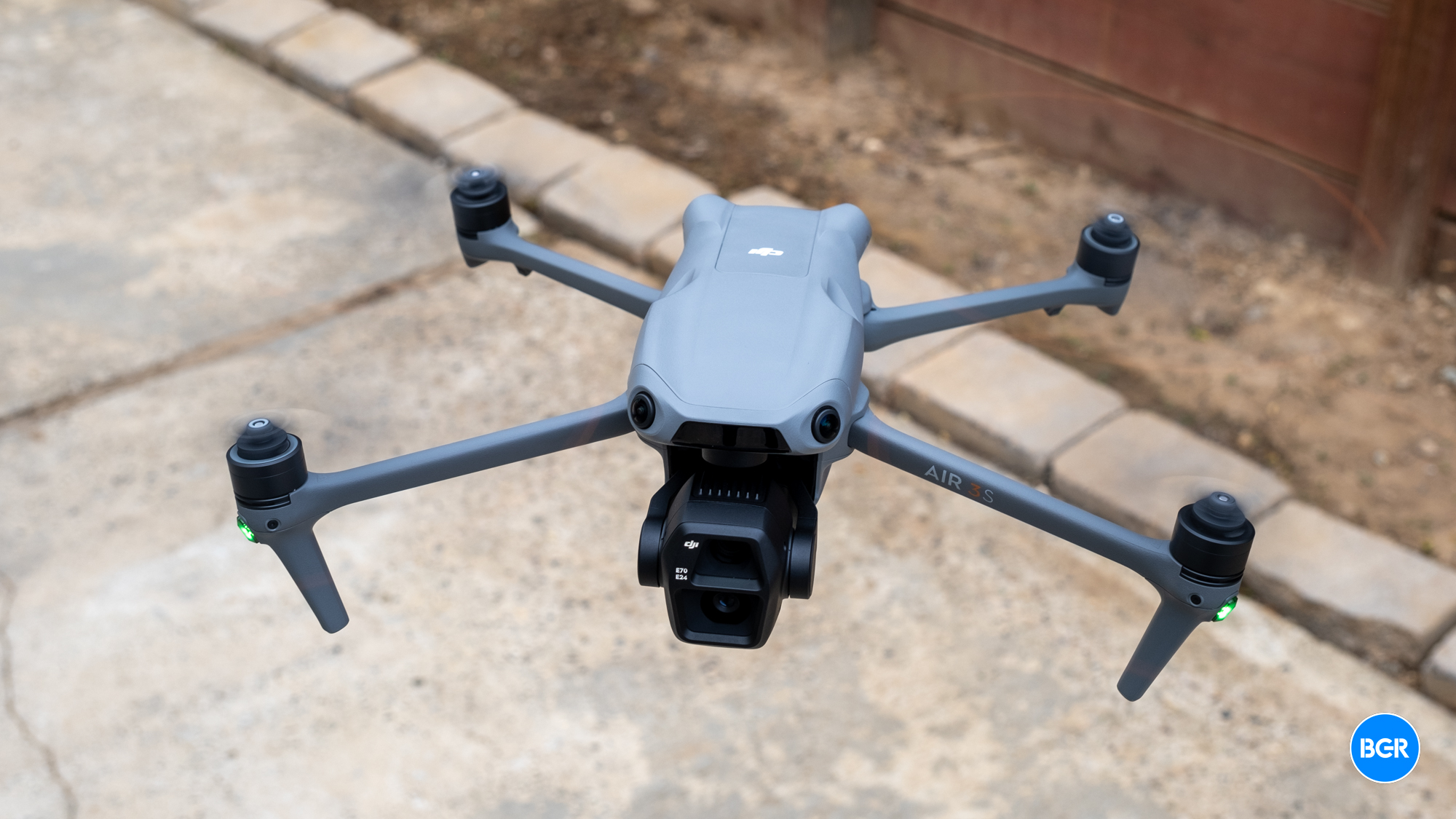
Furthermore, the Next-Gen Smart Return-to-Home (RTH) is a revelation. By leveraging the LiDAR data, the Air 3S can memorize its flight path and navigate around obstacles during its return journey, even in environments without a GPS signal (such as under a thick forest canopy or between skyscrapers). For a $1,000+ investment, this level of "idiot-proofing" is arguably the most valuable feature DJI has introduced in years.
Battery Life & Real-World Flight Performance
DJI markets the Air 3S with a 45-minute flight time. However, as an objective reviewer, I must emphasize that "marketing minutes" and "real-world minutes" are rarely the same.
In our real-world testing—considering moderate wind conditions (15-20 mph) and typical flight mode usage (mixing Sport mode with standard positioning)—the DJI Air 3S typically yields 35 to 40 minutes of actual flight time. You should always plan your "Land Now" warning for the 15% battery mark, which usually occurs around the 33-minute point.
The O4 transmission system remains the industry gold standard. While the theoretical range is listed at 20km, the practical takeaway is the rock-solid stability. We found that the Air 3S maintains a stable 1080p/60fps live feed at distances of up to 10-20km in low-interference areas. Even in congested urban environments, the signal penetration is noticeably superior to the older O3+ system found on the Mavic 3 series.
Choosing Your Combo: RC-N3 vs. DJI RC 2
The Air 3S is typically offered in three main configurations. Choosing the right one depends heavily on your existing gear and how you prefer to fly.
- Standard Combo (RC-N3): This requires you to plug in your smartphone. It is the most budget-friendly option, but it drains your phone battery and can be interrupted by incoming calls or notifications.
- Fly More Combo (RC-N3): Adds two extra batteries, a charging hub, and a shoulder bag. This is the "baseline" for any serious traveler.
- Fly More Combo (DJI RC 2): This includes the remote with a built-in 700-nit high-bright screen.
Expert Tip: If your budget allows, always opt for the DJI RC 2. The convenience of not having to faff with cables and phone clamps cannot be overstated. Furthermore, the 700-nit screen is generally brighter and more heat-resistant than most high-end smartphones when used in direct sunlight.
Check Current DJI Air 3S Pricing →
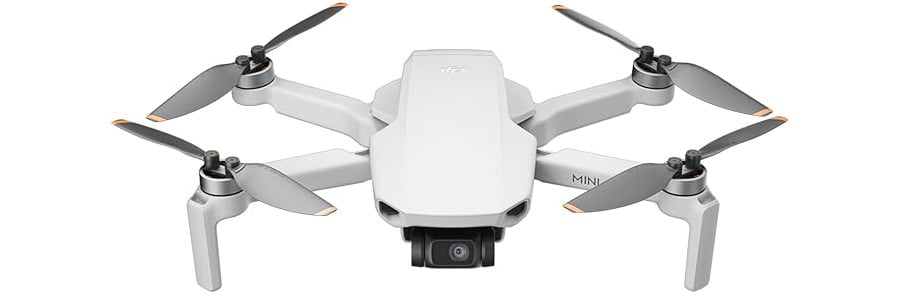
The Comparison: Air 3S vs. Mini 4 Pro vs. Mavic 4 Pro
The biggest hurdle for many buyers is the weight. Because the DJI Air 3S weighs 724g, it falls into a different regulatory category than the Mini series.
In the United States, you must register the DJI Air 3S with the FAA for any outdoor flight. This is a simple $5 process, but it is a legal requirement that doesn't apply to the 249g Mini 4 Pro (for recreational use). If you are a traveler who frequently visits countries with strict weight-based drone bans, the Mini 4 Pro remains your most "hassle-free" companion.
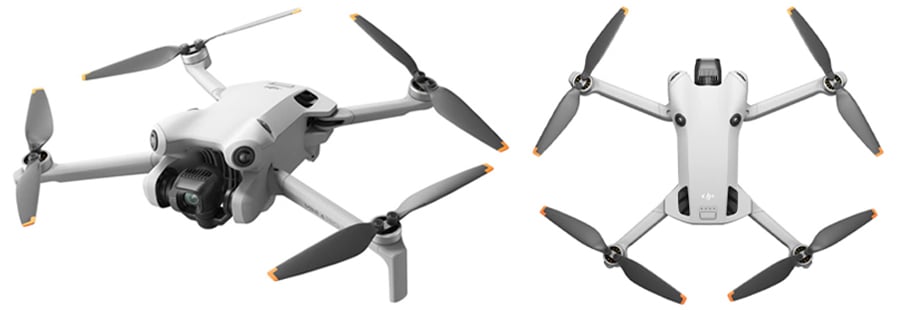
However, the trade-off is stability. The Air 3S, with its heavier frame and larger motors, handles high winds significantly better than the Mini series. If you plan on flying in coastal areas or mountain ranges where wind gusts are common, the 724g of the Air 3S is an asset, not a liability.
One area where the Mini series still holds an advantage for certain creators is social media. The Mini 3 and 4 series feature a gimbal that can rotate 90 degrees for native vertical shooting. The Air 3S, conversely, uses a 2.7K vertical crop mode. While the quality is excellent, it is not "true" vertical shooting using the full sensor resolution in a vertical orientation.
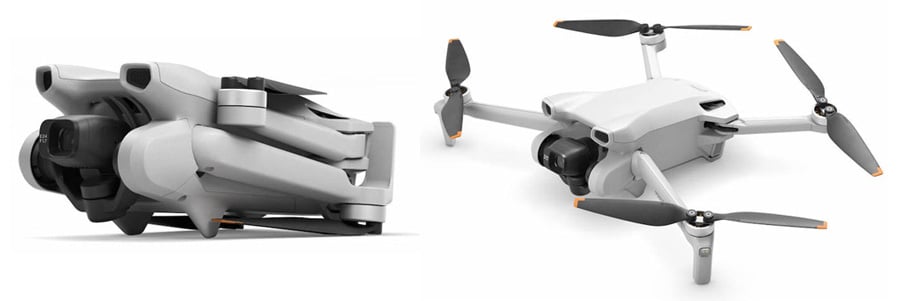
The 2025 Market Context: What About the DJI Ban?
For buyers in the United States, the political climate regarding DJI is a valid concern. As of early 2025, DJI products remain available for purchase and operation for consumer use. While various legislative "bans" have been discussed in Congress, these have primarily focused on future government procurement or the use of federal funds.
Existing DJI drones, including the Air 3S, continue to function via the DJI Fly app. For the average buyer, the risk of a "total bricking" of the device is statistically low, but it is a factor to keep in mind when investing over $1,000 in a tech ecosystem.
Conclusion: Who Should Buy the DJI Air 3S?
The DJI Air 3S is the "Goldilocks" drone of 2025. It is too powerful to be called an entry-level toy, yet portable enough to fit into a small daypack.
You should buy the DJI Air 3S if:
- You frequently shoot in low-light, sunset, or sunrise conditions.
- You want the safety of LiDAR-based obstacle avoidance.
- You desire the cinematic look of a 70mm telephoto lens but don't want to pay Mavic 3 Pro prices.
- You live in an area where wind stability is more important than the 250g weight limit.
You should stick with the Mini 4 Pro if:
- You are a casual traveler who wants to avoid FAA registration and strict international regulations.
- You primarily create content for TikTok or Instagram Reels (where native vertical shooting is key).
- Portability is your absolute #1 priority.
The Air 3S is an authoritative statement from DJI. It proves that you don't need to spend $2,500 on a professional rig to get a 1-inch sensor and elite-tier safety features. In the mid-range category, it currently stands alone.
FAQ
Q: Does the DJI Air 3S support Remote ID?
A: Yes. In compliance with FAA regulations, the DJI Air 3S has built-in Remote ID broadcasting. This is required for drones over 250g in the United States.
Q: Can I use the batteries from my old DJI Air 3 in the Air 3S?
A: Yes, the Air 3S is compatible with the Air 3 Intelligent Flight Batteries. This is excellent news for current Air 3 owners looking to upgrade just the aircraft.
Q: Is the LiDAR sensor active in all flight modes?
A: The LiDAR-enhanced obstacle sensing is most effective in "Normal" and "Cine" modes. In "Sport" mode, obstacle sensing is disabled to allow for maximum speed and maneuverability.
Ready to elevate your aerial photography?
The DJI Air 3S is now available through authorized retailers. Given the current supply chain fluctuations, we recommend purchasing through official channels to ensure you receive the 2025 firmware updates.