Quick Facts
- Launch Date: March 11, 2026
- Support Window: 7 years of guaranteed updates (until 2033)
- Operating System: Launching with One UI 8.5 (Android 16) and ending with Android 23
- Update Types: Includes both major Android OS upgrades and critical security maintenance releases
- Battery Longevity: Optimized for 800+ full cycles with advanced health management settings
- Sustainability Focus: Significant e-waste reduction through extended hardware lifecycle
- Primary Goal: To maximize smartphone longevity through proactive hardware care and consistent software support
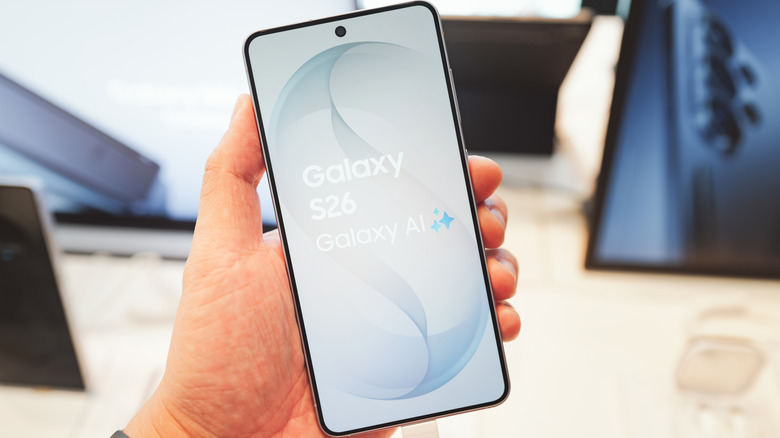
The Samsung Galaxy S26 series, launched March 11, 2026, is built for extreme smartphone longevity. With a 7-year update policy, it stays relevant until 2033, ensuring that users receive the latest One UI versions and security patches all the way through the release of Android 23.
The Samsung 7-Year Update Policy Explained
For years, the industry standard for flagship support hovered around three to four years. However, the Samsung 7 year update policy explained during the S26 launch signals a permanent shift toward sustainable consumer electronics. To put this in perspective, the Galaxy S21 series will reach its end-of-life in 2026, the very year the S26 begins its journey. While older models retire, the S26 is just starting a marathon that concludes in 2033.
This Samsung software support timeline is not just about aesthetic refreshes in the user interface. It is a tiered commitment:
- Major OS Upgrades: Yearly transitions from Android 16 through Android 23.
- Security Maintenance Releases: Monthly or quarterly patches that protect against emerging digital threats.
- Feature Drops: Periodic updates to Galaxy AI and ecosystem connectivity.
By extending the software life of these devices, Samsung is making a targeted effort toward e-waste reduction. When a phone remains secure and functional for seven years, it stays in the user's hand rather than a landfill. This shift reflects a maturing market where the hardware has become powerful enough to handle several generations of software evolution.
Hardware Reality Check: Making It to 2033
While software promises provide peace of mind, hardware degradation is a physical reality that every owner must confront. A chipset that feels lightning-fast today may encounter performance throttling in 2031 as applications become more resource-intensive. The Galaxy S26 features high-end chipset efficiency designed to mitigate this, but long-term component durability depends heavily on how the device is treated.
The impact of thermal stress on smartphone longevity cannot be overstated. High temperatures accelerate the chemical aging of internal components and can lead to micro-fractures in the motherboard over several years. While the S26 Ultra hardware utilizes advanced vapor chambers to dissipate heat, users should still be mindful of environmental factors. For a device to remain snappy through the Android 23 era, it needs to avoid the recursive cycle of overheating and cooling that characterizes heavy gaming or 8K video recording in direct sunlight.
Phone Battery Health Management: The 20-80 Rule
The most common reason users abandon a perfectly functional phone is a failing battery. According to recent market analysis, the average smartphone replacement cycle has reached a record high of approximately 3.7 years, often coinciding with the point where battery capacity drops below 80%. If you want to know how to make Galaxy S26 last 7 years, you have to master battery maintenance.
To extend the battery cycle life, experts recommend the 20-80 charging rule. Keeping your battery level between 20% and 80% reduces the stress on the lithium-ion cells, significantly slowing down hardware degradation. Samsung has integrated specific phone battery health management tools within the settings menu to automate this process, allowing you to limit the maximum charge to 80%.
Pro Tip: Use Dark Mode on the S26's AMOLED display. Since OLED pixels turn off completely to show black, this reduces power drain and minimizes heat generation, providing a double benefit for long-term health.
Thermal management is equally vital. Your phone operates best within a temperature range of 32º to 95º F. Consistently pushing the device beyond these limits during fast-charging or intensive tasks will shorten the lifespan of the battery. By following these smartphone battery health management tips, you can ensure the physical power source lasts as long as the software support.
Protecting Your Galaxy Flagship Trade-In Value
Even if you don't intend to keep the S26 until 2033, maintaining its condition is a smart financial move. Resale value protection is a hidden benefit of the extended Samsung software support timeline. Because the phone will still be receiving official updates in 2030, its value on the secondary market will remain significantly higher than older devices that have lost support.
Maximizing Galaxy flagship trade-in value requires a two-pronged approach:
- Physical Integrity: Use a high-quality screen protector and case from day one to avoid cosmetic damage.
- Functional Maintenance: Following the battery and thermal tips mentioned above ensures the device passes "functional health" checks during trade-ins.
When you look at the cost-of-ownership over seven years, the Galaxy S26 becomes one of the most economical flagships ever produced. Instead of spending $1,000 every three years, you are amortizing that cost over a much longer period, all while retaining a high trade-in floor for your next upgrade in the next decade.
FAQ
How long does a smartphone usually last?
Most modern flagship smartphones are designed to last between 3 to 5 years. While the hardware can often function longer, many devices are replaced because they no longer receive security updates or the battery capacity has diminished significantly. With the S26, the goal is to push this boundary to 7 years.
Can a smartphone last for 10 years?
Technically, yes, but it is challenging. While the hardware may remain intact, a 10-year-old phone usually suffers from severe performance lag due to modern apps requiring more RAM and processing power than the older chipset can provide. Additionally, finding replacement batteries for a decade-old device can be difficult.
Which phone has the highest longevity?
Currently, the Samsung Galaxy flagship series and the latest Google Pixel models offer the highest longevity in the Android ecosystem, both promising 7 years of full software support. This puts them on par with, and sometimes ahead of, the historical support lengths seen with Apple's iPhone.
How often should a cell phone be replaced?
There is no set rule, but a phone should generally be replaced when it no longer receives security updates or when the cost of repairs (like a screen and battery replacement) exceeds the device's actual value. With the Samsung Galaxy S26 software update schedule 2033, you have the luxury of waiting much longer than the average user before needing an upgrade.