When I’m halfway up a granite face in the Dolomites or solo-trekking through the humid dense-canopy of the Darién Gap, the last thing I want to worry about is whether my camera can handle the light or if I’ve run out of SD card space. For years, the 360-degree world was a one-horse race dominated by Insta360. But with the release of the DJI Osmo 360, the "GoPro of drones" has finally stepped into the immersive arena to challenge the reigning king, the Insta360 X5.
This isn’t just a spec-sheet battle; it’s a fundamental shift in how we capture adventure. I’ve spent the last month putting both of these 8K titans through the wringer—from low-light cave explorations to high-speed mountain bike descents. If you’re trying to decide which of these will live in your peak-bagging kit for 2026, here is the no-BS breakdown of what actually matters when the shutter clicks.
The Sensor Battle: Why Size Matters in the Dark
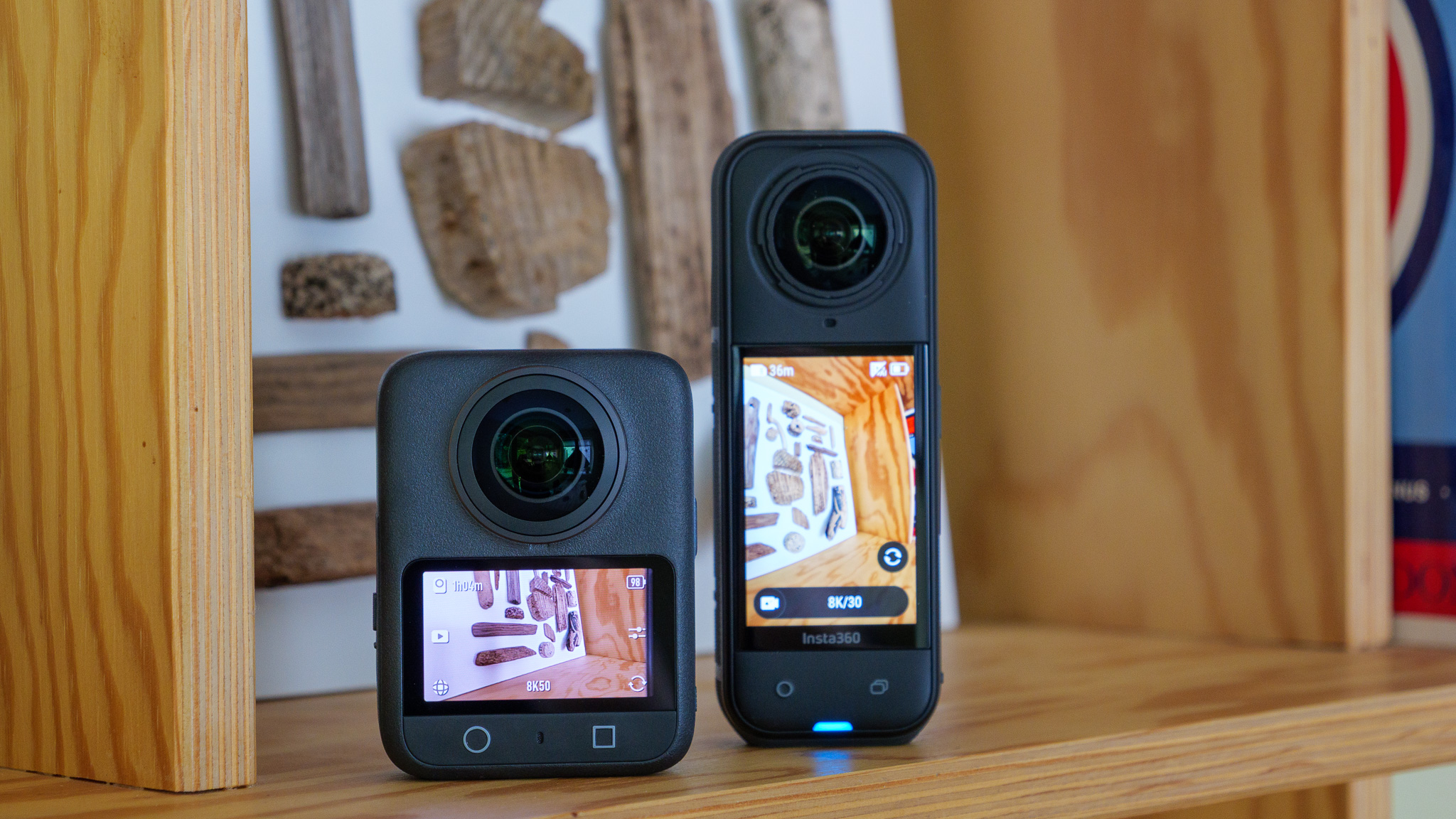
In the world of outdoor cinematography, light is your best friend and your worst enemy. Most 360 cameras fall apart the moment the sun dips below the horizon. DJI clearly identified this as the "X5 killer" feature. The Osmo 360 packs dual 1/1.1-inch CMOS sensors with a fast f/1.9 aperture. In contrast, the Insta360 X5 uses slightly smaller 1/1.28-inch sensors.
While that fractions-of-an-inch difference might seem trivial on paper, in the field, it translates to a massive leap in dynamic range. I tested these in a slot canyon at dusk—the ultimate torture test for small sensors. The DJI Osmo 360 pulled detail out of the shadows that looked like mud on the X5.
Direct Answer: Low-Light Performance
Is the DJI Osmo 360 better for low-light photography than the Insta360 X5? Yes. The DJI Osmo 360 features larger 1/1.1-inch sensors and a staggering ISO range of up to 51,200. This dwarfs the Insta360 X5’s 6,400 ISO limit, providing noticeably superior performance and less grain in dark or high-contrast environments.
The DJI also boasts an impressive 13.5 stops of dynamic range. When you're shooting into a bright sunset from inside a dark tent, the Osmo 360 manages to keep the highlights from blowing out while maintaining the texture of your gear in the foreground.
Video Performance: 8K/50fps vs. 8K/30fps
Resolution is the buzzword of the year, and both cameras proudly wear the "8K" badge. But as any pro filmmaker will tell you, resolution without a decent frame rate is just a slideshow.
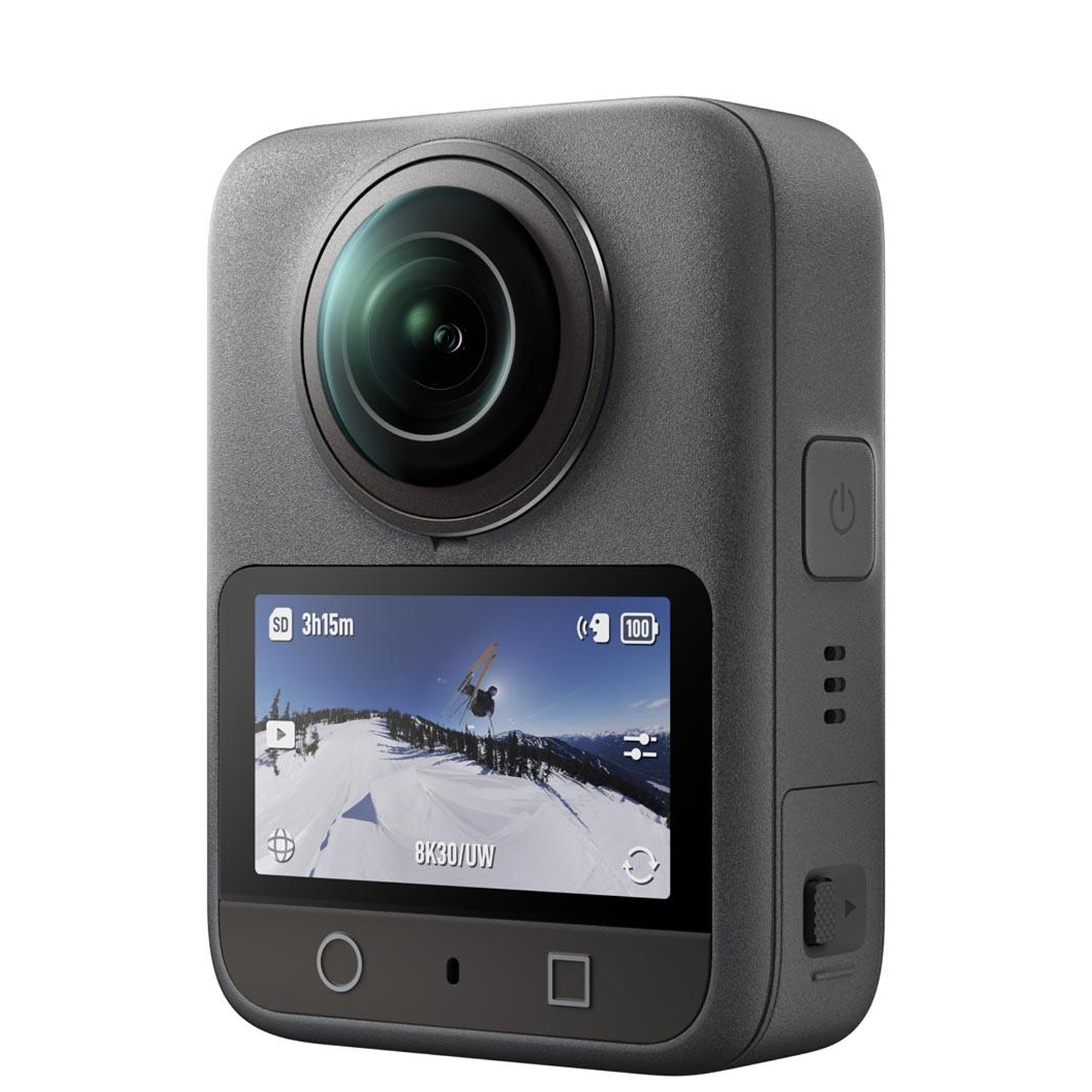
This is where the two diverge sharply in their "exposure philosophy." The DJI Osmo 360 supports 8K at 50 fps, whereas the Insta360 X5 is capped at 8K at 30 fps. If you are reframing your 360 footage—turning that immersive sphere into a traditional flat video—that extra 20 frames per second is the difference between cinematic fluidity and "stuttery" movement during fast pans.
Direct Answer: Video Frame Rates
Which 360 camera offers higher video frame rates? The DJI Osmo 360 wins for standard high-resolution recording with 8K at 50 fps. However, if you are an action sports enthusiast looking for slow-motion, the Insta360 X5 takes the lead with its ability to shoot 4K at 120 fps, allowing for 4x slow-mo that the DJI cannot currently match at that resolution.
For my fellow mountain bikers and skiers, the Insta360 X5’s 4K/120fps mode is a serious "pro" in the column. There is something magical about seeing a dirt jump captured in 360 and slowed down to a crawl while still maintaining crisp 4K quality.
Image Resolution: 120MP Stills Breakdown
If you’re a landscape photographer using 360 cameras to create massive panoramas, the DJI Osmo 360 just moved the goalposts. It delivers a 66.7% increase in panoramic photo resolution, pumping out 120MP files compared to the 72MP output of the Insta360 X5.
When I enlarged a shot taken at the summit of Mt. Whitney, the DJI files allowed me to crop in significantly more before seeing pixelation. However, there is a catch: Insta360’s "PureShot" AI processing and robust RAW (DNG) support still feel more mature for professional post-production workflows. DJI's files are sharp, but Insta360’s software ecosystem handles the stitching of those high-res files with slightly more grace in complex lighting.
Durability & Lens Guards: The Critical Dealbreaker
Let’s talk about the elephant in the room: The "Disposable Camera" problem. 360 cameras have bulbous, exposed lenses. You will drop them. You will scratch them.
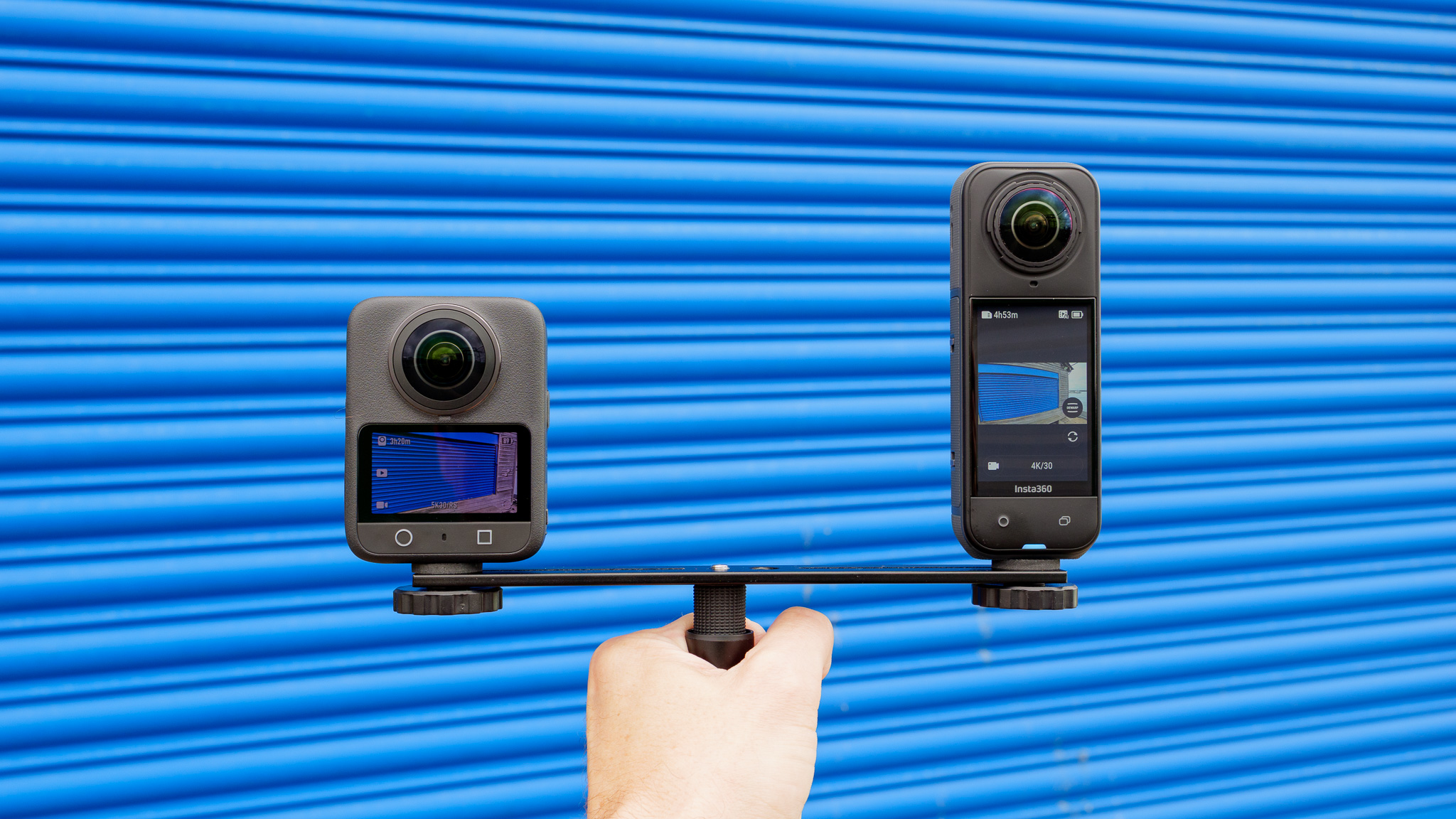
Insta360 has spent years perfecting their removable lens guards. While they can slightly affect image quality due to reflections, they save your camera. DJI, on the other hand, has opted for a design that—while offering superior optical clarity—makes lens replacement a nightmare. If you crack the glass on the Osmo 360, it’s likely going back to the factory for an expensive repair.
For an adventurer, this is a massive consideration.
- Insta360 X5: Water resistant to 15m (49ft) out of the box. Robust ecosystem of dive cases and replaceable guards.
- DJI Osmo 360: Water resistant to 10m (33ft). Better native "naked" optical quality but feels more fragile in "extreme" scenarios.
Vlogging Usability & Audio Fidelity
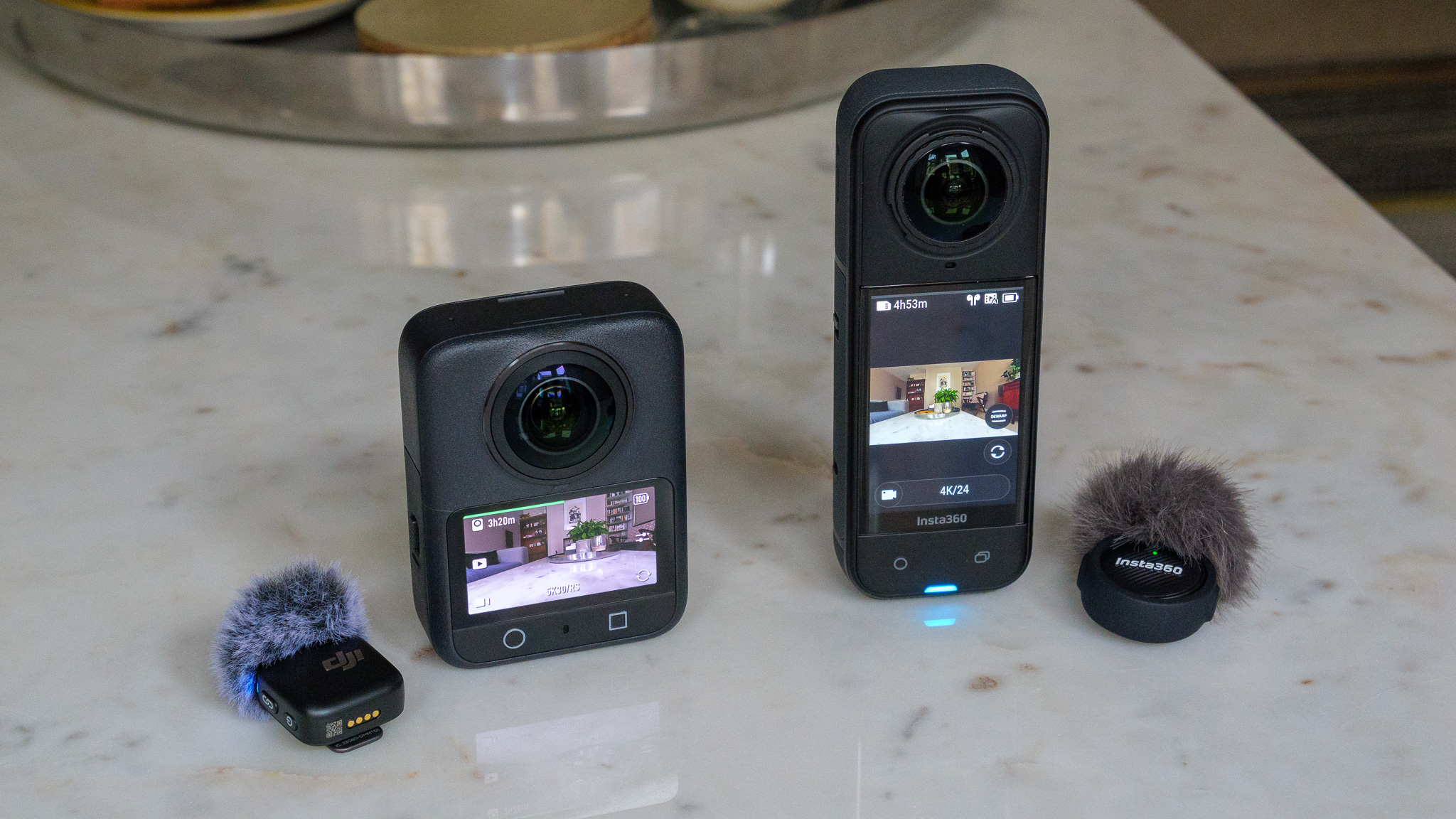
When you’re talking to the camera while hiking, audio is 50% of the experience. DJI has integrated its "Mic 2" ecosystem directly into the Osmo 360. You can pair a DJI Mic 2 transmitter directly to the camera via Bluetooth without any clunky adapters.
The Insta360 X5 uses a proprietary "Mic Air" or a USB-C adapter. While both work, the DJI setup is significantly cleaner for solo creators who want to minimize wires.
Regarding the interface, DJI’s Mimo app is snappier, but Insta360’s AI-powered reframing is still the gold standard. The "Deep Track 3.0" on the X5 is uncannily good at keeping a subject in frame even through trees or obstacles.
Storage & Battery: Recording for the Long Haul
There is nothing worse than reaching a summit, hitting "Record," and seeing "SD Card Error." DJI has finally solved this anxiety.
Direct Answer: Built-in Storage
Does the DJI Osmo 360 have built-in storage? Yes. The DJI Osmo 360 comes equipped with 128GB of high-speed internal storage. This serves as a vital safety net if your microSD card fails or if you simply forget to bring one. The Insta360 X5 relies exclusively on external microSD cards.
However, Insta360 fights back with pure endurance. The X5 features a 23% larger battery capacity (2,400 mAh) compared to the DJI Osmo 360 (1,950 mAh). In my testing, the X5 squeezed out about 208 minutes of recording in endurance modes, while the DJI tapped out closer to the 160-minute mark when shooting high-bitrate 8K.
8K Specs at a Glance: DJI vs. Insta360
| Feature | DJI Osmo 360 | Insta360 X5 |
|---|---|---|
| Max Resolution | 8K @ 50fps | 8K @ 30fps |
| Sensor Size | Dual 1/1.1-inch | Dual 1/1.28-inch |
| Photo Res | 120 Megapixels | 72 Megapixels |
| Max ISO | 51,200 | 6,400 |
| Internal Storage | 128GB | None |
| Battery Life | Up to 190 mins | Up to 208 mins |
| Waterproof | 10 Meters | 15 Meters |
Software & AI Workflow
If you hate editing, Insta360 is your best friend. Their mobile app is a masterpiece of AI automation. You can literally tell the app "find the highlights," and it will generate a reframed edit with transitions and music in seconds.
DJI’s Mimo app is professional and clean, but it feels more "manual." It’s designed for the creator who wants total control. If you’re a pro filmmaker using the Premiere Pro or Final Cut plugins, both cameras offer excellent desktop workflows, but Insta360’s "Studio" app remains slightly more intuitive for complex 360-degree keyframing.
Final Verdict: Which 8K Powerhouse Should You Buy?
Choosing between these two is no longer about which one is "better," but about what kind of adventurer you are.
The DJI Osmo 360 is for the Image Quality Purist. If you shoot a lot of blue-hour landscapes, interior vlogs, or professional-grade immersive content where every pixel counts, the 1/1.1-inch sensors and 8K/50fps are unbeatable. The 128GB of internal storage is a godsend for professionals who can't afford a single point of failure.
The Insta360 X5 is for the Hardcore Adventurer. If your camera is going to be strapped to the outside of a rally car, dragged through a mud run, or taken 15 meters deep on a reef, the X5’s durability and massive battery life make it the more practical tool. Its 4K/120fps slow-motion is a creative superpower that the DJI simply lacks.
FAQ
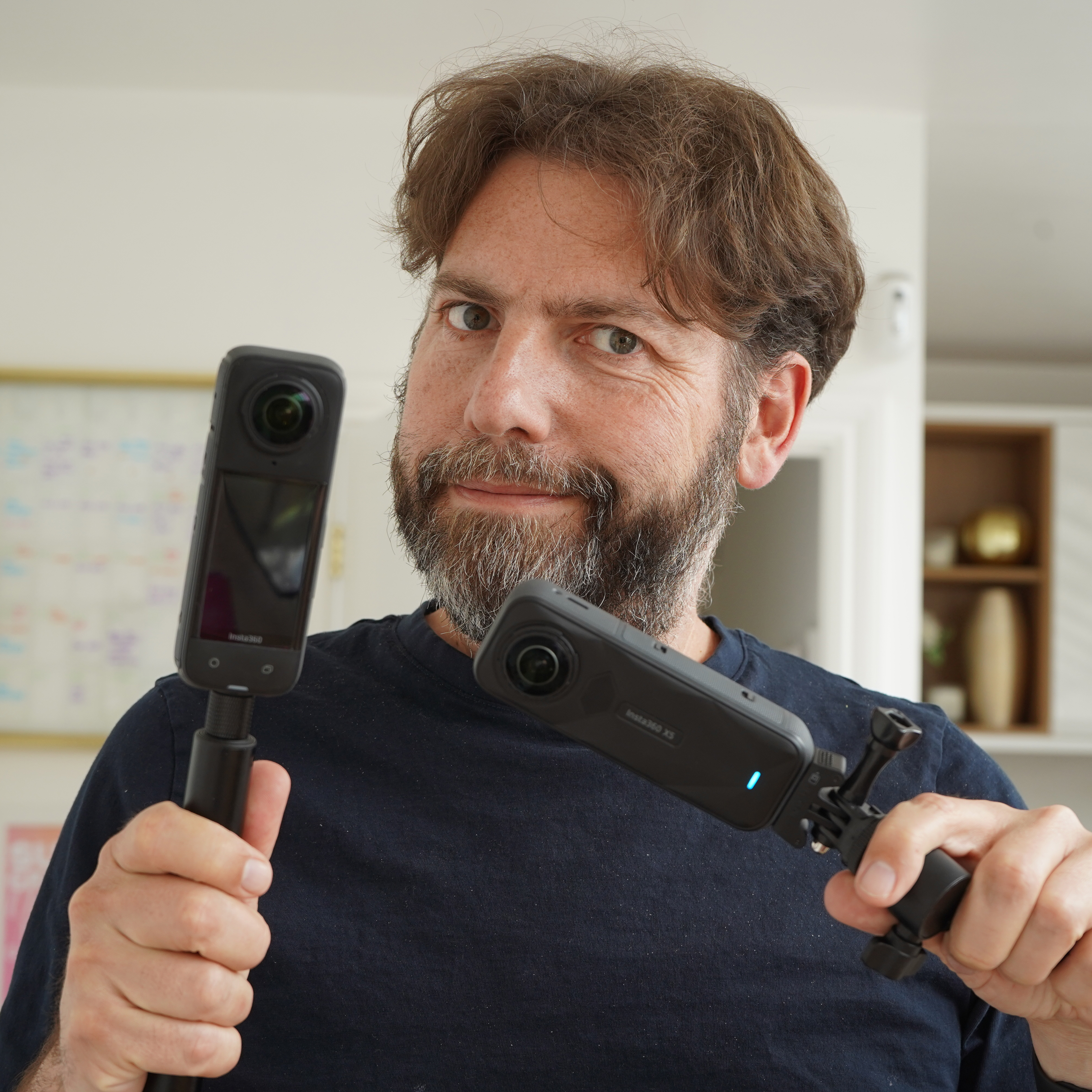
Q: Can I use my old Insta360 invisible selfie sticks with the DJI Osmo 360? A: Yes! Both cameras use the standard 1/4-inch tripod mount. The "invisible" effect is a result of the lens placement and software stitching, which both cameras handle perfectly with standard sticks.
Q: Is the 8K file size manageable on a smartphone? A: Barely. You’ll need a modern flagship phone (iPhone 15 Pro or later / Samsung S24) to scrub through 8K 360 footage smoothly. For most users, editing in the app's "proxy" mode is the way to go.
Q: Does DJI offer a lens protection plan? A: Yes, DJI Care Refresh is highly recommended for the Osmo 360 due to the non-replaceable lens design. It’s a small price to pay for peace of mind in the backcountry.
Ready to capture your next expedition?