Our Top Picks
The Google Pixel 10a is the best mid-range Android phone of 2026 for those prioritizing value, camera consistency, and life-saving features like Satellite SOS. While it reuses the Tensor G4 chip, the $499 price point remains untouched despite a global memory shortage, making it a rare sanctuary of affordability in an increasingly expensive market.
In the mobile world, 2026 will likely be remembered as the year of the "Price Hike." With global semiconductor shortages and rising memory costs squeezing manufacturers, we’ve seen flagship prices creep toward the $1,200 mark across the board. Yet, on February 18, 2026, Google made a defiant stand.
The Pixel 10a has officially arrived at $499 for the 128GB model. It begins shipping to consumers on March 5, 2026, and after spending some early time with it, the narrative is clear: Google isn't trying to win a spec war with raw power. Instead, they are doubling down on the "A-series" philosophy—delivering the essentials (display, battery, and camera) at a price that feels like a steal.
Design: Finally, a Flat Back
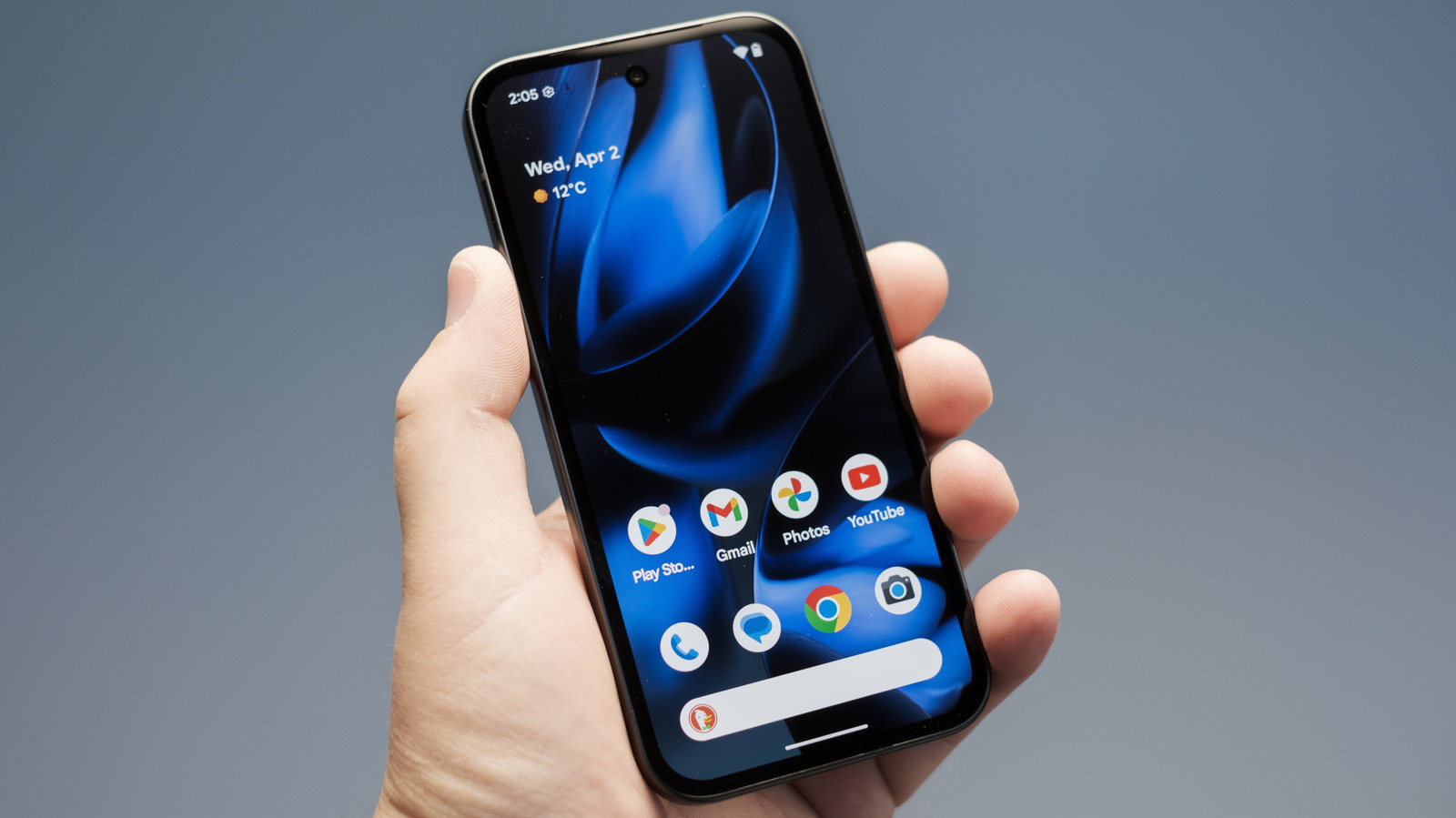
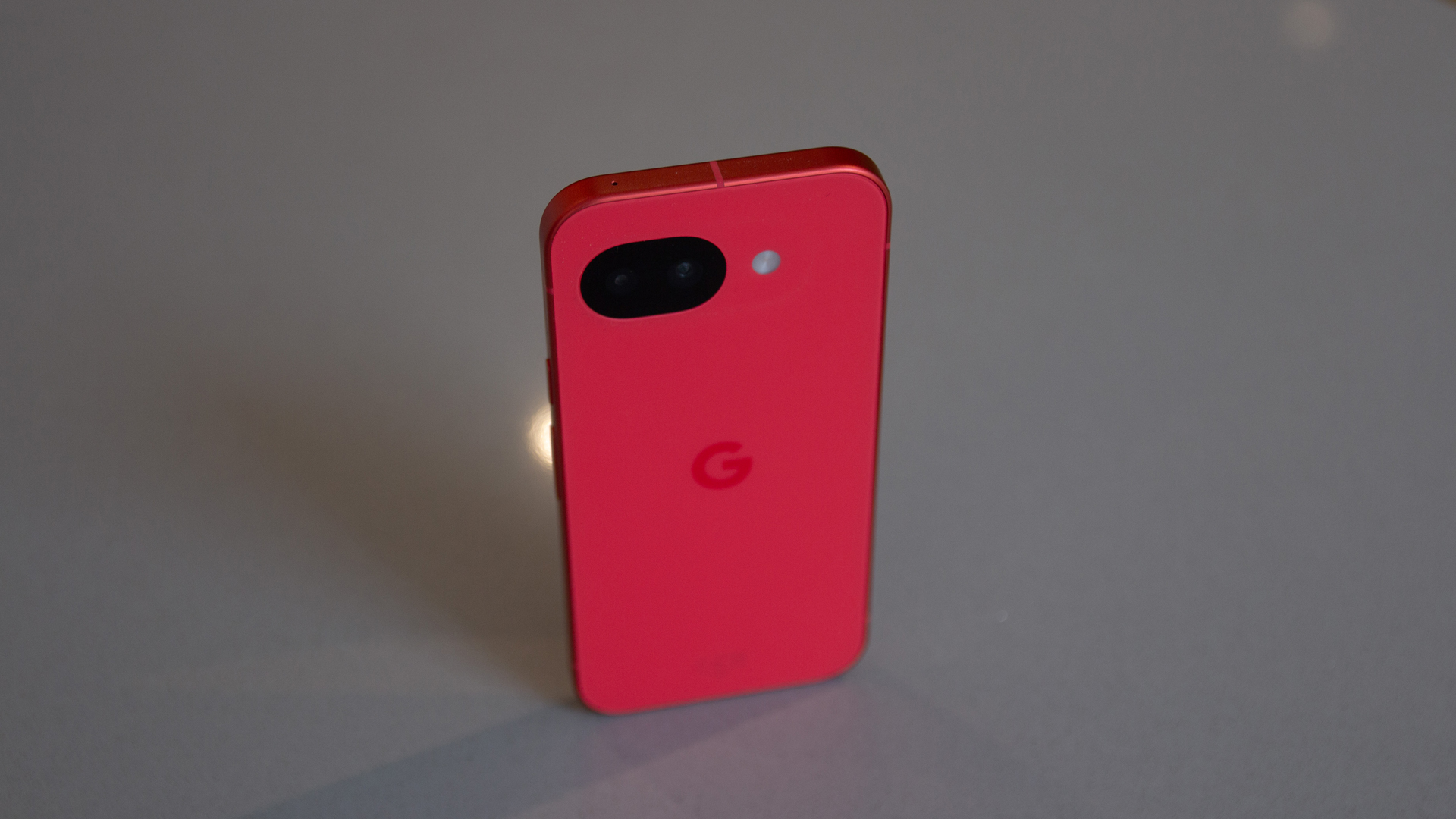
The most immediate change you’ll notice when picking up the Pixel 10a is what’s missing: the "Visor." For years, the protruding camera bar was the Pixel’s calling card, but it also meant the phone never sat quite flat on a table and tended to snag on pocket seams.
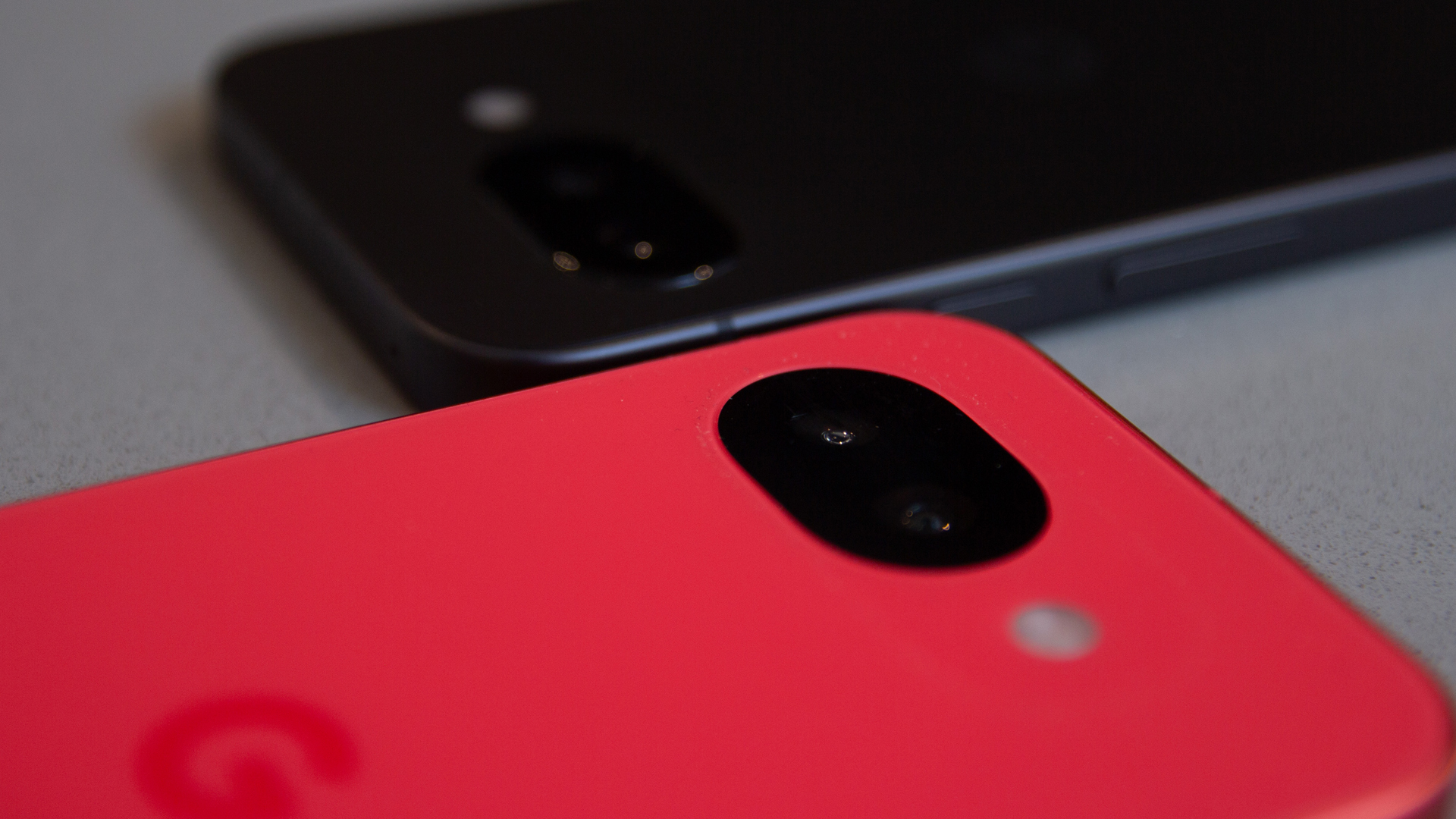
Google has moved toward a flush camera module. The dual-lens system is now recessed into the chassis, creating a "table-flat" experience that feels remarkably modern. This isn't just an aesthetic choice; it's a durability win. By removing the protrusion, there's less glass exposed to impact. Speaking of durability, Google has upgraded the 10a to an IP68 rating and utilized Gorilla Glass 7i, a significant step up in scratch resistance for a sub-$500 device.
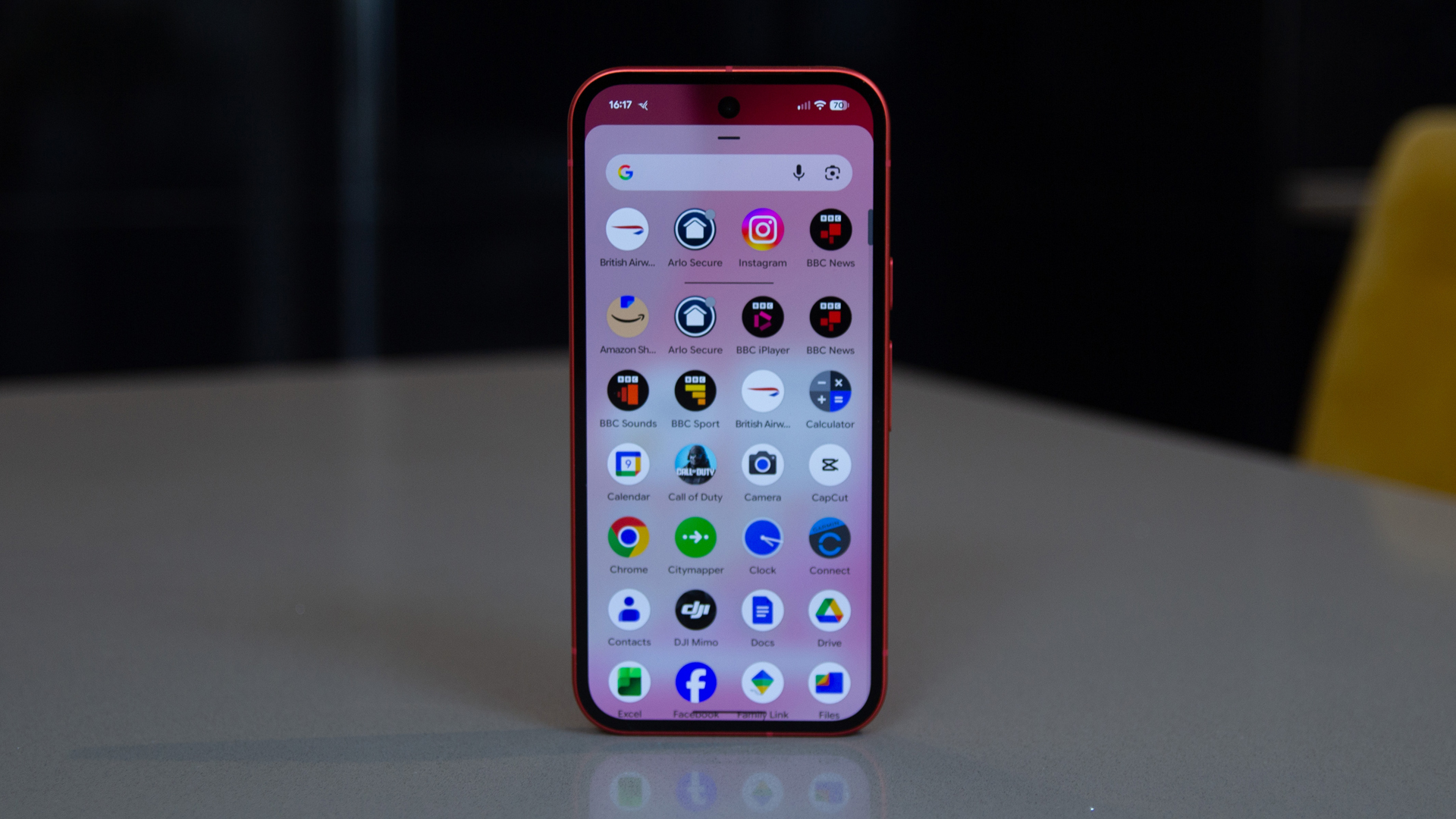
The device maintains its pocket-friendly 6.1-inch form factor and weighs in at a nimble 6.5 ounces. It feels dense and premium, lacking the "hollow" plastic feel that often plagues mid-rangers from competitors.
Display: The 3,000-Nit Milestone
If the design change is about ergonomics, the display upgrade is about pure utility. The Pixel 10a features a 6.3-inch Actua pOLED panel with a variable 60-120Hz refresh rate. But the headline statistic here is the brightness.
The Pixel 10a display achieves an 11.1% increase in peak brightness, reaching 3,000 nits compared to the 2,700 nits found on the previous Pixel 9a. For those of us who spend our time squinting at Google Maps in direct midday sunlight, this is a game-changer. In my testing, the 2,000-nit HDR brightness ensures that even dark scenes in Netflix shows remain visible while you're commuting on a bright train.

Compared to the Pixel 9a, the colors on the 10a feel punchier, and the bezels—while still present—have been trimmed just enough to make the screen feel more expansive.
Performance: The Tensor G4 Debate
Now, let's address the elephant in the room. The Google Tensor G4 2026 performance won't set the world on fire because, technically, we’ve seen this chip before. While the flagship Pixel 11 (slated for later this year) is rumored to move to a new architecture, the Pixel 10a sticks with the Tensor G4 and 8GB of RAM.
Why the "recycled" silicon? It’s a calculated trade-off. By using a matured chip, Google can maintain the $499 price point in an economy where RAM and storage costs are soaring. In real-world usage, the Tensor G4 remains a highly capable processor for 95% of users. It handles Android 16 with fluid grace, and apps open with the snappy immediacy we’ve come to expect from "Clean Android."
Sarah’s Insight: The 8GB RAM limitation is the only real "yellow flag" here. It means the Pixel 10a won't support some of the more intensive on-device Gemini Nano features seen on the Pro models. If you’re an AI power user who wants local LLM processing for every task, you might feel the ceiling here. But for the average user? You won't notice.
Battery and Charging: The Real Upgrade
While the processor stayed the same, the charging system got a massive shot in the arm. For years, Pixel users have complained about sluggish "fast" charging. Google has finally listened.
The Pixel 10a features a 50% increase in wired charging speed (45W) compared to the standard Pixel 10’s 30W charging capability from the previous cycle. This means you can get from 0% to 50% in roughly 30 minutes. Combined with a generous 5,100 mAh battery, the 10a is a legitimate "all-day-and-then-some" phone. During my heavy testing day—which included GPS, 5G streaming, and photography—the phone still had 22% left at 11:00 PM.
The only slight disappointment is the 10W wireless charging. It lacks the new Qi2/Pixelsnap magnetic alignment, which feels like a missed opportunity for 2026, but at $499, some corners have to be cut.
Camera and AI: Best-in-Class for $500?
Hardware-wise, the Pixel 10a sports a 48MP main sensor and a 13MP ultrawide. On paper, it looks similar to the 9a, but the magic of the Pixel has always been in the "computation," not just the glass.
The 10a introduces two new AI features to the A-series:
- Camera Coach: A real-time overlay that suggests better framing and lighting for your shots, perfect for novice photographers.
- Auto Best Take: The phone now automatically analyzes a burst of photos and suggests the "Best Take" without you having to manually enter the editor.
Skin tones remain the most accurate in the industry thanks to Real Tone 3.0, and Night Sight continues to outperform phones that cost twice as much. For social media and family photos, the Pixel 10a remains the undefeated champion of its price bracket.
Connectivity: Satellite SOS Comes to the Midrange
One of the most surprising additions to the Pixel 10a is the inclusion of the Exynos 5400 modem. This isn't just about faster 5G or better signal in elevators; it brings Satellite SOS support to the $499 price point.
In the past, satellite connectivity was a "Pro-only" luxury. By including it in the 10a, Google is making emergency safety a standard feature rather than a premium upsell. Whether you're hiking in a dead zone or caught in a natural disaster where towers are down, the ability to text emergency services via satellite is a feature you hope you never need, but will be immensely grateful to have.
Value Verdict: Pixel 10a vs. The Competition
How does it stack up against the rest of the 2026 field?
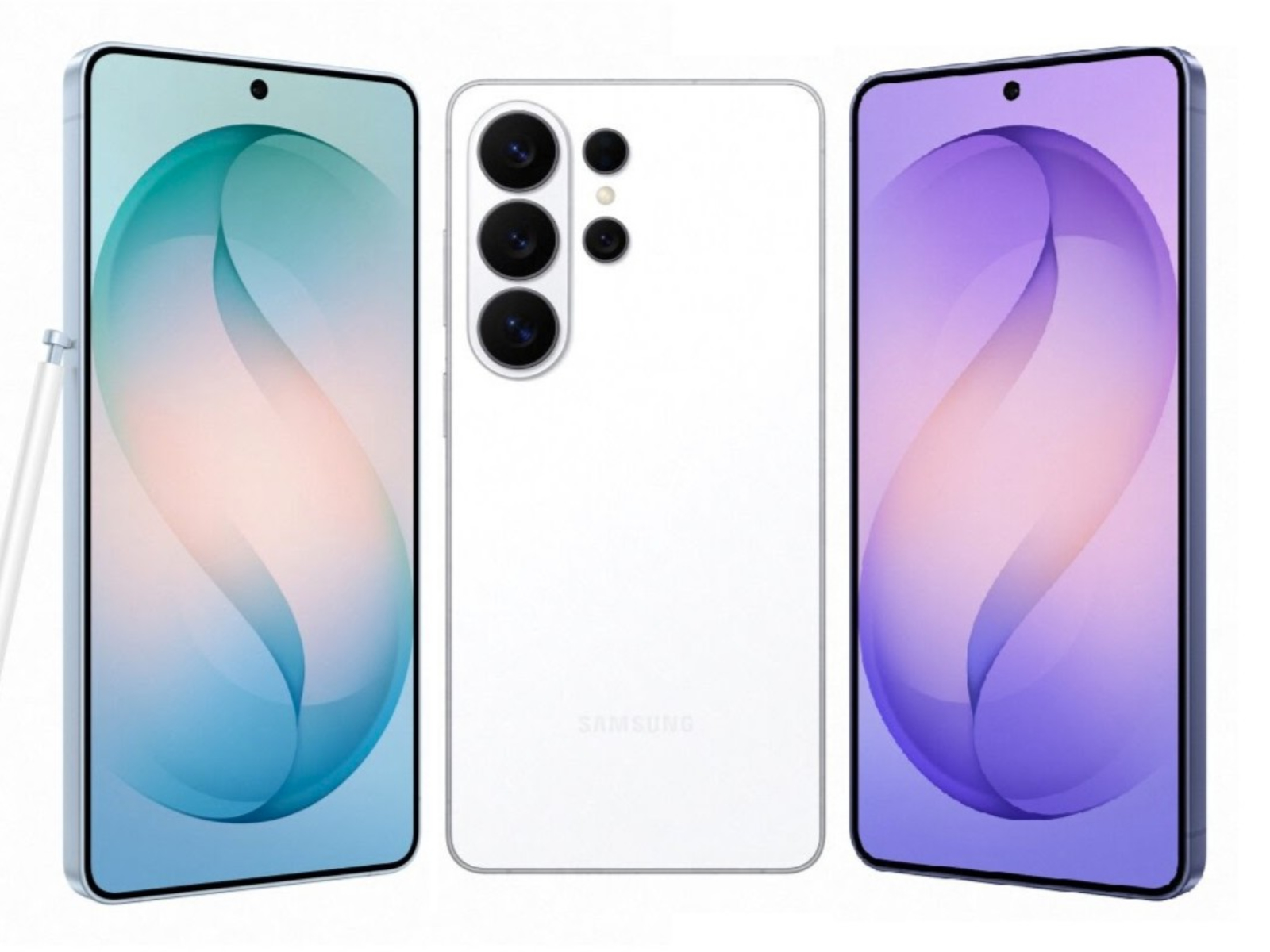
The Samsung Galaxy S25 FE is expected to be the Pixel 10a's toughest competitor. While the Samsung will likely offer a more powerful processor and perhaps a dedicated telephoto lens, rumors suggest it will launch at $599 or $649—a significant jump from the Pixel's $499. Meanwhile, the iPhone 17e continues to lack the 120Hz display that makes the Pixel feel so much smoother in hand.
| Feature | Pixel 10a (2026) | Pixel 9a (2025) |
|---|---|---|
| Price | $499 | $499 |
| Processor | Tensor G4 | Tensor G4 |
| Peak Brightness | 3,000 nits | 2,700 nits |
| Charging | 45W Wired | 18W Wired |
| Satellite SOS | Yes | No |
| Build | Flush Camera / IP68 | Protruding Bar / IP67 |
Pros & Cons
Pros:
- Incredible value at $499 amidst rising tech costs.
- The 3,000-nit display is flagship-grade.
- 45W fast charging finally solves a long-term Pixel weakness.
- Satellite SOS adds a layer of safety rarely seen at this price.
Cons:
- The Tensor G4 chip is essentially a year old.
- 8GB RAM limits some high-end AI features.
- Slow 10W wireless charging with no Qi2 support.
Deal Alert: The Trade-In Play
Google is currently offering a $100 Google Store credit with every Pixel 10a pre-order. Furthermore, trade-in values for the Pixel 8a and 9a are being boosted to a minimum of $249, meaning many users can upgrade for as little as $250.
Final Recommendation
Is the Tensor G4 worth $499 in 2026? Absolutely.
If you are coming from a Pixel 6a or 7a, the Pixel 10a is a monumental upgrade. The combination of the brilliant 3,000-nit screen, the vastly improved charging speeds, and the peace of mind offered by Satellite SOS makes it the most well-rounded phone in the mid-range segment. Google has proven that you don't need the newest chip on the planet to build a phone that people actually want to use every day.
FAQ
When can I buy the Pixel 10a? The Pixel 10a was announced on February 18, 2026. Pre-orders are open now, and the device begins shipping and appearing in retail stores on March 5, 2026.
Does the Pixel 10a have a headphone jack? No, like its predecessors, the Pixel 10a relies on USB-C audio or Bluetooth. Google recommends the Pixel Buds Pro 2 for the best integrated experience.
Will the Pixel 10a get 7 years of updates? Yes. Google has committed to 7 years of OS, security, and Pixel Feature Drop updates for the Pixel 10a, meaning this phone will be supported until 2033.