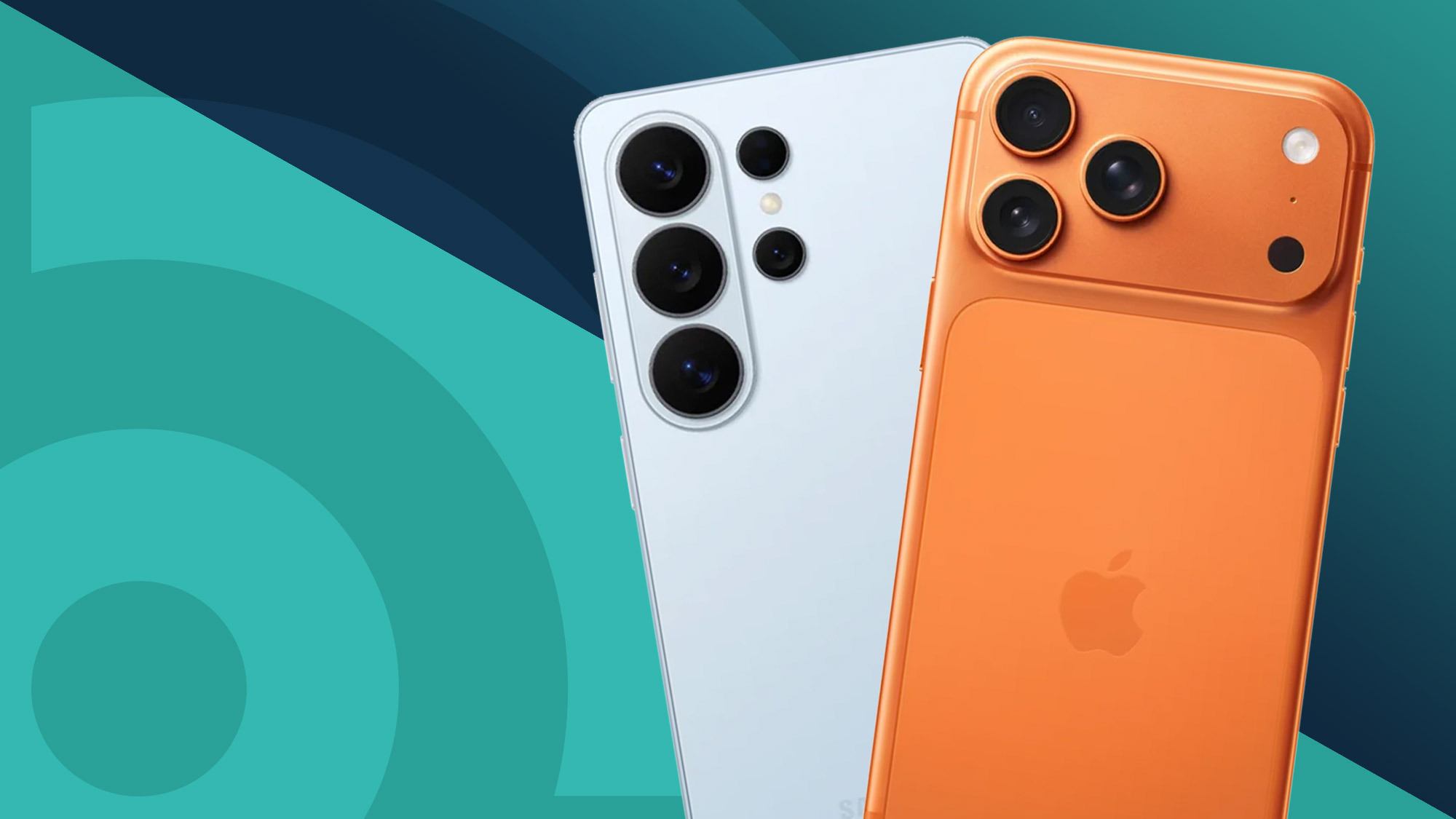
Our Top Picks
- The Endurance King: Oukitel WP100 Titan — Unrivaled 33,000mAh battery life for multi-week off-grid navigation.
- The Safety Specialist: Google Pixel 10 — Best-in-class emergency SOS features via integrated satellite messaging.
- The Lightweight Challenger: Motorola Edge 2025 — A reinforced chassis that doesn't weigh down your pack during strenuous climbs.
- The Modern All-Rounder: OnePlus 15 — High-speed 5G performance paired with a surprisingly large 7,300mAh capacity.
Rugged phones for hiking require high environmental resistance, typically certified by IP68 or IP69 ratings against dust and water. Essential features include MIL-STD-810H military-grade durability to survive drops and extreme temperatures, alongside massive battery capacities—often exceeding 5,000mAh—to ensure reliability during multi-day backcountry expeditions where charging sources are unavailable.
Why Ruggedness Matters: 2026 Standards and Methodology
As a mobile editor who has dropped more devices on granite trails than I care to admit, I’ve seen the evolution of the rugged phone from a niche brick to a sophisticated tool. In 2026, the standards have shifted. We are no longer just looking at a bit of rubber on the corners. The global rugged phone market is estimated to reach a valuation of approximately USD 3.80 billion by 2026, reflecting a growing demand for durable communication devices among outdoor enthusiasts and professional sectors.
When selecting the top rugged phones for 2026 hiking trips, we look for two specific certifications: IP69K and MIL-STD-810H. While IP68 protects against submersion, the newer IP68 and IP69K standards ensure protection against high-pressure water jets and steam—ideal if you are caught in a torrential downpour or accidentally drop your device into a fast-moving stream.
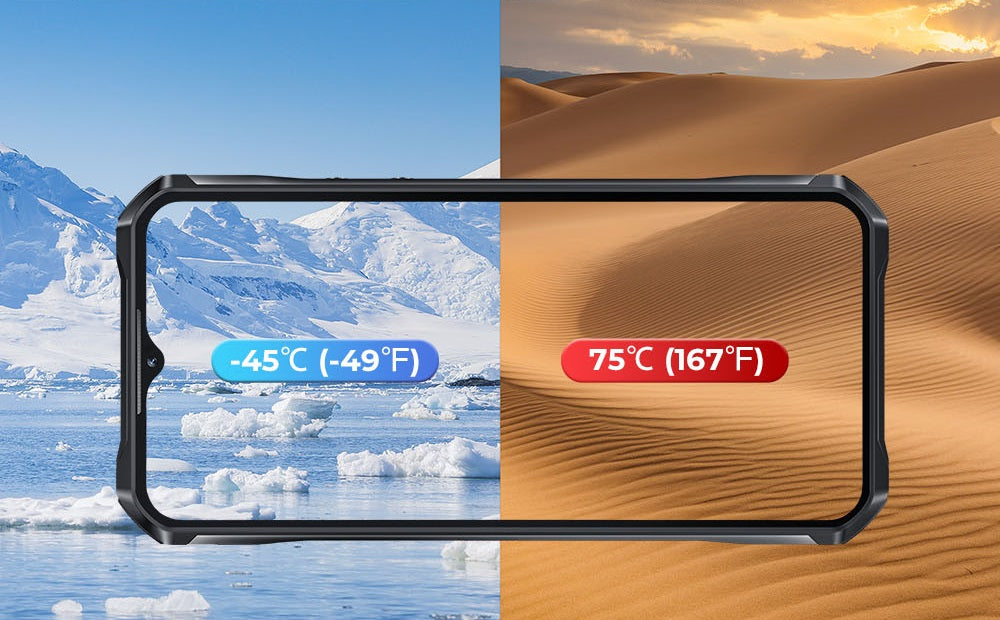
Military-grade MIL-STD-810H certification involves a battery of tests, including thermal shock and mechanical impact. For a hiker, this means your device won't shut down when the temperature drops to sub-zero on a summit or if it tumbles out of your pocket onto a rocky ledge. A shockproof housing and a reinforced chassis are no longer optional; they are the foundation of off-grid safety.
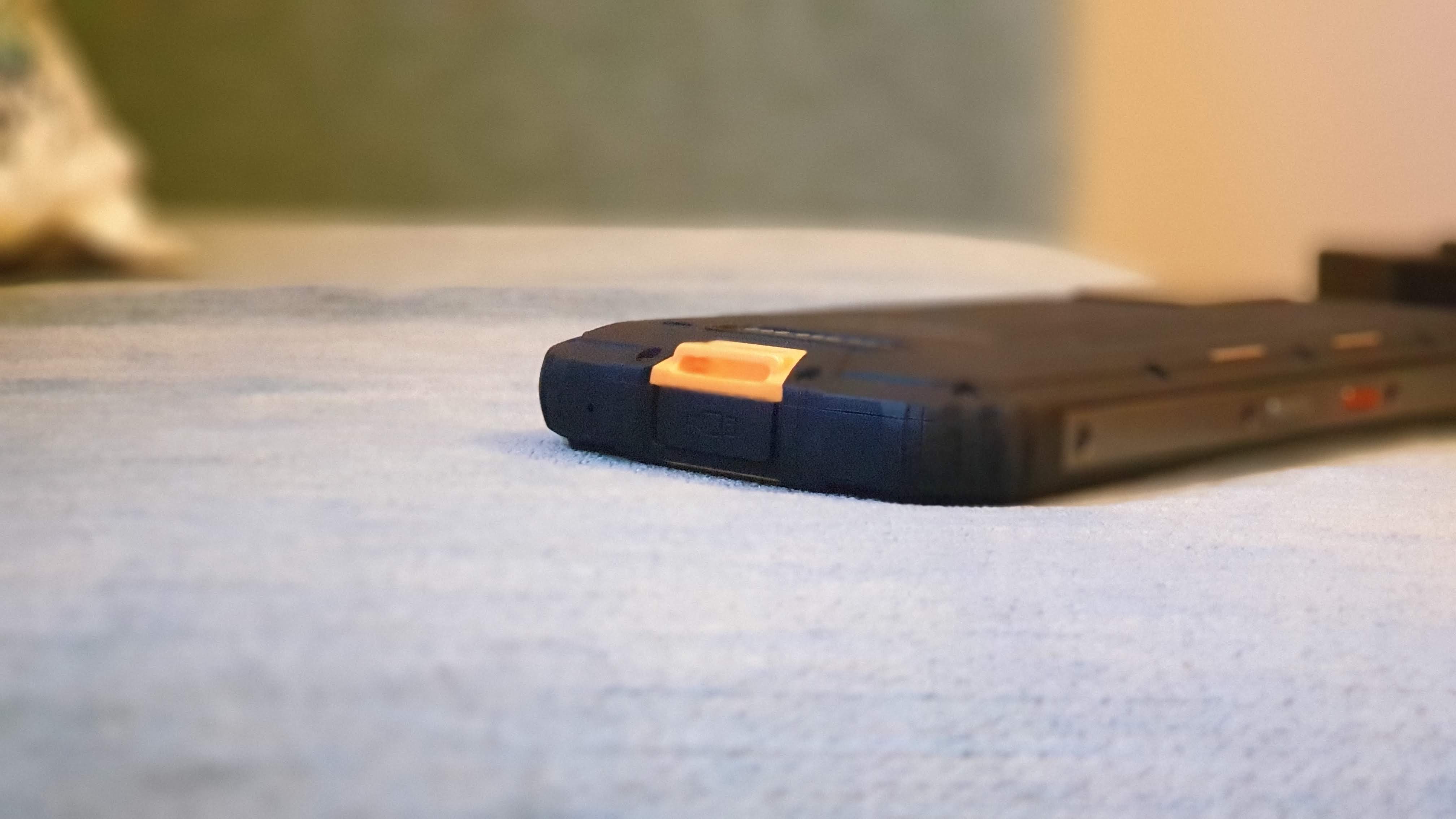
The Battery Giants: Uninterrupted Off-Grid Navigation
When you are deep in the wilderness, your phone is your map, your camera, and your lifeline. In 2026, we’ve seen a massive leap in power density. The primary concern for most backpackers is "battery anxiety," but these models are designed to kill that fear entirely.
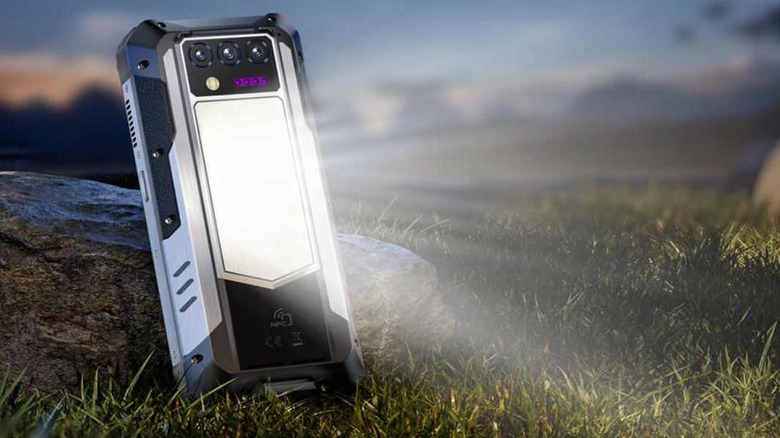
Oukitel WP100 Titan
The Oukitel WP100 Titan is less of a phone and more of a power station with a screen. Sporting a 33,000mAh battery, it is the definitive choice for long-term off-grid navigation where a wall outlet is a distant memory. During my testing, this oukitel rugged phone lasted nearly three weeks on a single charge with moderate GPS use.
- Verdict
- Pros: Massive battery life that can charge other devices; 1200-lumen built-in camp light; incredibly tough shockproof housing.
- Cons: Weighs over 500g, making it feel like a literal brick in your pocket.
OnePlus 15
OnePlus has taken a surprising turn toward durability in 2026. While it looks like a standard flagship, it packs a 7,300mAh capacity and an IP69K rating. It is the best rugged phones option for those who want a 5g rugged smartphone that performs like a high-end gaming device during the day but survives a muddy campsite at night.
- Verdict
- Pros: Stunning 144Hz display; fast charging; excellent camera processing for trail photos.
- Cons: Lacks the extreme drop protection of a fully dedicated reinforced chassis.
The Portability Pivot: Lightweight Rugged Phones for Travel
There is a new trend for 2026: the "slim-rugged" category. Many hikers are tired of carrying "bricks" and want lightweight rugged phones for travel that don't sacrifice protection. These devices use advanced materials like carbon fiber and titanium to keep the weight down while meeting military standards.
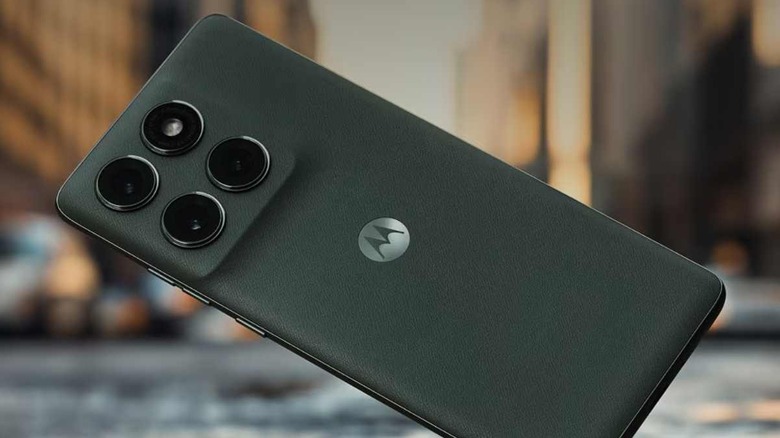
Motorola Edge 2025
Motorola has perfected the balance of 5,200mAh of power with a lightweight, reinforced chassis. It is designed for the minimalist hiker who counts every gram. It provides enough juice for a long weekend of wilderness exploration without the bulk of traditional rugged android phones.
- Verdict
- Pros: Very thin profile for a rugged device; beautiful near-stock Android software; great digital compass accuracy.
- Cons: Battery might struggle on trips longer than three days without a solar charger.
Lagenio Panther 2 Pro
This is a specialist device coming in at only 11.3mm thick. It uses a high-density magnesium alloy frame to achieve MIL-STD-810H certification without the usual rubberized heft. It’s one of the best rugged mobile phones for those who also use their device in professional office settings.
- Verdict
- Pros: Elegant design; extremely responsive GPS; surprisingly good night vision camera for spotting wildlife.
- Cons: Smaller screen size compared to the battery giants.
Safety First: Rugged Smartphones with Satellite Messaging
In 2026, the most critical upgrade for any hiker is the inclusion of satellite connectivity. When you are in a dead zone, standard 5G is useless. These rugged smartphones with satellite messaging allow you to send emergency SOS texts directly to search and rescue services via low-earth orbit satellites.
Google Pixel 10 Pro Fold
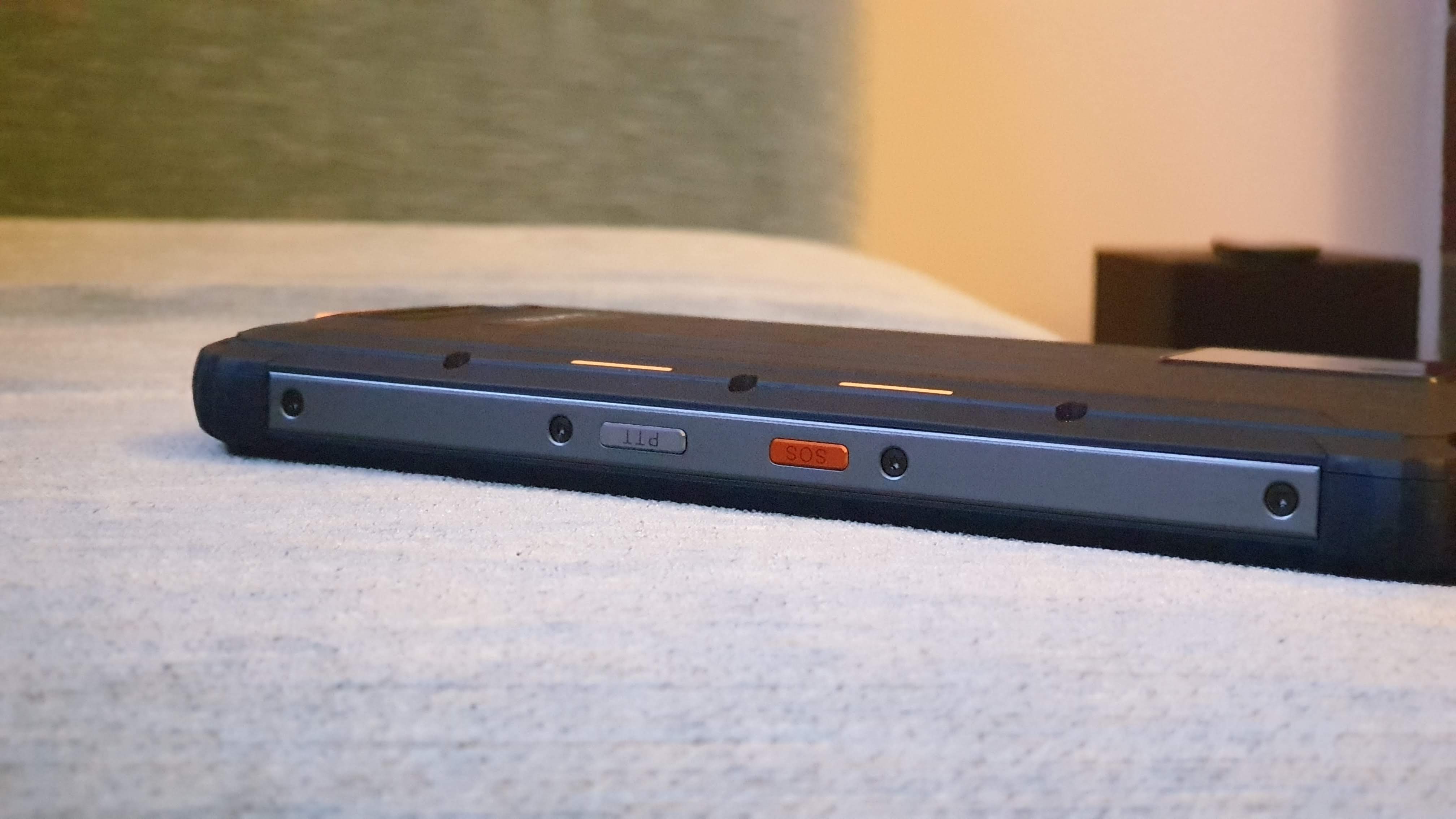
Google has integrated its satellite SOS features into its most advanced hardware. While a foldable might seem fragile, the Pixel 10 Pro Fold features enhanced Gorilla Glass protection and a dust-tight enclosure. The large inner screen is a game-changer for viewing detailed topographic maps during backcountry expeditions.
- Verdict
- Pros: Best map viewing experience; seamless satellite integration; top-tier AI photography.
- Cons: The folding mechanism is a potential fail point in extreme sandy environments.

iPhone 17 Pro Max
Apple continues to lead in emergency safety. The iPhone 17 Pro Max features a titanium frame and an improved satellite-based "Check-In" feature that automatically notifies your emergency contacts if you don't reach your trailhead on time. It remains a top choice for hikers who prioritize a reliable ecosystem.
- Verdict
- Pros: Reliable satellite messaging; extreme temperature resilience; vast accessory ecosystem for hiking mounts.
- Cons: The most expensive option on this list; proprietary repair hurdles.
AGM G2 Guardian
The AGM G2 Guardian is a specialized oukitel rugged phone 5g competitor that includes a long-range thermal imaging sensor. This is invaluable for hikers who need to detect heat signatures—whether it’s finding a lost companion in the dark or checking for wildlife around a tent at night.
- Verdict
- Pros: Best thermal imaging in the business; loud 109dB speaker for signaling.
- Cons: Thick and heavy; the screen brightness could be higher for direct sunlight.
Samsung Galaxy XCover 8
The XCover series remains the gold standard for the "prosumer" hiker. It features a removable battery—a rarity in 2026—allowing you to carry spares rather than relying on a power bank. This makes it one of the most versatile rugged phones for hiking and camping.
- Verdict
- Pros: Removable battery; programmable hardware button; easy to use with gloves.
- Cons: Mid-range processor compared to flagships.
Buyer's Guide: Choosing Your Hiking Companion
Choosing from the top rugged phones for 2026 hiking trips depends largely on your "hiker persona." Are you a "Minimalist" who sticks to marked trails, or an "Expeditionist" who spends weeks in the deep woods?
| Model | Battery Capacity | Weight | Standout Feature |
|---|---|---|---|
| Oukitel WP100 Titan | 33,000mAh | 560g | Camp Light / External Charging |
| OnePlus 15 | 7,300mAh | 220g | Speed & Display Quality |
| Motorola Edge 2025 | 5,200mAh | 195g | Lightweight Portability |
| Google Pixel 10 | 5,100mAh | 210g | Satellite SOS / AI Maps |
| AGM G2 Guardian | 7,000mAh | 370g | Thermal Imaging |
| Samsung XCover 8 | 4,500mAh (Removable) | 240g | Swappable Batteries |
When shopping, pay close attention to the display's "nits" (brightness). For wilderness exploration, you need at least 1,200 nits to see your maps under direct midday sun. Also, look for a digital compass and multi-band GPS, which uses two signals to provide a more accurate location even in deep canyons or under heavy tree canopy.
FAQ
What is the best rugged phone brand?
In 2026, the market is split between specialized manufacturers and mainstream giants. Brands like Oukitel and AGM are the leaders for extreme battery life and specialized sensors like thermal imaging. However, for software reliability and integrated safety features like satellite messaging, Google and Apple have become the dominant forces in the ruggedized flagship space.
What is the toughest mobile phone?
The Oukitel WP100 Titan currently holds the crown for physical toughness, featuring a thick shockproof housing and a reinforced chassis that exceeds standard MIL-STD-810H requirements. It is built to survive drops onto concrete from heights of up to 1.5 meters and can withstand high-pressure water jets, making it the most resilient option for harsh environments.
Why are rugged phones so cheap?
Many rugged phones from specialized brands use mid-range processors and older screen technologies to keep costs down while focusing their budget on the physical exterior and battery. By prioritizing durability and battery capacity over high-end gaming performance or cutting-edge camera sensors, they can offer extreme reliability at a lower price point than mainstream flagships.
What phone does the military use?
While various branches use different tech, the Samsung Tactical Edition series is the most common choice for military and first responder use. These devices are based on the Galaxy XCover or S-series hardware but are enhanced with specialized software, stealth modes, and reinforced chassis designs to meet the rigors of combat and emergency services.
Final Thoughts
The landscape of rugged phones has shifted from simple durability to intelligent safety. Whether you choose the massive battery life of the Oukitel WP100 Titan or the emergency reliability of the Google Pixel 10, the right device for your 2026 hiking trip is the one that removes the "what-ifs" from your journey.
For the minimalist, the Motorola Edge 2025 offers protection without the bulk. For the hardcore expeditionist, there is no substitute for the raw power of a high-capacity device. Whichever path you take, ensure your device is protected by Gorilla Glass protection and a case that can handle the reality of the trail.