In a wearable market increasingly polarized between $800 titanium ultra-watches and $150 entry-level trackers, the Garmin Vivoactive 6 occupies the most contested space in consumer tech: the "Goldilocks" zone. For 2025, Garmin has refined its mid-range champion to be leaner, smarter, and arguably the most pragmatic choice for the fitness-conscious professional.
Priced at exactly $299, the Vivoactive 6 represents Garmin’s calculated answer to the Apple Watch SE and the Samsung Galaxy Watch 7. It offers a sophisticated 11-day battery life in smartwatch mode—outlasting the Apple Watch SE by over nine days—and provides 21 hours of continuous GPS tracking for those long-haul weekend excursions. While its predecessor was a solid fitness companion, the Vivoactive 6 bridges the gap between lifestyle accessory and professional training tool with a thinner profile and the inclusion of advanced Running Dynamics.
Refined Design: 2mm That Makes a Difference
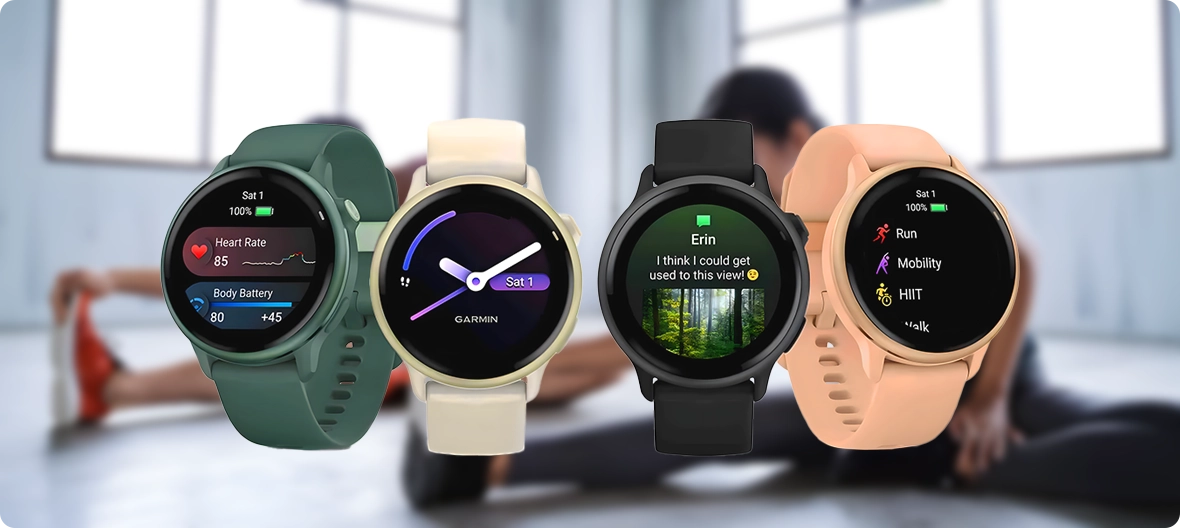
When evaluating a device designed for 24/7 wear, physical dimensions are more than just specs—they dictate compliance. The Vivoactive 6 features a redesigned 42mm case that is 2mm thinner than the Vivoactive 5. This reduction in depth transforms the watch from a "sporty" peripheral into a discreet timepiece that slides effortlessly under a tailored shirt cuff or doesn’t snag on bedding during sleep.
The tactile experience has also seen an upgrade. The 1.2-inch AMOLED touchscreen remains crisp and vibrant, but the redesigned buttons provide a more positive, mechanical click that is easier to operate with sweaty hands or light gloves. Weighing in at a mere 36g for the case alone, it maintains a lightweight footprint that rivals the comfort of the most minimalist trackers while offering the utility of a full-featured smartwatch.
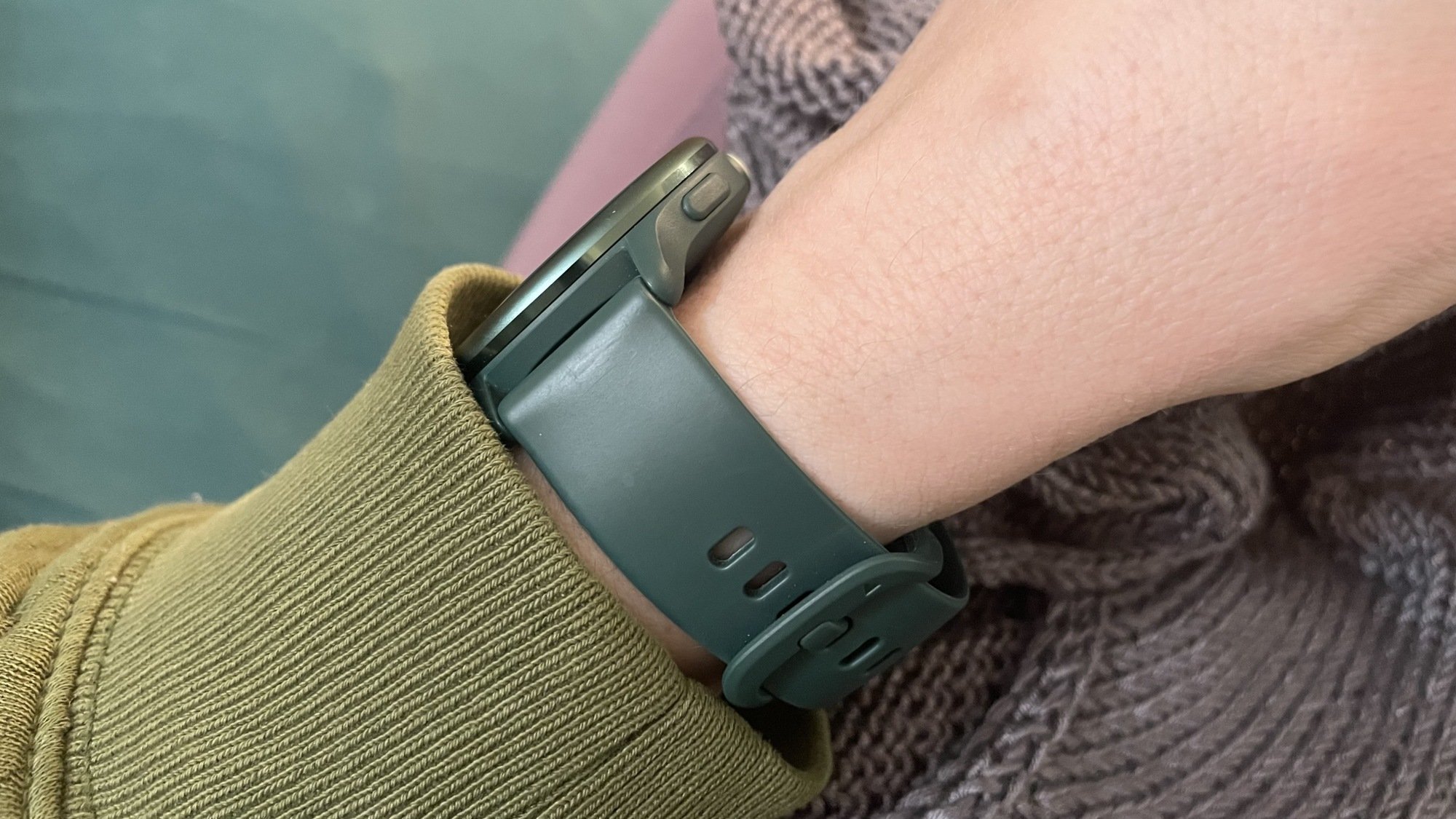
Unlike the more rugged, chunky builds of the Fenix or Epix lines, the Vivoactive 6 opts for a sleek, stainless steel bezel that frames the Gorilla Glass 3 lens. It is an aesthetic of quiet competence, designed for the user who values performance data but doesn't necessarily want their watch to scream "ultramarathoner" during a corporate briefing.
The Smart Alarm: Science-Backed Morning Recovery
One of the most significant lifestyle additions to the Vivoactive 6 is the Garmin Smart Alarm. For years, fitness enthusiasts have complained about the "alarm clock hangover"—that groggy, disoriented feeling caused by being jerked out of deep sleep. Garmin’s solution is both elegant and data-driven.
The Smart Alarm monitors your real-time sleep cycles during a pre-set "wake window." Instead of firing at a hard time, the watch uses its internal sensors to detect when you have entered your lightest sleep stage. It then uses a series of subtle haptic vibrations to wake you. The result is a more natural transition into wakefulness, significantly reducing morning grogginess.
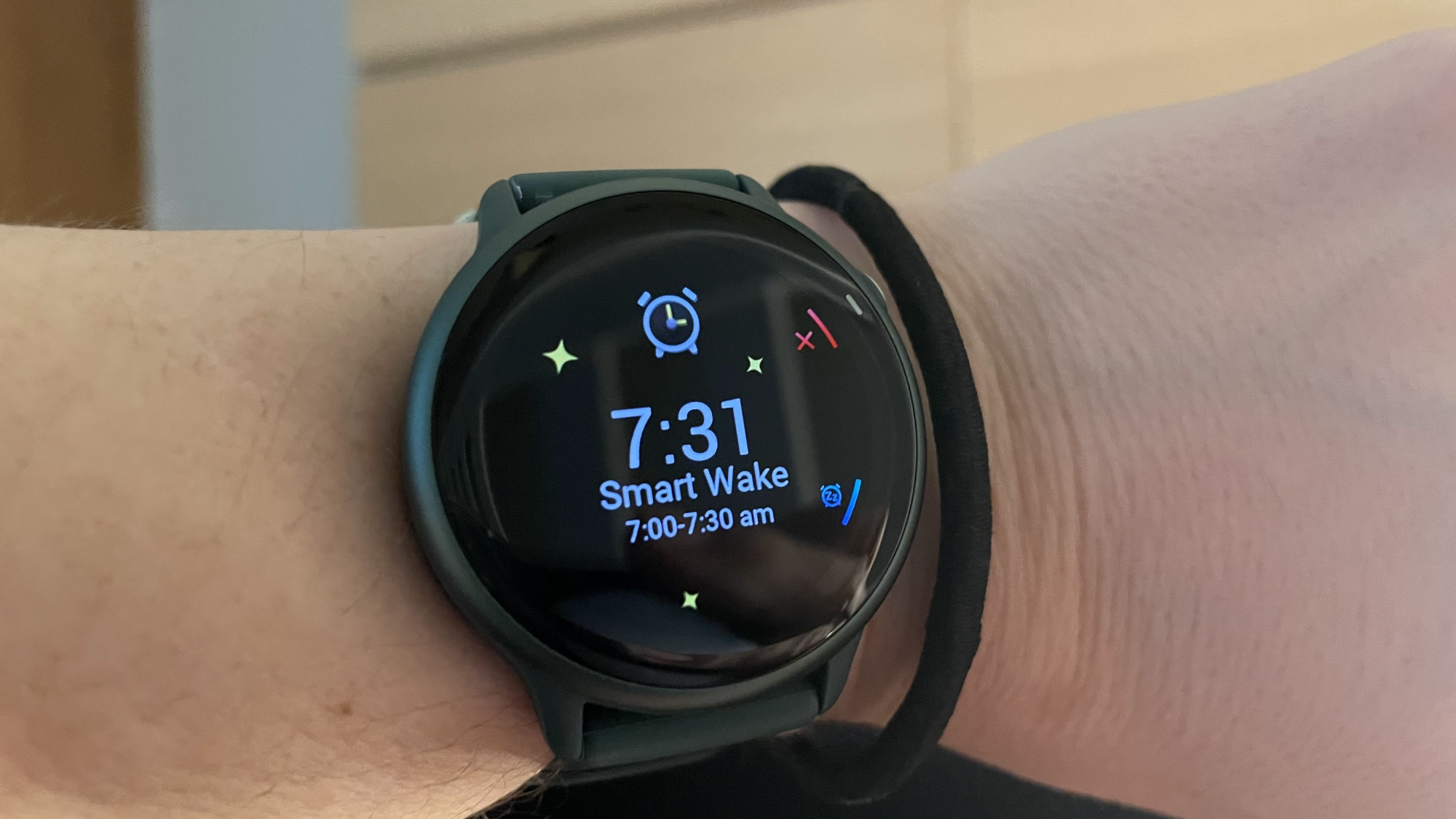
This feature integrates seamlessly with Garmin’s Body Battery™ and Morning Reports. Upon waking, the watch provides a summary of your sleep quality, recovery status, and daily weather, allowing you to decide—based on biometric data—whether today is the day for a personal best or a much-needed rest day.
Major Upgrades: What’s New Under the Hood?
Under the hood, the Vivoactive 6 packs significant improvements that justify the generational leap. Most notably, Garmin has doubled the internal storage capacity. The Vivoactive 6 features a 100% increase in storage, jumping from 4GB in the previous model to 8GB. This extra headroom is essential for offline music storage (Spotify, Amazon Music, or Deezer) and more detailed mapping data.
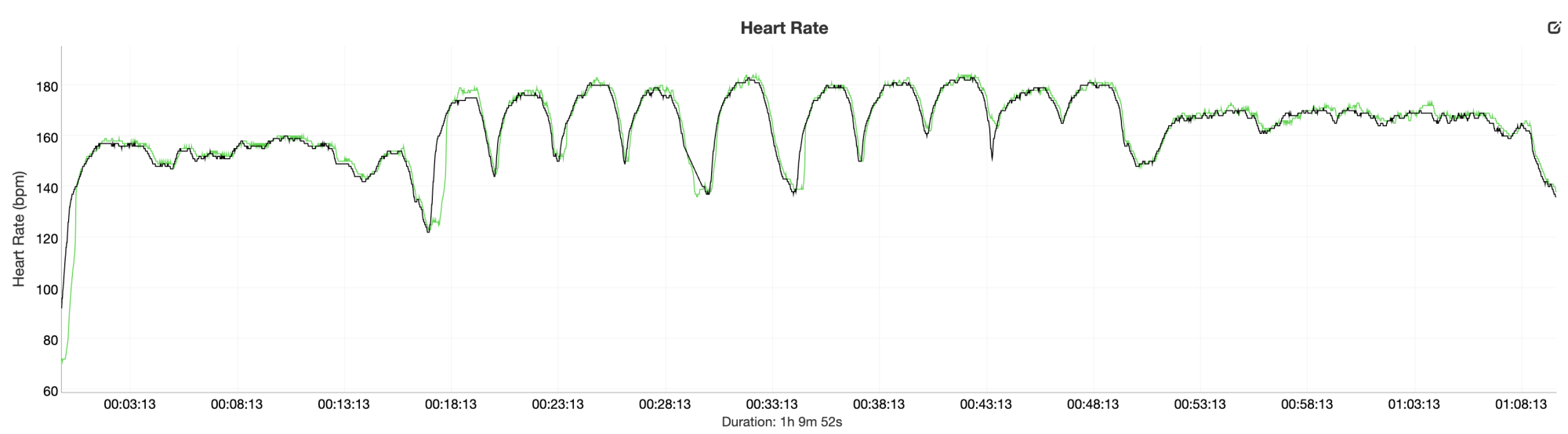
The addition of a dedicated gyroscope and the upgraded Gen 5 Elevate heart rate sensor brings "Running Dynamics" to the Vivoactive line—features previously reserved for the more expensive Forerunner and Fenix models. Users now have access to pro-level metrics such as Running Power, PacePro, and stride length analysis without needing an external chest strap.
Comparison: Vivoactive 5 vs. Vivoactive 6
| Feature | Garmin Vivoactive 5 | Garmin Vivoactive 6 |
|---|---|---|
| MSRP | $249 | $299 |
| Case Thickness | 11.1 mm | 9.1 mm |
| Internal Storage | 4 GB | 8 GB |
| Sensors | Gen 4 HR, Pulse Ox | Gen 5 HR, Gyroscope, Barometer |
| Running Dynamics | Basic | Advanced (Power, Stride, Cadence) |
| Smart Alarm | No | Yes |
| Battery (Smartwatch) | 11 Days | 11 Days (with slimmer profile) |
Beyond running, the device supports over 80 workout types. This includes niche activities like padel, pickleball, and even dedicated wheelchair modes that track pushes rather than steps, complete with weight-shift alerts.
Battery Life: Defying the "Daily Charge" Trend
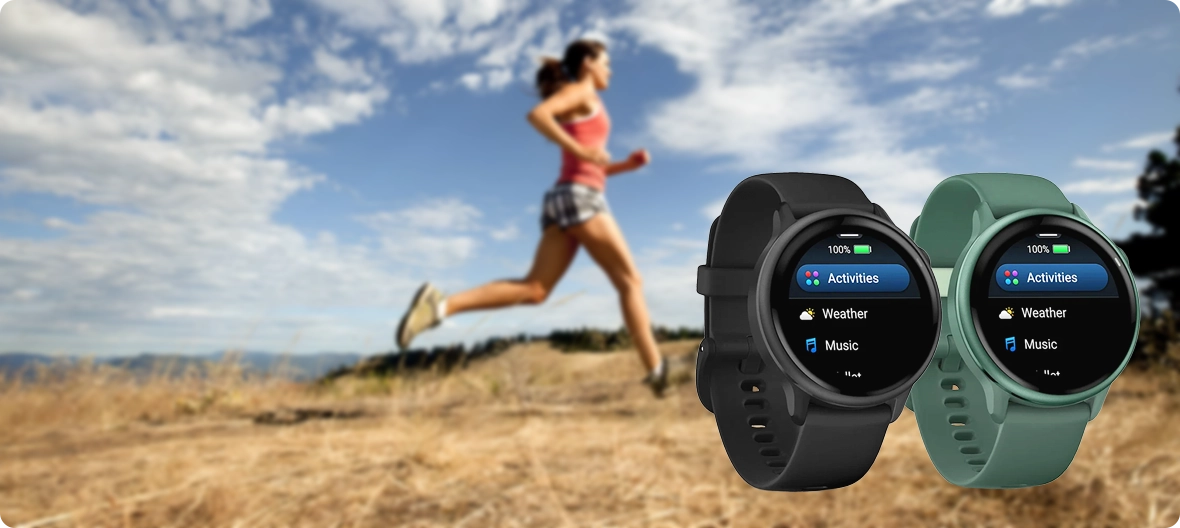
The most compelling argument for the Vivoactive 6 remains its power management. In an era where most flagship smartwatches require a daily tether to a charger, Garmin’s efficiency is a revelation. Despite the 2mm reduction in case depth—which usually necessitates a smaller battery—Garmin has maintained an 11-day battery life in smartwatch mode.
In real-world testing, even with daily 45-minute GPS-tracked workouts, Pulse Ox sleep tracking enabled, and regular notification mirroring, I consistently reached day seven before the 10% battery warning appeared. For travelers, this is the ultimate luxury: the ability to leave for a week-long trip without packing a proprietary charging cable.
Compared to the Apple Watch SE’s 18-hour "all-day" battery, the Garmin offers an experience that is less about managing a gadget and more about living with a tool. The 21-hour continuous GPS rating is also more than sufficient for full-day hikes or a marathon, ensuring the watch doesn't die precisely when you need the data most.
Competitive Analysis: Garmin Vivoactive 6 vs. The Field
Choosing the right Garmin is often harder than choosing between brands. Where does the Vivoactive 6 sit in the current landscape?
Vs. Apple Watch SE: The Apple Watch SE offers a superior "smart" ecosystem, including better third-party apps and more fluid integration with iMessage. However, the Vivoactive 6 obliterates it in battery life and fitness depth. If you want a phone on your wrist, buy the Apple. If you want a health coach that lasts a week, buy the Garmin.
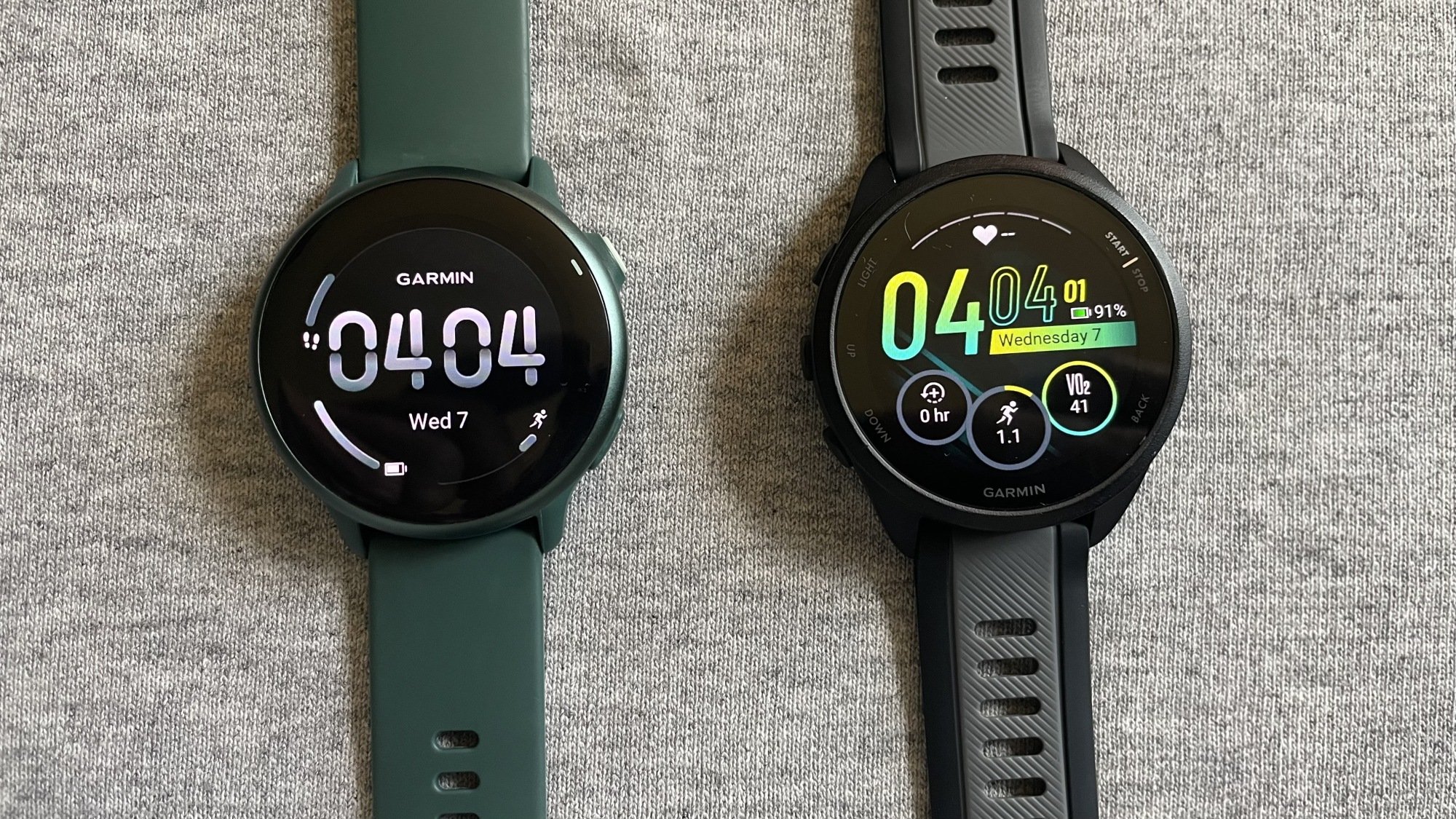
Vs. Forerunner 265: The Forerunner 265 is a triathlete’s tool, offering Training Readiness scores and multi-band GPS. It is also $150 more expensive. The Vivoactive 6 provides 90% of the metrics the average runner needs in a much more attractive, lifestyle-oriented design.
Vs. Vivoactive 5: The upgrade is worth it for the thinner profile alone. If you found the previous model slightly "bubbly" on the wrist, the 6 feels like a different class of hardware. The addition of 8GB of storage and the Smart Alarm are the cherries on top.
Verdict: Who Should Buy the Vivoactive 6?
The Garmin Vivoactive 6 is the most balanced smartwatch the company has produced in years. It avoids the feature bloat of the high-end outdoor watches while offering significantly more "soul" and utility than a basic fitness band.
Pros:
- Industry-leading battery: 11 days of freedom from the charger.
- Ergonomics: The 2mm reduction in thickness is a masterclass in hardware refinement.
- Health Intelligence: The Smart Alarm and Body Battery provide actionable insights, not just raw data.
- Value: At $299, it offers the best "feature-per-dollar" ratio in the Garmin lineup.
Cons:
- No Voice Assistant: Unlike the Venu 3, there is no built-in speaker or microphone for calls.
- Standard GPS: Lacks the multi-band GPS found in higher-end models (though accuracy remains high for city running).
If you are a casual athlete who wants professional-grade tracking without the bulk, or a professional who wants a health tracker that looks appropriate in a boardroom, the Vivoactive 6 is the clear front-runner for 2025. It strikes the perfect balance for the modern, active lifestyle.
FAQ
Q: Can I answer calls on the Garmin Vivoactive 6? A: No. While you can receive and read notifications from your phone, the Vivoactive 6 does not have a microphone or speaker. For that feature, you would need to look at the Garmin Venu 3.
Q: Does it work with both iPhone and Android? A: Yes, Garmin watches are platform-agnostic. However, Android users have the added benefit of being able to send quick-reply text responses directly from the watch.
Q: Is the battery life affected by the AMOLED screen? A: The 11-day estimate includes the AMOLED screen in "gesture" mode (it turns on when you lift your wrist). Using the "Always-On" display mode will reduce the battery life to approximately 3-4 days.