The fitness landscape of 2025 has moved beyond the simple accumulation of steps. We have entered the era of "Prescriptive Wellness," where our devices no longer just tell us what we did, but precisely what we should do next. As a travel and tech critic who has logged thousands of miles across time zones, I’ve seen wearables evolve from bulky pedometers to sophisticated biometric labs. This year, two titans dominate the conversation: the Garmin Vivoactive 6 and the Whoop 5.0.
The primary difference between Garmin and Whoop in 2025 is that Garmin provides a traditional smartwatch experience with a high-resolution screen and onboard GPS for active, real-time tracking, while Whoop remains a screen-less, subscription-based band focused entirely on 24/7 recovery and strain metrics. If you need a map on your wrist and a one-time price tag, you’re a Garmin user. If you want a "passive" coach that tells you how well you slept and how hard you can push today without the distraction of a screen, Whoop is your choice.
Before we dive into the granular data, here is the high-level comparison for the 2025 flagship models:
| Feature | Garmin Vivoactive 6 | Whoop 5.0 |
|---|---|---|
| Display | AMOLED Touchscreen | None (Screen-less) |
| GPS | Built-in (Multi-band) | Tethered (via Phone) |
| Battery Life | Up to 14 Days (Smartwatch mode) | 14 Days (Continuous) |
| Primary Focus | Active Performance & Navigation | Recovery, Sleep, & Strain |
| Cost Model | $300 (One-time purchase) | Subscription (Starts at $199/year) |
| Workout Variety | 80+ Built-in Profiles | Passive Activity Detection |
Garmin Vivoactive 6: The Data-Driven Athlete’s Command Center
The Garmin Vivoactive 6 represents the most significant leap for the series in years. While the higher-end Fenix and Epix lines get the glory for mountain expeditions, the Vivoactive 6 has carved out a niche as the "everyman’s elite" watch. It bridges the gap between a stylish lifestyle piece and a serious training tool.
The standout metric for 2025 is the inclusion of over 80 built-in workout plans—a staggering 60% increase in training variety compared to previous iterations. During my testing period, I found the addition of specialized profiles for everything from HIIT and Pickleball to advanced bouldering metrics surprisingly robust. For the athlete who needs to see their pace, heart rate zone, and remaining distance in real-time, the AMOLED display remains peerless in its clarity, even under the harsh midday sun of the Mojave.
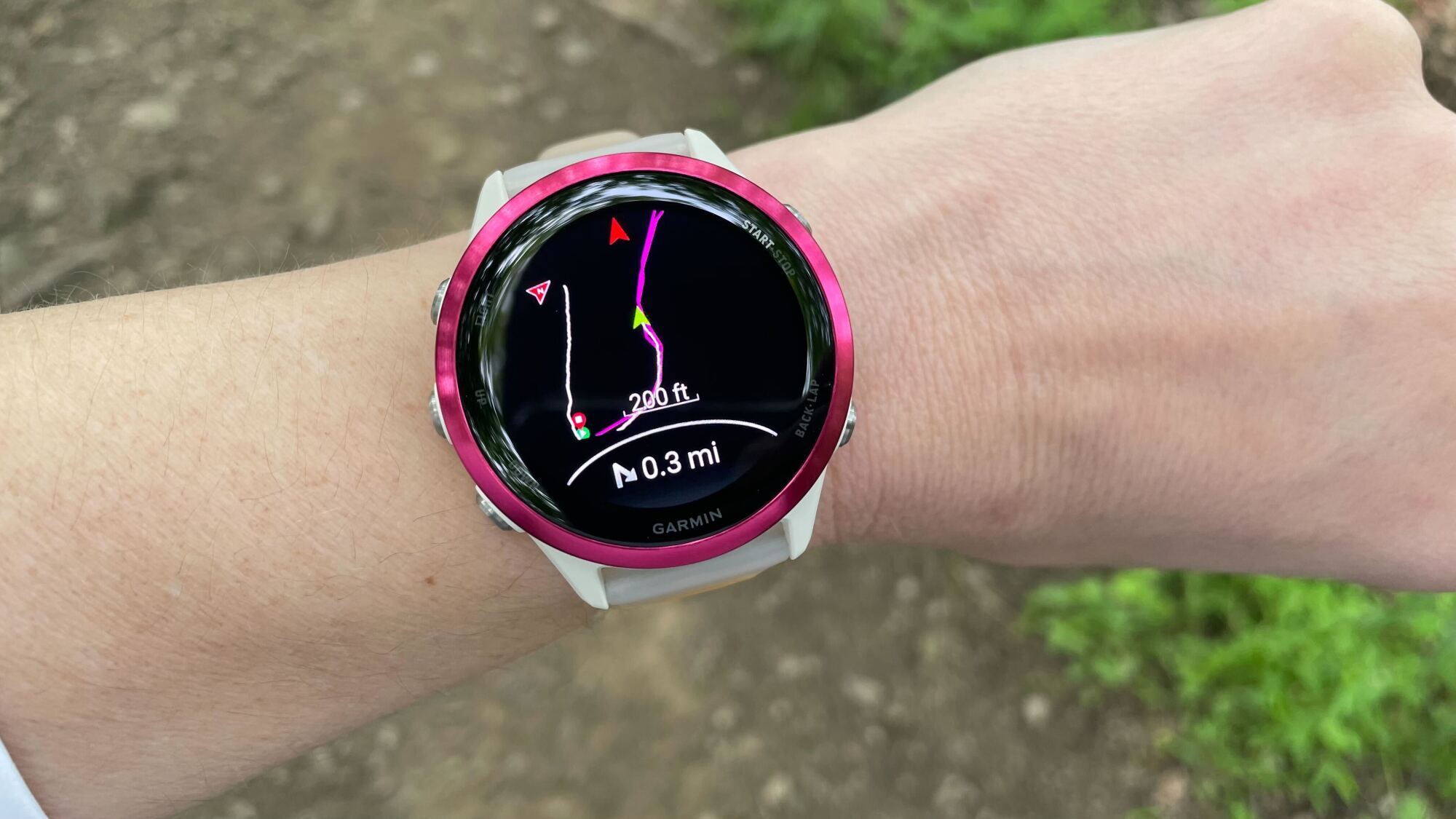
Technically, Garmin has finally addressed the battery anxiety that often plagues screen-based wearables. The Vivoactive 6 matches Whoop’s 14-day battery life in its standard smartwatch mode, though using the multi-band GPS will naturally drain it faster. It’s a versatile tool: you can use it to pay for a coffee via Garmin Pay, listen to offline Spotify playlists, and then immediately transition into a marathon training block using the "Garmin Coach" adaptive plans.
Wright’s Insight: The Vivoactive 6 isn't just a watch; it's a standalone piece of hardware. It doesn't require your phone to be nearby to track a run or navigate a trail, making it the superior choice for those who view their workout as a "digital detox" from their smartphone.
Whoop 5.0 & the MG Tier: The Ultimate Passive Coach
If Garmin is a cockpit, Whoop 5.0 is a silent partner. In 2025, Whoop has doubled down on its "no-screen" philosophy, arguing that the constant notifications and glowing faces of traditional smartwatches actually detract from the very wellness they claim to promote.
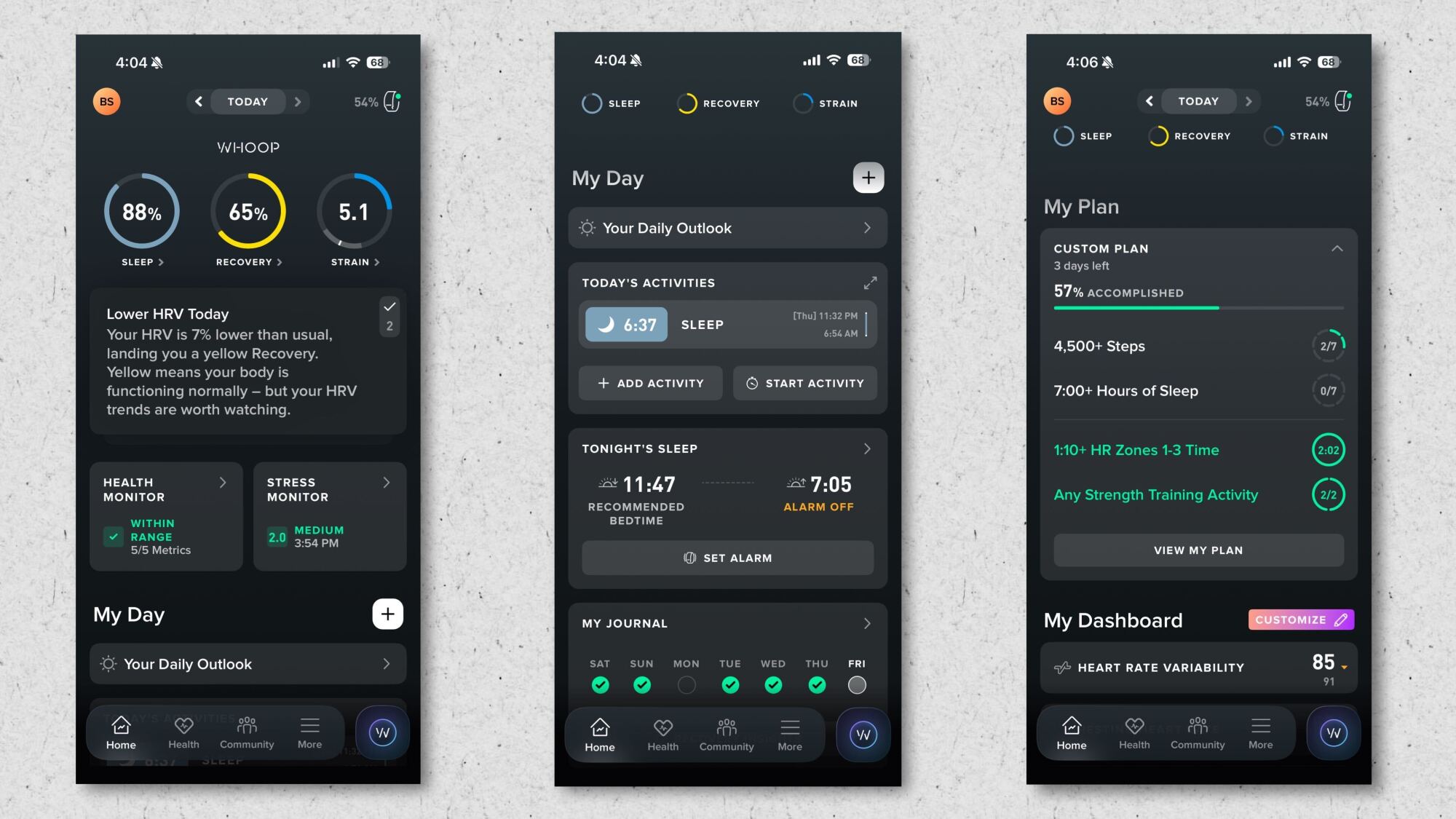
The Whoop 5.0 is superior for recovery tracking due to its obsessive focus on Heart Rate Variability (HRV), sleep stages, and its proprietary "Strain" coaching. The 2025 hardware evolution includes the new "MG" (Medical Grade) tier, featuring sensors that are now cleared for monitoring specific cardiovascular trends with clinical-level accuracy.
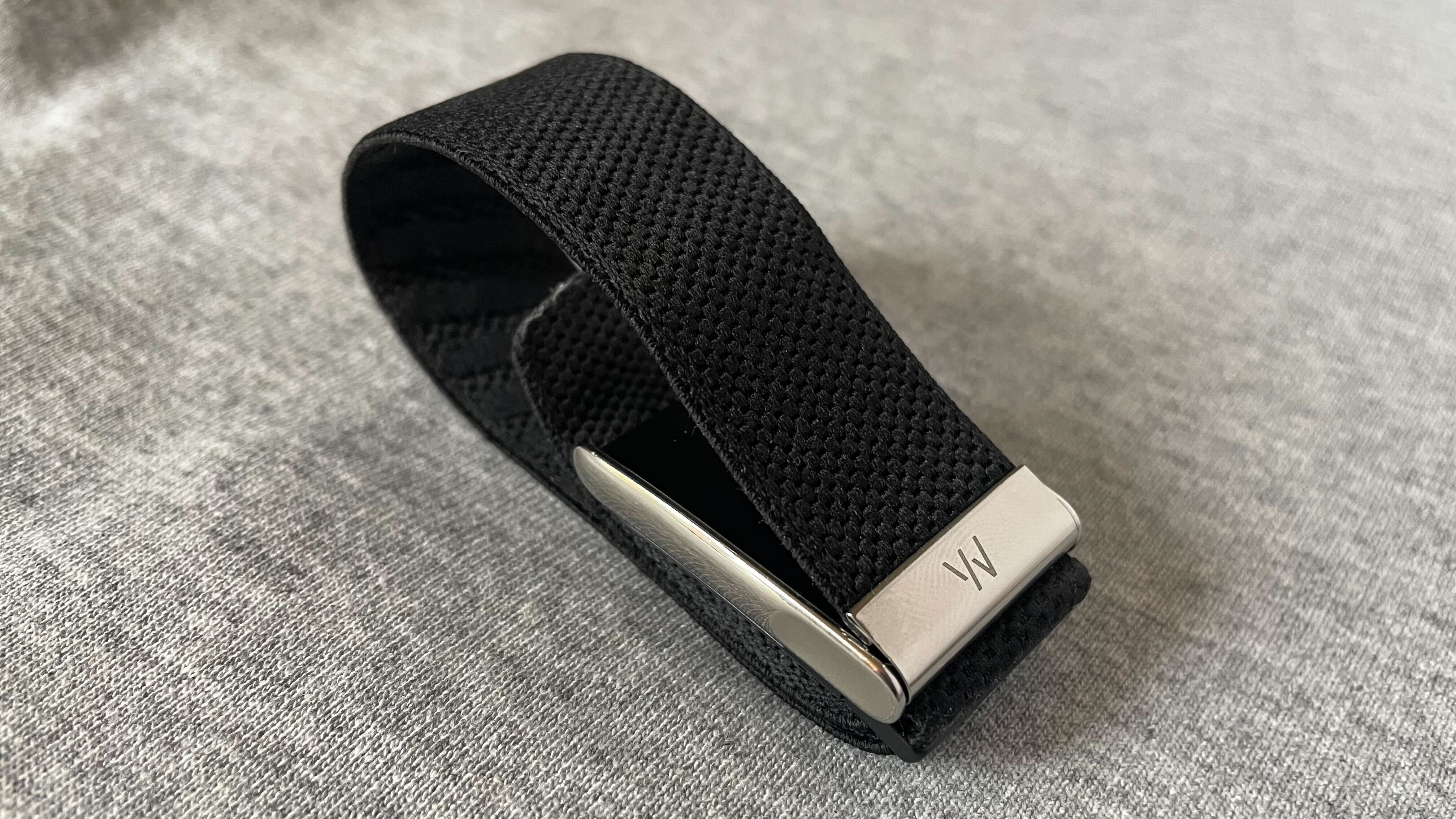
One of the most impressive feats of the Whoop 5.0 is its industry-leading 14-day battery life within such a minuscule, screenless form factor. Unlike Garmin, which you might take off at night if it feels too bulky, Whoop is designed to be worn 24/7. It utilizes a "slide-on" battery pack system, meaning you never actually have to take the device off your wrist to charge it—ensuring there are zero gaps in your biometric data.
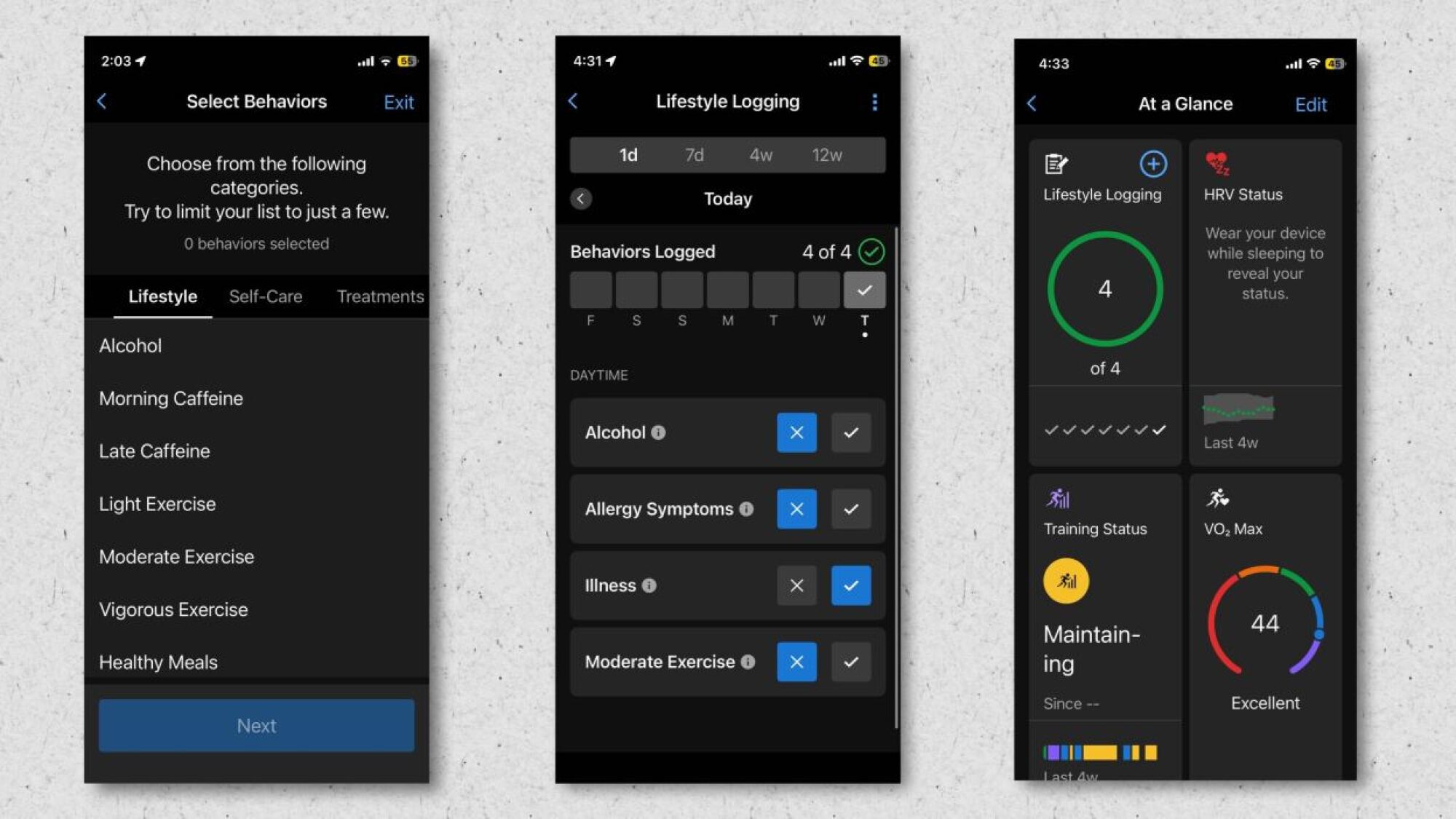
Whoop’s genius lies in its software. It doesn't just tell you that you slept poorly; it correlates that poor sleep with your late-night caffeine, your evening glass of wine, or the blue light exposure from your tablet. It provides a daily "Recovery Score" (0-100%) that dictates how much "Strain" you should aim for that day.
Performance vs. Recovery: Two Sides of the Same Coin
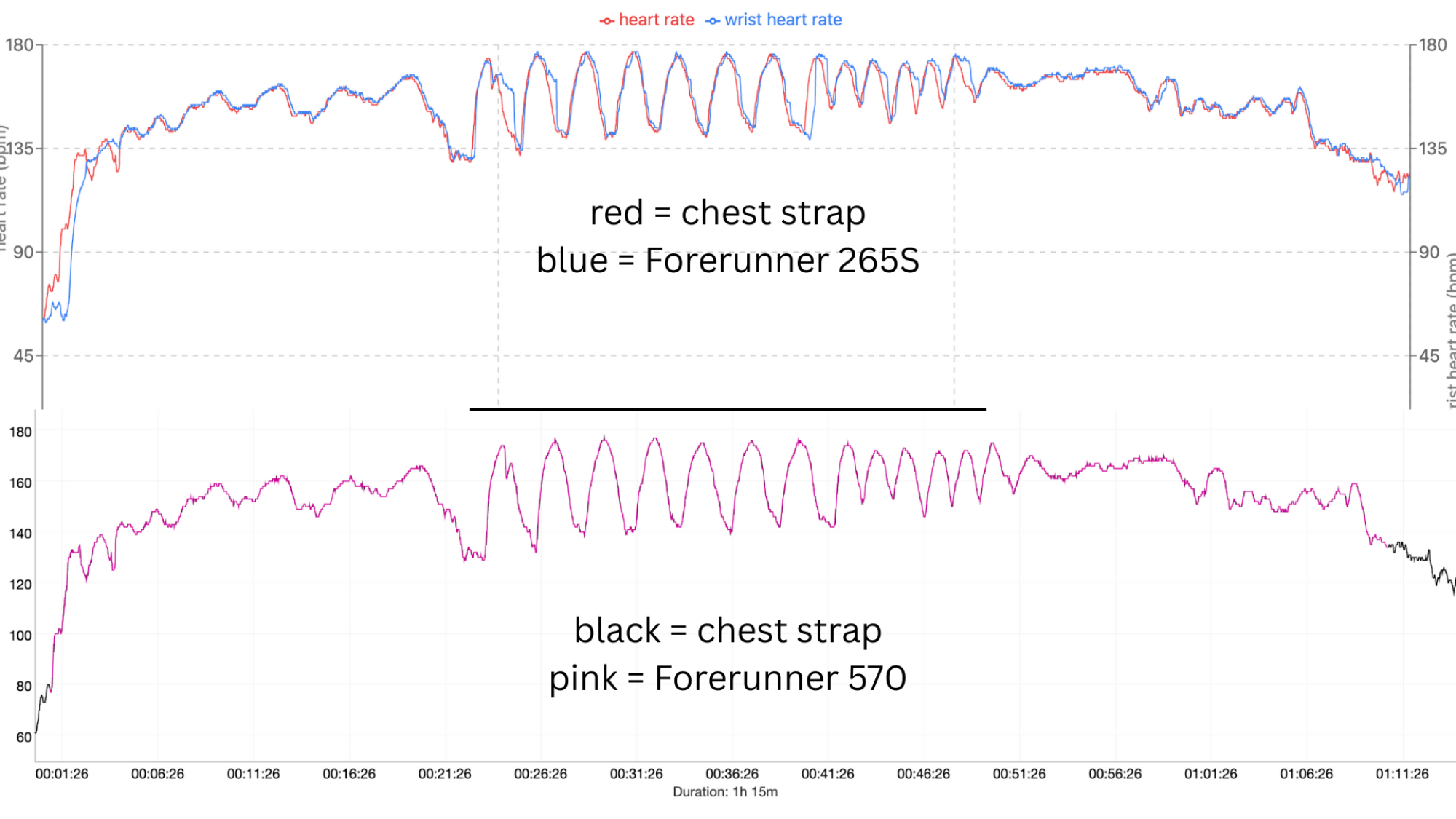
In 2025, the debate isn't about which sensor is more accurate—both Garmin and Whoop have reached near-chest-strap levels of precision—but rather how that data is utilized.
1. Activity Tracking
Garmin is the undisputed king of active tracking. With built-in multi-band GPS, it tracks your exact path, elevation, and speed without needing a phone. It offers real-time coaching: if you are running too fast for your target heart rate zone, Garmin vibrates to tell you to slow down. Whoop, conversely, is passive. It detects that you’ve started a "functional fitness" session and records the data in the background, but you won't see your stats until you check your phone afterward.
2. Recovery Metrics
While Garmin has introduced "Body Battery" and "Training Readiness," Whoop’s ecosystem is more holistic. Whoop's "Sleep Coach" is particularly sophisticated, calculating exactly how much sleep you need tonight based on the physical and mental stress of your day. Garmin’s new Index Sleep Monitor is a worthy competitor, but Whoop’s integration of lifestyle "journals" (where you track habits like magnesium intake or cold plunges) makes its insights more actionable for biohackers.
The Financials: One-Time Purchase vs. Membership
The most significant fork in the road for 2025 buyers is the financial model.
- Garmin Vivoactive 6: This is a traditional purchase. You pay approximately $300 upfront and you own the device and the data forever. There are no monthly fees to access your metrics or workout plans. For long-term users, this is significantly more cost-effective.
- Whoop 5.0: This follows a subscription model starting at $199 per year (or roughly $30/month). You don't "buy" the hardware; you pay for the service. If you stop paying, the device becomes a silicon bracelet, and you lose access to the app.
The "Value" argument depends on your perspective. With Whoop, you are essentially paying for a continuously evolving software coach and free hardware upgrades when new versions launch. With Garmin, you are paying for a high-quality tool that you might keep for 4 or 5 years without spending another dime.
The Decision Matrix: Which 2025 Wearable is Yours?
Choosing between these two isn't about which is "better"—it's about which matches your behavior.
- The Marathon Runner / Cyclist: Choose the Garmin Vivoactive 6. You need real-time GPS, pacing data, and a screen you can glance at while moving at speed.
- The High-Stress Professional / Biohacker: Choose the Whoop 5.0. You likely already wear a nice mechanical watch or prefer not to have a screen on your wrist. You care more about managing burnout and optimizing sleep than your 5K split time.
- The Strength Trainer: It’s a toss-up. Garmin's new strength-tracking features are excellent for counting reps, but Whoop's "Strength Trainer" feature measures the musculoskeletal load, which is a more accurate reflection of how lifting affects your body's recovery.
- The Budget-Conscious: Choose Garmin. The one-time $300 investment will always beat a recurring $200+ annual subscription over a 2-3 year period.
FAQ
Can I use Whoop 5.0 without a phone? No. Because the Whoop 5.0 has no screen, you must sync it with the Whoop app on your smartphone to see any of your data, recovery scores, or strain metrics.
Does the Garmin Vivoactive 6 work with both iPhone and Android? Yes, Garmin is platform-agnostic. However, Android users get the added benefit of being able to respond to text messages directly from the watch, a feature Apple restricts for third-party devices.
Is Whoop's subscription worth it? It depends on how much you value the "coaching" aspect. If you just want to see your heart rate during a workout, Whoop is overpriced. If you want a data-driven coach telling you when to rest and how to optimize your lifestyle habits, the membership provides immense value.
Final Verdict
The "best" wearable of 2025 is the one you will actually wear. Garmin remains the powerhouse of utility—a map, a wallet, a music player, and a coach all in one. Whoop, however, has perfected the art of behavioral change.
If you want to do more, buy the Garmin. If you want to be better, buy the Whoop.