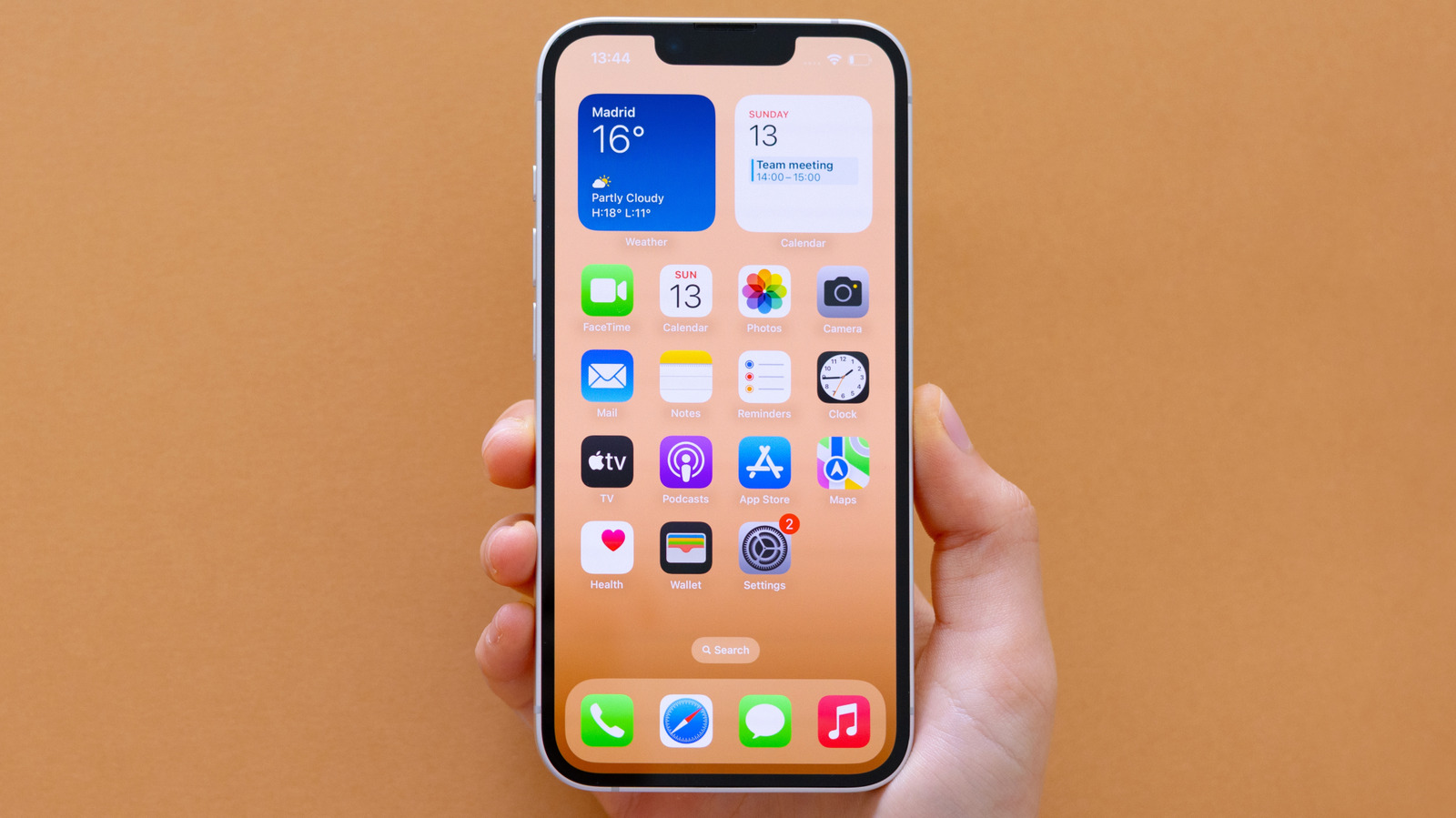
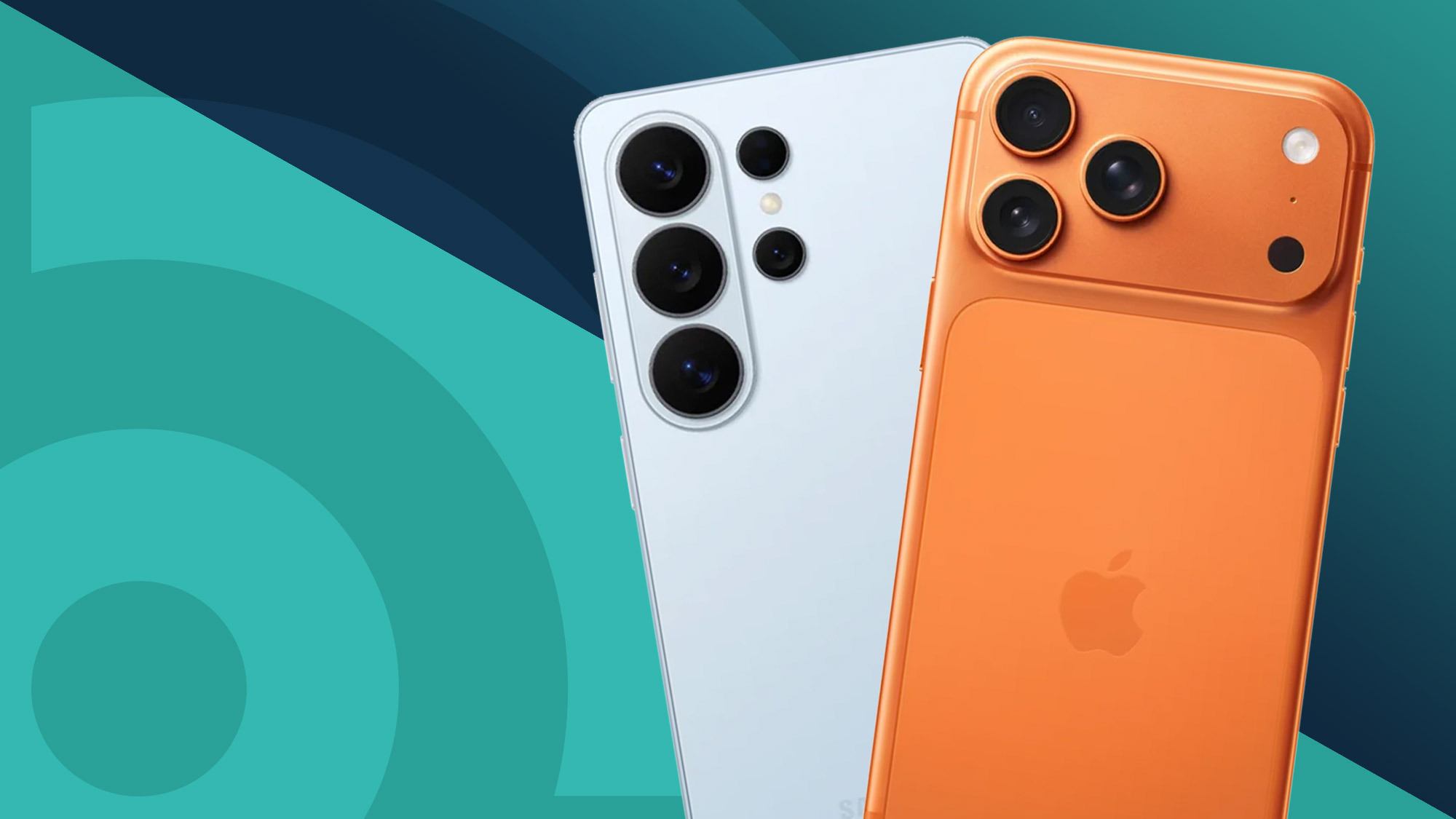
The convenience of the modern "mail-in" economy has reached a tipping point where efficiency often comes at the cost of equity. In the world of tech upgrades, this paradox is most visible within the Apple Trade In program. While the promise of a prepaid box and a doorstep pickup sounds like the pinnacle of frictionless consumerism, it is frequently the primary reason why high-value iPhones are appraised at a fraction of their worth—or worse, a demoralizing $0.
Recent user case studies and industry data suggest that transit-related damage or "discrepancies" during shipping can reduce trade-in payouts by over 60%. In one documented instance, a device estimated at $100 was downgraded to $40 because of a "bent frame" claim that occurred somewhere between the user's mailbox and the processing facility. As we approach the next cycle of hardware releases, including the anticipated iPhone 17, understanding the financial mechanics of these trade-in programs is the difference between a subsidized upgrade and a significant out-of-pocket loss.
1. The #1 Trade-In Rule: In-Store or Nothing
The single most effective way to protect your device’s value is to bypass the mailbox entirely. The most common mistake in the Apple Trade-In program is mailing the device instead of visiting a retail store. When you hand your iPhone to a specialist at an Apple Store, the valuation is performed in your presence. Once they verify the condition and you accept the quote, that value is typically locked in immediately as a credit toward your new purchase or an Apple Gift Card.
In-person evaluations eliminate the "black box" of third-party processing centers. When you mail a device, it often goes to a logistics partner like Phobio or Brightstar, not Apple itself. These facilities are high-volume, and the incentive structure often favors identifying flaws that lower the payout. By visiting a retail location, you remove the risk of the device being crushed in a sorting facility or "lost" in transit, ensuring the "mint" condition you see is the "mint" condition they acknowledge.
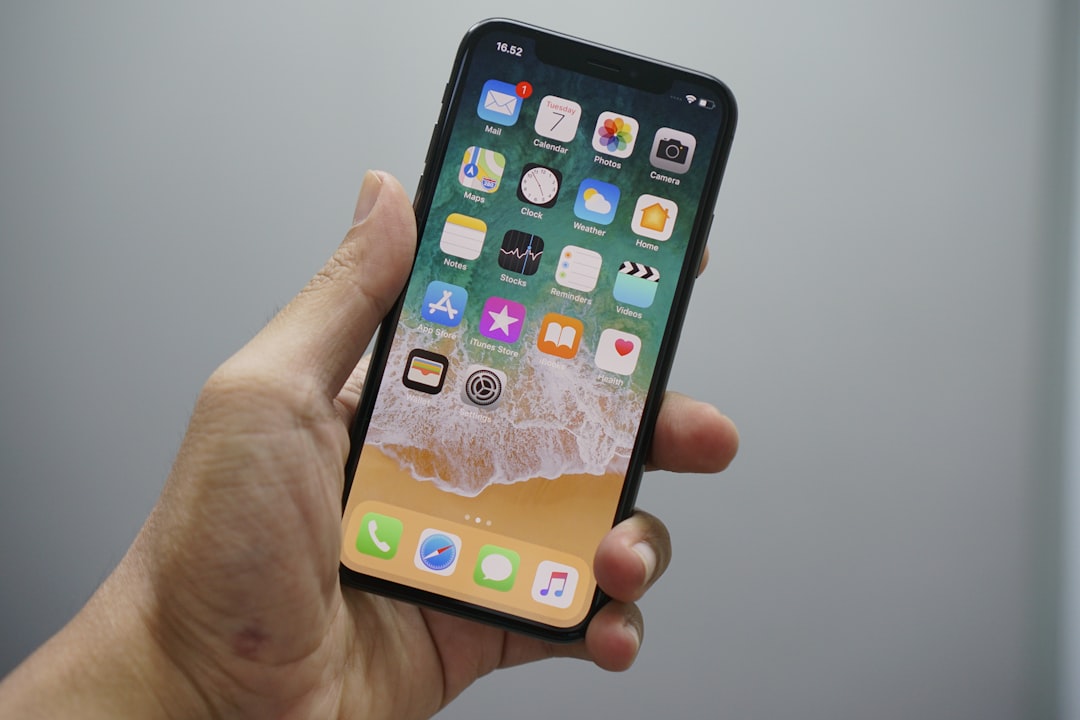
2. The 'Insurance' Video: Essential Evidence for Mail-In Users
For those who live hours away from the nearest Apple Store, mailing the device is a necessity. However, you should never treat the provided trade-in kit as a guarantee of safety. To protect yourself against "revised" estimates, you must create a forensic trail of evidence.
Before placing your iPhone in the box, record a continuous, unedited 360-degree video of the device. This video should clearly show:
- The IMEI number (found in Settings > General > About).
- The screen and back glass under a bright light to prove the absence of cracks.
- The device powering on, cycling through a few apps, and powering off.
- The final act of placing the device into the shipping sleeve and sealing the box.
This video serves as your primary leverage if a technician later claims the screen was cracked or the device wouldn't boot. If your estimate is revised downward, do not immediately click "Accept." Instead, contact Apple Support and inform them you have date-stamped video evidence of the device's condition at the time of shipping. In many cases, this is enough to have the original valuation honored.
Expert Tip: Never rely on the standard shipping insurance provided by the trade-in label. It is often capped at a value far below the actual worth of your iPhone. Your video is your true insurance policy.
3. Physical Prep: Beyond Just a Screen Wipe
While storage capacity and model age set the "ceiling" for your trade-in value, the physical state determines whether you hit that ceiling or fall through the floor. We often focus on the screen, but appraisers look at the "chassis integrity."
A common reason for a $0 payout is the "Sticky Button" trap. If the volume buttons or the silencer switch don't have a tactile "click," or if they are recessed due to debris, the device is often flagged for "recycling" rather than "refurbishment." Before trading in, use a toothpick and a small amount of 90% isopropyl alcohol to clean the seams around the buttons and the charging port. A port clogged with lint can lead to a "charging failure" report, which instantly devalues the phone to a scrap-metal price.
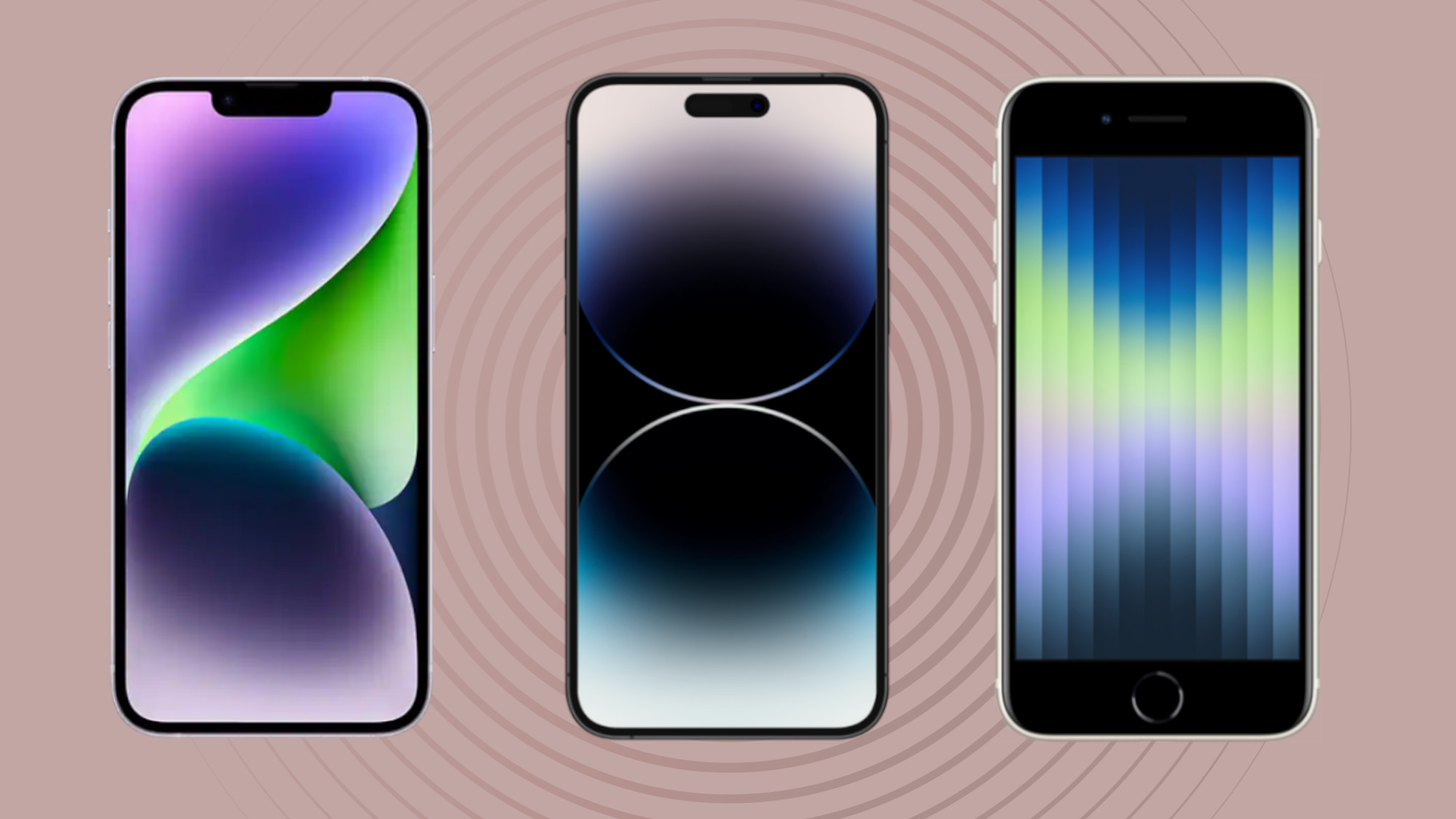
Furthermore, if you are planning for a future upgrade, maintaining "mint" status starts on day one. Using a high-quality screen protector and case doesn't just protect the phone; it preserves a financial asset. Even micro-abrasions—the "pocket sand" scratches visible only under direct light—can sometimes bump a device from "Excellent" to "Good," costing you $50 to $100 in credit.
4. The 'Secondary Market' Strategy for a 'Free' Phone
There is a sophisticated way to leverage carrier competition that many call the "secondary market flip." During the launch window of a new iPhone (typically September to October), major carriers like AT&T, Verizon, and T-Mobile offer "Aggressive Retention Promos." These promos often offer $800 to $1,000 in credit for any iPhone from the last three or four generations, regardless of its current market value.
The strategy works like this: instead of trading in your current iPhone 15 Pro, which still has high resale value, you purchase a used, older-model iPhone (like an iPhone 12 or 13) from a reputable secondary market seller for $200-$300. You then trade that older phone into the carrier for the $1,000 credit. You can then sell your iPhone 15 Pro privately for cash.
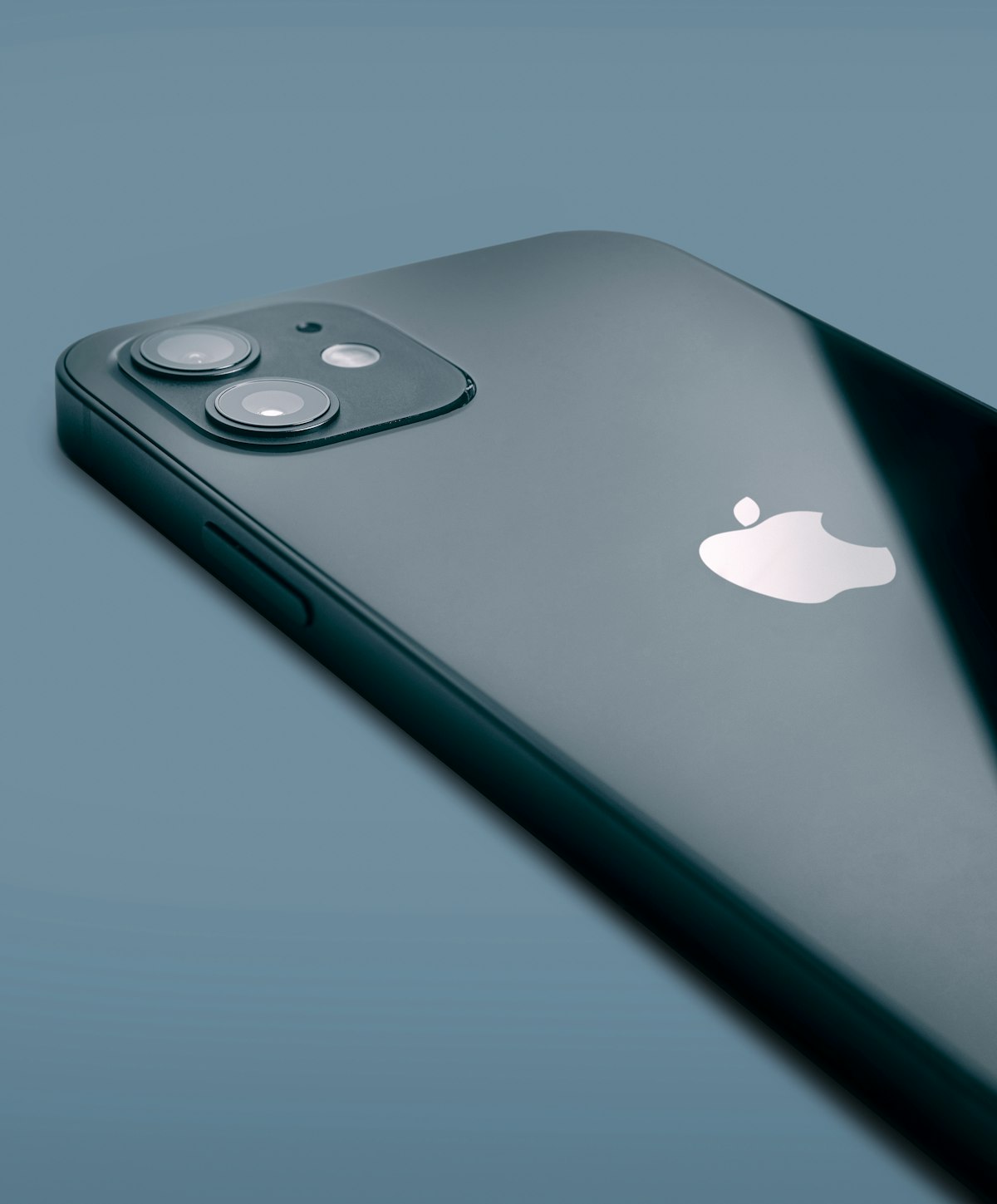
However, this "free" phone comes with a caveat. Carrier promotional credits typically involve a 24-36 month "Bill Credit" model. You aren't given $1,000 upfront; instead, your monthly phone payment is offset by a credit over three years.
Warning: If you cancel your service line, switch carriers, or try to pay off the phone early to sell it, 100% of the remaining promotional credit is forfeited. You are essentially signing a multi-year service contract in exchange for that hardware discount.
5. Timing & Depreciation: The 'Sell-By' Date
The value of an iPhone follows a predictable, yet steep, depreciation curve. Data shows that iPhones generally retain 40-50% of their value after two years, which is industry-leading, but that value drops precipitously the moment a new model is announced.
The "sweet spot" for locking in a trade-in price is roughly 2 to 4 weeks before the annual September Apple Event. Many third-party buyback sites like Gazelle or Decluttr allow you to "lock in" a quote for 30 days. This allows you to secure the high pre-launch price while keeping your current phone until the new one actually arrives in your hands.
Once the new iPhone hits the shelves, the trade-in value of the previous generation typically sheds 15-25% within the first 30 days. If you wait until November to trade in your old device, you are essentially leaving money on the table.

In addition to external condition, keep an eye on your battery health (Settings > Battery > Battery Health & Charging). If your maximum capacity falls below 80%, the device is technically considered "consumed" by Apple's standards. While it may not always lead to a $0 payout, it can trigger a "needs repair" flag that significantly reduces the offer.
Trade-In Comparison at a Glance
| Feature | Apple Store Trade-In | Carrier Promotions | Third-Party Buyback (Cash) |
|---|---|---|---|
| Best For | Immediate credit, no strings | Getting a "Free" new phone | Cold hard cash |
| Value Level | Moderate | Very High (up to $1,000) | Competitive |
| Payout Method | Apple Credit / Gift Card | 24-36 Month Bill Credits | Check, PayPal, or Zelle |
| Requirement | Device must power on | Plan upgrade/New line | Device condition varies |
| Risk Factor | Low (if done in-store) | High (Long-term commitment) | Moderate (Shipping risks) |
Pre-Trade-In Checklist
Before you hand over your device or seal that box, ensure you have completed these non-negotiable steps:
- [ ] Unpair Apple Watch: If you have an Apple Watch, unpair it from your iPhone to back up the data.
- [ ] Full iCloud Backup: Ensure your latest data is in the cloud or on a Mac/PC.
- [ ] Sign Out of Find My: This is the #1 reason trade-ins are rejected. A device with "Find My" enabled is a paperweight to a recycler.
- [ ] Factory Reset: Settings > General > Transfer or Reset iPhone > Erase All Content and Settings.
- [ ] Physical Clean: Use a microfiber cloth and clean the charging port and speaker grilles.
- [ ] The "Insurance" Video: Record your 360-degree proof of functionality and condition.
FAQ
Q: Can I trade in an iPhone with a cracked screen? A: Yes, but expect a significant reduction. For example, a "Good" condition iPhone might be worth $400, while the same model with a cracked screen might drop to $100 or less. In some cases, if you have AppleCare+, it is cheaper to pay the $29 screen repair fee before trading it in to capture the higher "Mint" valuation.
Q: What happens if I disagree with a revised mail-in quote? A: You have the right to reject the new quote. Apple (or the third-party partner) is required to ship your device back to you at no cost. Once you receive it, you can attempt an in-store trade-in or sell it on the private market.
Q: Do I need to include the charger and cable? A: Generally, no. Most trade-in programs, including Apple’s, only require the device itself. You can keep your cables and power bricks for your next device or as spares.
Maximizing your iPhone trade-in isn't about luck; it’s about mitigating the risks of a system designed for high-volume processing. By prioritizing in-store transactions, documenting your device's condition, and timing the market, you treat your smartphone not just as a gadget, but as a financial asset that retains its value.