Quick Facts
- National Trends: U.S. vehicle thefts decreased by 23% in the first half of 2025, totaling 334,114 reported incidents compared to 435,754 in H1 2024.
- Theft Capital: Denver, Colorado, currently holds the highest theft rate in the nation with 964 incidents per 100,000 residents.
- Most Targeted Model: The Chevrolet Silverado 1500 remains the most stolen vehicle in California, with over 6,248 units taken annually.
- The Vulnerability: Approximately 8 million 2011–2021 Hyundai and Kia vehicles were manufactured without electronic immobilizers, fueling a social-media-driven theft epidemic.
- The Solution: A "layered defense" strategy—combining behavioral habits with remote engine immobilization technology—is the only statistically significant way to ensure vehicle recovery.
The State of Vehicle Theft: 2025–2026 Statistics
As we navigate the mid-point of the decade, the landscape of automotive security presents a paradoxical narrative. Data from the first half of 2025 suggests a significant cooling of the post-pandemic theft surge. National vehicle thefts plummeted by 23%, falling to 334,114 incidents. While this downward trend is a victory for law enforcement and manufacturers, the aggregate numbers remain historically high, and the "geography of risk" has become increasingly concentrated.
In my analysis of regional data, the "Problem States" of the American West and Southwest continue to struggle. While the national average improves, cities like Denver (964 thefts per 100k), Albuquerque (710 per 100k), and North Las Vegas (700 per 100k) remain outliers where the risk of theft is nearly four times the national median. This discrepancy is often attributed to a combination of high-density urban parking, proximity to major transit corridors, and—critically—a lag in the adoption of next-generation car theft prevention strategies among the general public.
The reduction in national figures is largely credited to collaborative law enforcement efforts, such as multi-state task forces targeting organized "chop shops," and the widespread rollout of software-based immobilizer fixes. However, for the individual car owner in a high-risk metro area, the statistical decline is cold comfort compared to the reality of the morning walk to an empty parking spot.
The Vulnerability Crisis: Hyundai, Kia, and the 'Kia Boys' Effect
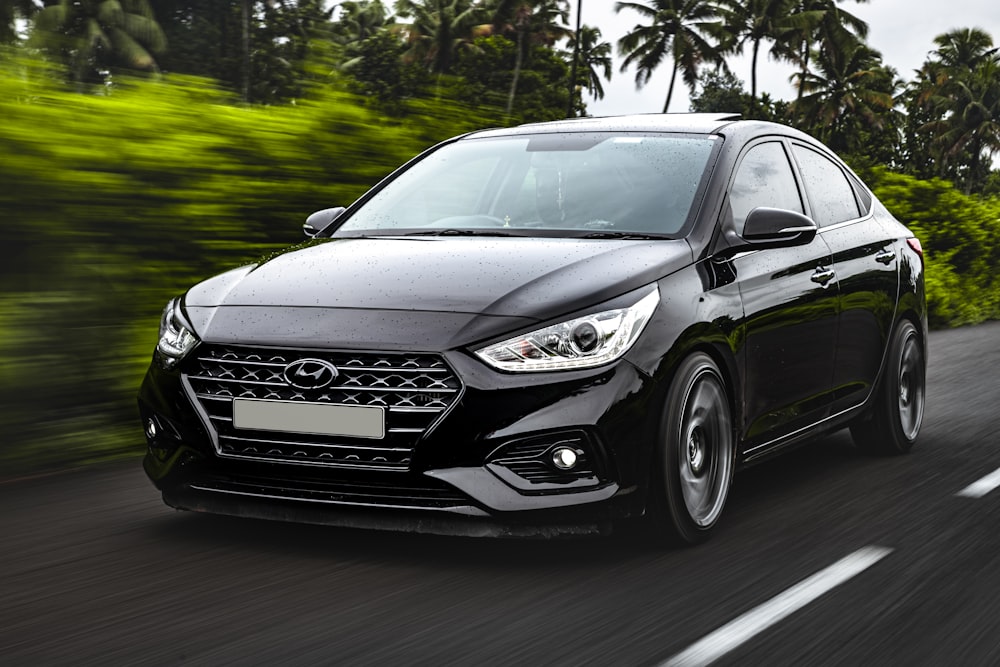
The most significant disruption in vehicle security over the last five years didn't come from high-tech hackers, but from a glaring hardware omission. Between 2011 and 2021, many Hyundai and Kia models were produced without an electronic immobilizer—a standard component in most other vehicles of that era that prevents the engine from starting without the correct transponder key.
This vulnerability was weaponized by social media trends, specifically the "Kia Boys" phenomenon on platforms like TikTok, which demonstrated how to bypass the ignition using nothing more than a USB cable. The demographic of car thieves shifted overnight from professional syndicates to opportunistic adolescents.
Even in 2026, the ripple effects persist. While the "Hyundai Kia immobilizer fix" (a free software update provided by the manufacturers) has reached millions of vehicles, the brand perception remains a magnet for break-ins. Thieves often smash windows of newer models with immobilizers just to check the steering column, leaving the owner with a hefty repair bill even if the car isn't stolen. Similarly, in California, the Chevrolet Silverado 1500 remains a perennial target for professional rings due to its high resale value on the secondary parts market, with over 6,248 units reported stolen in a single year.
Foundational Security: 11 Essential DIY Strategies
The first line of defense is rarely digital; it is psychological and behavioral. I often tell readers that "security is about making your car a less attractive target than the one next to it." To outsmart car thieves, you must implement what security experts call the "9 PM Routine."
- The Lock-Check: Never assume your key fob worked. Physically check the handle.
- Windows and Sunroofs: Even a half-inch crack provides leverage for a slim-jim or a wire hanger.
- Well-Lit Environments: Park under LED streetlights. Thieves despise visibility.
- Steering Wheel Locks: Devices like "The Club" may seem antiquated, but they serve as a powerful visual deterrent for the "Kia Boys" demographic.
- Remove Valuables: An empty gym bag looks like a laptop bag to a thief at 2 AM.
- The Glovebox Rule: Never leave your registration or insurance papers in the car. If a thief is pulled over, these documents give them "permission" to be in the vehicle.
- Faraday Pouches: For keyless-go vehicles, store your fobs in a signal-blocking pouch to prevent "relay attacks" where thieves intercept the signal from inside your home.
- Wheels to the Curb: When parking on the street, turn your wheels toward the curb. This makes it significantly harder for tow-truck thieves to make a quick getaway.
- Catalytic Converter Engraving: Use a high-heat paint or engrave your VIN onto the converter to devalue it for scrap yards.
- VIN Etching: Etch your VIN into the windshield and side windows to make the car harder to "re-vin" and sell.
- Garage Security: If you have a garage, use it. Do not use it as a storage unit while your $50,000 asset sits on the driveway.
Expert Insight: "A layered approach is the only way to minimize risk. One lock is a nuisance; three locks are a deterrent; a GPS tracker with a kill switch is a recovery guarantee."
Next-Gen Protection: Best Car Security Systems for 2026
The era of the "screaming" car alarm is over. In 2026, the best car security systems are silent, proactive, and deeply integrated with your smartphone. We have moved from reactive noise to real-time data.
The Rise of Remote Engine Immobilization Technology
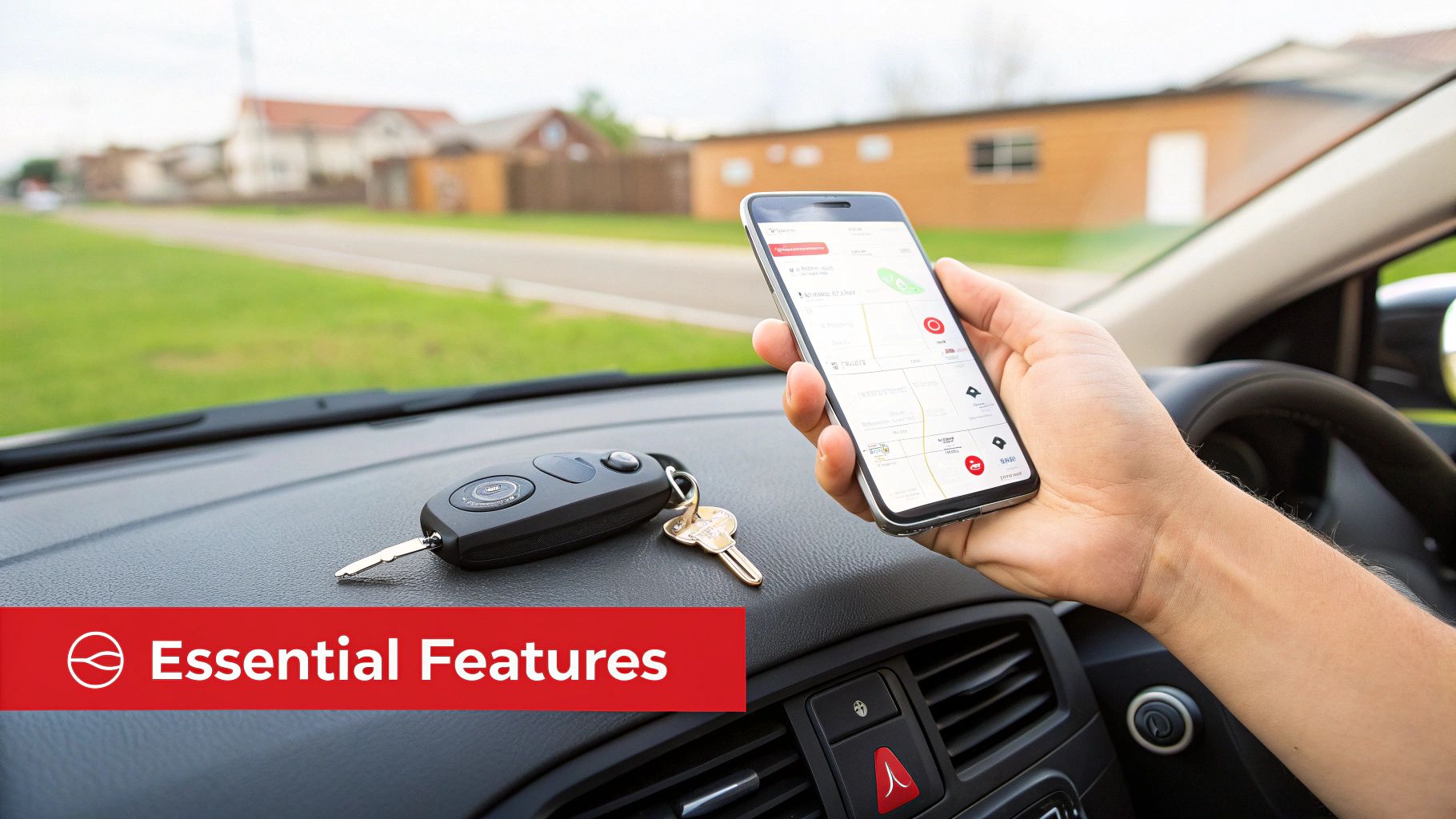
The "Virtual Kill Switch" is the gold standard for 2026. These systems allow an owner (or a monitoring center) to remotely disable the engine the moment a theft is detected. Crucially, modern systems do not shut the engine off while moving—which could cause a dangerous accident—but rather prevent the engine from being restarted once it comes to a stop.
Real-Time GPS and OBD-II Intelligence
Recovery rates for stolen vehicles equipped with active GPS tracking now exceed 90%. Systems that plug into the OBD-II port (the diagnostic port under your dash) offer more than just location. They can detect:
- Vibration Alerts: Notifying you if a window is smashed or the car is being jacked up for its wheels.
- OBD-II Tampering: Thieves often try to plug in their own computers to program a new key; smart systems alert you the second that port is accessed.
Comparison: Traditional Alarms vs. Smart Connected Systems
| Feature | Traditional Alarm (Pre-2020) | Smart Connected System (2026) |
|---|---|---|
| Alert Method | Audible Siren (Often ignored) | Instant Smartphone Push Notification |
| Tracking | None | Real-time GPS/GLONASS |
| Prevention | Visual Deterrent Only | Remote Engine Immobilization |
| Installation | Hardwired (Complex) | OBD-II Plug-and-Play or Wireless |
| Connectivity | Local (Range of Key Fob) | Global (Cellular/LTE-M) |
| Cost | One-time Purchase | Subscription-based (Cloud data) |
Emerging Trends: The Future of Auto Theft Prevention
As thieves become more tech-savvy—utilizing signal boosters and OBD-hacking—the industry is fighting back with three key technologies that will define the rest of the decade.
AI and Machine Learning
Insurance companies and security providers are now using AI to analyze "anomalous behavior." For example, if your car is typically parked in a suburban driveway at 3 AM but is suddenly traveling at 80 MPH toward a known shipping port, the system can autonomously trigger an "owner verification" call or temporarily limit the vehicle’s top speed until identity is confirmed.
Biometric Authentication
We are seeing the transition of fingerprint and facial recognition from smartphones to the driver’s seat. Several 2026 luxury models now require a biometric scan on the start button or a facial scan via the infrared camera on the dash before the transmission can be shifted out of "Park."
Blockchain Technology
One of the most underrated tools in the fight against organized crime is the blockchain. By creating an immutable, decentralized ledger for vehicle identification numbers (VINs) and ownership titles, it becomes nearly impossible for thieves to "wash" a title or export a stolen vehicle under a fake identity. A vehicle’s "digital twin" on the blockchain ensures that its history is transparent and unhackable.

Choosing the Right System: A Decision Framework
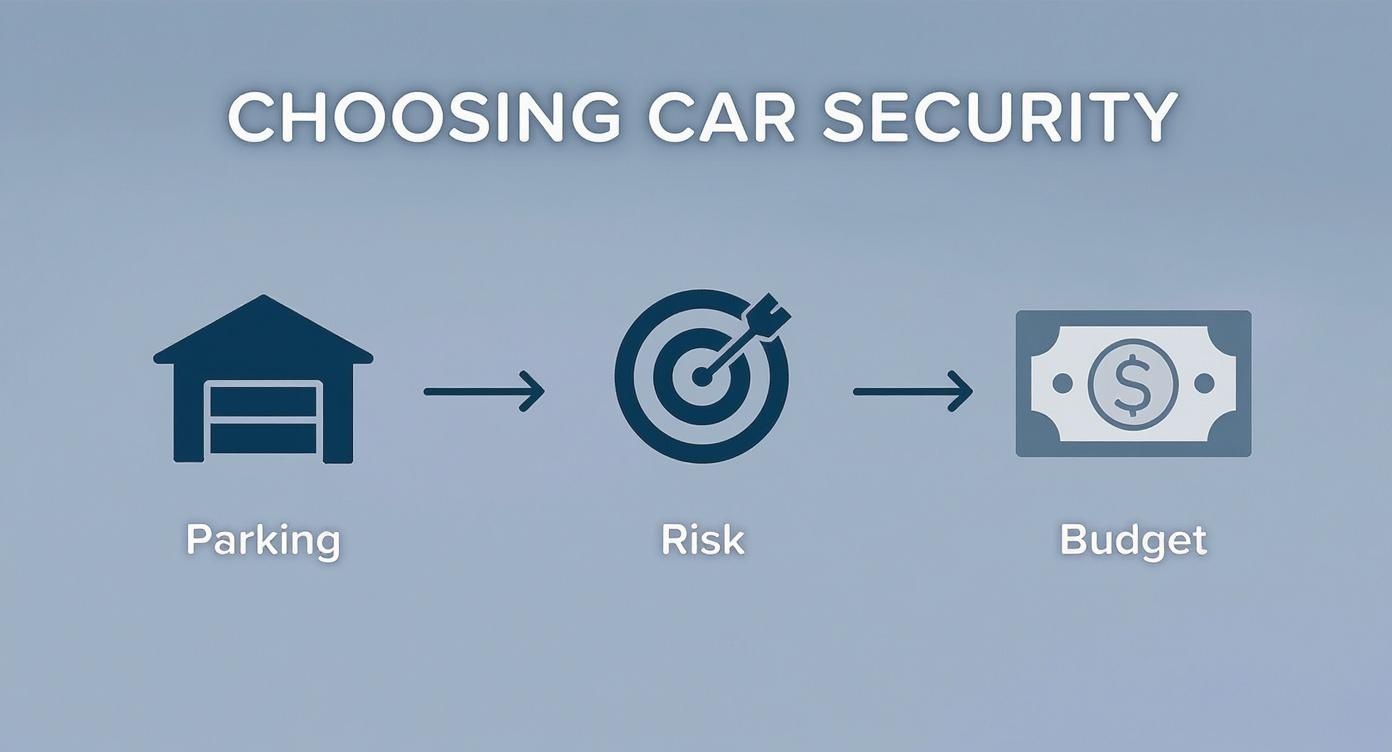
When selecting your security suite for 2026, you must weigh your specific risk profile against your budget. A "one size fits all" approach often results in overspending or leaving critical gaps.
- Step 1: Assess Your Environment: If you park on the street in Denver or Albuquerque, you need a system with an active cellular connection and remote immobilization. If you have a locked garage in a low-crime suburb, a high-quality GPS tracker may suffice.
- Step 2: Compatibility Check: Most vehicles manufactured after 1996 are compatible with OBD-II devices. However, electric vehicles (EVs) require specialized systems that don't drain the high-voltage battery.
- Step 3: Subscription vs. Standalone: I recommend systems that include a 24/7 cellular connection. While they carry a monthly fee (typically $10–$20), they are the only systems that work when you are miles away from your vehicle.
- Step 4: Warranty Considerations: Under the Magnuson-Moss Warranty Act, a manufacturer cannot void your entire vehicle warranty simply because you installed an aftermarket security system. However, ensure your chosen system is "plug-and-play" to avoid splicing wires, which is the most common cause of electrical disputes.
Compare 2026 Security Systems →
FAQ
Q: Will an aftermarket security system lower my insurance premiums? A: Generally, yes. Most major insurers offer a "theft recovery" discount if your car is equipped with a GPS tracking system and an engine immobilizer. In high-risk states like California or Colorado, this discount can sometimes pay for the system's subscription cost over two years.
Q: Can a professional thief bypass a GPS tracker? A: While professional thieves use signal "jammers," modern 2026 systems utilize multi-network hopping (LTE, 5G, and Satellite) to find a signal. Furthermore, if a system detects jamming, it can be programmed to trigger a "deadlock" on the engine before the signal is lost.
Q: My car already has a manufacturer app (like OnStar or Kia Connect). Do I need another system? A: Many factory systems are easily disabled by cutting the main battery or pulling a specific fuse. Aftermarket systems often have their own internal backup battery and are hidden in non-standard locations, making them much harder for a thief to find and deactivate.
Final Thought from James Wright: The decline in national theft statistics is a positive indicator, but the evolution of "digital carjacking" means the responsibility of security has shifted from the manufacturer to the owner. Do not wait until you are a data point in next year's "Stolen Vehicle Statistics" report. Invest in a layered defense today—because in the eyes of a thief, the best car to steal is the one that hasn't been updated since 2021.