The scene is all too familiar: a rainy Saturday afternoon, four family members in the same living room, and four separate glowing screens illuminating four separate faces. We call it "together, alone." As parents, we’ve spent years trying to find the antidote to this digital isolation—buying board games that end up with missing pieces or trying to force a family Mario Kart session where someone inevitably feels left behind.
Enter Board, a sleek, 24-inch touchscreen console that wants to turn our dining tables back into the heart of the home. Founded by Brynn Putnam—the visionary behind the Mirror—Board isn't just another gadget; it’s a $15 million bet that families are ready to trade their individual tablets for a shared, interactive experience. By blending the tactile satisfaction of physical game pieces with the dynamic magic of a high-end display, it aims to be the "future of family game night." But at a $499 early adopter price point, is it a practical investment for the average family, or just a luxury niche?
| Feature | Specification |
|---|---|
| Display | 24-inch flat touchscreen (Capacitive) |
| Physical Components | 50 interactive pieces included |
| Technology | Proprietary AI-enhanced tabletop ecosystem |
| Materials | Wood-finished frame designed for home decor |
| Player Count | 4 to 6 players (Local multiplayer) |
| Launch Price | $499 (Early Adopter) / $699 (MSRP) |
| Release Date | November 2024 |

The Pedigree: From Fitness Mirror to Family Table
If the name Brynn Putnam sounds familiar, it’s because she revolutionized home fitness by selling Mirror to Lululemon for $500 million. Now, she’s turned her sights from the gym to the living room. Her mission with Board is personal: solving the "device isolation" problem that plagues modern parenting.
During our research into the console’s development, it became clear that Board isn't trying to compete with the high-octane graphics of a PlayStation or the portability of an iPad. Instead, it’s designed to foster face-to-face interaction. The console sits flat on your table, encouraging players to look at each other rather than at a wall-mounted TV. It’s a subtle shift in geometry that makes a massive difference in how our kids engage with us—and each other.
How It Works: The Magic of 'Phygital' Play
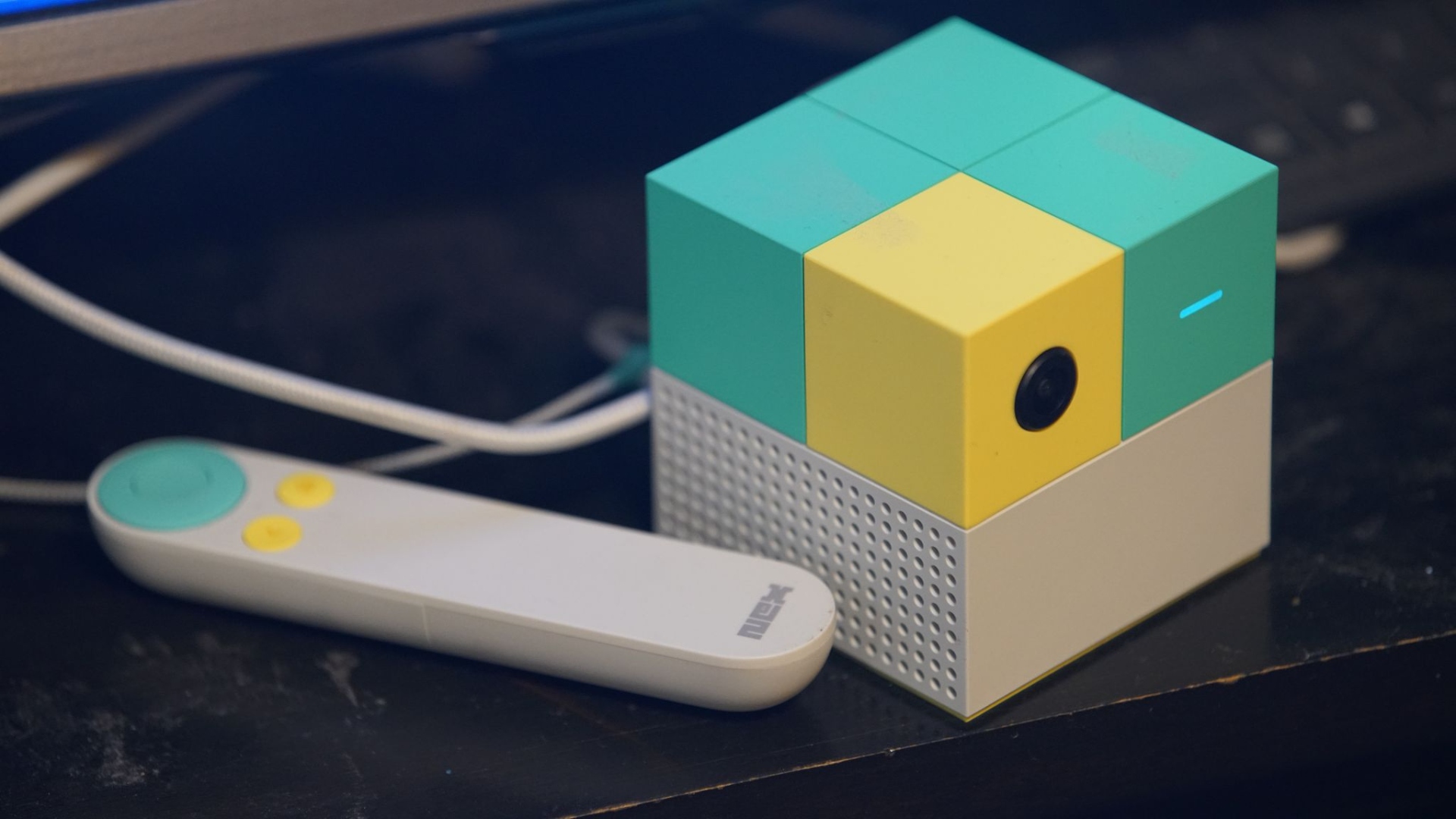
The standout feature of Board is its "phygital" (physical + digital) interface. Unlike a standard tablet where you simply tap a screen, Board comes with a set of 50 physical pieces. These aren't just plastic tokens; they utilize custom capacitive technology and proprietary AI to interact directly with the software.
When you place a piece on the board, the digital environment reacts in real-time. Imagine a strategy game where your physical knight moves through a digital fog of war, or a puzzle game where the board adapts its difficulty based on how your family is playing.
- The AI Ecosystem: The console uses in-house machine learning models to track gameplay and ensure the digital responses are seamless.
- Tactile Interaction: For younger children, the ability to grab, hold, and move physical pieces is crucial for fine motor skills and keeps them grounded in the physical world.
- Aesthetic Integration: The wood-finished frame is a thoughtful touch. It looks less like a "gaming PC" and more like a high-end piece of furniture, making it a permanent fixture on the dining table rather than something to be tucked away in a drawer.
The Launch Library: Quality Over Quantity
A console is only as good as its games, and Board is launching this November with a curated selection of 12 exclusive titles. While 12 might sound like a small number compared to the thousands available on the App Store, the pedigree of the developers is impressive. We’re talking about industry veterans who worked on World of Warcraft and Manifold Garden.
These games are specifically designed for 4 to 6 players, emphasizing group dynamics over solo achievements. From what we’ve seen, the games lean toward "easy to learn, hard to master," which is the sweet spot for families with varying ages.

Sophia’s Pro-Tip: When evaluating a new gaming system, look at the "Player Count" first. Many "family" consoles only support 2 players comfortably. Board’s focus on 4-6 players makes it one of the few options that can actually accommodate the whole family at once.
The Price of Connection: Is It Worth the Investment?
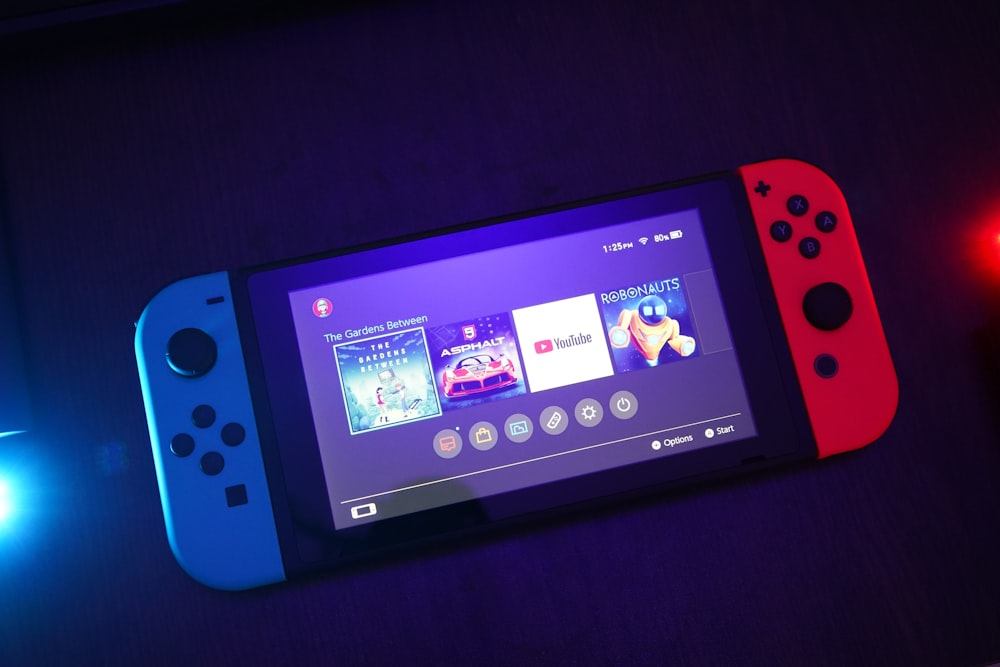
Now, let’s talk about the elephant in the room: the price. At an early adopter price of $499 (rising to $699 at retail), Board is a significant investment. For the same price, you could buy a Nintendo Switch and a massive library of traditional board games.
| Console / Activity | Price Point | Portability | Social Focus |
|---|---|---|---|
| Board Console | $499 - $699 | Low (Tabletop) | High (Face-to-face) |
| Nintendo Switch | $299 | High (Handheld/TV) | Medium (Mostly TV-based) |
| iPad Air | $599 | High | Low (Individual) |
| Traditional Games | $20 - $60 | High | High (Physical only) |
For the budget-conscious family, the $699 retail price might be a tough pill to swallow. However, if you view it as a replacement for multiple iPads or a way to centralize family time, the value proposition changes. It’s designed for the tech-forward family that values design and is willing to pay a premium for a curated, high-quality social experience.
Pros and Cons: A Balanced View
Reasons to Buy
- True Face-to-Face Interaction: It’s one of the few tech products that actually encourages looking at your family members instead of a wall.
- Seamless Tech: The AI and capacitive pieces eliminate the "rulebook fatigue" that often kills the momentum of traditional board game nights.
- Beautiful Design: The wood finish ensures it won't look like a piece of plastic junk in your dining room.
- High-Tier Talent: The games are being built by serious developers, promising a more polished experience than typical "educational" apps.
Reasons to Avoid
- High Entry Cost: $500–$700 is a lot to ask when most families already own tablets and consoles.
- Limited Library: With only 12 games at launch, there’s a risk of the content feeling thin after a few months.
- Lack of Portability: This is a heavy, 24-inch piece of hardware. It’s not something you’ll be packing for a trip to Grandma’s house easily.
The Verdict: The Future or a Luxury Niche?
As a family travel editor, I’m always looking for ways to make "home" feel as engaging as a vacation. Board is a bold attempt to fix the broken American game night. It’s polished, it’s innovative, and it’s undeniably cool to see physical pieces interact with a digital world.
If you are a family that struggles with "screen isolation" and has the budget for a premium lifestyle gadget, Board could be the centerpiece of your home. However, for most families, the $699 price tag might make this a "wait and see" product. We want to see how that library of 12 games grows before we commit to the retail price. But for those who jump in early at $499? You’re getting a front-row seat to what family gaming will likely look like for the next decade.
Frequently Asked Questions (FAQ)
Q: Do I need a subscription to play the games on Board? A: While the console comes with the initial library, the company has hinted at a potential subscription model or individual game purchases for future titles, similar to other digital board game platforms.
Q: Is the screen durable enough for kids? A: Yes, Board is designed with family use in mind. The 24-inch screen is reinforced to handle the weight and movement of the 50 physical pieces, as well as the occasional enthusiastic tap from a toddler.
Q: Can I use Board as a regular tablet for Netflix or browsing? A: No. Board is a dedicated gaming ecosystem. Its software is custom-built for tabletop interactions, and it does not support standard Android or iOS apps to ensure the focus remains on face-to-face play.