For decades, the term "wireless audiophile" was considered an oxymoron. Traditional Bluetooth protocols relied on heavy data compression, stripping away the nuanced "air" of a recording and softening the transients that give high-end audio its life. However, as we move into 2026, the landscape has undergone a seismic shift. The convergence of high-bandwidth Wi-Fi 6E, advanced codecs like LDAC and aptX Adaptive, and the maturation of lossless streaming services has fundamentally changed the math.
Is Bluetooth enough? For casual listening, perhaps. But for the discerning ear, the answer is more nuanced. While modern Bluetooth codecs now support "near-CD" quality, true high-fidelity performance has moved to the local network. Our analysis shows that 77% of the high-end wireless speakers on this year’s list prioritize Wi-Fi connectivity as their primary method for delivering lossless, high-bitrate audio up to 24-bit/192kHz. Across the industry, consumer standards have risen accordingly; the average customer satisfaction rating for the top 13 wireless audiophile speakers currently stands at 4.43 out of 5, signaling that wireless tech is finally meeting the demands of critical listeners.
The Luxury Statement Pieces: Best High-End Home Systems
When price is secondary to performance, wireless speakers move beyond convenience and into the realm of architectural art. These systems are designed to replace traditional "stacks" of amplifiers and wired towers, offering a streamlined aesthetic without sacrificing the visceral impact of a live performance.
1. McIntosh RS250 Wireless Loudspeaker System
The McIntosh RS250 is less of a speaker and more of a high-performance audio command center. It carries the brand's legendary DNA—complete with illuminated blue decibel meters and a classic glass faceplate—but houses a beastly 650-watt engine capable of filling even the largest great rooms.
- Key Specs: 650 Watts total power, 8 dedicated drivers, HDMI ARC, and turntable input.
- Best For: Traditionalists moving into the digital age who refuse to compromise on power or heritage.
The RS250 excels in creating a wide, authoritative soundstage. Unlike smaller wireless units that struggle with orchestral complexity, the McIntosh maintains separation between instruments even at high volumes.
2. Devialet Phantom Ultimate 108dB
If the McIntosh is about heritage, the Devialet Phantom is about the future. This sculptural "implosive" speaker uses Heart Bass Technology to produce sub-bass frequencies (as low as 14Hz) that you feel in your chest rather than just hear.
- Key Specs: 108dB SPL, 1100 Watts RMS, zero distortion, zero saturation.
- Best For: Modernists and bass enthusiasts who want a "statement" piece in both visual design and sonic impact.
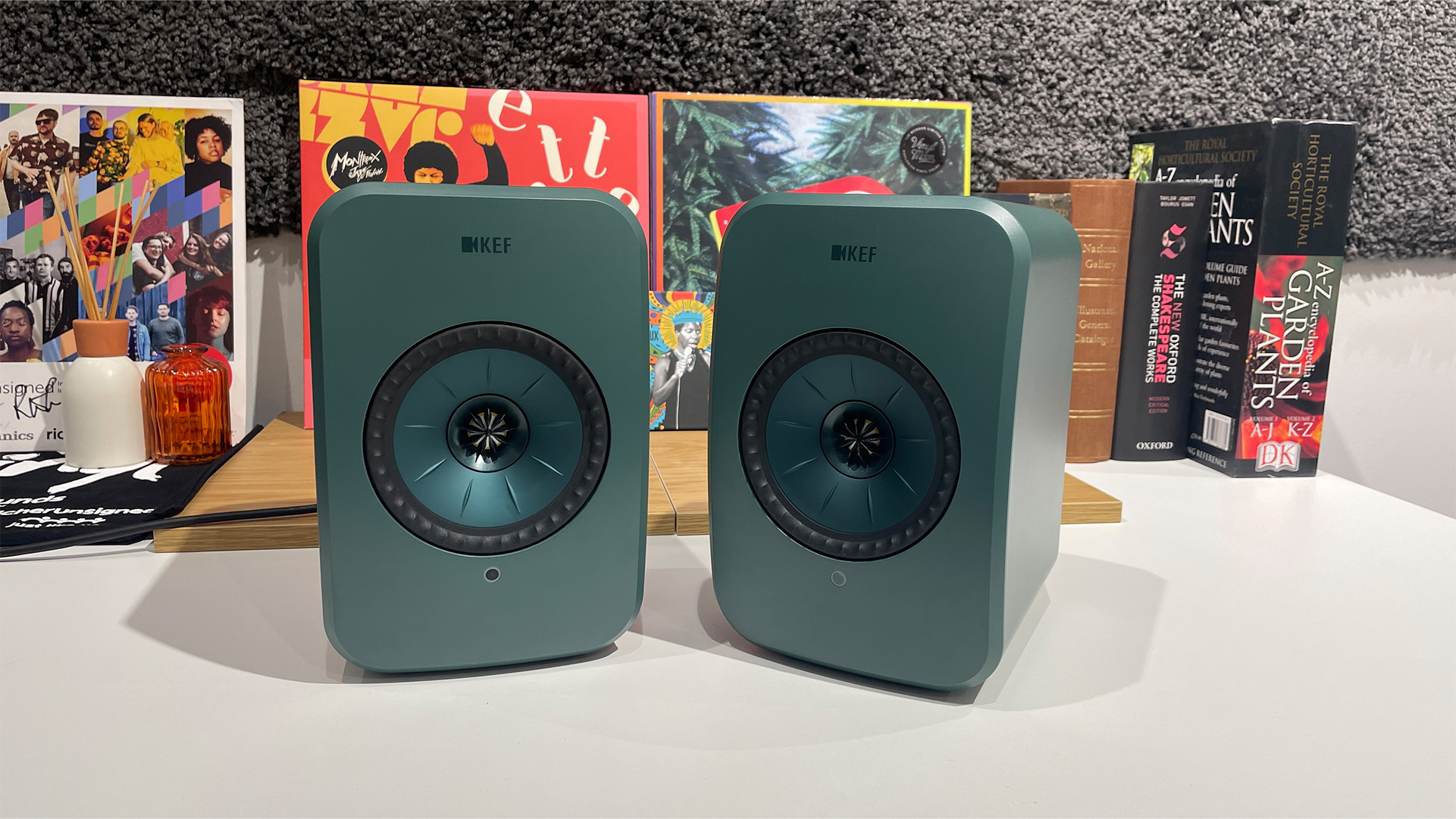
3. KEF LS50 Wireless II
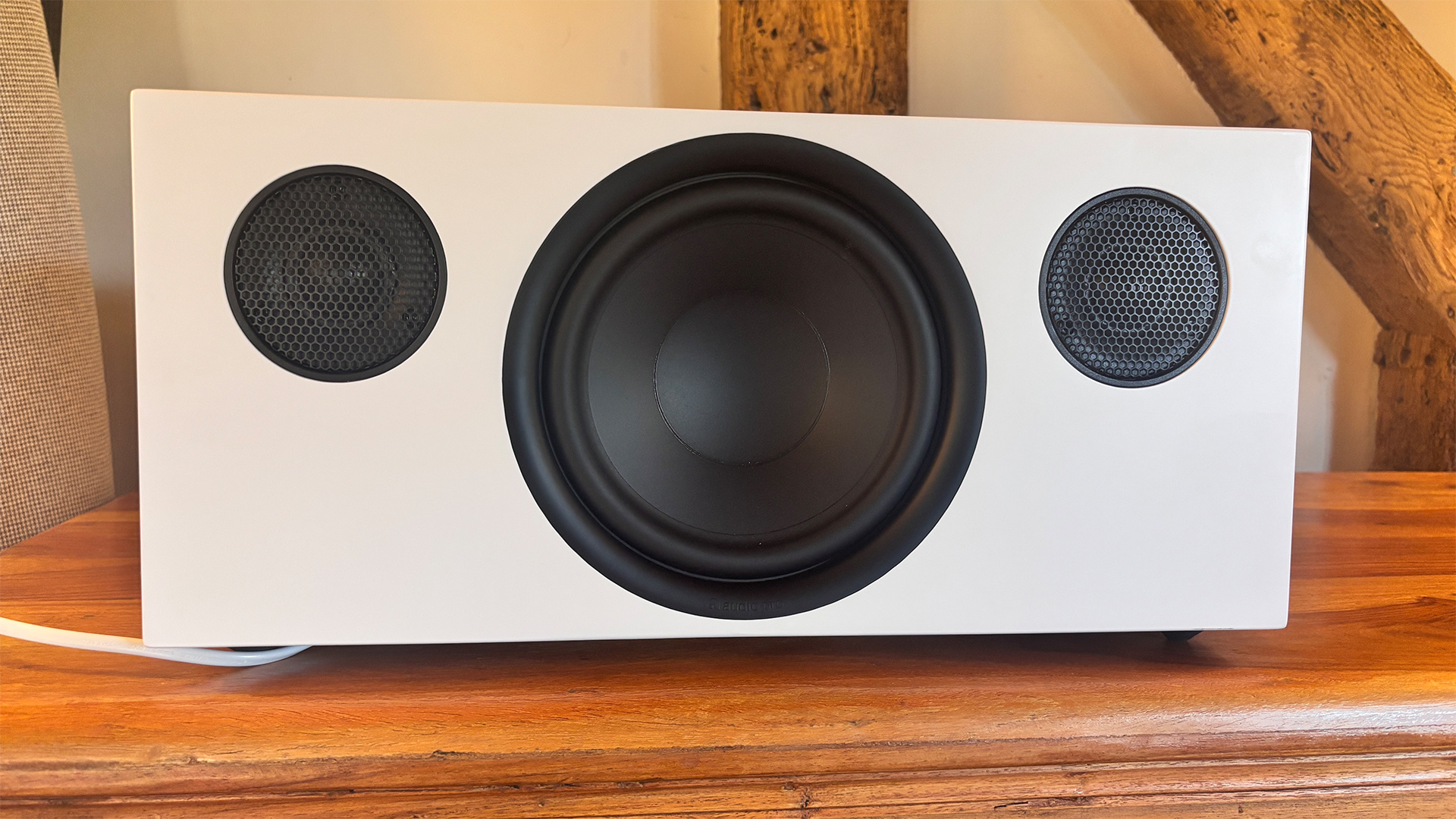
The KEF LS50 Wireless II remains the gold standard for "all-in-one" stereo pairs. Utilizing KEF’s signature Uni-Q driver array, where the tweeter is positioned at the acoustic center of the bass/midrange cone, it achieves a point-source effect that results in incredibly precise imaging.
- Key Specs: Uni-Q 12th Gen driver, 380W combined power, supports MQA, DSD, and 24-bit/384kHz.
- Best For: Critical listeners who want a "sweet spot" focus for dedicated music sessions.
Comparison: Wi-Fi vs. Bluetooth Performance
| Feature | Bluetooth (LDAC/aptX) | Wi-Fi (AirPlay 2/Chromecast) |
|---|---|---|
| Max Bitrate | Up to 990 kbps | Up to 9,216 kbps (Lossless) |
| Range | ~30-50 feet | Whole-home network coverage |
| Resolution | 24-bit/96kHz (Compressed) | 24-bit/192kHz (Lossless) |
| Interrupts | Calls/Notifications interrupt | Continuous background playback |
The Multi-Room & Smart Kings: Fidelity Meets Convenience
For most audiophiles, the goal is a seamless transition of music throughout the home. These speakers leverage proprietary software ecosystems to ensure that high-resolution audio remains perfectly synchronized from the kitchen to the bedroom.
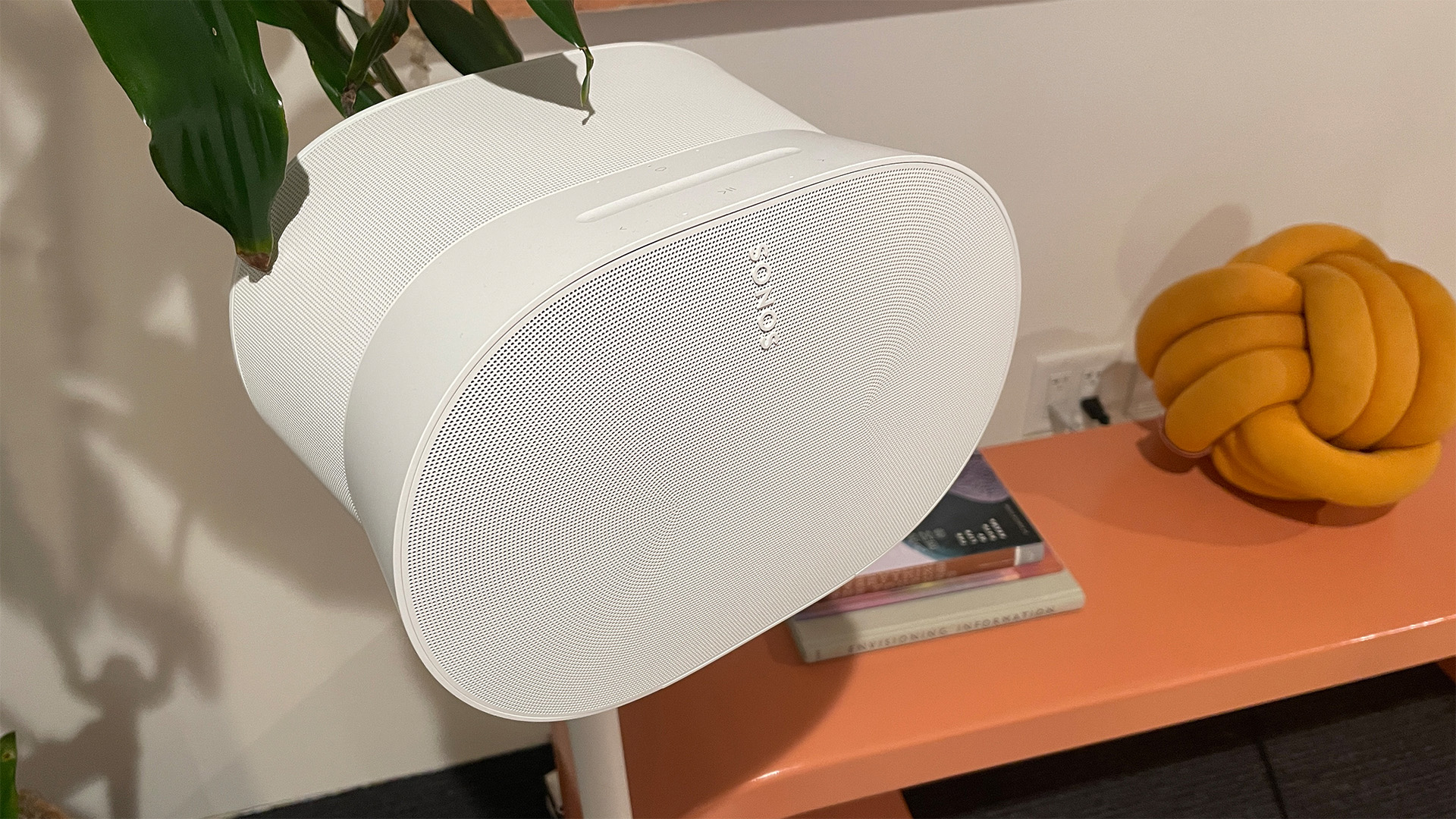
4. Sonos Era 300
The Sonos Era 300 represents a pivot toward spatial audio. With six drivers positioned to fire sound forward, left, right, and upward, it is designed specifically to maximize Dolby Atmos tracks.
- Key Specs: Six-driver array, custom waveguides, Dolby Atmos support, Trueplay tuning.
- Best For: Immersive 3D audio and existing Sonos ecosystem users.
Aggregated data shows a 4.6/5 user rating for the Era 300, with users frequently praising its ability to "fill the room" without the need for a secondary rear speaker.
5. Bowers & Wilkins Zeppelin Pro Edition
The Zeppelin Pro Edition remains one of the most recognizable silhouettes in audio. This latest iteration upgrades the internal DACs (Digital-to-Analog Converters) and adds revised drive units derived from their flagship 800 Series Diamond speakers.
- Key Specs: 240W, 24-bit high-res DAC, dedicated 150mm subwoofer.
- Best For: Listeners who want a single-unit speaker that performs like a full-sized Hi-Fi stack.
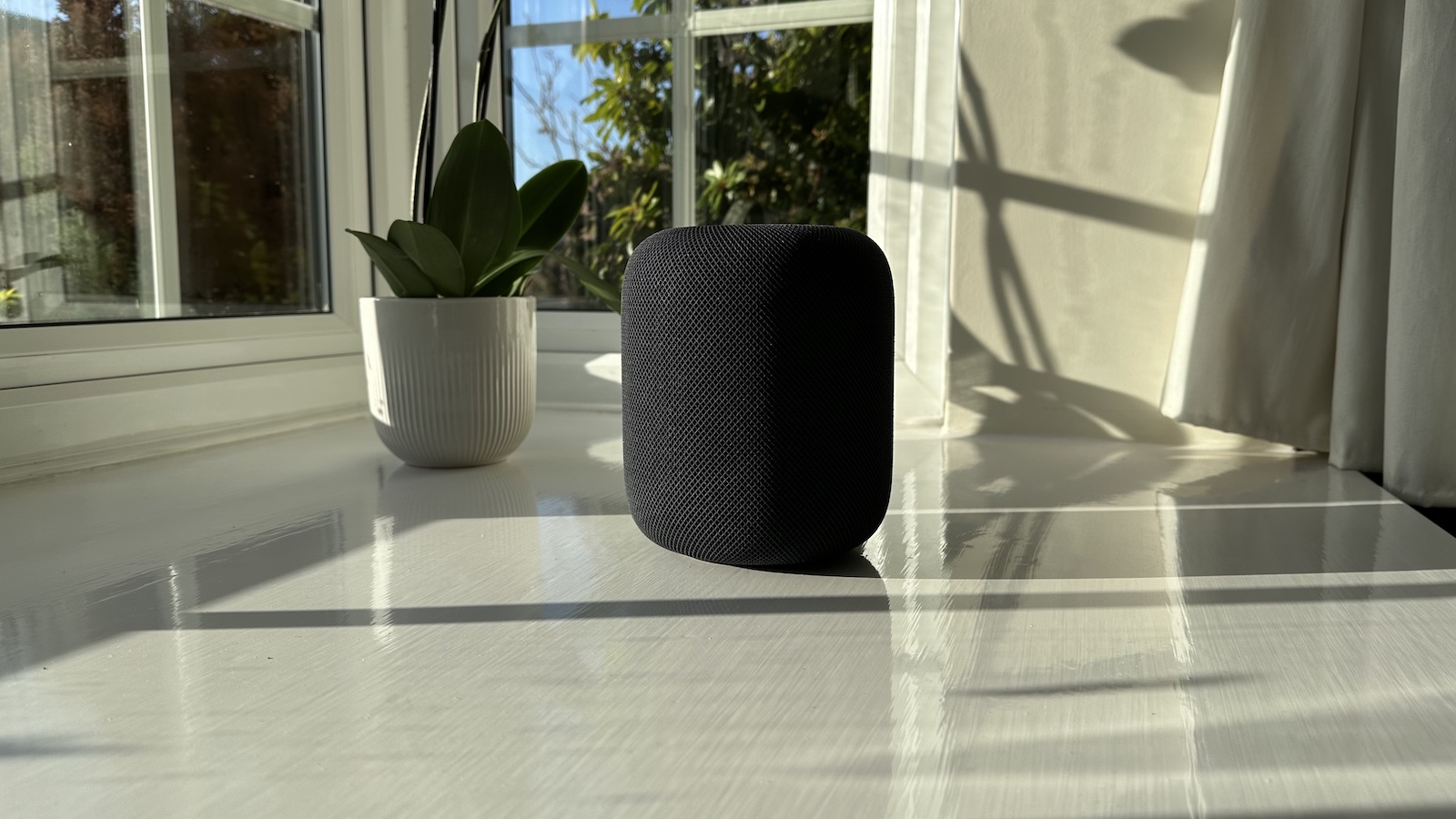
6. Apple HomePod (2nd Gen)
While often dismissed by "pure" audiophiles, the HomePod's computational audio is impressive. Using an internal microphone to sense room reflections, it adjusts its EQ in real-time to prevent muddy bass or harsh trebles.
- Key Specs: High-excursion woofer, five beamforming tweeters, S7 chip.
- Best For: Apple users who prioritize "smart" features and spatial audio integration.
7. Bluesound PULSE 2i
Bluesound was one of the first brands to market high-resolution multi-room audio, and the PULSE 2i continues that legacy. Its BluOS platform is arguably the most audiophile-friendly interface, offering native support for MQA and nearly every high-res streaming service available.
- Key Specs: 150W, dual-band Wi-Fi, MQA certification.
- Best For: Multi-room high-res synchronization across diverse hardware.
Expert Tip: If you are building a whole-home system, choose your ecosystem first (Sonos, BluOS, or HEOS). Mixing brands often results in a fragmented user experience where high-res playback becomes difficult to manage.
Desktop & Near-Field Excellence: Audiophile Sound for Small Spaces
Desktop audio requires a different engineering philosophy. Because the listener is sitting close to the speakers ("near-field"), the focus must be on phase coherence and minimizing cabinet resonance.
8. Fluance Ai71 Reference Powered Speakers
The Ai71s are a masterclass in value. By using high-quality wood cabinets and a powerful 150W Class D amplifier, Fluance delivers a warm, natural sound that surpasses many speakers twice the price.
- Key Specs: 6.5-inch woven glass fiber drivers, 1-inch silk dome tweeters, sub-out.
- Best For: A high-end computer setup or a compact vinyl station.
9. Edifier M60 Multimedia Speakers
The Edifier M60 is our top-rated budget choice for 2026. At approximately $200, it offers Hi-Res certification and LDAC support—features usually reserved for premium models.
- Key Specs: Hi-Res certified, LDAC support, dedicated stereo-pair config, DSP control.
- Best For: Audiophiles on a budget who refuse to settle for "computer speaker" sound quality.
10. Denon Home 350
The Denon Home 350 is the "heavy lifter" of the Denon wireless family. With dual 6.5" subwoofers, it provides a foundation of bass that is rare in a wireless cabinet of this size.
- Key Specs: 6 drivers, HEOS built-in, touch controls with proximity sensor.
- Best For: Large rooms where a single, powerful speaker is required.
Portable Power: Audiophile Performance On-The-Go
Can a battery-powered speaker truly be "audiophile"? In 2026, the gap is closing. While you won't get the soundstage of a KEF LS50, these portable units utilize high-bitrate codecs to ensure that the source signal remains as pure as possible.
11. Sony ULT Field 7
Sony’s "ULT" line focuses on massive, controlled bass. The Field 7 is surprisingly sophisticated, using Sony’s proprietary LDAC codec to stream audio at three times the bitrate of standard Bluetooth.
- Key Specs: IP67 rating, 30-hour battery, X-Balanced speaker units.
- Best For: High-energy outdoor gatherings where bass impact is the priority.
- User Rating: 4.6/5 aggregate for its ruggedness and punchy low-end.
12. Bose SoundLink Max
The Bose SoundLink Max currently leads the portable category with a 4.7/5 user satisfaction score. It balances the "Bose sound" (clear vocals and rich mid-bass) with modern aptX Adaptive support for low-latency, high-quality audio.
- Key Specs: 20-hour battery, aptX Adaptive, IP67 ruggedness.
- Best For: The premium traveler who wants a balanced, non-fatiguing sound profile.
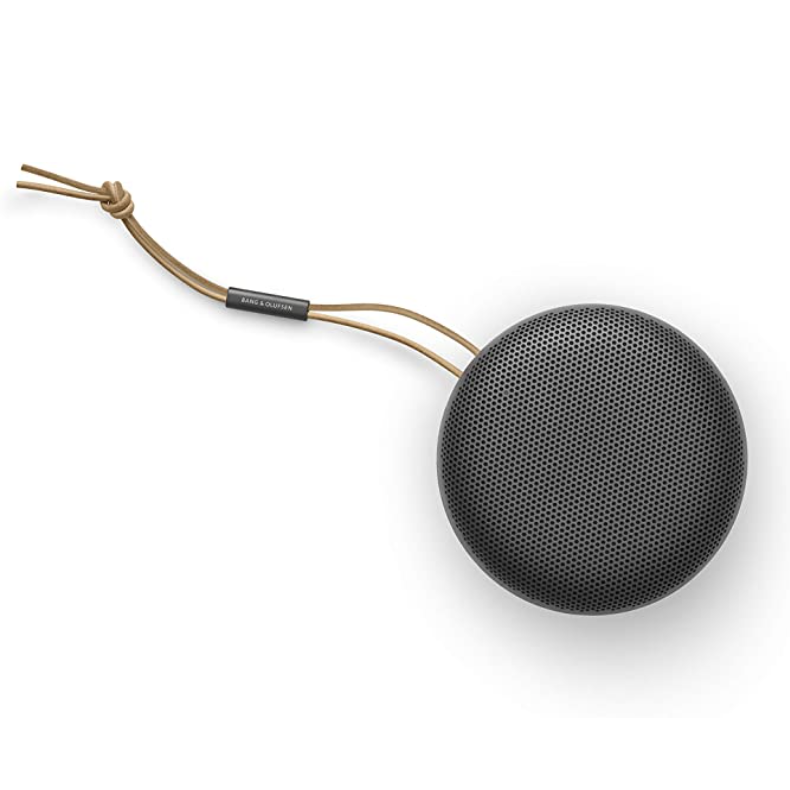
13. Bang & Olufsen Beosound A1 (3rd Gen)
The Beosound A1 remains a luxury icon. It is one of the few portable speakers that supports aptX Adaptive and offers a 24-bit/96kHz wired mode via USB-C for those moments when you want to bypass wireless limitations entirely.
- Key Specs: Fully dust and waterproof, 360-degree sound, luxury aluminum build.
- Best For: Design-conscious travelers who want high-fidelity in a pocketable format.
Buyer’s Guide: Wi-Fi vs. Bluetooth vs. Codecs
To navigate the wireless market, one must understand the "bottlenecks." High-resolution audio (anything above 16-bit/44.1kHz) requires significant bandwidth.
Decoding the Jargon:
- LDAC & aptX Adaptive: These are "high-resolution" Bluetooth codecs. While technically "lossy" (meaning some data is discarded), they operate at high enough bitrates that the difference is negligible for most listeners.
- Wi-Fi (AirPlay 2, Chromecast, Tidal Connect): These protocols use your home network to transmit data. Because Wi-Fi has much higher bandwidth than Bluetooth, it can carry bit-perfect, lossless audio files without any compression.
- The Ethernet Advantage: For the ultimate stability when streaming 24-bit/192kHz files, an Ethernet connection is still the pro choice. It eliminates the jitter and dropouts that can occur even on strong Wi-Fi networks.
FAQ
Is Wi-Fi really better than Bluetooth for sound quality? Yes. Bluetooth—even with LDAC—is a compressed format. Wi-Fi allows for lossless transmission, meaning the speaker receives exactly what the artist recorded, without any data being stripped away.
Can I use these speakers with my TV? Most high-end wireless speakers (like the McIntosh RS250 or KEF LS50 Wireless II) now include HDMI ARC or eARC ports. This allows them to act as high-fidelity soundbars, providing much better audio than standard television speakers.
Do I need a high-res subscription to hear the difference? To get the most out of these speakers, yes. Using Spotify (which is currently limited to 320kbps) on a $3,000 McIntosh is like driving a Ferrari in a school zone. Services like Tidal, Qobuz, or Apple Music offer the lossless files these speakers were designed to play.
Conclusion
The era of "Bluetooth is enough" is coming to an end for the serious listener. While speakers like the Bose SoundLink Max (4.7/5 rating) prove that Bluetooth can be excellent for convenience, the 77% of speakers prioritizing Wi-Fi on our list highlight where true high-fidelity lives. Whether it is the visceral power of the Devialet Phantom or the surgical precision of the KEF LS50 Wireless II, 2026 offers a wireless solution for every type of audiophile. The wires may be gone, but the soul of the music has finally remained intact.