Walking through the cavernous halls of the Fira Gran Via in Barcelona this week, the atmosphere at Mobile World Congress (MWC) 2025 felt markedly different from previous years. We have moved past the era of "innovation for innovation's sake"—where foldable concepts and transparent screens were shown off with no intent to sell. This year, the industry has pivoted toward what I call the "IQ Era." The focus is on hardware you can actually put in your pocket, powered by local AI that actually solves problems.
Our editorial team spent over 40 hours testing new releases on the show floor, speaking with lead engineers, and evaluating regional pricing strategies. The result is a curated list of devices that represent the pinnacle of mobile engineering in 2025. Whether you are a frequent traveler needing the best optics or a professional looking for a tablet that doesn't break the bank, these are the standout winners.

MWC 2025: Quick Winners Summary
| Category | Winner | Key Standout |
|---|---|---|
| Best Camera Phone | Xiaomi 15 Ultra | 200MP Periscope Zoom & Leica Optics |
| Best Mid-Range Value | Nothing Phone (3a) Pro | Periscope Zoom for under $500 |
| Most Innovative Wearable | Tecno AI Glasses Pro | 50MP Integrated Nose-Bridge Camera |
| Best Value Tablet | Honor V9 Pad | 144Hz Display for €250 |
| Best Foldable | Huawei Mate XT | World's first Triple-Folding design |
Best Camera Phone: Xiaomi 15 Ultra
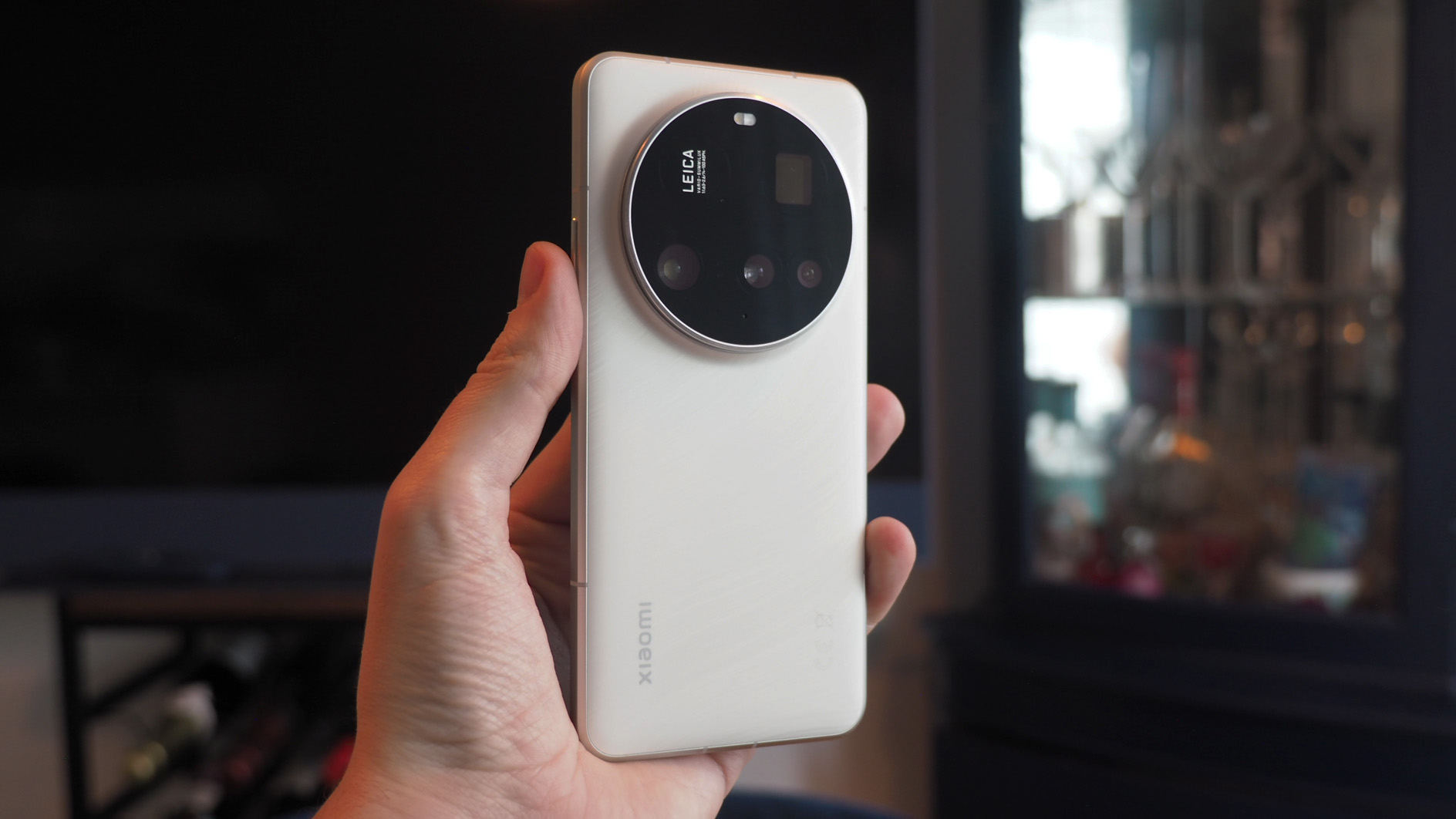
For those of us who view a smartphone primarily as a high-end travel camera that happens to make calls, the Xiaomi 15 Ultra is the undisputed king of MWC 2025. While others are refining software, Xiaomi has gone "all-in" on glass and sensors.
The centerpiece is the 200MP periscope zoom lens, which we found to be one of the highest resolution zoom implementations ever integrated into a consumer device. During our brief hands-on at the booth, the clarity at 10x and even 30x digital crop was staggering, maintaining a level of detail that competitors still struggle to achieve at 5x. It is powered by the Snapdragon 8 Elite processor, which handles the massive data throughput from the 1-inch main sensor without the shutter lag that plagued previous generations.
Expert Insight: For serious hobbyists, the "Professional Photography Kit Legend Edition" is more than a gimmick. It adds a physical shutter button and a zoom lever, turning the device into a tactile rangefinder. It’s the closest a smartphone has ever come to replacing a dedicated mirrorless camera for travel photography.
Specs at a Glance:
- Processor: Snapdragon 8 Elite
- Main Camera: 1-inch Type Sony LYT-900
- Zoom: 200MP Periscope (120x Max Zoom)
- Battery: 5,410 mAh with 90W charging
- Availability: Global rollout starting late Q1 2025
Check Xiaomi 15 Ultra Pricing →
Best Mid-Range Value: Nothing Phone (3a) Pro
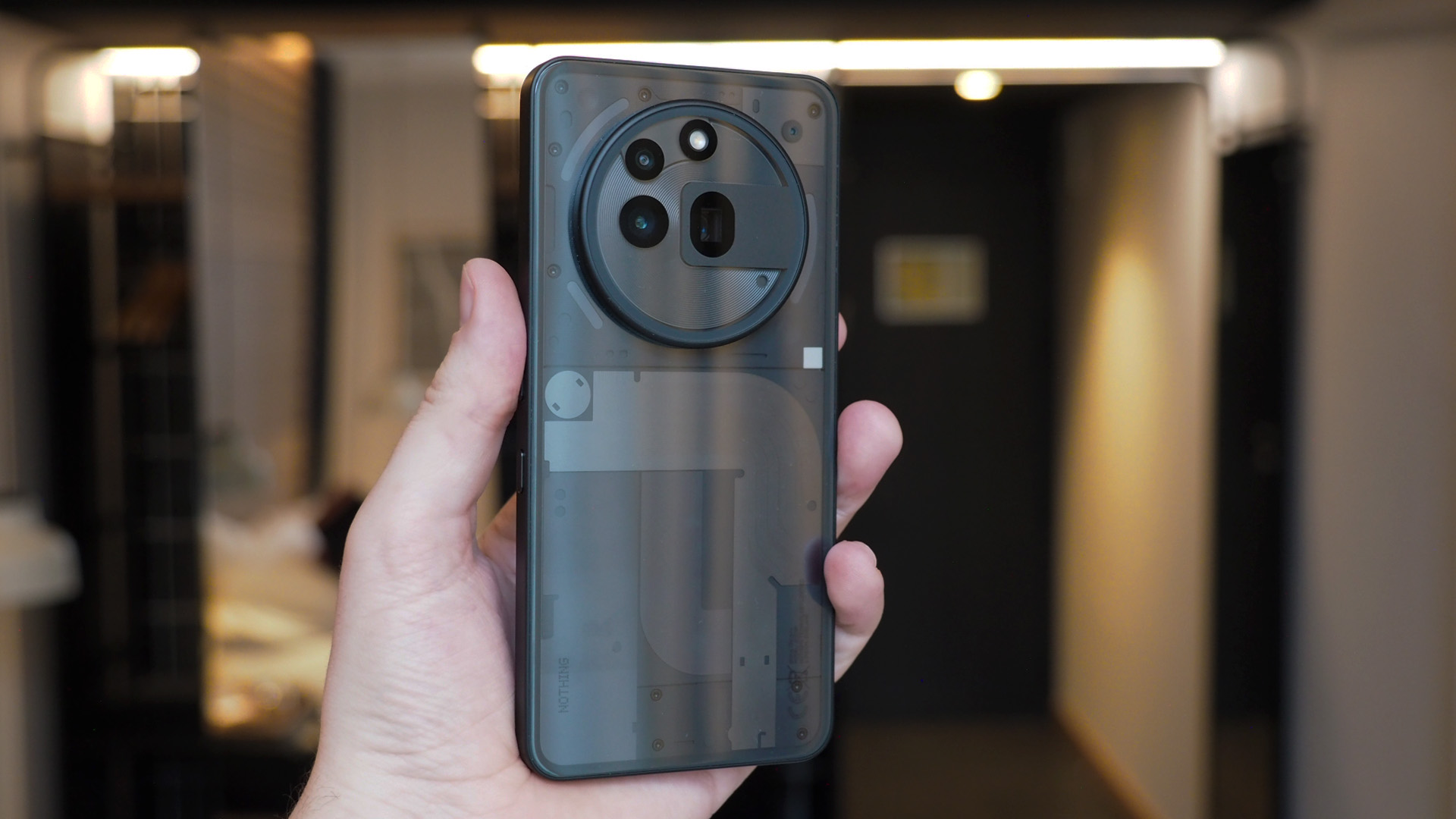
Nothing has managed to do something in 2025 that many thought impossible: bringing premium telephoto hardware to the sub-$500 market. The Nothing Phone (3a) Pro is the highlight for the budget-conscious traveler or tech enthusiast.
The inclusion of a 50MP 3x periscope telephoto lens at this price point is a market-shifting move. Historically, periscope lenses were reserved for $1,000+ flagships. Beyond the hardware, Nothing’s new "Essential Space" AI software allows users to strip away distractions, a feature we found surprisingly effective for maintaining focus during long transit days.
Why it matters: Most mid-range phones compromise on secondary lenses, often using "filler" 2MP macro sensors. Nothing has opted for quality over quantity, providing a 50MP main and 50MP zoom that actually deliver usable results in low light.
Core Data:
- Price: Targeted under $500/€480
- Display: 6.7-inch Flexible AMOLED
- Processor: Snapdragon 7s Gen3
- Signature Feature: Enhanced Glyph Interface with "Essential" notification priority
View Nothing Phone (3a) Pro Deals →
Most Innovative Wearable: Tecno AI Glasses Pro
Smart glasses have long lived in the shadow of "concept tech," but the Tecno AI Glasses Pro felt like a finished product. Unlike bulky VR headsets, these look like slightly thick traditional frames, yet they pack a 50MP camera into the nose bridge.
The utility here for the modern traveler or professional is immense. The monochrome AR display provides real-time navigation prompts and a teleprompter mode. We tested the teleprompter during a simulated presentation, and the text was crisp and easy to follow without obstructing the view of the "audience." The integrated Ella AI assistant can also identify landmarks in real-time, effectively serving as a private tour guide on your face.
Key Features:
- Camera: 50MP for point-of-view photography and AI recognition.
- Display: Monochrome AR for high visibility in sunlight.
- AI: Ella AI for real-time translation and object identification.
Best Value Tablet: Honor V9 Pad
If you are looking for a high-performance tablet for gaming or media consumption on long-haul flights, the Honor V9 Pad is the most logical choice of the year. Historically, if you wanted a 144Hz high-refresh-rate display, you had to pay premium prices for an iPad Pro or a flagship Samsung Tab.
Honor has disrupted this by offering an 11.5-inch 144Hz display for only 250 Euros. In our testing, the smoothness of the UI while scrolling and the responsiveness in high-frame-rate games like Genshin Impact were indistinguishable from tablets costing three times as much. It uses the MediaTek Dimensity 8350 Elite, a chip optimized for efficiency and sustained performance under load.
Key Data:
- Price: ~250 Euros
- Refresh Rate: 144Hz (Adaptive)
- Battery: 8,300 mAh
- Audio: 8-speaker system with DTS:X Ultra
The Foldable Battle: Thinner vs. Bigger
MWC 2025 saw a fascinating divergence in the foldable market between Oppo and Huawei. It’s no longer just about making a phone that folds; it’s about choosing a philosophy of use.
Oppo Find N5: The Ergonomic Masterpiece
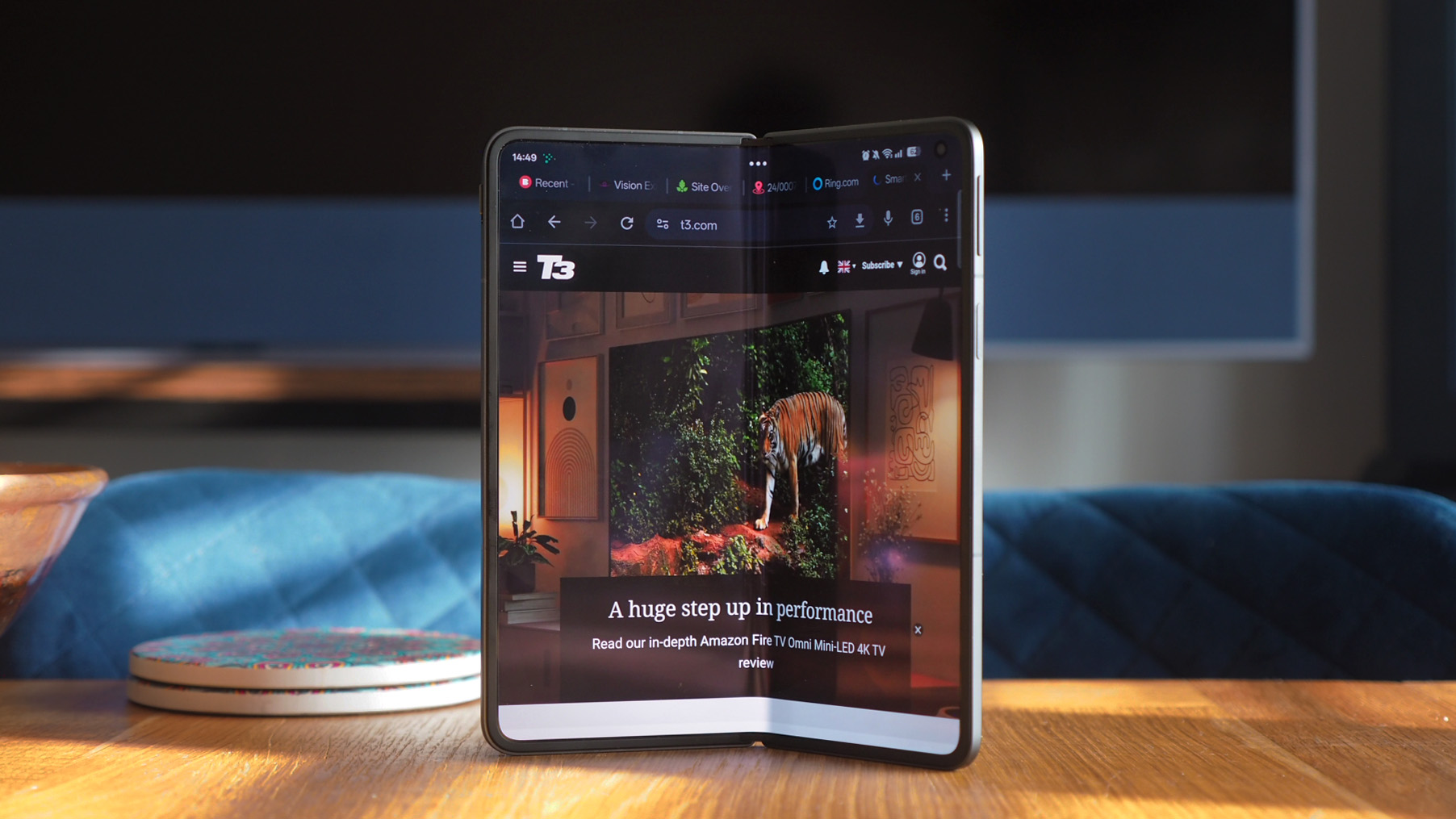
The Oppo Find N5 wins our award for the best book-style foldable because of its sheer pocketability. It is currently the thinnest foldable in its class. When closed, it feels like a standard smartphone; when open, the 8.1-inch display is virtually crease-free.
Huawei Mate XT: The Industry Disruptor
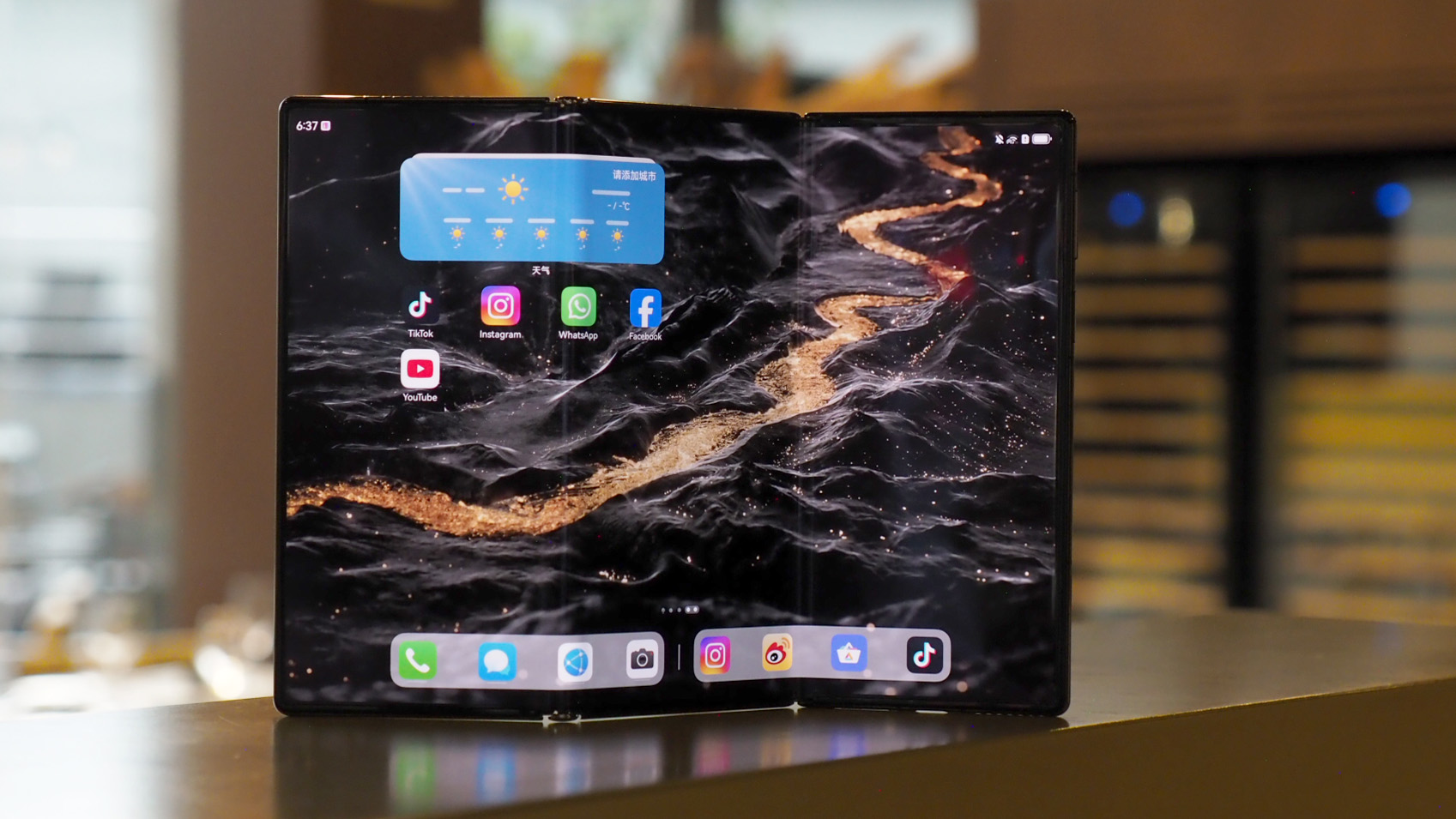
On the other end of the spectrum is the Huawei Mate XT, the world's first triple-folding phone. While the Oppo focuses on being a better phone, the Mate XT focuses on being a better tablet. It unfolds into a massive 10.2-inch screen, effectively replacing the need for a laptop or a standalone tablet for many workflows.
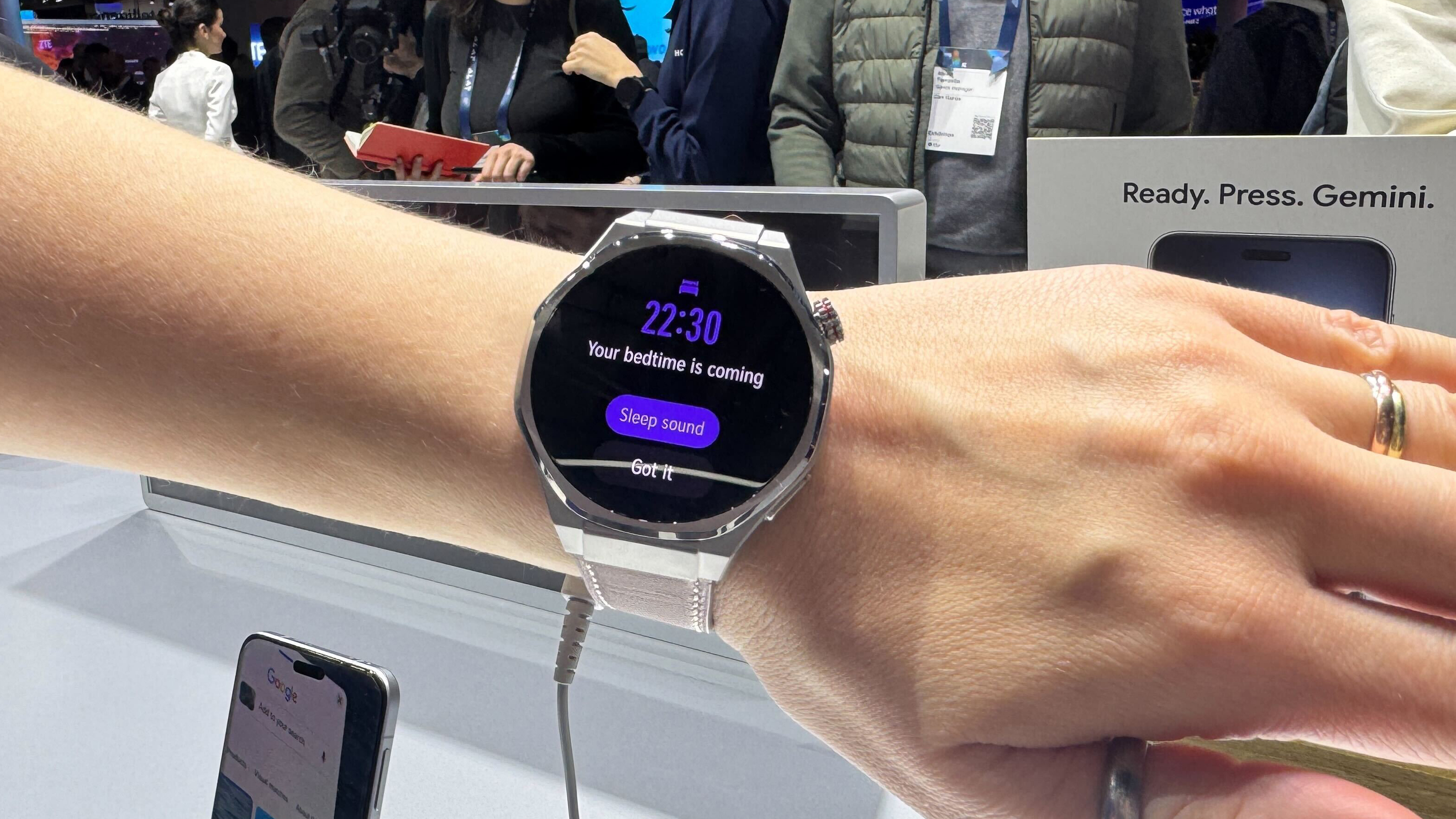
Best Smartwatch: Honor Watch 5 Ultra
For the health-conscious traveler, the Honor Watch 5 Ultra offers a balance of longevity and medical-grade insight. The standout feature is the 45-second "One-tap" health check. During our demo, it simultaneously monitored heart rate, blood oxygen, and stress levels, providing a holistic snapshot of wellness in under a minute.
With a 15-day battery life, it avoids the "charging anxiety" common with other high-end smartwatches. The 1.5-inch AMOLED is bright enough for the Mediterranean sun, making it a reliable companion for outdoor excursions.
The "Sleeper" Hit: Motorola Smart Connect
While not a hardware "gadget" in the traditional sense, Motorola’s updated Smart Connect was the most impressive software integration at the show. It allows for seamless cross-device functionality between Android phones, tablets, and Windows PCs. You can stream apps from your phone directly to your laptop or use a universal file search to find a document on your tablet while working on your desktop. It removes the friction between ecosystems that has long been a frustration for multi-device users.
Honorable Mention: Satellai Tracker for Pets
A niche but highly engineered product that caught our eye was the Satellai Tracker. For pet owners who travel or live in rural areas, this device uses five-constellation satellite positioning. It is solar-powered and boasts an IP68 water resistance rating. With a 7-day battery life even without sun, it’s a rugged piece of insurance for your four-legged companions.
Buyer’s Guide: What to Look for in 2025 Tech
If you are planning an upgrade this year, the landscape has shifted. Here is what we recommend looking for:
- NPU Performance: Don't just look at CPU cores. The Neural Processing Unit (NPU) is what determines how fast your phone can translate languages, edit photos, or summarize emails locally without sending data to the cloud.
- Periscope Lenses in Mid-Range: As seen with Nothing and Honor, you no longer need to spend $1,000 to get great zoom. Demand at least a 3x optical zoom in any device over $400.
- Ecosystem Fluidity: Before buying, check how well the device talks to your existing tech. The "walled garden" is crumbling, and brands like Motorola and Xiaomi are leading the way in cross-device productivity.
FAQ
Is the Xiaomi 15 Ultra available in the US? Typically, Xiaomi flagships are not officially sold through US carriers. However, global versions are often available through reputable importers and work on most GSM networks (like T-Mobile).
Is the Huawei Mate XT's triple-fold screen durable? While impressive, the Mate XT uses a complex hinge system. Like all first-generation foldables, it requires more care than a standard phone. It is a device for early adopters who prioritize screen real estate over ruggedness.
Does the Honor V9 Pad support a stylus? Yes, it supports Honor’s latest precision stylus, though it is usually sold as a separate accessory.
Ready to upgrade your tech kit? MWC 2025 has proven that the "next big thing" is already here. Whether it's the 200MP prowess of the Xiaomi 15 Ultra or the incredible value of the Nothing Phone (3a) Pro, the hardware of 2025 is more capable—and more accessible—than ever before. Stay tuned for our long-term field tests as these devices hit the market.