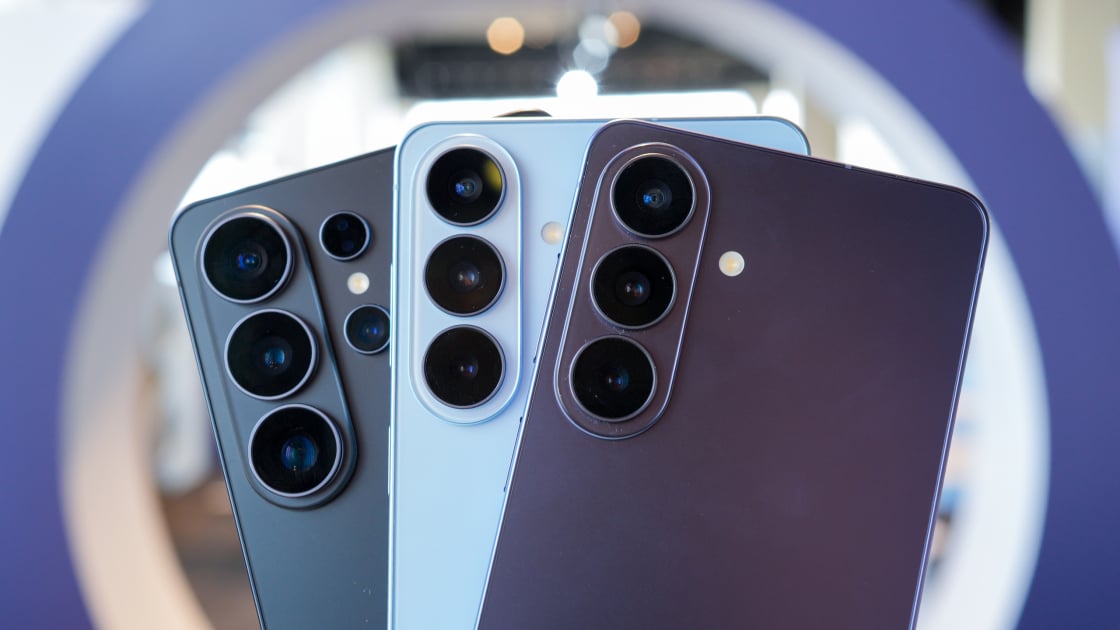
In an era where smartphone innovation often feels like a series of microscopic iterations—a slightly faster processor here, a marginally brighter screen there—the arrival of Nothing Technology felt like a deliberate jolt to the system. Founded by Carl Pei, the co-founder of OnePlus, Nothing is a London-based consumer tech firm backed by heavyweights like Google Ventures, iPod inventor Tony Fadell, and Reddit CEO Steve Huffman. Pei’s mission was clear: to make tech "fun again" and move away from what he described as a "passionless" industry. But several years and several handsets later, the question remains: Are these transparent, glowing gadgets actually superior tools for the modern traveler and professional, or are we simply looking at a masterclass in hype?
The Design Language: More Than Just a Clear Case
The immediate draw of any Nothing product is its visual transparency. While traditional manufacturers hide their internals behind opaque glass or brushed titanium, Nothing celebrates the "soul" of the machine. The design language, heavily influenced by the Swedish electronic house Teenage Engineering, isn't just about showing off wires; it’s about a meticulously planned internal architecture. The Phone (2), for instance, features a gently curved glass back that feels significantly more premium than its predecessor, housing a recycled aluminum frame that provides a reassuring heft without the bulk of a Pro Max-sized device.
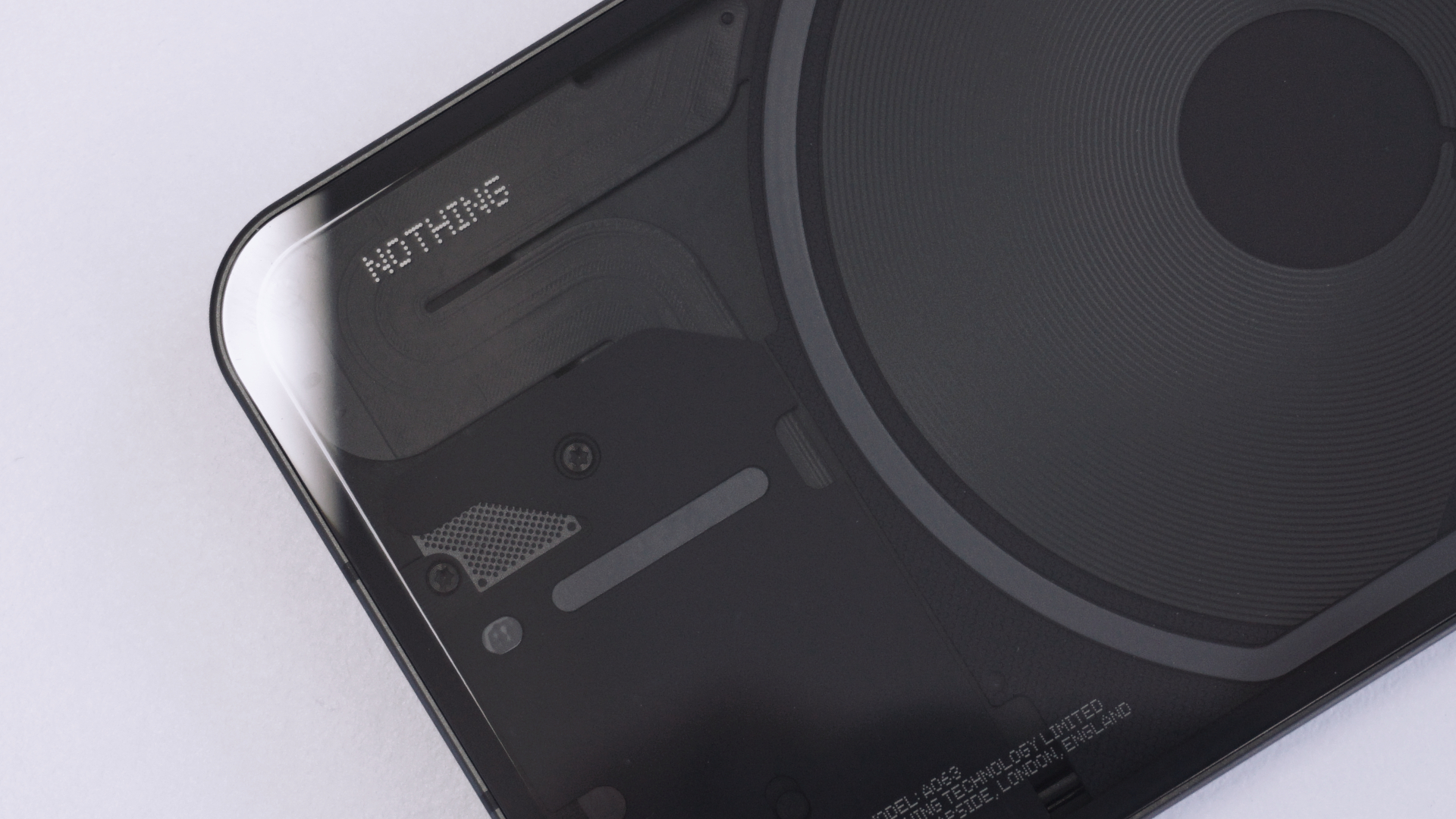
Beyond the "cool factor," the build quality holds up to scrutiny. By using Gorilla Glass 5 on both sides and an IP54 rating, Nothing has managed to create a device that survives the rigors of travel—be it the humidity of a Bangkok market or the dust of a desert trail. It’s an aesthetic that invites conversation, a rare feat in a world of black rectangles. However, the transparency does mean that even a single speck of dust under the glass (rare, but possible) would be an eyesore, though Nothing’s manufacturing standards have largely mitigated this concern.
The Glyph Interface: Utility vs. Gimmick
The centerpiece of the Nothing experience is the Glyph Interface—a signature LED light grid on the back of the phone. In the Nothing Phone (2), this has evolved into a system of 33 distinct LED zones, up from the original 12. Critics often dismiss this as a "party trick," but from an objective user-experience standpoint, the Glyph serves a very specific purpose: it allows you to stay informed without being glued to your screen.
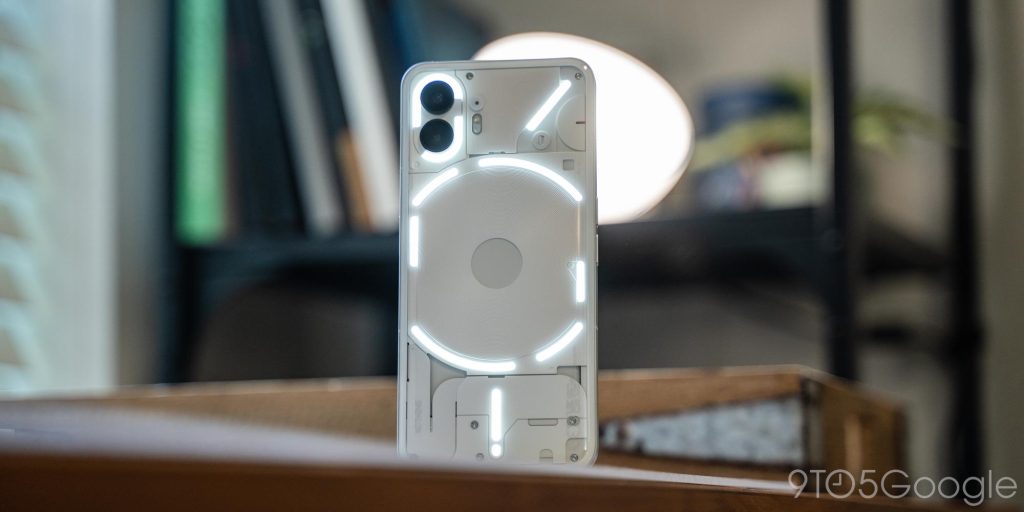
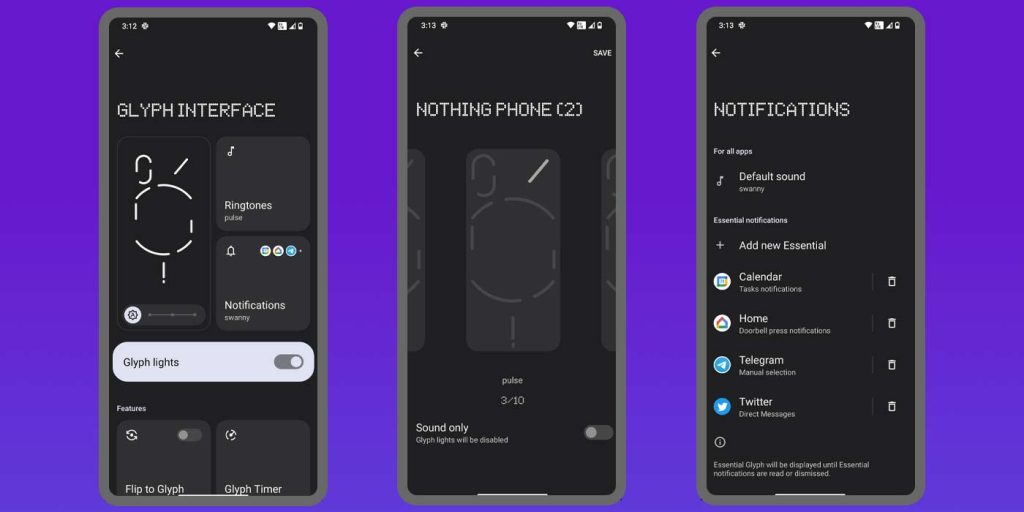
The Glyph Interface is designed to provide visual notifications, act as a countdown timer, and even function as a progress bar for services like Uber or Zomato. In my testing, the utility of the "Essential Notifications" feature—where a specific LED stays lit until you acknowledge a high-priority alert—is a game-changer for those trying to reduce screen time. The 13 functional scenarios currently supported by the Glyph Interface include:
- Glyph Timer: A visual countdown strip for everything from productivity sprints to boiling eggs.
- Volume Indicator: The light bar rises and falls as you adjust the audio.
- Essential Notifications: A persistent light for your most important contacts or apps.
- Battery Meter: A subtle visual cue that shows the charging progress when the phone is plugged in.
- Camera Fill Light: A soft, wide light source that is far superior to a harsh LED flash for macro photography or video.
- Reverse Wireless Charging: A visual confirmation that your earbuds are receiving power.
- Google Assistant Visualization: The lights pulse in sync with the AI's responses.
Nothing OS: The Near-Stock Android Experience
While the hardware turns heads, the software keeps them. Nothing OS is a breath of fresh air in a market cluttered with "bloatware" and heavy skins. Delivering a 95% near-stock Android experience, Nothing focuses on resource optimization rather than unnecessary additions. The interface is characterized by its unique dot-matrix typography and a monochrome aesthetic that feels sophisticated rather than distracting.
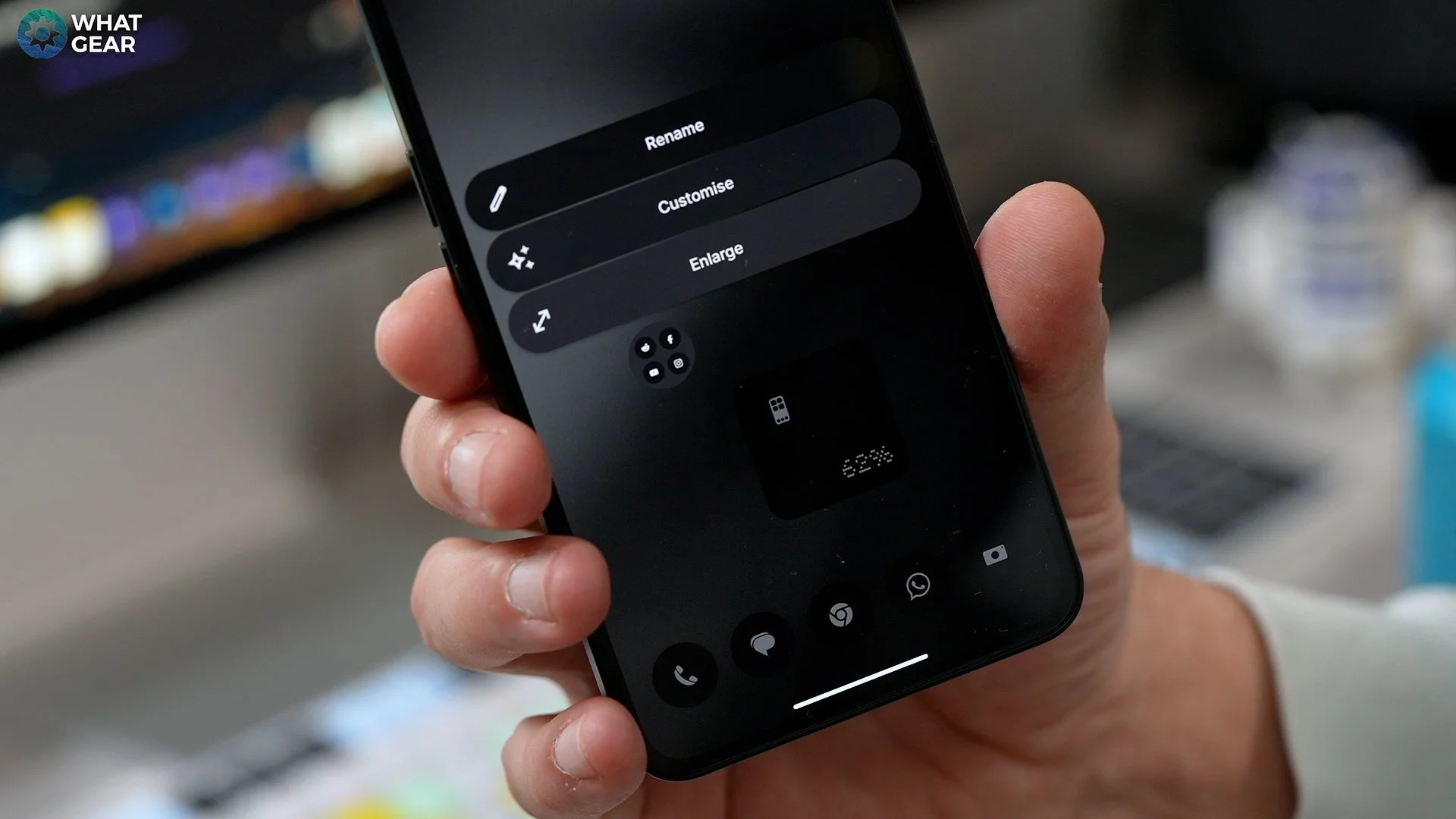
The speed is palpable. By stripping away the unnecessary background processes common in Samsung or Xiaomi devices, the Phone (2) feels faster than its Snapdragon 8+ Gen 1 chip might suggest on paper. The software is stable, the animations are fluid, and the custom widgets—like the analog clock and weather icons—are actually useful rather than mere placeholders. For the traveler who needs a reliable device that won't lag when opening a translate app or a digital boarding pass, this optimization is more valuable than a flashy feature set.
Real-World Performance: The Highs and Lows
In the competitive landscape of mid-to-high-range smartphones, the Nothing Phone series sits in a curious spot. It doesn't quite have the raw camera power of a Pixel 8 Pro or the ecosystem lock-in of an iPhone, but it offers a balanced scorecard that is hard to ignore for the price.
| Feature | Nothing Phone (1) | Nothing Phone (2) | Nothing Phone (2a) |
|---|---|---|---|
| Processor | Snapdragon 778G+ | Snapdragon 8+ Gen 1 | Dimensity 7200 Pro |
| Display | 6.55" OLED (120Hz) | 6.7" LTPO OLED (120Hz) | 6.7" AMOLED (120Hz) |
| Main Camera | 50MP Sony IMX766 | 50MP Sony IMX890 | 50MP GN9 |
| Battery | 4,500 mAh | 4,700 mAh | 5,000 mAh |
| Charging | 33W Wired | 45W Wired | 45W Wired |
| Glyph Zones | 12 | 33 | 26 |
The Camera Performance The dual 50MP setup on the Phone (2) is a case study in "quality over quantity." By avoiding the inclusion of useless 2MP macro sensors, Nothing focuses on the Sony IMX890 main sensor. The results are impressive in daylight, with natural color science and excellent dynamic range. The OIS (Optical Image Stabilization) performs admirably during 4K video recording, making it a viable tool for vloggers. However, the ultrawide sensor, while competent, still struggles slightly in low-light conditions compared to the primary lens.
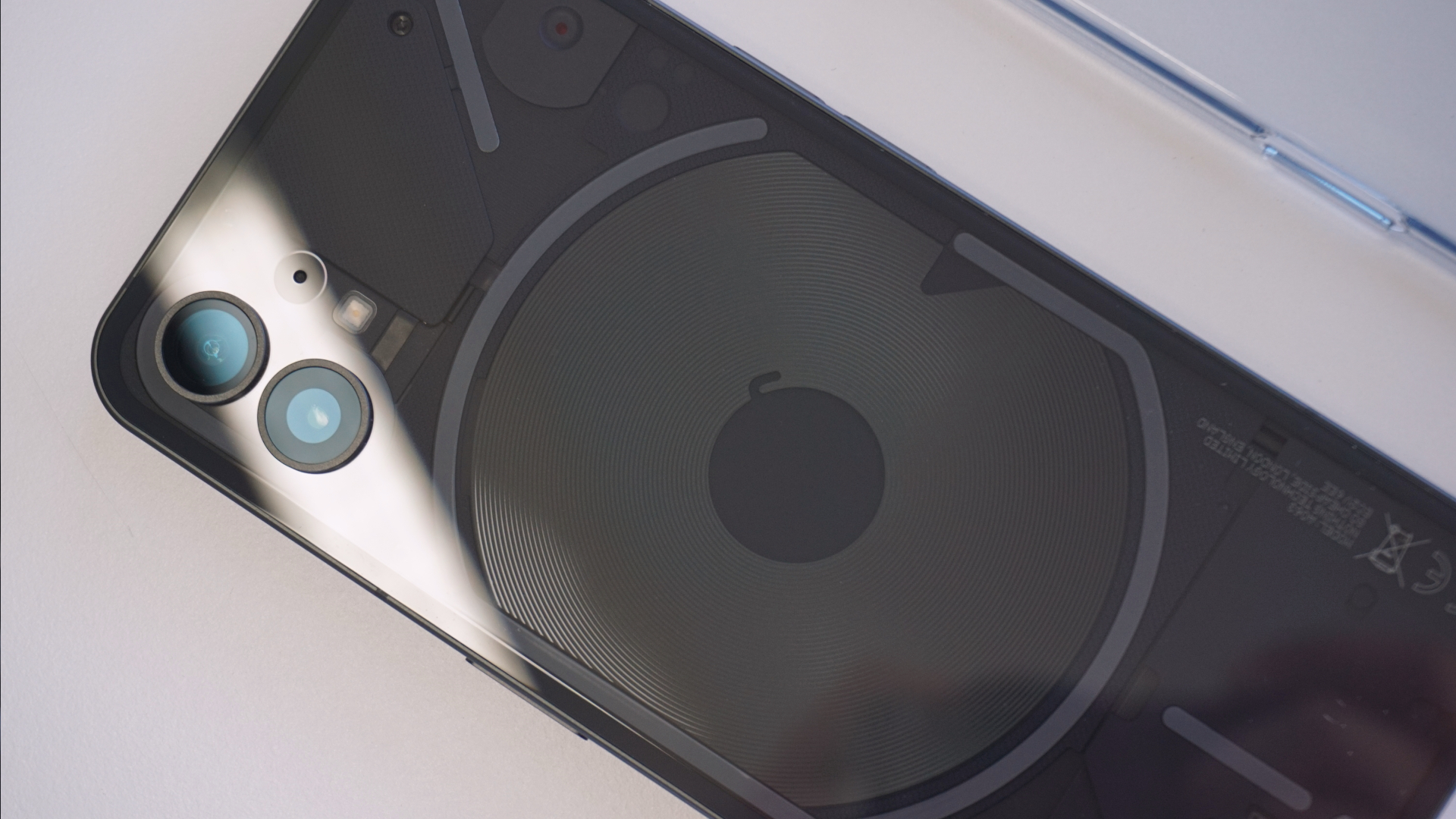
Battery and Charging With a 4,700 mAh battery in the Phone (2), I consistently achieved a full day of heavy use, typically ending with 20% remaining after navigation and photography-heavy travel days. The 45W fast charging is a welcome upgrade, though Nothing’s decision not to include a brick in the box remains a point of contention for some, even if it is the industry standard for environmental reasons.
Advanced Features: Tips for Nothing OS 2.5 and Beyond
With the latest updates to Nothing OS, the company has integrated AI features that move beyond mere novelty. The AI Wallpaper Studio allows users to generate high-resolution, brand-consistent backgrounds using simple descriptive prompts, ensuring your phone's interior matches its exterior.
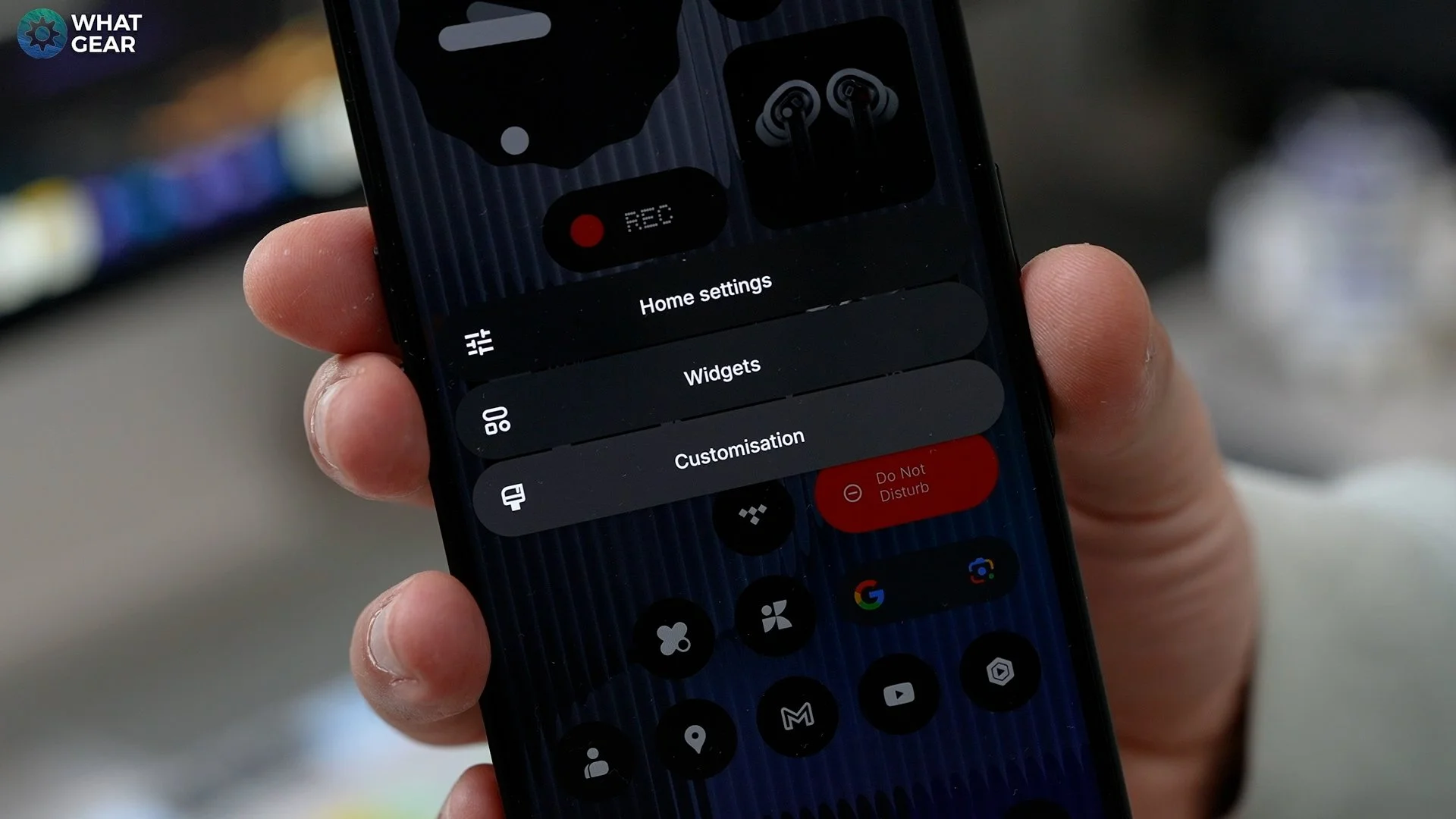
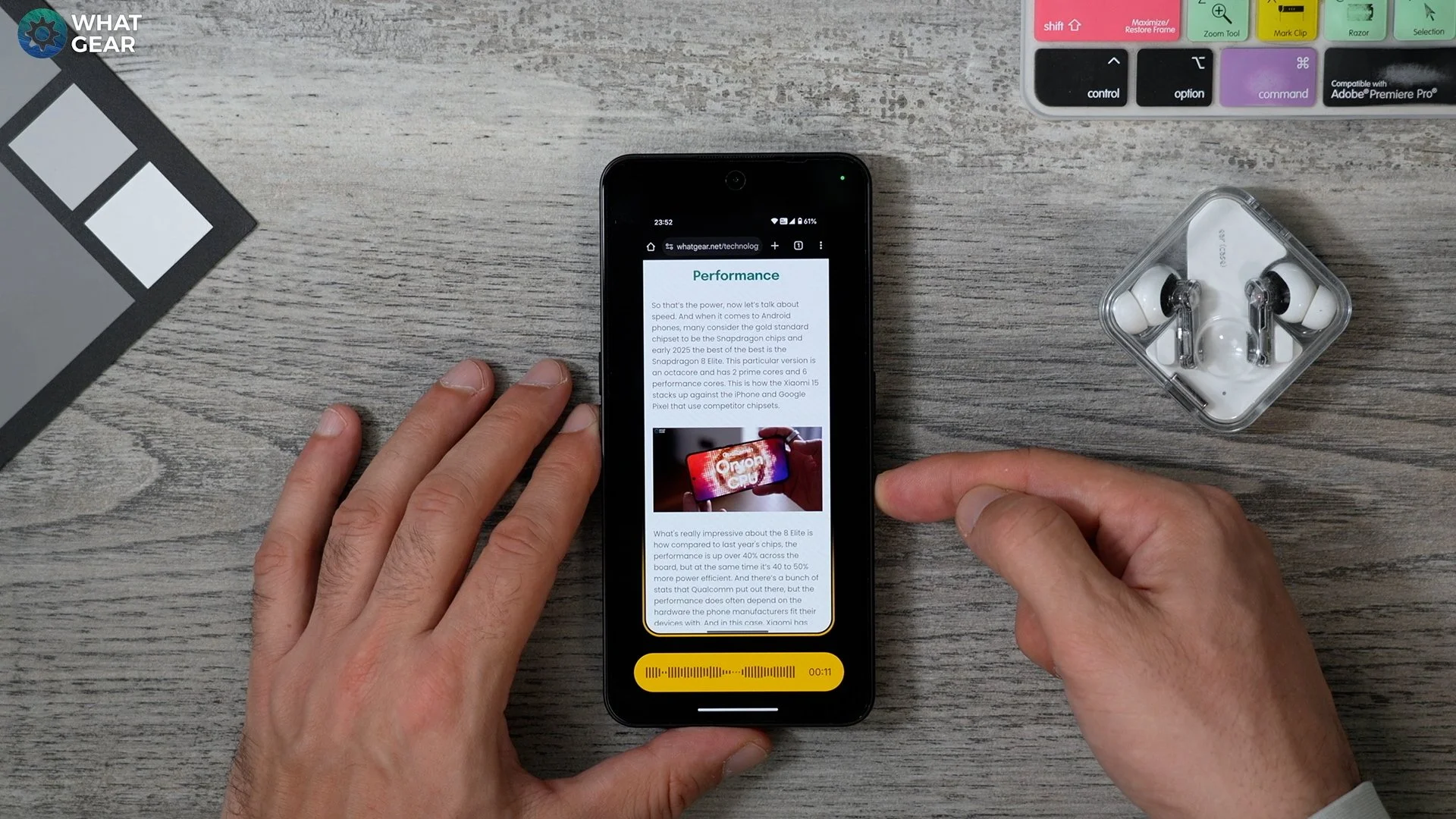
Additionally, the introduction of the "Atmosphere" effect—which adds a dynamic, shimmering layer to your lock screen photos—is a subtle but delightful touch. For power users, the "Essential Key" functionality allows the power button or specific Glyph triggers to be mapped to productivity shortcuts, such as instant voice recording or ChatGPT access. This evolution proves that Nothing is listening to its community, shifting the focus from "lights" to "logic."
Final Verdict: Innovation or Just Good Marketing?
After extensive testing, it is clear that Nothing is more than just Carl Pei’s latest marketing venture. While the Glyph Interface is the headline-grabber, the true success of Nothing products lies in their restraint. They offer a clean, bloatware-free Android experience, top-tier industrial design, and a price-to-performance ratio that makes the "big players" look complacent.
The Nothing Phone (2) and the more budget-friendly (2a) are not just "good for a startup"; they are objectively excellent smartphones. They are for the user who is tired of the status quo—the person who wants a device that functions as a sophisticated tool but also possesses a sense of personality.
Critic's Tip: If you are a traveler who relies on "Do Not Disturb" mode but fears missing emergency calls from family or hotels, the Glyph "Essential Notification" is worth the price of admission alone. It provides the silence you need without the anxiety of being disconnected.
Explore the Nothing Collection →
FAQ
Are Nothing phones waterproof? Nothing phones typically carry an IP54 rating. This means they are protected against dust and water splashes (like rain), but they should not be submerged in water.
Can I turn off the Glyph lights? Absolutely. The Glyph Interface is fully customizable. You can adjust the brightness, schedule it to turn off at night, or disable it entirely if you prefer a stealthier look.
Does Nothing OS get regular updates? Yes. Nothing has committed to 3 years of Android updates and 4 years of security patches every two months, which is competitive for this price segment.
Which Nothing Phone is best for photography? The Nothing Phone (2) is currently the flagship choice, offering the best sensor (Sony IMX890) and the most advanced image processing (Advanced HDR) in their lineup.