For decades, the motorcycle helmet has remained a largely passive piece of safety equipment. While Bluetooth headsets and action cameras have added layers of utility, they have always felt like "bolt-on" afterthoughts—clunky, aerodynamic nightmares that compromise the integrity of the shell. With the unveiling of the Shoei GT-Air 3 Smart, we are witnessing what I would describe as the "Apple Vision Pro moment" for the two-wheeled world.
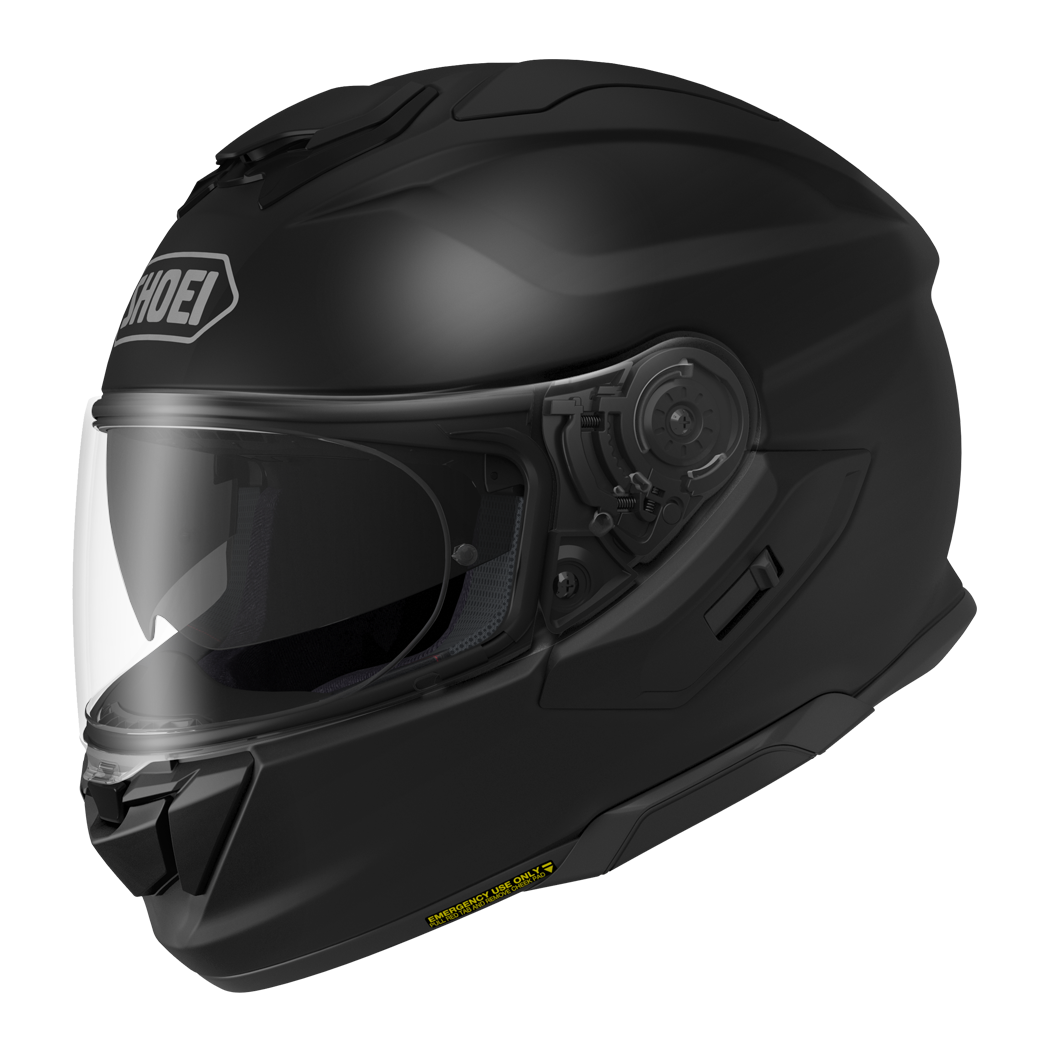
The Shoei GT-Air 3 Smart is not merely a helmet with a gadget attached; it is the world’s first production motorcycle helmet featuring a fully integrated augmented reality (AR) head-up display (HUD). Developed in a sophisticated partnership with French optical pioneers EyeLights, this helmet aims to solve the industry's most persistent safety challenge: the "look-down" distraction. Priced at approximately €1,199 (roughly $1,400 USD), it represents a significant financial investment—nearly double the cost of the standard GT-Air 3. However, for the touring enthusiast or the tech-forward commuter, the question isn't just about the price, but whether this integrated ecosystem justifies its premium by fundamentally changing the riding experience.
The HUD Revolution: How EyeLights Tech Works
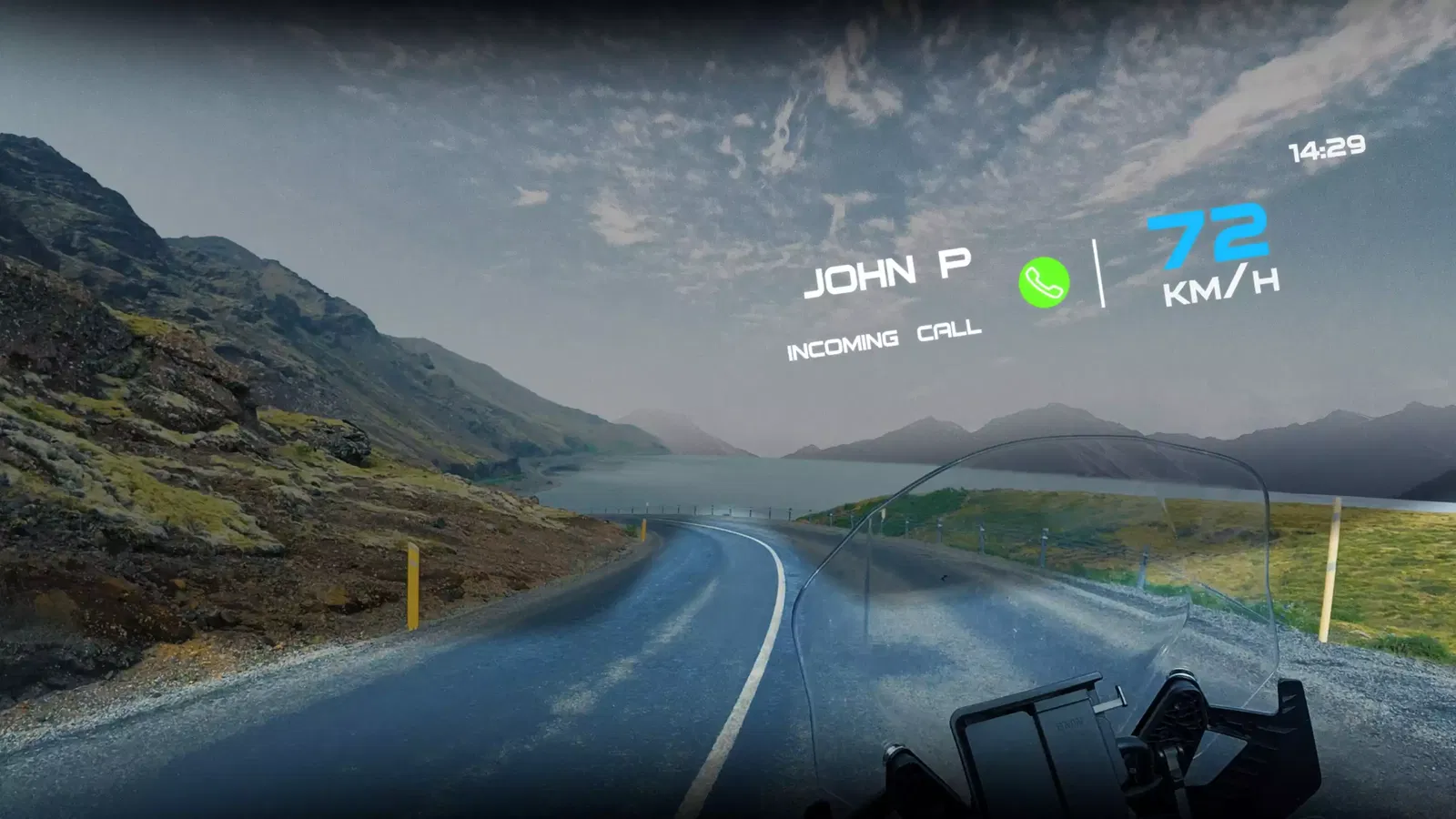
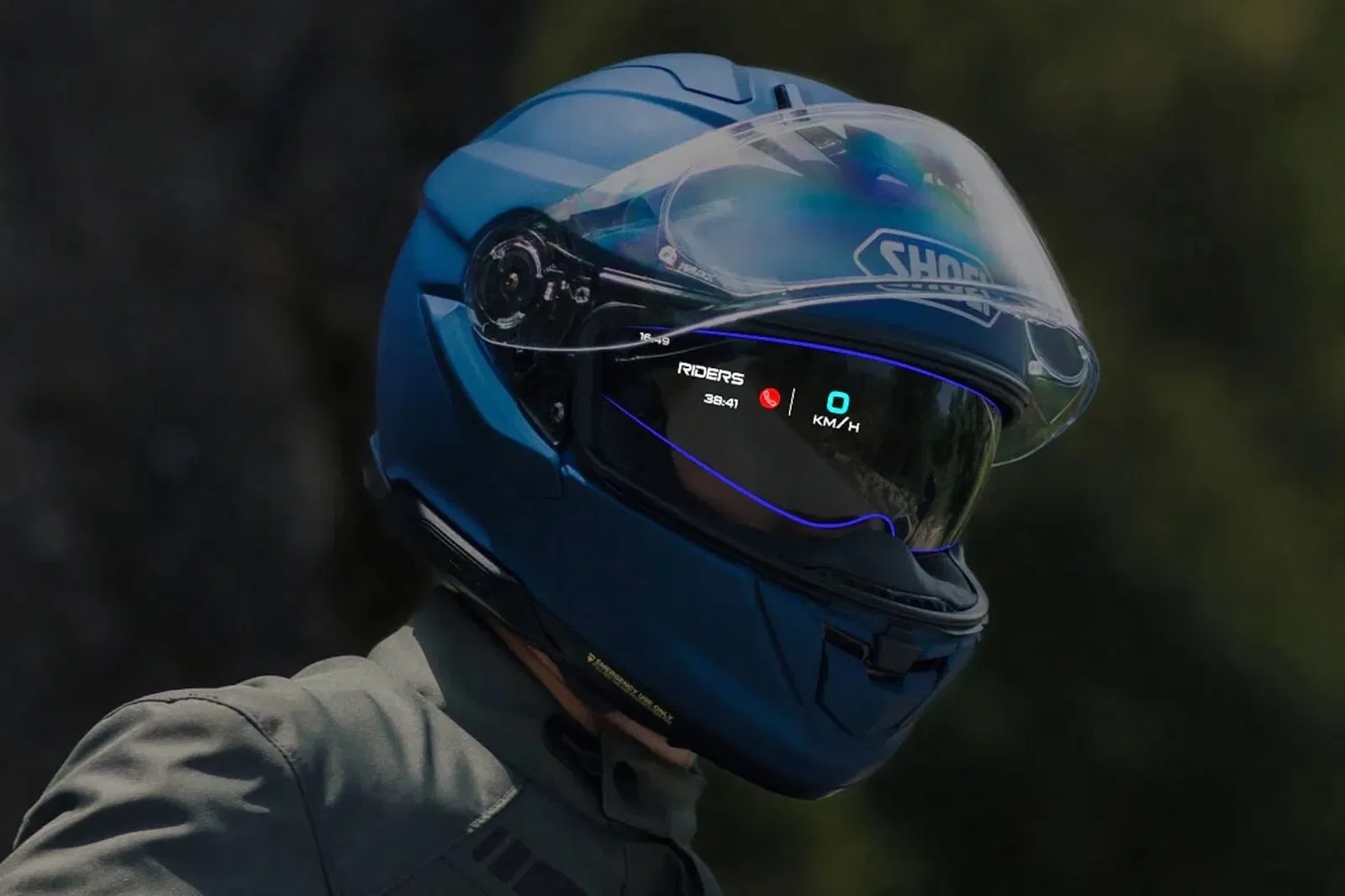
The centerpiece of the GT-Air 3 Smart is the optical engine developed by EyeLights. Unlike previous attempts at HUD technology that relied on bulky external prisms or low-resolution projections, this system utilizes nano-OLED technology. The projector is miniaturized and embedded within the chin bar, casting a high-definition image onto a transparent "combiner" located just behind the visor.
What makes this system a "game-changer" from an engineering perspective is the focal distance. The data—including your current speed, turn-by-turn navigation instructions, and even proximity radar alerts—is projected at a perceived distance of three meters (approximately 10 feet) ahead of the rider. This is a critical distinction. In standard riding conditions, your eyes are focused on the horizon. Looking down at a handlebar-mounted GPS or a traditional dashboard requires your ocular muscles to refocus, a process that takes a fraction of a second but can be deadly at highway speeds.
By keeping the data in the same focal plane as the road, the Shoei GT-Air 3 Smart's HUD system increases rider reaction times by an average of 32%. You are no longer "checking" your speed; you are simply aware of it, much like a fighter pilot monitoring a flight path. The clarity of the nano-OLED display ensures that the interface remains legible even in direct midday sun, while an integrated light sensor automatically dims the display during tunnel transitions or night riding to prevent glare.
Integrated Audio & Communication
While the visual tech grabs the headlines, the Shoei GT-Air 3 Smart is a holistic communication hub. Shoei has moved away from the traditional "Sena-ready" pockets to a fully integrated electronics package. This isn't just about aesthetics; it’s about acoustic engineering. By designing the internal cavities specifically for the high-output speakers and the noise-canceling microphone, Shoei has managed to maintain the helmet's legendary quietness.
The system features Universal Mesh support, allowing for seamless connection with an unlimited number of riders. Whether you are riding solo and streaming high-fidelity audio or leading a large group tour, the connection is remarkably stable. The microphone uses advanced digital signal processing (DSP) to filter out wind noise, ensuring that voice commands for the HUD or phone calls remain crisp even at speeds exceeding 100 km/h.
Battery management is often the Achilles' heel of "smart" gear, but the GT-Air 3 Smart holds its own. The integrated electronics package includes a battery capable of 10 hours of continuous use. For most touring riders, this covers a full day of riding on a single charge. The charging port is discreetly located, and the system supports quick-charging, providing several hours of use from a 20-minute "coffee break" plug-in.
Is It Still a 'Real' Shoei? Safety and Build Quality
As a critic, I am often skeptical of "tech-first" gear because safety frequently takes a backseat to novelty. Fortunately, Shoei has not compromised its core DNA. The GT-Air 3 Smart is built upon the same foundation as the standard model, which is widely regarded as one of the finest sport-touring helmets on the market.
The shell construction utilizes Shoei's proprietary AIM (Advanced Integrated Matrix), a multi-layer composite of high-performance fibers that provides optimal rigidity and impact absorption. It meets and exceeds the latest ECE 22.06 standards, which involve more rigorous testing for rotational impacts and high-speed penetration than the previous 22.05 certification.
- Safety Certifications: Fully ECE 22.06 and DOT certified.
- Ventilation: A redesigned upper air intake and a "breath-guard" optimized for the HUD optics.
- Visor System: The QSV-2 internal sun visor is retained, fitting perfectly alongside the AR projection system without interference.
- Liner: 3D Max-Dry interior is fully removable, washable, and contoured to reduce lift at high speeds.
The inclusion of the HUD components has necessitated a slight weight increase, but the balance of the helmet remains impeccable. Shoei’s engineers have carefully distributed the weight of the battery and projector to ensure that center-of-gravity remains neutral, preventing neck fatigue during long-distance hauls.
The $1,400 Question: Pricing and Value Analysis
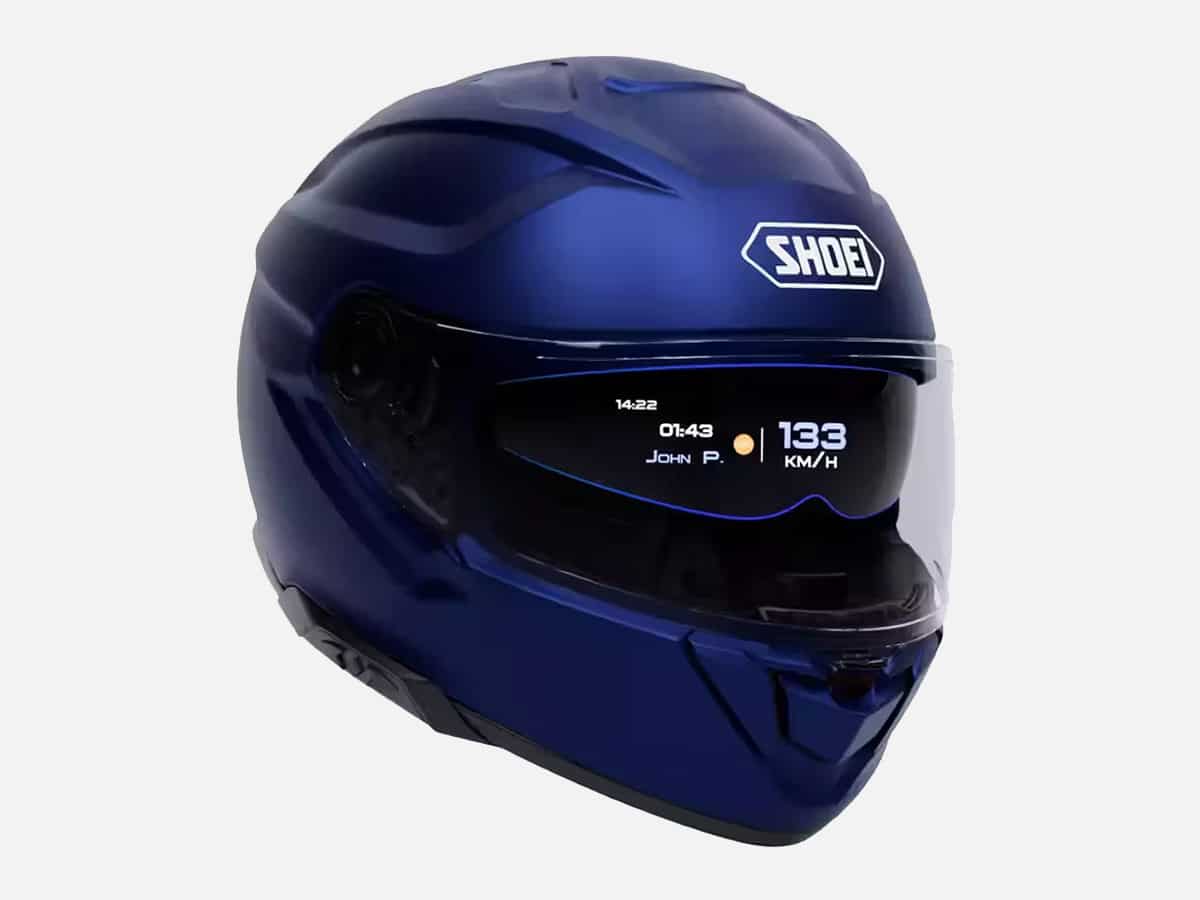
We must address the elephant in the room: the price tag. At approximately $1,400, the GT-Air 3 Smart is positioned in the ultra-premium tier of the market. To put this in perspective, the standard GT-Air 3 retails for roughly $780. You are paying a $620 premium for the "Smart" features.
To determine the ROI, one must look at the cost of "building" a similar setup manually. A high-end Mesh intercom system (like a Cardo Packtalk Edge) costs $350-$400. An aftermarket HUD add-on (if you can find one that fits) would run another $400. Suddenly, the $1,400 price point for a factory-integrated, warranty-backed system that doesn't ruin the aerodynamics of your helmet begins to look like a rational, albeit premium, choice.
| Feature | Shoei GT-Air 3 (Standard) | Shoei GT-Air 3 Smart |
|---|---|---|
| Price | ~$780 USD | ~$1,400 USD |
| Display | None | Nano-OLED AR HUD |
| Communication | "Sena Ready" (Optional) | Integrated Mesh/Bluetooth |
| Focal Distance | N/A | 3 Meters (Virtual) |
| Safety Rating | ECE 22.06 / DOT | ECE 22.06 / DOT |
| Battery Life | N/A | 10 Hours |
| Weight | ~1,700g | ~1,850g |
Availability is currently focused on the European market, with a global rollout expected throughout 2025. Riders can choose from classic solids like Matte Black and White, or the more aggressive "REALM" graphic patterns, though the Smart electronics are currently prioritized in the more understated colorways to appeal to the "tech-exec" touring demographic.
Comparison: Shoei GT-Air 3 Smart vs. The Field
In the past, the "smart helmet" category was littered with failed startups like Skully or overpriced niche players. The GT-Air 3 Smart is different because it comes from a legacy manufacturer with a global service network.
Compared to standalone HUD units, the Shoei system is vastly superior in its optical clarity and focal depth. Compared to "smart" rivals like the Forcite MK1S, the Shoei offers a more refined shell and the prestige of the Shoei fitment. While the Forcite uses a LED strip for "peripheral" alerts, the Shoei provides a full visual interface, making it a more comprehensive tool for navigation and data monitoring.
Final Verdict: Is it the Future or Just a Flashy Gimmick?
After analyzing the data and the hardware, my conclusion is that the Shoei GT-Air 3 Smart is a legitimate evolution in rider safety and ergonomics. It is not for everyone. If you are a weekend canyon carver who prefers the "purist" experience of mechanical feedback, the HUD might feel like an intrusion.
However, for the touring rider who relies on GPS, the commuter who needs to stay connected, or the safety-conscious rider who understands that a 32% faster reaction time can be the difference between a "close call" and a hospital visit, this helmet is the current gold standard.
Pros:
- Seamless Integration: No wires, no bulky external units, no wind noise.
- Safety Data: Real-world reaction time improvements are statistically significant.
- Shoei Quality: You aren't sacrificing protection for technology.
Cons:
- High Entry Price: $1,400 is a steep barrier to entry.
- Tech Obsolescence: While the shell lasts 5-7 years, how will the software hold up?
- Weight: A marginal but noticeable increase for riders sensitive to heavy helmets.
The GT-Air 3 Smart is a bold statement. It proves that augmented reality isn't just a gimmick for gamers—it’s a viable tool for making the most dangerous form of transport just a little bit safer.
FAQ
1. Does the HUD work with prescription glasses? Yes. The EyeLights optical engine is designed to project the image at a distance that works harmoniously with most prescription eyewear and the internal sun visor.
2. Is the battery replaceable? Shoei has designed the system to be serviced by authorized technicians. While not "user-swappable" like a TV remote, the battery is designed for long-term durability.
3. What happens if the HUD fails? Is the helmet still usable? Absolutely. The HUD is a secondary layer of information. If the electronics fail or the battery dies, you are still left with one of the safest and most comfortable ECE 22.06 helmets on the market.