Our Top Picks
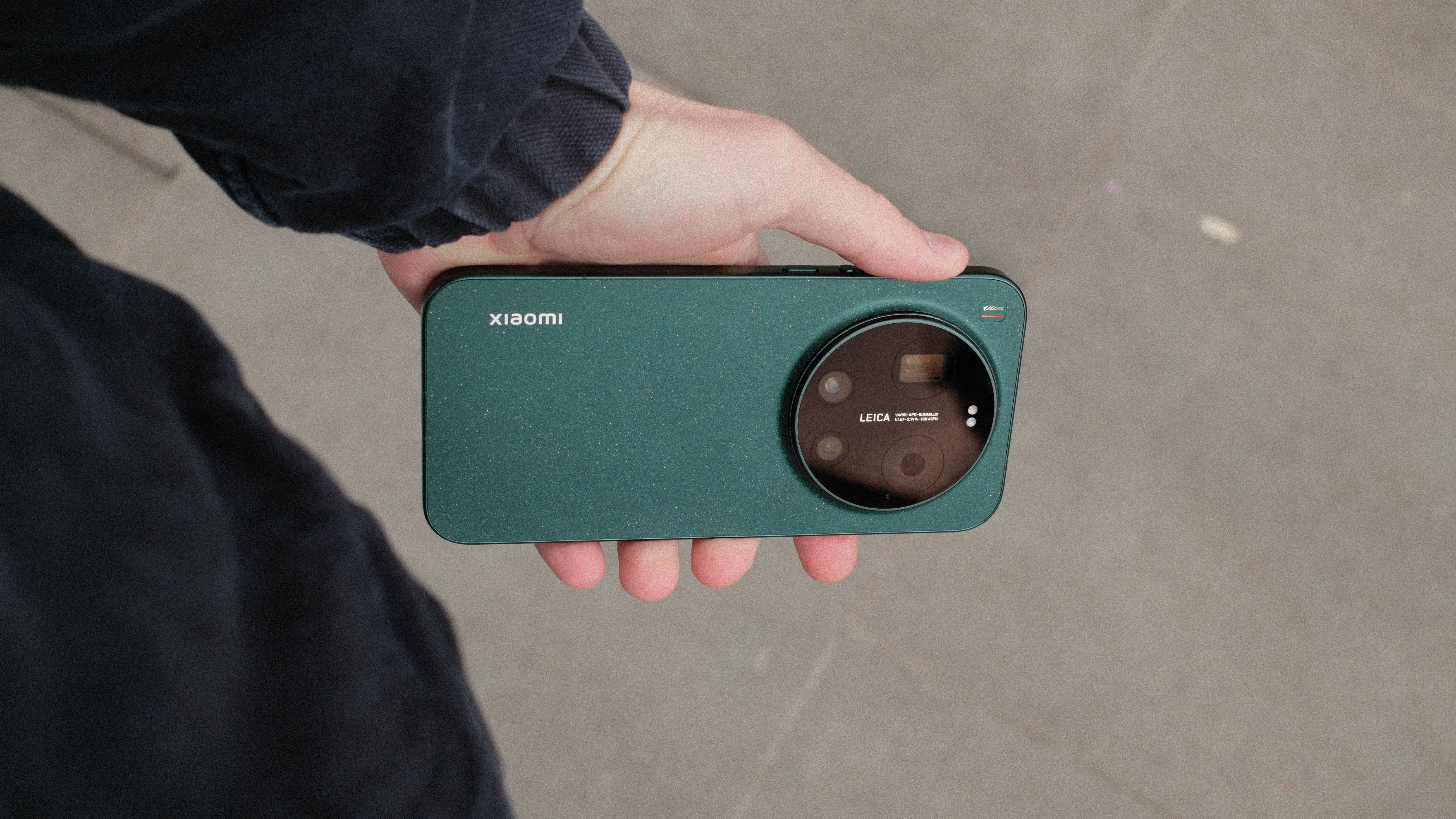
- Best Overall Hardware: Xiaomi 17 Ultra – Features a massive 1-inch sensor and mechanical zoom, delivering dslr quality camera phone results for professionals.
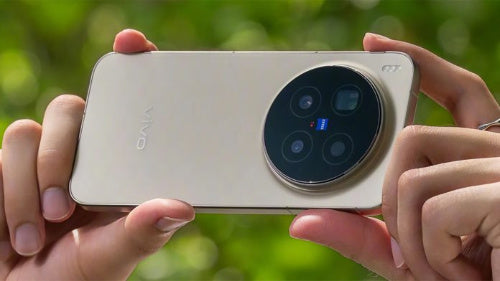
- Best for Portraits and Zoom: vivo X300 Pro – Utilizes Zeiss optics and a 200MP periscope lens to dominate long-range photography.
- Best for Video: iPhone 17 Pro Max – The gold standard for mobile cinematography with ProRes recording and 4K 120fps capabilities.
- Best AI Integration: Google Pixel 10 Pro – Leading the way in generative editing and computational photography through the new Tensor chip.
- Best Zoom Versatility: Samsung Galaxy S26 Ultra – A refined 200MP main sensor paired with the most flexible dual-telephoto system on the market.
Our professional review smartphone camera rankings 2026 update identifies the Xiaomi 17 Ultra as the top choice for enthusiasts looking for the top 10 best camera phone in the world. By combining a 1-inch 50MP sensor with cutting-edge LOFIC technology, it provides the most consistent and professional-grade imaging experience available today.
1. Xiaomi 17 Ultra: The Absolute Hardware Champion
The Xiaomi 17 Ultra has officially claimed its spot at the summit of the world best camera phone list for 2026. While many manufacturers are leaning heavily into artificial intelligence to fix lens limitations, Xiaomi has doubled down on raw optical power. The centerpiece of this device is the 50MP Light Fusion 1050L sensor, which remains the best 1 inch sensor camera phone 2026 has to offer.
What makes this sensor special is the implementation of LOFIC technology. In high-contrast scenes—such as a bright sunset behind a dark silhouette—traditional sensors often blow out the highlights or lose detail in the shadows. LOFIC expands the dynamic range significantly, allowing the sensor to retain detail in the brightest parts of the image that would otherwise be lost.
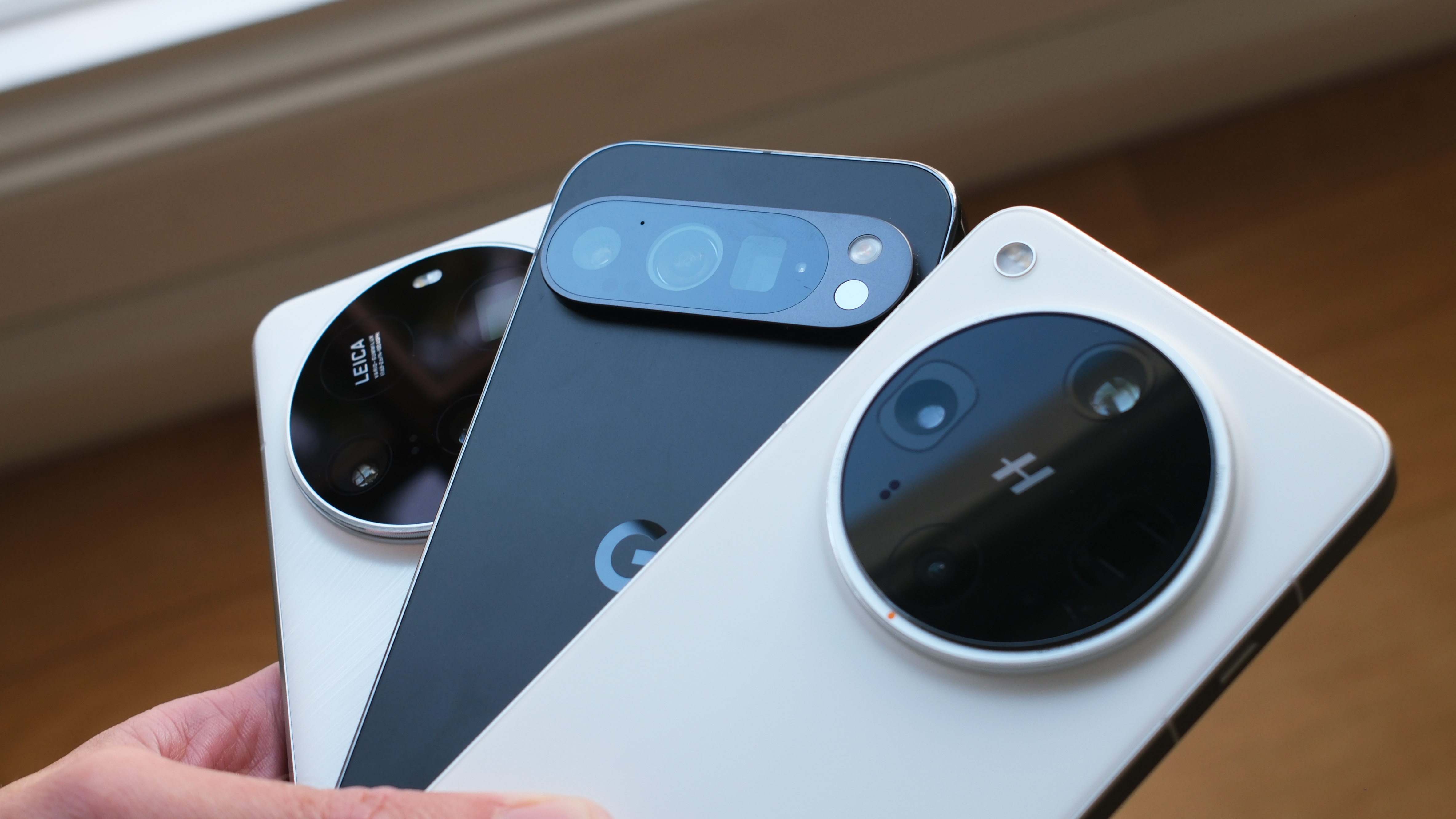
Furthermore, the Xiaomi 17 Ultra features a mechanical optical zoom system. Unlike traditional digital crops, this physical movement within the lens assembly ensures that sharpness is maintained across various focal lengths. The collaboration with Leica continues to bear fruit, providing Leica image filters that offer professional-grade color science, moving away from the over-processed look common in modern smartphones. Whether you are shooting in street photography mode or capturing wide landscapes, the natural bokeh and Sony LYT-series sensors provide a depth that is difficult to replicate with software alone.
2. vivo X300 Pro: The King of Periscope Zoom & Portraits
If your photography style leans toward portraits or wildlife, the vivo X300 Pro is likely the best smartphone for periscope zoom 2026 has in its lineup. Vivo has continued its deep partnership with Zeiss, and the results are stunning. The X300 Pro utilizes a 200MP Samsung periscope lens that achieves an incredible level of detail even at 10x or 20x magnification.
One of the most impressive technical feats here is the Zeiss APO quality. This designation is usually reserved for high-end professional lenses that are corrected for chromatic aberration. In mobile use, this means your photos won't have those annoying purple or green fringes around high-contrast edges, such as tree branches against a bright sky.
The skin tone rendering on the X300 Pro is also widely considered the industry leader. It manages to balance texture and color without the aggressive smoothing found on many other devices. With a confirmed DXOMARK score of 171 points, it sits comfortably near the top of the professional review smartphone camera rankings 2026. The optical image stabilization on the zoom lens is particularly robust, allowing for handheld shots at extreme distances that would normally require a tripod.
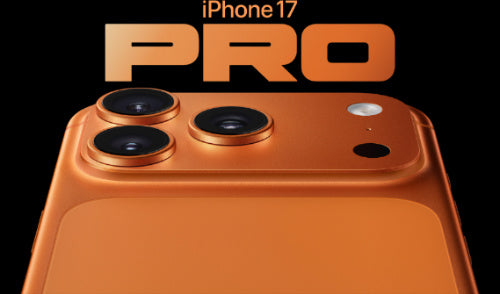
3. iPhone 17 Pro Max: The Unrivaled Video Leader
While the competition for still photography is fierce, the iPhone 17 Pro Max remains the top 10 best video camera phone in the world. Apple has focused its 2026 efforts on the A19 Pro chip, which acts as the brain for a massive array of video-centric features. The most significant upgrade for creators is the expansion of ProRes recording, which now supports higher frame rates and better bit depth when recording directly to external storage.
The iPhone 17 Pro Max introduces a new 18MP CenterStage selfie camera that works in both orientations, making it a favorite for vloggers and remote professionals. In terms of the rear array, Apple’s computational bokeh has reached a point where it is nearly indistinguishable from a wide-aperture lens. The transition between the subject and the blurred background is smooth, handling complex edges like hair and glasses with newfound precision.
For those who prioritize a seamless workflow, the ability to shoot in 4K 120fps video across all lenses is a game changer. It allows for cinematic slow-motion footage without sacrificing resolution. While it may not have the largest sensor in this top 10 best camera phone in the world list, its consistency and the reliability of its focus tracking make it the go-to choice for professional videographers.
4-7. Mainstream Powerhouses: Samsung, Google, and Oppo
The middle of the top 10 best camera phone in the world list is occupied by brands that balance innovation with massive global availability.
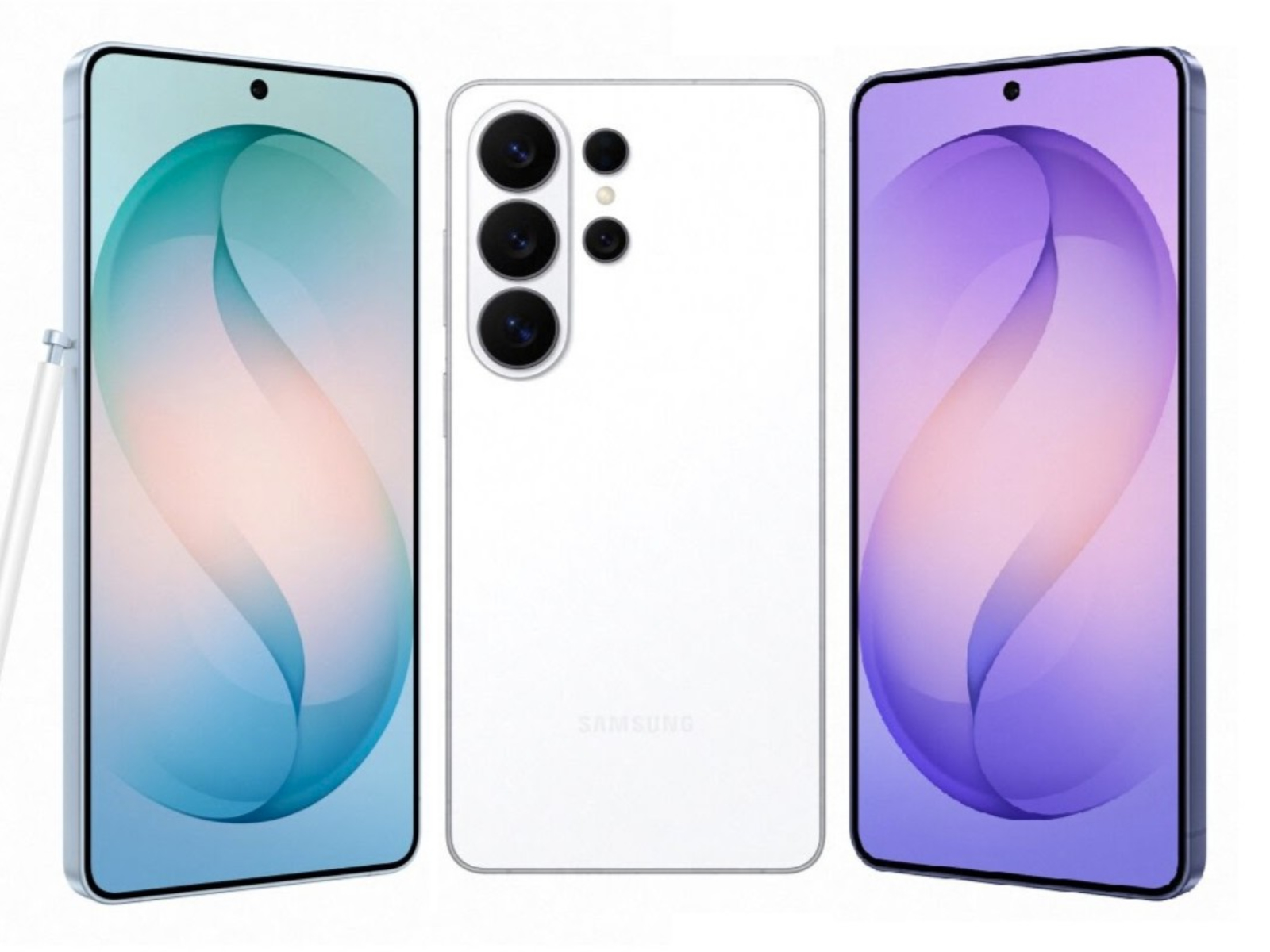
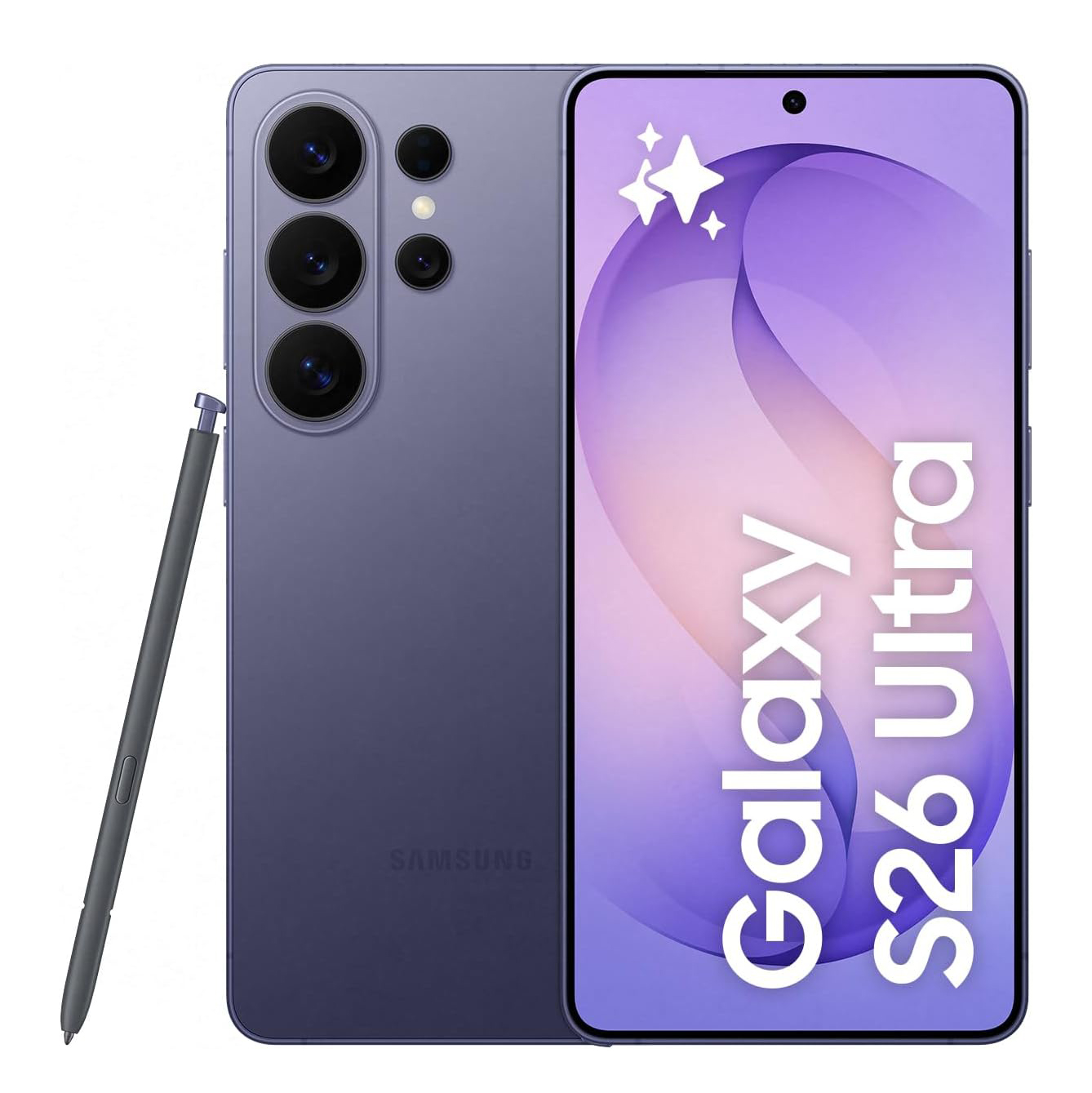
The Samsung Galaxy S26 Ultra remains a powerhouse of versatility. It features an adaptive aperture on its refined 200MP main sensor, which physically adjusts to the lighting conditions. This hardware flexibility, combined with its dual telephoto lenses (3x and 10x), ensures that users have the right tool for any distance. Samsung's AI-driven photo editing tools have also become more intuitive, allowing for complex object removal and sky replacement with a single tap.
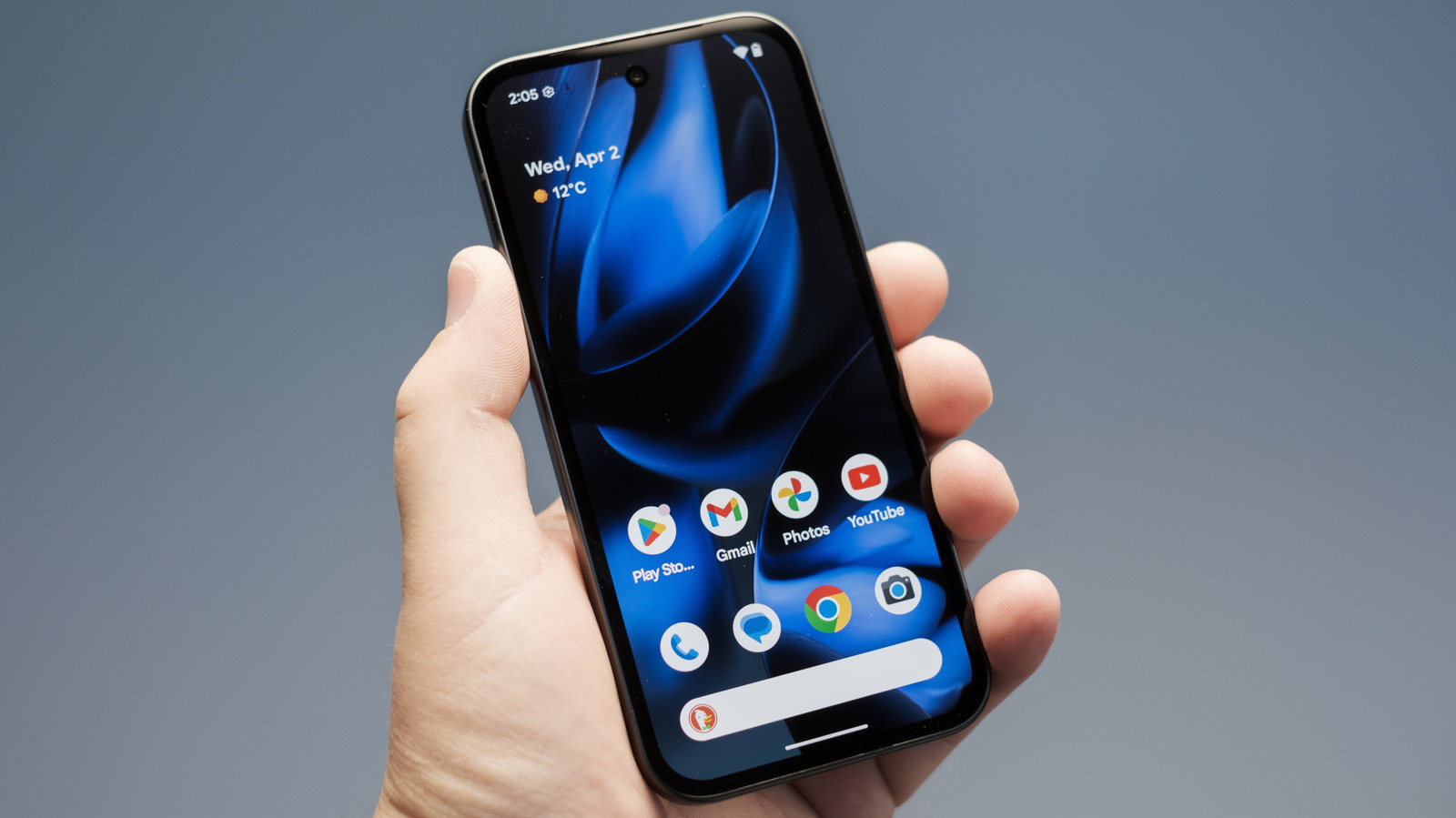
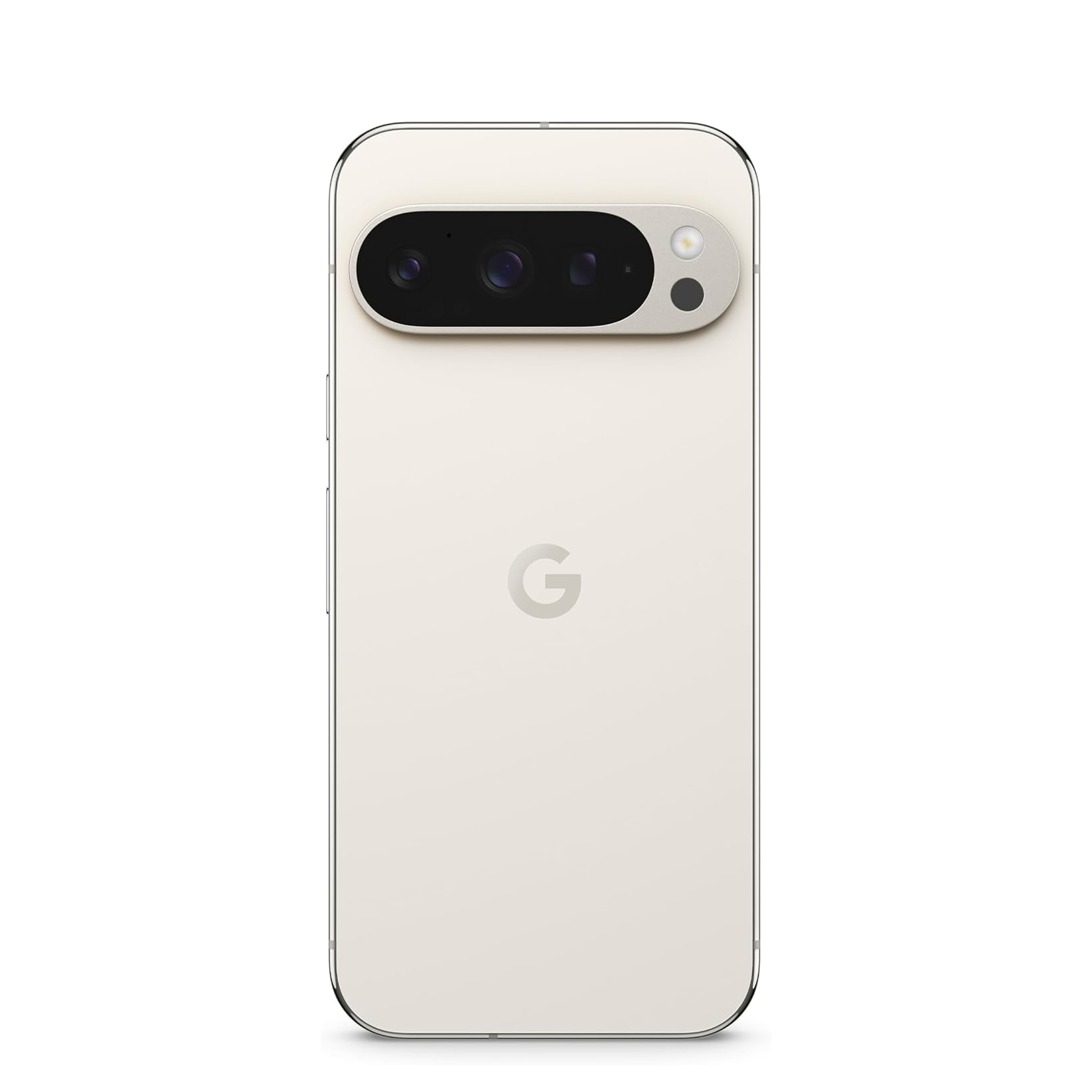
The Google Pixel 10 Pro takes a different approach, relying on the Tensor G5 chip to push the boundaries of computational photography. Google’s Night Mode remains the gold standard for long-exposure handheld shots, and the new generative editing features allow users to virtually re-light a scene after the photo has been taken. With a 7-year update cycle, it is the most future-proof choice for those who don't upgrade every year.
Rounding out this group are the OPPO Find X9 Pro and the Huawei Pura 80 Ultra. The Oppo flagship features Hasselblad color science, which produces incredibly moody and artistic shots that feel more like film than digital. Meanwhile, the Huawei Pura 80 Ultra currently holds the highest DXOMARK score of 175 points as of April 2026. Its retractable lens mechanism and high-speed flash capture make it the best chinese camera phone list 2026 leader for capturing fast-moving subjects.
2026 Flagship Camera Comparison
| Model | Primary Sensor | DXOMARK Score | Primary Strength |
|---|---|---|---|
| Xiaomi 17 Ultra | 1-inch 50MP | 174 | Raw Optics & HDR |
| vivo X300 Pro | 1/0.98-inch 50MP | 171 | Zoom & Portraits |
| iPhone 17 Pro Max | 48MP Stacked | 168 | Video & Ecosystem |
| Samsung S26 Ultra | 200MP Adaptive | 166 | Zoom Versatility |
| Huawei Pura 80 Ultra | 1-inch Retractable | 175 | Speed & Low Light |
8-10. Specialist & Value Picks: OnePlus and Beyond
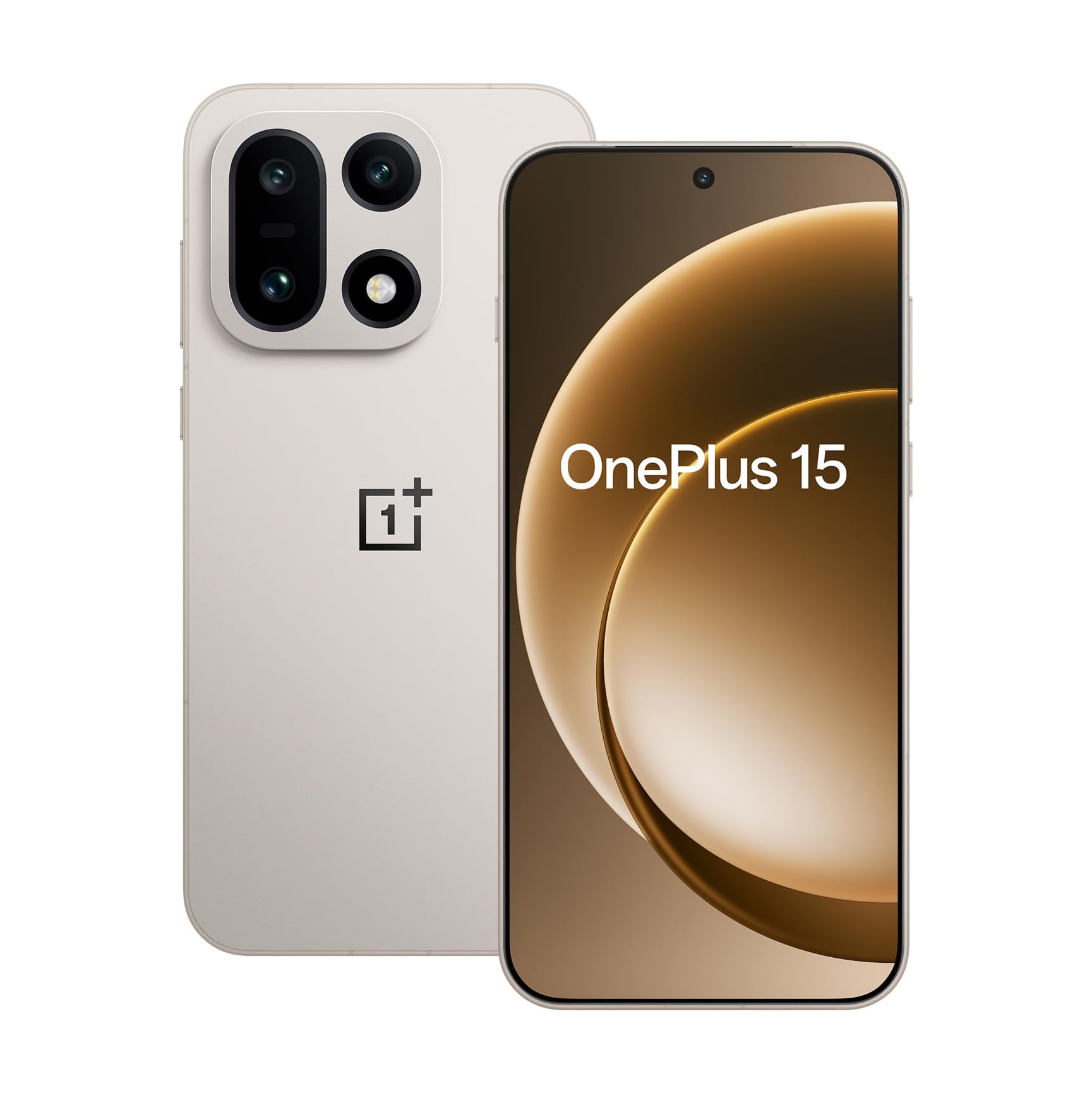
The final spots in our rankings belong to devices that offer specific advantages or exceptional value. The OnePlus 15 has surprised the industry by pairing a very capable Hasselblad-tuned camera system with a massive battery. This makes it the ideal tool for long days of shooting where you don't want to carry a power bank. While it lacks the extreme zoom of the S26 Ultra, its main sensor performance is neck-and-neck with the top-tier flagships.
The Google Pixel 10a secures its spot as the best affordable camera phone 2026. It strips away the premium materials of the Pro model but keeps the essential AI processing and the main sensor. For most users, the photos coming out of the 10a are indistinguishable from those of phones costing twice as much.
Finally, we have the Sony Xperia 1 VIII, a niche but essential mention for professional photographers. Sony continues to offer features no one else does, such as a physical shutter button, a 4K HDR OLED display for monitoring, and a camera interface that mimics their Alpha series professional cameras. It is less about "point and shoot" and more about manual control.
Buyer's Guide: How to Choose Your Next Camera Phone
Choosing from the top 10 best camera phone in the world list requires looking past the marketing jargon. Today, 86% of consumers consider camera quality as a primary factor when selecting a new smartphone, but high megapixel counts can be misleading.
Megapixels vs. Sensor Size
A 200MP sensor sounds impressive, but if the physical size of the sensor is small, each individual pixel won't be able to capture much light. This leads to "noise" in low-light photos. This is why the 1-inch sensors found in the Xiaomi 17 Ultra and Huawei Pura 80 Ultra are so significant; they provide a larger surface area for light, resulting in a cleaner image with a more natural shallow depth of field.
Computational Photography vs. Raw Optics
Apple and Google lead the world in computational photography. This means their software does a lot of heavy lifting to balance shadows, sharpen edges, and fake background blur. On the other hand, brands like Xiaomi and Vivo are leaning into raw optics—using better glass and larger sensors to get the shot right before the software even touches it. If you like a "processed" and ready-to-post look, go for the iPhone or Pixel. If you want a photo that looks like it came from a real camera, look toward the Ultra models from China.
Ecosystem and Workflow
If you are already using a Mac or iPad, the iPhone 17 Pro Max offers a workflow for video that is hard to beat. However, for those who want the freedom of Android and the ability to expand storage or use advanced AI generative tools, the Samsung and Google options are superior.
FAQ
Which is the world no. 1 camera phone?
As of mid-2026, the Xiaomi 17 Ultra is widely considered the world no. 1 camera phone due to its combination of a 1-inch sensor, Leica optics, and the most advanced HDR technology (LOFIC) on the market.
What are the top 10 camera phones?
The top 10 camera phones currently include the Xiaomi 17 Ultra, Huawei Pura 80 Ultra, vivo X300 Pro, iPhone 17 Pro Max, Samsung Galaxy S26 Ultra, OPPO Find X9 Pro, Google Pixel 10 Pro, OnePlus 15, Google Pixel 10a, and Sony Xperia 1 VIII.
Which phone has the very best camera?
For pure hardware and professional photography, the Xiaomi 17 Ultra has the very best camera. However, for video enthusiasts, the iPhone 17 Pro Max is generally preferred, while the vivo X300 Pro is the best for zoom and portraits.
Which phone is no. 1 in camera?
In terms of technical lab testing, the Huawei Pura 80 Ultra currently holds the no. 1 spot with a DXOMARK score of 175. In terms of real-world professional usage and hardware versatility, many experts rank the Xiaomi 17 Ultra as the no. 1.
Which is the No. 1 camera brand?
In the mobile space, there is no single No. 1 brand for everyone. Apple is the No. 1 for video, Google is the No. 1 for AI-assisted editing, and Xiaomi/Huawei are currently the No. 1 brands for raw hardware and sensor size.