Quick Facts
- Software Commitment: Samsung now provides a guaranteed 7 years of OS and security updates for its flagship Galaxy S and Z series.
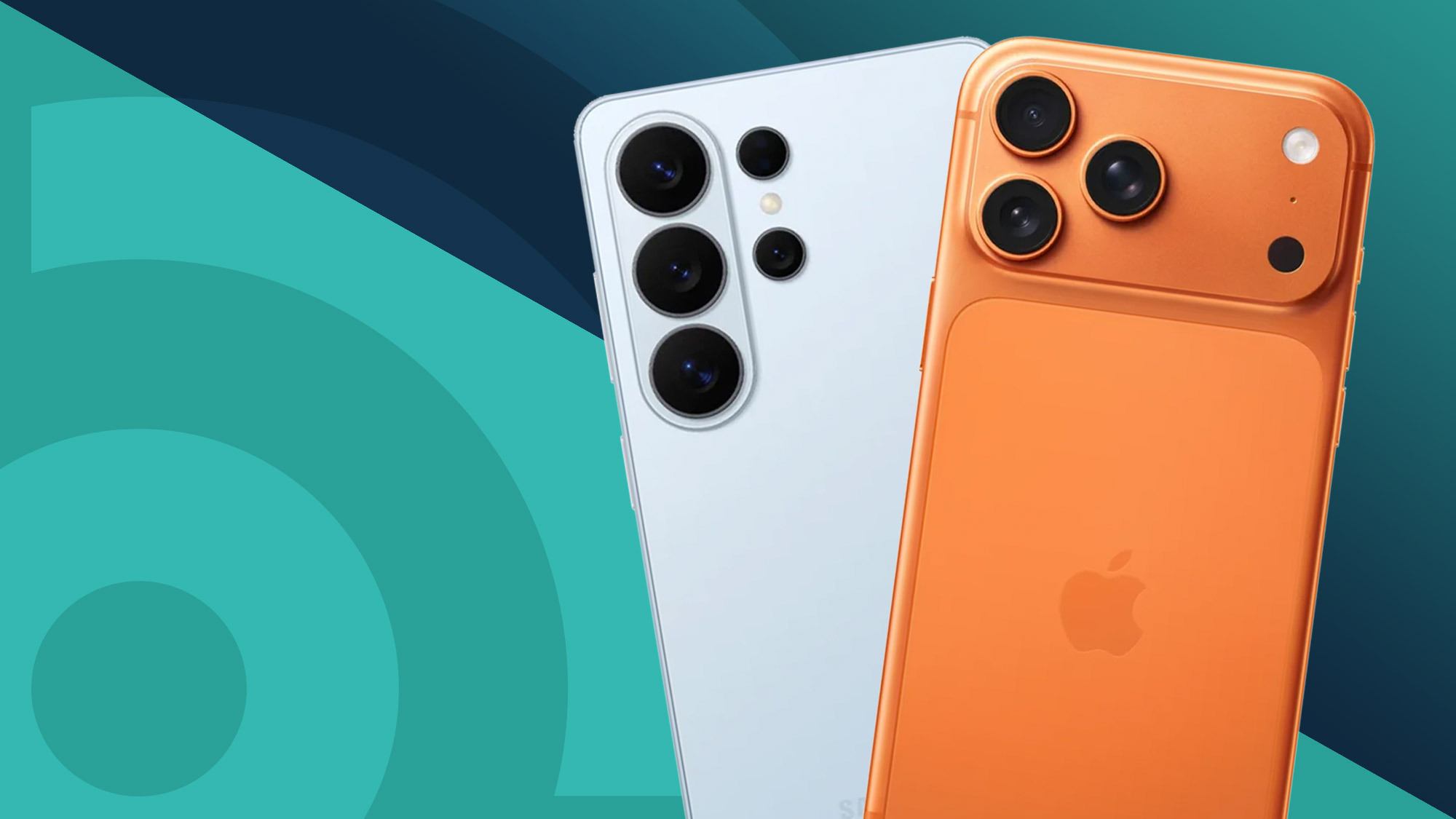
- Customer Satisfaction: In the 2025 American Customer Satisfaction Index (ACSI), Samsung achieved a score of 81, tying with Apple for the top industry position.
- Lifecycle Longevity: A Galaxy S25 Ultra purchased in early 2025 will remain officially supported and secure until 2032.
- Market Leadership: Samsung has maintained its position at the top of customer satisfaction benchmarks for five consecutive years as of 2025.
- ROI Impact: Long-term support reduces the "cost-per-year" of flagship devices to approximately $170–$180, significantly lower than mid-range devices replaced every two years.
The Longevity Revolution in 2025
For the past decade, the smartphone industry operated on a cycle of planned obsolescence and "forced upgrades." Consumers were conditioned to expect their devices to become sluggish, insecure, or incompatible with new apps within three to four years. However, 2025 has cemented a fundamental shift in this narrative—a transition from biannual upgrades to enduring reliability. At the forefront of this longevity revolution is Samsung.
The current landscape of mobile technology is no longer defined solely by peak brightness or megapixel counts; it is defined by the software lifecycle. By committing to a 7-year update policy for its flagship Galaxy S and Z series, Samsung has effectively decoupled hardware ownership from the anxiety of rapid depreciation. This policy ensures that a device purchased today remains a "current" model in the eyes of developers and security protocols until well into the next decade.
For the modern consumer—and specifically for those who view technology as a long-term investment—Samsung's 7-year roadmap represents more than just a marketing claim. It is a promise of sustained performance. Whether you are holding the Galaxy S24 Ultra or the newly released S25 Ultra, the roadmap extends to 2031 and 2032, respectively. This unprecedented support window has fundamentally altered how we calculate value in the flagship segment.
The Data Behind the Satisfaction: Tying with Apple
In the realm of consumer electronics, the American Customer Satisfaction Index (ACSI) is the gold standard of objective performance. For years, Apple held a near-monopoly on the highest satisfaction ratings, driven by its tight ecosystem and long-term software support. However, the 2025 ACSI report highlights a tectonic shift: Samsung has secured a score of 81, effectively tying with Apple for the first time in recent history.
This achievement is not an overnight success but the culmination of a five-year winning streak in customer satisfaction benchmarks. While other Android manufacturers have struggled with fragmented update schedules and inconsistent regional support, Samsung has standardized its flagship experience globally.
Expert Insight: "The correlation between software longevity and customer satisfaction is direct. When a user knows their $1,200 investment won't be obsolete in 36 months, brand loyalty transitions from a preference to a logical financial conclusion." — James Wright
Compared to other Android rivals, the gap is widening. While Google matches the 7-year promise on its Pixel line, Samsung’s hardware reliability and broader service infrastructure give it a practical edge. Motorola and other value-focused brands often struggle to provide more than three years of support, leaving their users vulnerable to security risks and app incompatibility far sooner than Galaxy owners.

Decoding the 7-Year Update Policy
To understand the weight of Samsung’s commitment, one must distinguish between the types of updates provided. Many manufacturers boast about "updates," but often fail to specify the difference between minor security patches and major Android OS upgrades. Samsung’s 2025 policy is comprehensive, covering both:
- OS Upgrades: These bring new features, UI overhauls (One UI), and core Android functionality. Seven generations of OS updates mean a phone launching on Android 15 will eventually run Android 22.
- Security Patches: These are critical for protecting personal data, banking information, and privacy. Under the current policy, these are delivered with high frequency (monthly or quarterly) for the full seven-year duration.
Update Lifecycle Comparison
| Model Series | Release Year | End of OS Support | End of Security Support |
|---|---|---|---|
| Galaxy S25 Series | 2025 | 2032 | 2032 |
| Galaxy S24 Series | 2024 | 2031 | 2031 |
| Galaxy Z Fold 7 / Flip 7 | 2025 | 2032 | 2032 |
| Galaxy A56 (Mid-range) | 2025 | 2031 | 2031 |
| Google Pixel 9 Pro | 2024 | 2031 | 2031 |

Why Software Continuity Matters in 2026 and Beyond
As we move into 2026, the reliance on mobile devices for everything from digital identity to AI-driven productivity will only increase. Software continuity is no longer a luxury; it is a prerequisite for security. When a device stops receiving updates, it becomes a "legacy" system. Banking apps may refuse to run on outdated OS versions, and new Bluetooth or Wi-Fi standards may lack the necessary driver optimizations to function correctly.
Samsung’s strategy ensures that the Galaxy S25 Ultra you use today for high-end photography and AI tasks will still be a viable, secure device for basic enterprise tasks or as a high-quality hand-me-down in 2030. This reduces electronic waste and empowers the secondary market, as a three-year-old Samsung device still has four years of "official life" remaining—a massive selling point for resale value.

Best Samsung Models for Maximum Longevity
If you are looking to maximize your investment in 2025, not all devices are created equal. To truly benefit from the 7-year window, you need hardware that can physically stand the test of time alongside the software.
Galaxy S25 Ultra: The Performance Powerhouse
The S25 Ultra is the definitive choice for those targeting a 2032 retirement date. Equipped with the latest Snapdragon processors and enhanced thermal management, its hardware is designed to handle the increasing demands of future OS iterations. The titanium frame and Gorilla Armor glass provide the physical durability necessary for a seven-year lifecycle.
Galaxy Z Fold 7 & Z Flip 7: The Future of Productivity
While foldables were once scrutinized for their durability, the 2025 iterations have reached a point of maturity. By pairing their cutting-edge form factors with the 7-year update guarantee, Samsung has removed the "risk" of buying a foldable. These devices are now positioned as long-term productivity tools rather than experimental gadgets.
Galaxy A-Series (A56/A16): Democratizing Longevity
Perhaps the most impressive move in 2025 is Samsung’s extension of long-term support to the budget-friendly A-series. While the support window may vary slightly compared to the flagships (typically 6 years for the A16), it still far outpaces any other brand in the sub-$400 category. This makes Samsung the undisputed leader for value-conscious consumers who want to avoid the "cheap phone trap" of needing a replacement every 18 months.
The ROI Argument: Why 'Cost-per-Year' is the New Benchmark
When analyzing high-end technology, the sticker price is often a distraction. As an analyst, I prefer to look at the Cost-per-Year (CPY). This metric reveals the true economic advantage of Samsung’s current policy.
Consider the following comparison:
- Flagship Investment: A Galaxy S25 Ultra costs approximately $1,299. Supported for 7 years, the CPY is $185.
- Budget Cycle: A $400 budget phone from a competitor with 2 years of support has a CPY of $200.
Over seven years, the "cheaper" phone actually costs the consumer more in hardware replacements, data migration time, and the intangible cost of using inferior technology. Furthermore, the resale value of a Samsung device remains significantly higher. A device with three years of support remaining is a "current" asset; a device with zero support is essentially electronic waste.
By aligning their product lifecycle with long-term technological trends, Samsung has moved beyond the "specs war" and into a "trust war." They are betting that consumers value peace of mind and financial predictability over the flash-in-the-pan features of their competitors.
Conclusion
The "Samsung Advantage" in 2025 is not just about having the best display or the most versatile camera—though they certainly have those. It is about the fundamental shift in how the company treats its relationship with the consumer. By offering a 7-year update path and achieving a record-tying ACSI score of 81, Samsung has proven that the path to market leadership lies in reliability and longevity.
For the traveler, the professional, and the everyday user, this policy translates to a device that stays secure across borders, remains compatible with evolving apps, and retains its value far longer than the competition. In an era of economic uncertainty, the Galaxy ecosystem offers something rare: a guaranteed future.
FAQ
Q: Does the 7-year update policy apply to all Samsung phones? A: No. The full 7-year OS and security update commitment currently applies to the flagship Galaxy S24 and S25 series, and the Z Fold/Flip 6 and 7 series. Selected A-series models, like the A16 and A56, offer 6 years of support, which is still industry-leading for the mid-range segment.
Q: Will a phone really last 7 years physically? A: While software will remain current, hardware components like batteries naturally degrade. However, Samsung’s use of premium materials (Titanium, Gorilla Armor) and the widespread availability of official repair programs and battery replacement services make a 7-year physical lifespan more achievable than ever before.
Q: How does Samsung’s policy compare to Google’s? A: Google also offers 7 years of updates for its Pixel 8 and 9 series. The main difference lies in the ecosystem and hardware. Samsung currently holds a higher customer satisfaction rating (ACSI 81) and offers a more diverse range of hardware options (foldables, Ultra series) supported by a larger global service network.
Ready to secure your tech future through 2032?
Explore the latest Galaxy S25 Ultra and experience the industry's best long-term support.