While most 30-year-old technology ends up in a recycling bin or a dusty attic box, Canon’s PowerShot line is celebrating its third decade by leaning into luxury. In a world where our smartphones have become clinical, AI-driven image processors, the resurgence of the dedicated compact camera isn’t just a trend—it’s a counter-culture movement. For 2026, the crown jewel of this movement is the Canon PowerShot G7 X Mark III 30th Anniversary Edition.
This isn’t just a camera; it’s a statement piece. Clad in a unique graphite body finish with a diamond-knurled grip and a commemorative logo, this limited-edition release is priced at $1,299. That is a 47.6% price premium over the standard model’s $880 retail price, but for the collector or the high-end vlogger, the "aesthetic theater" and scarcity are the primary draws. Underneath the sophisticated new skin, it retains the powerhouse 20.1-megapixel 1-inch stacked CMOS sensor and the versatile 24-100mm f/1.8-2.8 lens that made the G7 X Mark III a viral sensation on TikTok and YouTube.
A 30-Year Milestone: From 0.57MP to 4K Luxury
The PowerShot journey began in 1996 with the PowerShot 600. Back then, we were dealing with a 0.57-megapixel resolution and internal storage that could barely hold a handful of shots. Fast forward through over 200 models, and the series has evolved into the definitive tool for the "compact-premium" era.
By 2026, the photography landscape has shifted. We’ve reached "smartphone fatigue." Photographers are looking for a tactile, dedicated experience that doesn't involve a notification popping up mid-shutter press. The 30th Anniversary Edition captures this sentiment perfectly. It bridges the gap between the 1996 heritage and 2026 luxury, offering a curated bundle that includes a Peak Design Cuff wrist strap and a 32GB SD card, ensuring it’s ready for the field the moment it leaves the box.
Aesthetics of Scarcity: What’s New in the Anniversary Edition?
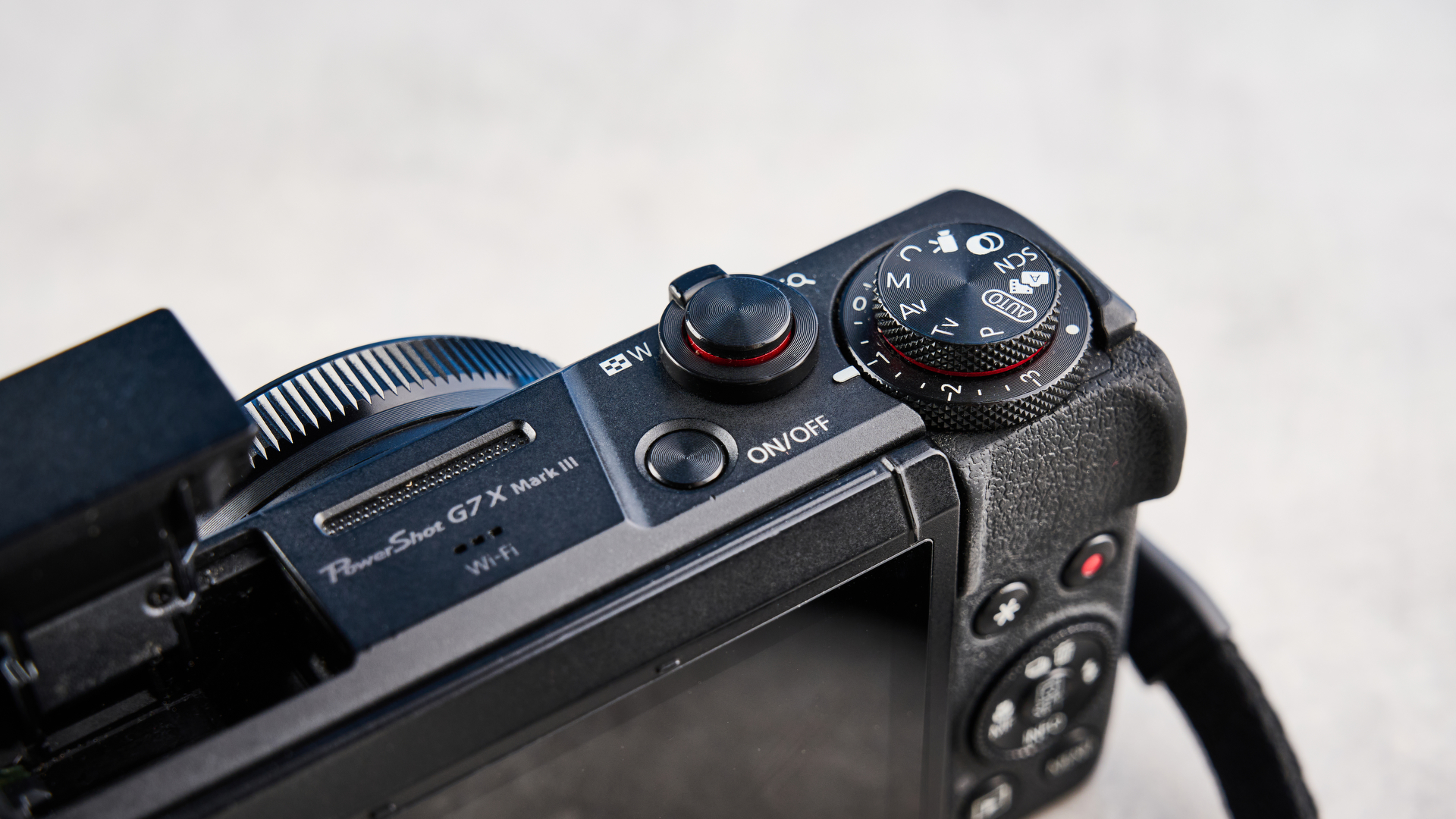
If you were to place the standard G7 X Mark III next to the 30th Anniversary Edition, the difference is immediate. The standard model is a tool; the Graphite Edition is an heirloom. The "Graphite" finish is a deep, metallic grey that catches the light differently than the standard matte black or silver options. It feels denser, more intentional.
The most significant tactile change is the diamond-knurled front grip ring. While the original features standard ridges, the anniversary edition uses a cross-hatched pattern reminiscent of high-end watch crowns. It provides a more secure, premium feel when adjusting your aperture or zoom manually. Furthermore, the "30th" commemorative logo is subtly etched onto the pop-up flash housing—a "blink and you’ll miss it" detail that rewards the discerning owner.
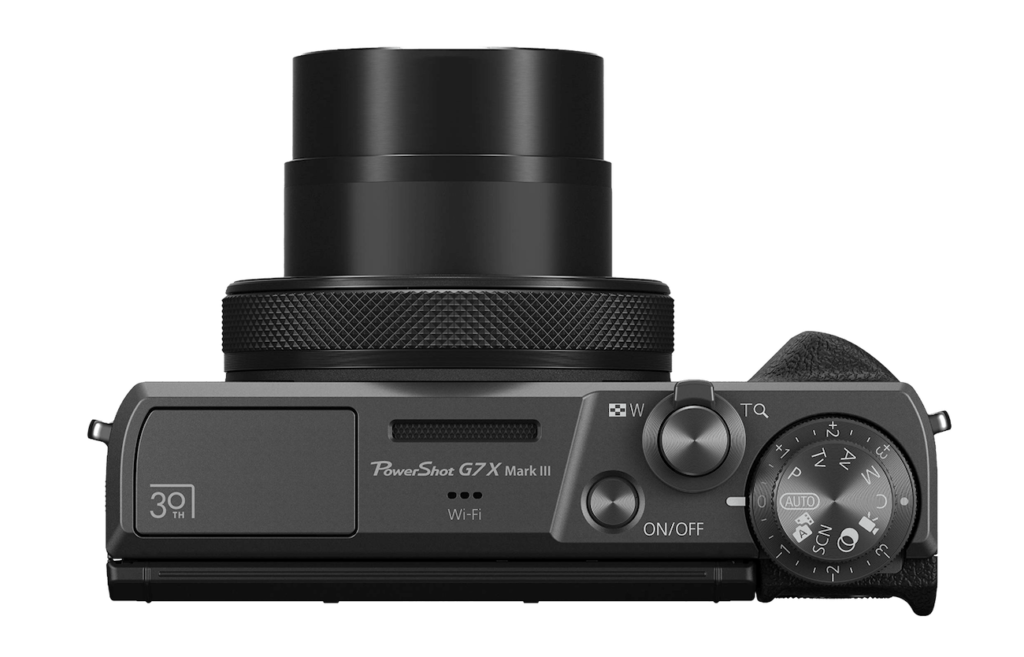
Nina’s Professional Take: Don't mistake this for a mere paint job. In the world of premium gear, the interface between the hand and the machine is everything. The diamond knurling isn't just for show; it offers a micro-friction that makes "blind" adjustments significantly more intuitive during a shoot.
Performance Breakdown: Is the 2019 Tech Still Relevant in 2026?
Some critics might point out that the internal hardware of the G7 X Mark III was originally released in 2019. However, in the realm of 1-inch sensor compacts, Canon hit a "peak performance" plateau that remains remarkably competitive today.
Technical Snapshot
| Feature | Specification |
|---|---|
| Sensor | 20.1MP 1-inch Stacked CMOS |
| Processor | DIGIC 8 |
| Lens | 24-100mm (35mm Equiv.) f/1.8-2.8 |
| Video | 4K 30p / FHD 120p (No Crop) |
| Burst Rate | Up to 30 fps (RAW Burst Mode) |
| Connectivity | Wi-Fi, Bluetooth, 3.5mm Mic Input |
The heart of this camera is the 1-inch stacked CMOS sensor. This "stacked" architecture allows for incredibly fast data readout, which is why the camera can handle 4K video without a crop and fire off 30 frames per second in RAW burst mode. While your iPhone 17 Pro might use computational tricks to fake a shallow depth of field, the 24-100mm f/1.8-2.8 lens on the PowerShot provides genuine optical bokeh and superior low-light gathering.
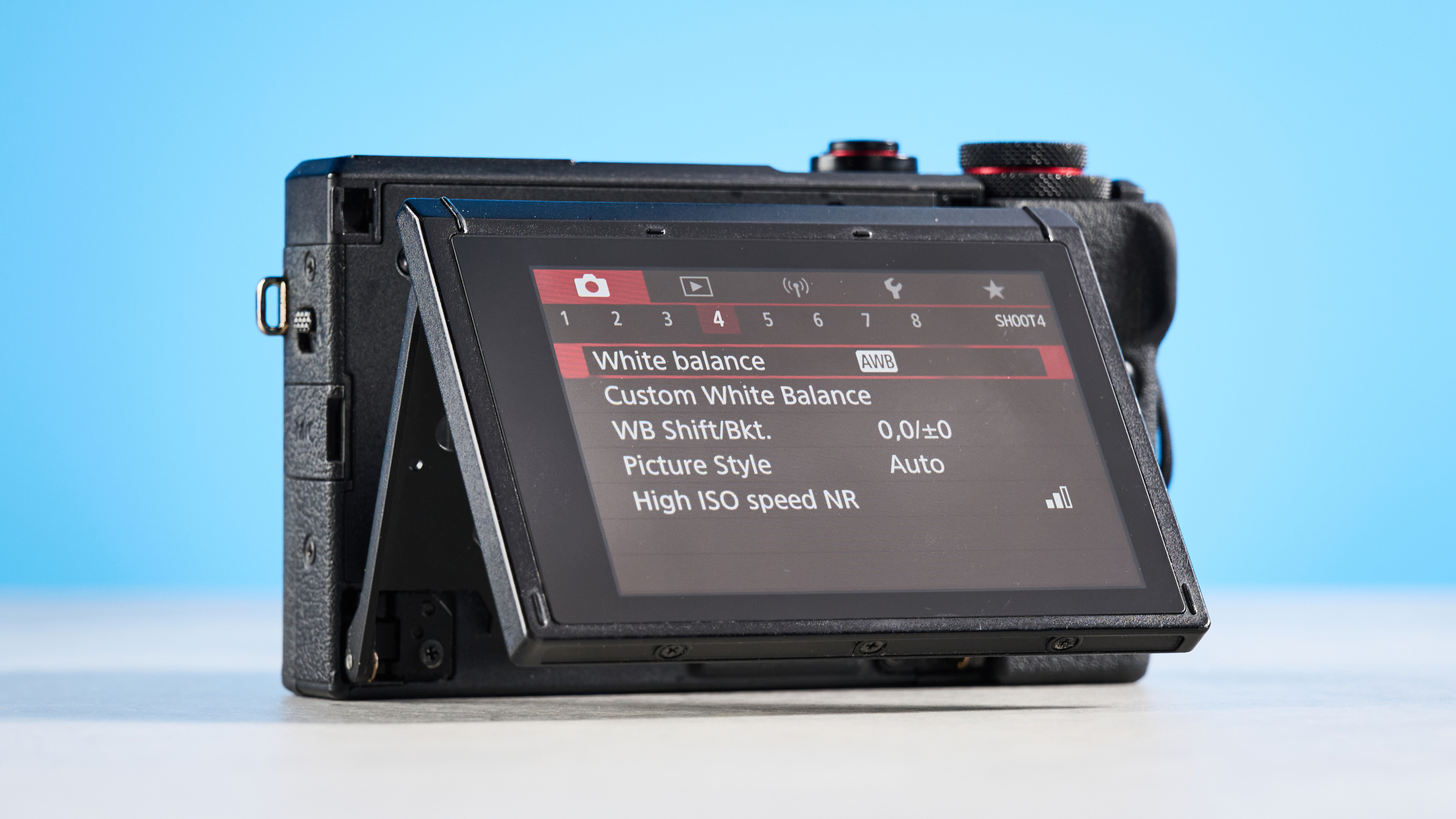
The DIGIC 8 processor might be an older generation compared to the latest mirrorless R-series cameras, but for a compact, it manages the color science beautifully. Canon’s "Skin Tone" rendering remains the best in the business, which is a major reason why this specific model became the "vlogger's darling."
The Investment: Price, Premium, and the Lottery System
Let’s talk numbers. At $1,299, Canon is asking for a substantial investment. For context, the standard model retails for $880. You are essentially paying a $419 premium for the exclusive finish, the Peak Design strap, the SD card, and the prestige of owning one of the few units produced.
To combat the rampant scalping seen in recent years with cameras like the Fujifilm X100VI, Canon has implemented a lottery system for the April 2026 release. Prospective buyers must register through official Canon Creators' channels for a chance to purchase. This "scarcity-driven pricing" ensures that the camera maintains its value on the secondary market, making it as much a collectible asset as it is a photographic tool.
Comparison: Standard vs. 30th Anniversary Edition
| Feature | Standard G7 X Mark III | 30th Anniversary Edition |
|---|---|---|
| Retail Price | $880 | $1,299 |
| Body Finish | Black / Silver | Graphite Metallic |
| Grip Texture | Standard Ridges | Diamond-Knurled |
| Included Strap | Basic Wrist Loop | Peak Design Cuff |
| Storage Included | None | 32GB SD Card |
| Availability | General Retail | Limited Lottery |
Why Compact Cameras are Trending: The TikTok Effect
You cannot discuss the PowerShot G7 X Mark III without mentioning its cultural impact. In 2024 and 2025, the "digicam" trend exploded on social media. Gen Z creators began ditching the over-sharpened, clinical look of smartphone photos for the "filmic" and "glowy" output of dedicated compacts.
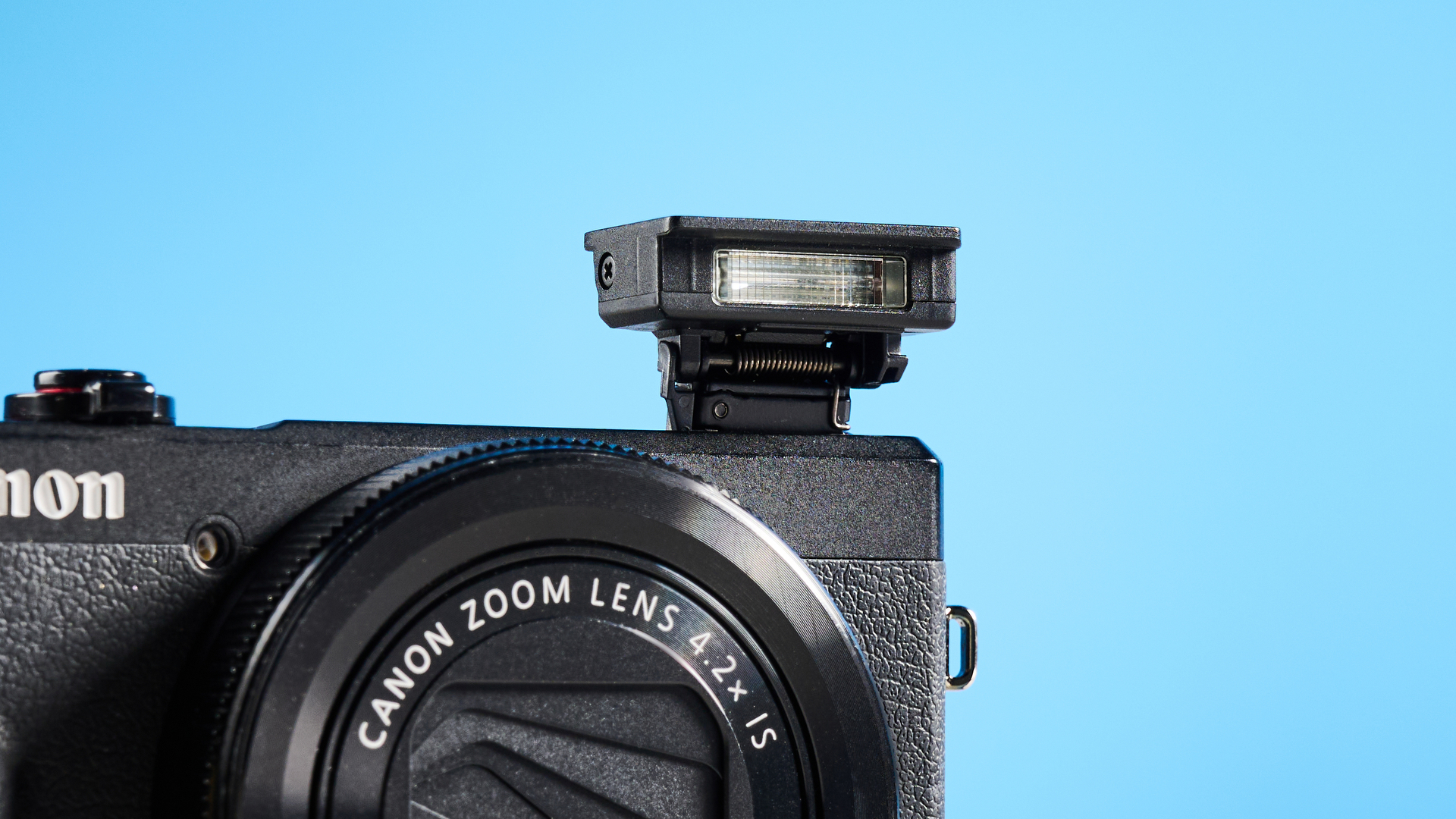
The Xenon gas flash is a secret weapon here. Unlike the LED "flash" on a phone, which is essentially just a bright flashlight, a real camera flash freezes motion instantly and creates that high-contrast, "paparazzi-chic" look that is currently dominating Instagram feeds.

Furthermore, the physical act of photography—turning a dial, feeling the click of a shutter, and framing a shot through a tilting screen—provides a "digital detox" experience. Using the 30th Anniversary PowerShot feels like a hobby, whereas taking a photo with a phone feels like a chore.
Alternatives: If You Can't Win the Canon Lottery
If you aren't lucky enough to win the purchase lottery, or if the $1,299 price tag is too steep for a 1-inch sensor, there are several high-performance alternatives in 2026:
- Sony ZV-1 II: The dedicated vlogging rival. It features a wider lens (18-50mm), which is better for handheld "talking head" shots, though it lacks the premium metal feel and the versatile zoom range of the Canon.
- Fujifilm X100VI: If you want a "status" camera and care more about photography than vlogging, this is the one. It features a much larger APS-C sensor, but it’s significantly bulkier and lacks a zoom lens.
- Ricoh GR III: The ultimate street photographer’s tool. It’s even smaller than the PowerShot and fits in a jeans pocket, but it has a fixed lens (no zoom) and no flip-out screen.
FAQ
Is the image quality significantly better than an iPhone 17 Pro? Yes, particularly in terms of "texture" and depth. While phones use AI to smooth out noise, the PowerShot's 1-inch sensor retains natural detail. The 24-100mm optical zoom also destroys any digital zoom a phone can offer.
Does it come with a global warranty? Limited edition models usually come with a standard 1-year manufacturer warranty, but "Anniversary" service perks often include a dedicated support line for registered owners.
Can I use it for professional YouTube work? Absolutely. With its 3.5mm mic input, uncropped 4K, and excellent "Face Tracking" autofocus, it remains one of the best "B-roll" or travel vlog cameras for professionals.
The Final Verdict
The Canon PowerShot G7 X Mark III 30th Anniversary Edition is the ultimate 2026 gift for the photographer who has everything. It is a masterclass in "aesthetic theater"—taking a proven, beloved piece of technology and elevating it to a luxury tier.
Is it "worth it" from a purely technical specs-per-dollar perspective? No. You could buy the standard model and a high-end lens for your mirrorless camera for the same price. But that’s not why you buy a limited edition. You buy it for the tactile joy of the graphite finish, the rarity of the "30th" logo, and the knowledge that you are carrying a piece of imaging history.