Our Top Picks
The Pixel 10 series represents the peak of Google's vision for ambient computing, yet persistent pixel phone issues in 2026 continue to mar what should be a flagship experience. While the software remains the cleanest on the market, the hardware reliability long term problems and inconsistent system stability make it a risky investment for those who value dependable performance over cutting-edge AI features.
Pixel phone issues in 2026, including critical battery drain and hardware failure, make the brand difficult to recommend for users prioritizing reliability over software features. If you are asking is google pixel worth buying in 2026, the current evidence suggests a significant number of users are finding the trade-offs increasingly difficult to justify.
Hardware Reliability: Beyond the Honeymoon Phase
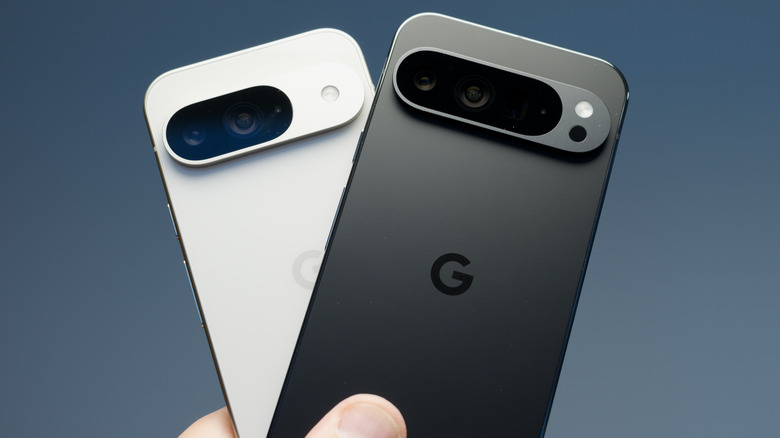
When we first unbox a device like the Pixel 10 Pro XL, the build quality feels premium. However, the history of Google hardware reliability long term problems has taught us that the real test begins six months into ownership. We have seen a troubling recurrence of manufacturing quality issues that once plagued earlier models. Reports of physical buttons falling off and power button failures are no longer isolated incidents but part of a documented pattern of manufacturing quality inconsistencies.
To address these concerns, Google has been forced to maintain various extended repair programs. These programs currently cover several generations of hardware, including:
- Pixel 7a and Pixel 7 Pro display flickering and power connectivity issues.
- Pixel 8 series screen "pink line" defects.
- Pixel 9 Pro XL battery charging and wireless coil alignment.
- Pixel 10 series haptic motor failures and screen dimming inconsistencies.
Despite these efforts, the gap between Google and its flagship competition remains wide. A 2024 survey of 10,000 smartphone users revealed that 57% of Google Pixel owners in the United States plan to switch to a different brand for their next device. This trend suggests that while the initial software experience is enticing, the long-term physical durability is driving a mass exodus. We frequently see google pixel 7 issues regarding the camera glass shattering spontaneously still being discussed by long-term owners who feel burned by the brand's iterative quality control failures.
Software Update Chaos: The Android 17 Experience
The promise of the Pixel has always been first-day access to the latest Android 17 features. However, the June 16, 2026, update has proven to be a double-edged sword. While it introduced sophisticated AI capabilities, it also brought a wave of google pixel issues after update 2026 that have rendered some devices nearly unusable.
The most egregious problem is a Google Play Services bug affecting everything from the Pixel 6 to the latest Pixel 10. A specific system_server process has been found to sustain 100% CPU usage on a single core, which effectively prevents the device from entering its low-power Deep Doze state. The result is a catastrophic pixel 10 pro xl battery drain April 2026 experience where users see their battery life drop by 30% per hour even when the phone is sitting idle on a desk.
In addition to the power drain, we have documented several google pixel problems with phone calls that undermine the device's primary function:
- The Ghost Call bug: Users receive notifications for calls that never actually arrived.
- The Missed Call bug: The phone fails to ring or light up, sending callers straight to voicemail despite perfect signal strength.
- Bluetooth regression: Connection drops in vehicles are becoming a daily occurrence for those on the latest firmware.
- Animation stutter: Significant frame rate drops in the notification shade, particularly when AI-generated summaries are loading.
These persistent system stability updates have caused battery life to decrease by 40% to 50% on affected devices. This level of instability is rare in the ecosystems provided by Apple or Samsung, contributing to the 23% higher rate of dissatisfaction reported by Pixel users.
The Tensor G5 Barrier: Performance vs. Price
With the shift to TSMC’s manufacturing process, the Tensor G5 chip was supposed to finally close the gap with the flagship competition. While it handles computational photography prowess with ease, heavy users are hitting what we call the Performance Wall. In gaming and intensive video editing, the Tensor processor still struggles with thermal management compared to the Snapdragon 8 Gen 5.
| Feature | Pixel 10 Pro (Tensor G5) | Samsung S26 Ultra (SD 8 Gen 5) | iPhone 17 Pro (A19 Bionic) |
|---|---|---|---|
| Peak Performance | Competitive | Superior | Industry Leading |
| Sustained Thermal | Throttles after 15 mins | Stable for 45 mins | Stable for 60 mins |
| Modem Efficiency | Improved | Best in Class | Excellent |
| AI Integration | System-Deep | Per-App Basis | Privacy-Focused |
Further frustrating the loyal fanbase is the question of why are pixel features missing on older models. Even though the architecture of the Tensor G4 and G5 shares many similarities, Google continues to gatekeep software-based AI features to the newest flagship. This artificial segmentation suggests that device longevity is not Google's priority, as they would rather push a hardware upgrade than optimize the software for their existing user base.
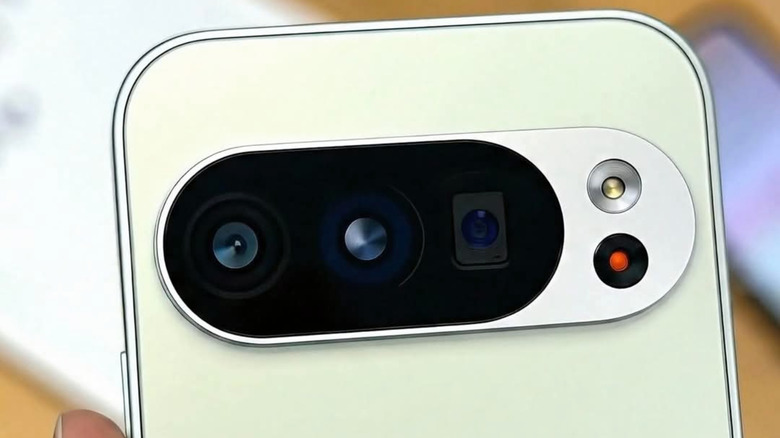
The Service Pipeline Failure: 22-Day Wait Times
Buying a premium phone is as much about the after-sales support as it is about the specs. Unfortunately, google pixel after sales service reviews continue to be a major deterrent. While Samsung and Apple have robust physical networks for same-day repairs, Google users often find themselves in a logistical nightmare.
The current customer support experience often involves a 22-day turnaround time from the moment a device is picked up for repair to the moment it is returned. During this period, users are often left without a loaner device, creating a significant disruption for professionals. We have also heard countless stories of users struggling to get the company to honor standard warranty claims, with support agents blaming software bugs for hardware defects like failing haptic engines or delaminating screens. This friction point is one of the primary google pixel phone issues driving owners away toward brands with more established service infrastructures.
Troubleshooting: How to Fix Common 2026 Pixel Bugs
If you are currently experiencing these issues and aren't ready to switch to a different brand yet, there are a few community-sourced fixes that can help stabilize your experience. These aren't permanent solutions from Google, but they can bridge the gap until the next system stability updates are released.
- The Super Hard Reboot: If your device is experiencing extreme lag or the system server bug, hold the Power and Volume Up buttons for a full 45 seconds. This forces a more comprehensive hardware-level reset than a standard restart.
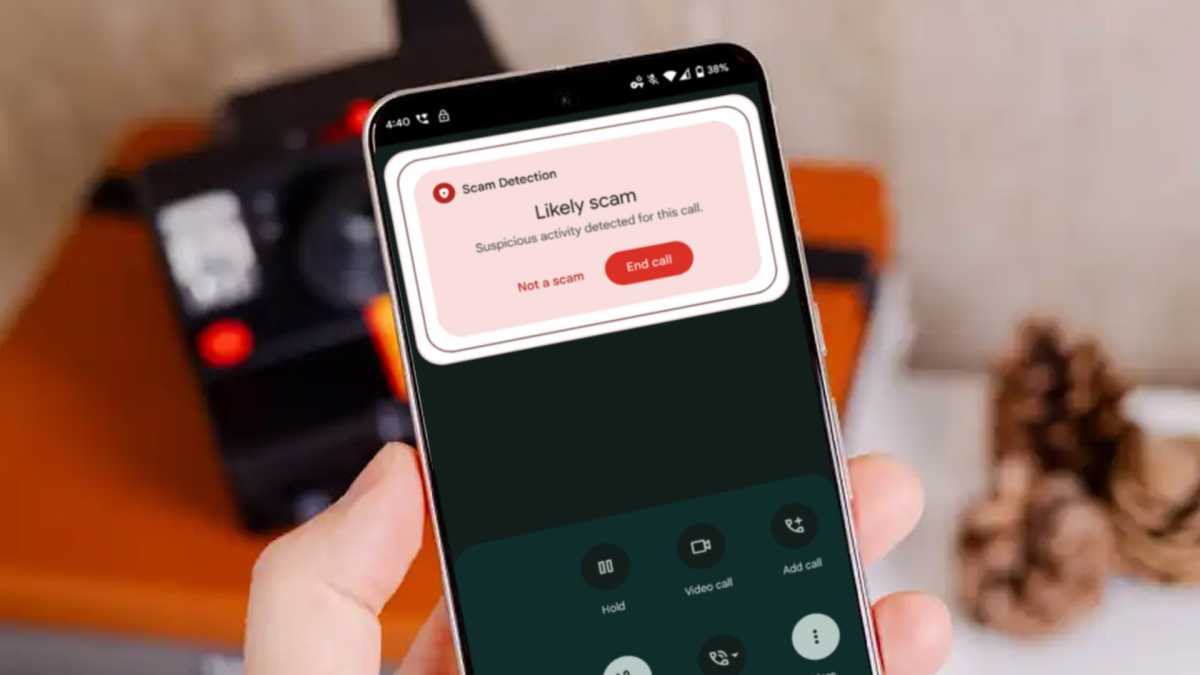
- Disabling Scam Detection: To address the google pixel issues after update involving missed calls and audio glitches, go to the Phone app settings and disable AI Scam Detection. It appears the real-time processing of callers is interfering with the call handshake in Android 17.
- The pixel phone camera processing loop fix: If your camera fails to save photos or gets stuck in a processing loop, clear the cache and storage for the Camera app and the Photos app simultaneously. Ensure you back up your local photos first.
- Battery Optimization: To mitigate the pixel 10 pro xl battery drain April 2026 bug, disable "Allow background data" for Google Play Services temporarily, though this may impact some notifications.
FAQ
Is there a problem with Google Pixel phones?
Yes, many users report recurring problems ranging from hardware vulnerabilities like buttons falling off to severe software bugs following major updates. These reliability issues have led to lower brand loyalty compared to competitors like Apple and Samsung.
Are Pixel phones having issues today?
As of 2026, many Pixel users are struggling with a specific battery drain issue linked to the system server and high CPU usage. Additionally, hardware defects in the screen and power buttons have prompted Google to launch several extended repair programs.
What is the lifespan of a Google Pixel phone?
While Google promises seven years of software updates, the physical hardware reliability often falls short of that timeframe. Many users find the battery health and physical build quality begin to degrade significantly after two to three years of heavy use.
Why don't people use Google Pixel?
The primary deterrents are a lack of physical service centers and inconsistent hardware quality. Many potential buyers are also wary of the recurring bugs that tend to follow Google's frequent software updates, which can impact core phone functions like making calls.
Why are Pixel phones not popular?
Despite their excellent cameras, Pixel phones struggle with a reputation for being buggy. This, combined with a 57% abandonment rate among current owners and a perceived lack of long-term support compared to Apple's retail presence, makes it difficult for Google to gain significant market share.
The Sarah Zhang Verdict
Throughout my career, I have wanted the Pixel to be the default recommendation for anyone wanting the "best" Android experience. But in 2026, it is getting harder to ignore the data. When over half of your users are looking for an exit strategy, the problem isn't the marketing—it's the product integrity.
Is google pixel worth buying in 2026? If you are a photography enthusiast who doesn't mind the occasional troubleshooting session and has a backup phone ready for those 22-day repair windows, the Pixel 10 Pro XL remains a joy to use when it works. But for the average consumer who needs a tool that simply functions every time they pick it up, the S26 Ultra or the iPhone 17 Pro provide a level of reliability that Google hasn't yet mastered. The Stock Android UI is beautiful, but a beautiful UI doesn't matter much when your phone is burning through 30% of its battery while sitting in your pocket.