Our Top Picks
The Trump Mobile T1 is a difficult device to recommend for most users in 2026. While it offers a decent 6.78-inch AMOLED display and a functional 3.5mm headphone jack, it is essentially a rebranded mid-range phone from 2024 being sold at a premium price. Given the significant tech performance gap and the looming security risks, consumers are better off looking at established budget flagships like the Google Pixel 10A or the Samsung Galaxy S25 FE.
The trump phone has finally arrived, but early tech reviews are anything but glowing. While marketed as a patriotic flagship, independent analysis reveals a mid-range HTC clone under the hood that struggles to keep up with contemporary 2026 standards.
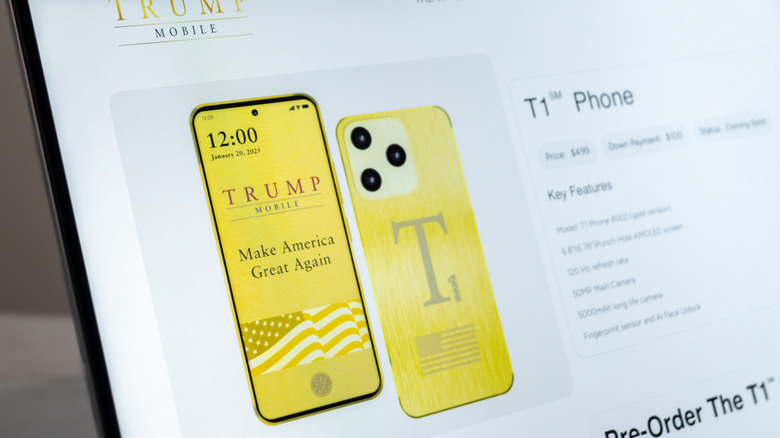
The Rebranding Scandal: Is It Truly "Made in USA"?
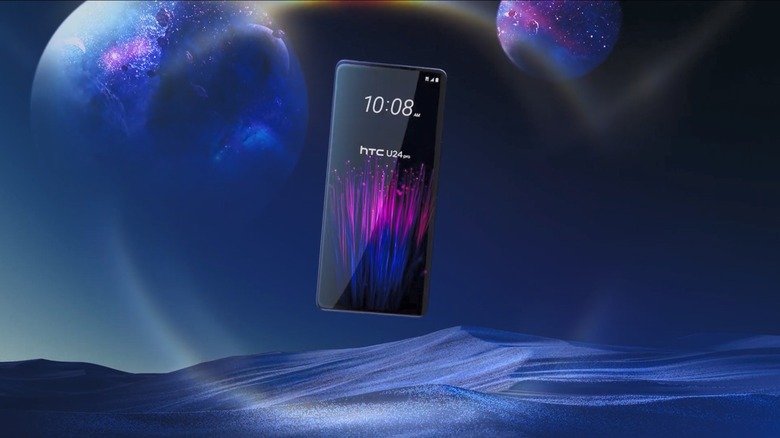
The most significant controversy surrounding the trump phone involves its origin. Marketing materials heavily suggest a device born and bred in American factories, targeting a consumer base that values domestic manufacturing. However, a recent iFixit teardown has pulled back the curtain, revealing that the device is almost certainly a white-labeled version of the HTC U24 Pro, a Taiwanese smartphone originally released in 2024.
Analysts have noted that the internal components, chassis shape, and even the specific layout of the camera array are identical to the HTC model. This suggests that the device was not designed from the ground up in the United States, but rather purchased as a base model from a Taiwanese original design manufacturer (ODM) and rebranded for the American market.
Marketing vs. Reality
- Marketing Claim: A revolutionary American-made flagship.
- Reality: Technical forensics show near-identical internals to the HTC U24 Pro, an older Taiwanese device.
- Marketing Claim: High-end performance for the modern patriot.
- Reality: Hardware analysis revealed that the $499 Trump Mobile T1 utilizes a 5,000mAh battery with 30W charging speeds, which is a lower charging capacity than the 60W supported by the original HTC device.
- Marketing Claim: Built for those who demand the best build quality.
- Reality: "Assembled in USA" stickers appear on boxes, but the core PCB and display panels are sourced from the same international supply chains as other mid-range providers.
Performance Benchmarks: 2026 Price, 2022 Speed
In the fast-paced world of mobile technology, a two-year-old processor is ancient. The trump phone relies on the Qualcomm Snapdragon 7 Gen 3. While this was a respectable mid-range chip a few years ago, it feels sluggish compared to the hardware found in the Google Pixel 10A and other 2026 competitors.
Synthetic benchmarks tell a sobering story. On Geekbench 6, the T1 struggles to crack a single-core score of 1,200, whereas the latest Google and Samsung budget entries are regularly clearing the 1,800 mark. This isn't just about numbers on a screen; it translates to slower app launches, more frequent stuttering in multi-tasking, and a general lack of the "snappiness" users expect from a $499 device.
Battery performance also leaves much to be desired. Despite having a large 5,000-mAh cell, the efficiency of the older Snapdragon chip doesn't match current standards. In technical reviews, the T1's battery level dropped to 78% during a three-hour YouTube stress test, trailing significantly behind the iPhone 17 which maintained a level of 89% in the same test.
| Feature | Trump Mobile T1 | Google Pixel 10A (2026) |
|---|---|---|
| Processor | Snapdragon 7 Gen 3 | Tensor G5 |
| Display | 6.78-inch AMOLED | 6.1-inch Actua Display |
| Geekbench 6 (Single) | ~1,195 | ~1,850+ |
| Charging Speed | 30W Wired | 27W Wired / 18W Wireless |
| Battery Life (Stress Test) | 78% remaining | 86% remaining |
| Headphone Jack | Yes | No |
These Trump Mobile T1 specs are simply not competitive in today's market, especially when 600,000 customers reportedly paid a $100 deposit to preorder the device expecting top-tier performance as of May 2026.
Design & Build Quality: Flag Faux Pas and Watermarks
Physically, the device has a weight that feels substantial, but several design choices have drawn the ire of critics. One of the more embarrassing oversight involves the graphic on the chassis. The embossed American flag on the back panel features only 11 stripes instead of the standard 13. While seemingly a minor aesthetic detail, for a device sold on the premise of American pride, it is a glaring error in Trump T1 phone build quality and design flaws.
The camera experience is another area where the software choices feel intrusive. The 50-megapixel primary sensor is capable of taking decent shots in bright daylight, but the color accuracy is poor, often oversaturating reds and yellows. More frustrating for many users is the default T1 watermark that appears in the bottom corner of every photo. While it can be turned off in the settings, having it enabled out of the box feels more like a branding exercise than a user-centric feature.
One bright spot in the hardware design is the inclusion of a 3.5mm headphone jack. In an era where almost every major manufacturer has abandoned the port, it's a welcome addition for those who prefer wired audio without the need for dongles. However, this single feature isn't enough to distract from the outdated chassis and erratic software.
Security Alert: Privacy Risks and Data Leaks
The biggest deal-breaker for many tech-savvy observers isn't the hardware, but the security profile of the device. Trust is paramount when it comes to the devices that hold our emails, bank details, and private conversations. Unfortunately, the Trump Mobile T1 has already tripped at the starting line.
Security Warning: Data Privacy at Risk
Prior to the physical release of the device, a database leak from the official Trump Mobile website reportedly exposed the personal details of approximately 27,000 potential buyers. This breach raises serious questions about the backend infrastructure guarding user data. Furthermore, there is a total lack of transparency regarding the software support lifespan and the frequency of future security updates for TrumpOS.
The operating system, dubbed TrumpOS, is essentially a skin over stock Android. While it features deep Truth Social integration and proprietary widgets, there is no public commitment to how long the device will receive Android security patches. In a world of evolving digital threats, using a phone without a clear update roadmap is a significant risk. These Trump Mobile T1 security risks and data privacy concerns should be the primary consideration for any security-conscious consumer.
FAQ
Who makes the Trump phone?
While the device is marketed by Trump Mobile, a US-based entity, hardware teardowns from organizations like iFixit indicate the phone is produced by HTC, a company based in Taiwan. It is a white-labeled product where the internal components and chassis of the HTC U24 Pro are used with different branding for the US market.
What phone is the Trump phone?
The trump phone (specifically the T1 model) is a mid-range smartphone based on the HTC U24 Pro. It features a Snapdragon 7 Gen 3 processor, a 6.78-inch AMOLED screen, and a 5,000-mAh battery. It runs on TrumpOS, which is a customized version of the Android operating system with custom integrations for apps like Truth Social.
Does the Trump phone exist yet?
Yes, the device is currently shipping to customers. As of May 2026, hundreds of thousands of preorders have been processed, and the phone is in the hands of early adopters and tech reviewers, despite the various controversies surrounding its specs and origin.
What happened to Trump's mobile phone?
The development of the phone was marked by several delays and a data breach that leaked information regarding 27,000 early interested buyers. Since its release, it has faced criticism for using outdated 2024 hardware in a 2026 market and for design errors like the 11-stripe flag.
The Trump Mobile T1 is a case study in why savvy tech buyers should look past the marketing. While the phone functions as a basic communication tool, the combination of older hardware, questionable manufacturing claims, and a shaky security history makes it a poor value proposition for $499. For those who need a reliable, secure, and modern smartphone, the current landscape offers much better alternatives that don't come with the T1's baggage.