Our Top Picks
- Overall Winner: Meta Quest 3 ($599) – The gold standard balancing high-resolution Mixed Reality (MR) with standalone power.
- Best Productivity: Apple Vision Pro (M5) ($3,499) – Unmatched display density and spatial computing for work and movies.
- Best Budget: Meta Quest 3S ($299) – The most accessible entry point for those new to immersive ecosystems.
- Best PC/Racing: Pimax Crystal Super ($1,799+) – Extreme clarity with 50 PPD for professional-grade simulators.
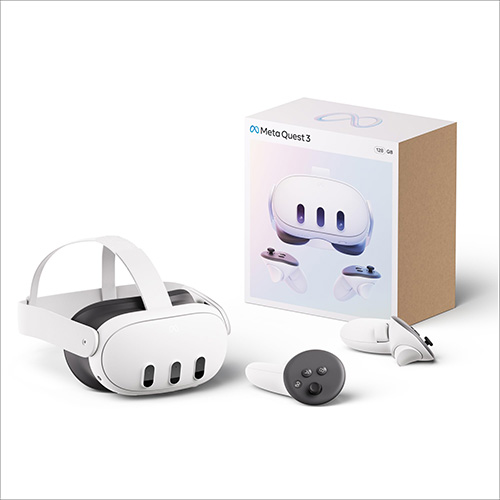
The Meta Quest 3 remains the best vr headset 2026 for most users, balancing a high-resolution display with powerful standalone performance. It features a Qualcomm Snapdragon XR2 processor and color pass-through cameras that enable high-quality mixed reality experiences, making it suitable for both immersive gaming and general spatial computing.
The State of VR in 2026: Market Evolution
The virtual reality landscape has shifted from a niche gaming hobby into a ubiquitous tool for entertainment and work. By the end of this year, the global virtual reality market is projected to reach approximately $26.71 billion in 2026, marking a significant 28.2% increase from just a year ago. We are no longer talking about "early adopters" anymore; the number of virtual reality users worldwide is estimated to reach 216 million by the end of 2026, up from 171 million in 2025.
Technologically, the industry has standardized Pancake Lenses to keep devices slim and light, almost entirely retiring the older, bulkier Fresnel lens designs in mid-to-high-end hardware. Meta continues to be the dominant force, holding an estimated 80% of global sales volume thanks to its aggressive hardware subsidies and robust software library. If you have been browsing best vr headset 2026 reddit threads, you have likely seen users debating whether standalone units or tethered PC headsets offer the better value—the answer in 2026 is almost always a hybrid approach.
| Model | Primary Use | Display Type | Weight | Launch Price |
|---|---|---|---|---|
| Meta Quest 3 | All-rounder | LCD / Pancake | 515g | $599 |
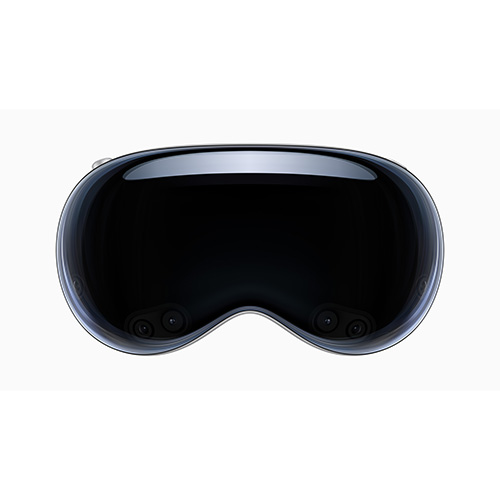
| Apple Vision Pro (M5) | Productivity | Micro-OLED | 600g | $3,499 |
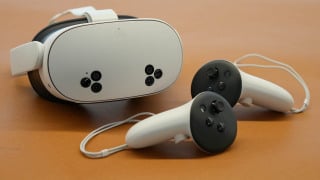
| Meta Quest 3S | Budget Gaming | LCD / Fresnel | 510g | $299 |
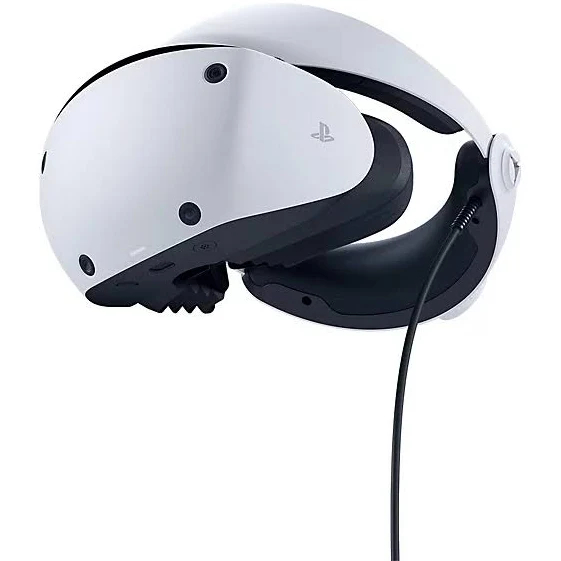
| PlayStation VR2 | Console | OLED / Fresnel | 560g | $549 |
| Pimax Crystal Super | Sim Racing | QLED / Micro-OLED | 850g | $1,799 |
1. Best Overall & Standalone: Meta Quest 3
Entering its third year on the market, the Meta Quest 3 has solidified its status as the most versatile device available. While newer models have arrived, the combination of the Snapdragon XR2 Gen 2 chip and its refined optics makes it the best standalone vr headset 2026 for the average consumer. Its color pass-through is sharp enough to read your phone screen or watch television in your physical room while you interact with virtual windows.
The real magic is in the Mixed Reality (MR) capabilities. Unlike older headsets that felt like goggles, the Quest 3 uses its sensors to map your room effortlessly. This allows for tabletop gaming and home fitness apps that feel grounded in reality. The transition from pure VR to MR has been the biggest change in 2026, and Meta leads the pack in making this tech accessible.
Buy it if
- You want a huge library of games without needing a PC.
- You are interested in Mixed Reality (MR) fitness and utility apps.
- You value a balanced weight distribution for long sessions.
Don't buy it if
- You only care about the absolute highest fidelity PC simulators.
- You find the stock head strap uncomfortable (it usually requires an upgrade).
2. Best for Productivity: Apple Vision Pro (M5)
Wait for the upgrade was worth it. The 2026 Apple Vision Pro (M5) has corrected many of the weight and tethering complaints of the original. It remains the best vr headset for work and productivity 2026 because of its deep integration with the visionOS Ecosystem. If you use a Mac, the ability to simply look at your laptop screen and expand it into a 100-foot virtual workspace is transformative.
With over 23 million pixels across dual Micro-OLED Displays, the text legibility is indistinguishable from a physical 4K monitor. It is also the best vr headset for movies, offering a dedicated Cinema Mode that perfectly replicates the contrast and scale of an IMAX theater. While it carries a "Pro" price tag, for many professionals, it has successfully replaced a multi-monitor desk setup.
Buy it if
- You spend hours working in a digital environment.
- You are deeply embedded in the Apple ecosystem.
- You want the highest resolution available for media consumption.
Don't buy it if
- You are a hardcore VR gamer (the gaming library is still limited).
- You are on a budget ($3,499 is a heavy investment).
3. Best Value Entry Point: Meta Quest 3S
If the higher price points are a deterrent, the Meta Quest 3S is the savior of the budget market. By using older Fresnel lenses and a slightly lower resolution, Meta managed to bring the core Mix Reality (MR) experience to the $299 price point. It uses the same Snapdragon XR2 processor as its bigger brother, meaning it can play every game in the Quest store with the same performance.
For families or newcomers, this is the best budget vr headset 2026. It doesn't feel like a "cheap" version because the software experience is identical to the premium models. You still get inside-out tracking and the same excellent Touch Plus controllers.
Buy it if
- This is your first time trying VR or MR.
- You are buying multiple headsets for a household.
- You don't mind a slightly thicker headset design.
Don't buy it if
- You want the "sweet spot" clarity of Pancake lenses.
- You are sensitive to lower-resolution displays.
4. Best Console Gaming: Sony PlayStation VR2
For those who already own a PS5, the Sony PlayStation VR2 remains the most frictionless way to enjoy high-end gaming. Its use of Eye-Tracking allows for Foveated Rendering, which concentrates graphical power exactly where you are looking. This allows the PS5 to punch above its weight class, delivering visuals that rival high-end PCs.
The Haptic Feedback in both the controllers and the headset itself provides a level of immersion you won't find on other platforms. Feeling the "rumble" of a car hit the wall in Gran Turismo 7 is an experience unique to this hardware. While it is a tethered device, the single-cable setup is a fair trade for the power it provides.
Buy it if
- You own a PS5 and want a plug-and-play AAA gaming experience.
- You love driving or flight sims with deep haptic feedback.
- You want the deep blacks and vibrant colors of an OLED screen.
Don't buy it if
- You want a wireless experience.
- You are looking for a device that works independently of a console.
5-7. High-Fidelity PC VR: Pimax & HTC
Enthusiasts who demand the ultimate performance still turn to tethered setups. The Pimax Crystal Super has taken the crown for the best vr headset for sim racing 2026. With an incredible degree of PPD (Pixels Per Degree), you can see distant apexes on a race track or read tiny dials in a cockpit with perfect clarity. It supports interchangeable optical engines, allowing users to switch between QLED and Micro-OLED panels.
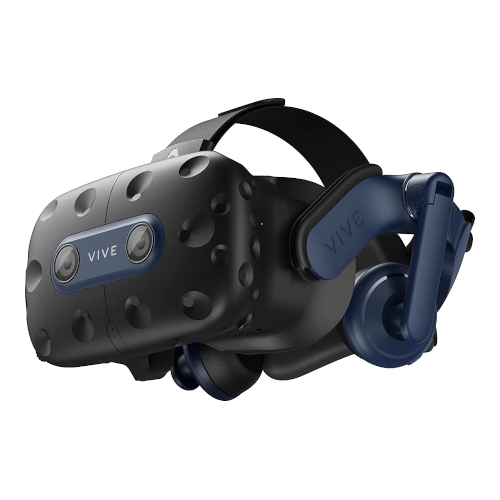
Meanwhile, the HTC Vive Pro 2 remains a staple for those who invested in the lighthouse tracking system. While the Valve Index has officially been discontinued to make way for new projects, the Vive Pro 2 maintains SteamVR Compatibility that is favored by the "VRChat" and "Beat Saber" professional communities. These headsets offer a wider Field of View (FOV) than standalone units, which is crucial for peripheral immersion.
Buy it if
- You have a high-end PC with an RTX 50-series card.
- You are a competitive sim-racer or flight-sim pilot.
- You need the precision of external SteamVR tracking.
Don't buy it if
- You hate cables and complicated software setups.
- You want a portable device for travel.
8-10. Enterprise & New Entries: PICO 4 Ultra & Samsung Galaxy XR
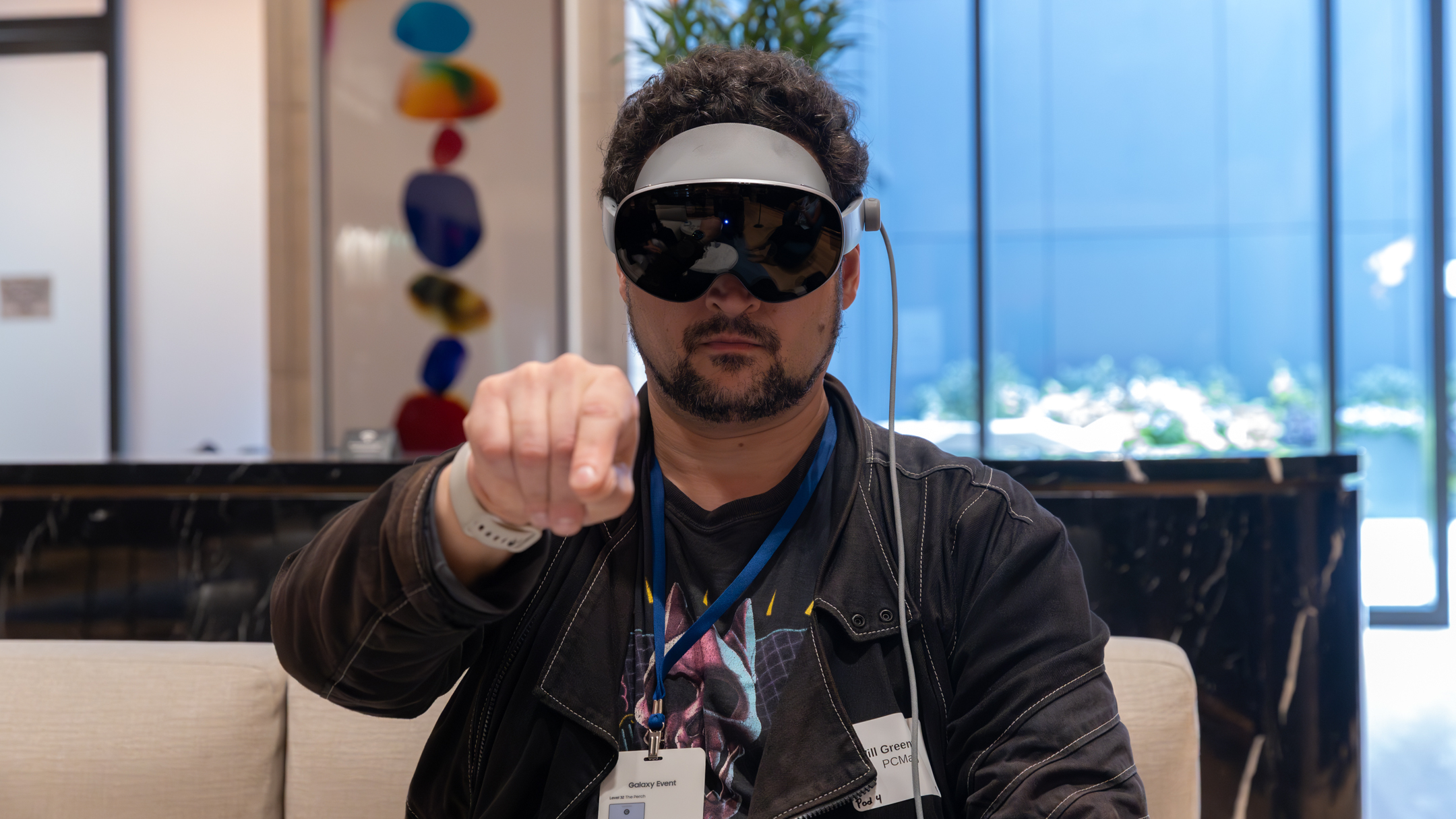
The 2026 market has been invigorated by the Samsung Galaxy XR. This device aims to bridge the gap between Meta's gaming focus and Apple's productivity focus. Running on an Android-based XR platform, it promises a more open ecosystem for developers. It is one of the most exciting upcoming vr headsets 2026 for those who want an alternative to the Meta-Apple duopoly.
The PICO 4 Ultra remains a strong contender in the enterprise space. With 12GB of RAM and enhanced durability, it is often the preferred choice for training simulations and large-scale business deployments. Its balanced design, with the battery placed at the back of the head strap, makes it one of the most comfortable headsets for extended wear in professional environments.
Future Horizon: Upcoming Releases to Watch
Looking ahead, all eyes are on the Valve Steam Frame, rumored for a Summer 2026 release. It is expected to be a wireless-first PC VR headset that leverages a "deck-like" computing puck to offer high-fidelity SteamVR Compatibility without a tether. Additionally, Meta Connect 2026 (Sept 23-24) is likely to reveal the first glimpses of a "Quest Pro 2," which will likely push the boundaries of Spatial Computing even further.
Buying Guide: Decoding 2026 VR Specs
When shopping for the best vr headset 2026, don't get lost in the marketing jargon. Here are the three specs that actually matter for your experience:
- PPD (Pixels Per Degree): This is the real measure of "sharpness." While total resolution matters, PPD tells you how densely those pixels are packed. Apple Vision Pro leads with over 40 PPD, while the Quest 3 sits around 25 PPD.
- Foveated Rendering: This technology uses eye-tracking to lower the resolution in your peripheral vision, freeing up power for where you are actually looking. It is essential for high-end gaming in 2026.
- IPD Adjustment: Inter-Pupillary Distance is the space between your eyes. Ensure your chosen headset has a mechanical adjustment to align the lenses with your pupils, or you will suffer from eye strain and headaches.
FAQ
What is the best VR of 2026?
The best VR headset for most people is currently the Meta Quest 3 because it offers the most complete package of wireless freedom, mixed reality features, and a massive app library for a reasonable price. For those specializing in work or high-end media, the Apple Vision Pro (M5) is the superior technical choice.
Is VR still worth it in 2026?
Yes, VR is more worth it now than ever before. In 2026, the technology has moved past the "gimmick" stage, with comfort levels significantly improved and software libraries now including everything from AAA games to professional productivity tools and live social events.
What VR headsets are coming out in 2026?
Major releases for 2026 include the Samsung Galaxy XR and the highly anticipated Valve Steam Frame. We also expect mid-cycle refreshes from PICO and potentially a new enterprise-focused headset from Sony aimed at the simulation market.
What is the #1 VR headset?
Based on sales volume, user satisfaction, and software support, the Meta Quest 3 is the #1 headset globally. It holds the largest market share and receives the most frequent feature updates, ensuring it stays relevant even as newer hardware enters the market.
Is VR dying or growing?
VR is experiencing rapid growth, not decline. With the market projected to hit nearly $27 billion this year and user numbers surpassing 200 million, the industry has transitioned into a stable growth phase driven by the expansion of Mixed Reality and Spatial Computing applications.