To the casual traveler gazing through a terminal window, the Boeing name is a monolith. It is the silver fuselage of the 737 waiting at the gate or the soaring silhouette of a 787 Dreamliner taxiing toward the runway. But look closer at the ecosystem of modern flight, and you will find that the "Blue Logo" is merely the tip of a vast, interconnected iceberg.
Boeing has evolved from its humble 1916 origins in a Seattle boathouse—then known as Pacific Aero Products Co.—into a global aerospace conglomerate that effectively dictates the pulse of both commercial and military aviation. Much of this dominance isn't just built in-house; it is acquired. To understand the future of how we move across the planet, one must look at the "Hidden Empire." Today, Boeing’s reach is sustained by high-profile subsidiaries including Insitu (uncrewed surveillance), Wisk Aero (autonomous air taxis), Aurora Flight Sciences (experimental research), and the newly reintegrated Spirit AeroSystems (aerostructures).
The modern iteration of this empire was truly forged in 1997 during the historic merger with McDonnell Douglas, a move that combined two industry titans and gave Boeing the industrial muscle to dominate the 21st-century sky.
1. Wisk Aero: The Future of Urban Mobility
In the world of aerospace, the "last mile" has always been the hardest to solve. While Boeing has mastered the art of transcontinental flight, the challenge of navigating dense urban environments remained elusive until the acquisition of Wisk Aero. Originally a joint venture with Kitty Hawk Corp, Wisk became a wholly-owned Boeing subsidiary in 2023, marking Boeing’s aggressive entry into the Urban Air Mobility (UAM) sector.
Wisk isn't just building another helicopter; they are developing the world's first self-flying, all-electric four-passenger air taxi. This is the "Generation 6" aircraft, a marvel of modern engineering designed to bypass gridlocked city streets. Unlike traditional aircraft that require a pilot in the cockpit, Wisk’s fleet operates using autonomous software overseen by human supervisors on the ground.
| Feature | Specification |
|---|---|
| Aircraft Type | Electric Vertical Take-Off and Landing (eVTOL) |
| Capacity | 4 Passengers |
| Cruise Altitude | 2,500 – 4,000 feet |
| Range | 90 miles (with reserves) |
| Speed | ~120 knots (138 mph) |
The strategic value for Boeing is clear: by owning Wisk, they aren't just selling a vehicle; they are pioneering a new air traffic management ecosystem. As our cities grow more congested, the "geography" of travel is shifting upward, and Wisk is Boeing’s ticket to owning that vertical space.
2. Aurora Flight Sciences: Pushing the Limits of Flight
If Boeing’s commercial division is the heart of the company, Aurora Flight Sciences is its imagination. Founded in 1989 by MIT graduate John S. Langford and acquired by Boeing in 2017, Aurora operates as an independent subsidiary focused on the "impossible" frontiers of aviation.
Aurora specializes in autonomous systems, electric propulsion, and high-altitude long-endurance (HALE) aircraft. They are the team Boeing calls when they need to test radical new wing designs or solar-powered propulsion that could theoretically keep a plane in the air for years at a time.
One of the most staggering testaments to Aurora’s engineering prowess is the Perseus B, which holds a record altitude of 60,620 feet for a single-engine, propeller-driven aircraft.
Their work extends beyond our atmosphere as well. Aurora has been a key player in developing experimental crafts for DARPA and even Mars exploration concepts. By keeping Aurora as a subsidiary rather than absorbing it entirely, Boeing allows this "skunkworks" style environment to thrive, ensuring that the next breakthrough in flight physics happens under their roof.
3. Spirit AeroSystems: Reclaiming the Backbone
The relationship between Boeing and Spirit AeroSystems is perhaps the most complex "prodigal son" story in corporate history. For decades, the Wichita, Kansas plant was a core part of Boeing. However, in 2005, Boeing spun off its Wichita division to private equity, creating Spirit AeroSystems as an independent supplier.
For nearly 20 years, Spirit functioned as the primary manufacturer of fuselages for the 737 and 787 programs. However, following a series of quality control challenges and a need for tighter supply chain integration, Boeing officially announced the reacquisition of Spirit AeroSystems in 2024.
This $4.7 billion deal is a "reintegration" in the truest sense. It brings the manufacturing of the aircraft's "skeleton" back under Boeing’s direct supervision. The acquisition also includes Spirit’s significant operations in Belfast, Northern Ireland (formerly Short Brothers), giving Boeing a major industrial foothold in the UK.
- Impact on Production: Reclaiming Spirit allows Boeing to standardize safety protocols and streamline the assembly of the 737 MAX.
- Global Reach: With Spirit back in the fold, Boeing gains advanced composite manufacturing capabilities used for both its own jets and components for competitors like Airbus (though those contracts remain a point of delicate negotiation).
- Legacy: This move signals a shift away from "outsourced" manufacturing back to a model of vertical integration.
4. Insitu: The Unseen Eyes in the Sky
While Boeing is a household name for its massive 747s, one of its most vital subsidiaries operates almost entirely out of the public eye. Insitu, founded in 1994 and acquired by Boeing in 2008, is a pioneer in the world of Uncrewed Aerial Vehicles (UAVs).
Long before "drones" were a common consumer hobby, Insitu was perfecting the art of long-range, uncrewed surveillance. In 1998, their Laperouse aircraft made history as the first uncrewed aircraft to cross the North Atlantic. Today, Insitu’s platforms like the ScanEagle and the Integrator are the workhorses of maritime and land-based reconnaissance.
Key Insitu Platforms:
- ScanEagle: A low-cost, long-endurance UAV that can be launched from a catapult, making it ideal for ships at sea.
- RQ-21A Blackjack: A more advanced system used by the U.S. Navy and Marine Corps for persistent maritime surveillance.
- Integrator VTOL: A newer variant that combines the long-range endurance of a fixed-wing plane with the vertical takeoff capability of a helicopter.
For Boeing, Insitu represents the "intelligence" wing of the empire. These aren't just planes; they are data-gathering sensors that provide real-time battlefield and environmental awareness, proving that Boeing’s reach extends from the passenger cabin to the tactical edge.

5. McDonnell Douglas: The Merger That Defined a Giant
While technically a "merger of equals," the 1997 union between Boeing and McDonnell Douglas was essentially an acquisition that fundamentally changed the DNA of Boeing. To understand the scale of what Boeing absorbed, one only has to look at the history of the Douglas Aircraft Company.
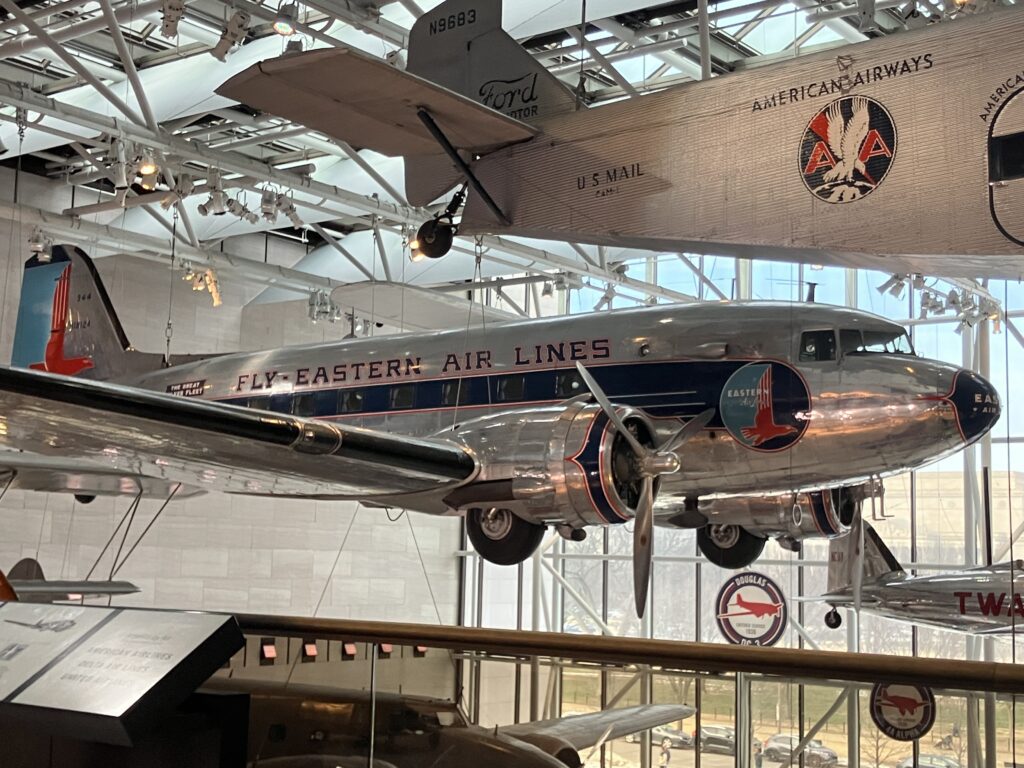
During the height of World War II, Douglas Aircraft produced approximately 16.7% of the total United States airborne fleet, including the legendary C-47 Skytrain and the SBD Dauntless.
By bringing McDonnell Douglas into the fold, Boeing didn't just eliminate its biggest domestic rival; it inherited a massive defense portfolio and a commercial legacy that included the DC series and the MD-80s. Iconic aircraft like the F/A-18 Super Hornet and the C-17 Globemaster III—staples of modern military power—are products of the McDonnell Douglas lineage.
This merger transitioned Boeing from being "the commercial airplane company" to becoming a diversified aerospace and defense titan. It is the reason Boeing is as much a part of the Pentagon’s budget as it is a part of United Airlines’ fleet.
The Integrated Ecosystem of Innovation
When we look at Boeing today, we are looking at more than just an assembly line in Everett or Renton. We are looking at a geographic and technological map that spans from the drone labs of the Pacific Northwest to the composite factories of Kansas and the autonomous test flight centers of California.
Each of these subsidiaries—whether it’s the experimental daring of Aurora, the urban vision of Wisk, or the industrial backbone of Spirit—serves a specific purpose in Boeing’s broader strategy. They allow a century-old giant to remain nimble, innovating in niche markets while maintaining the massive scale required to build the world's most recognizable jets.
The "Hidden Empire" is what ensures that when the next era of aviation arrives—be it self-flying taxis or hydrogen-powered regional jets—it will likely still carry the DNA of the company that started in a wooden boathouse over a century ago.

FAQs
Q: Does Boeing still own Spirit AeroSystems?
A: Yes, as of 2024, Boeing has officially entered an agreement to reacquire Spirit AeroSystems, reintegrating the fuselage manufacturer into its core operations to improve quality control and supply chain stability.
Q: Is Wisk Aero's air taxi pilotless?
A: Yes. Wisk’s Generation 6 aircraft is designed to be the world's first fully autonomous, all-electric eVTOL (electric Vertical Take-Off and Landing) aircraft for passenger use. While it has no pilot on board, it is monitored by remote human supervisors.
Q: What is the difference between Boeing Commercial Airplanes and Boeing Defense, Space & Security?
A: Boeing Commercial Airplanes focuses on passenger jets like the 737, 777, and 787. Boeing Defense, Space & Security (BDS) handles military aircraft (like the F-15 and AH-64 Apache), satellites, and space exploration projects, many of which came through the McDonnell Douglas merger.
Interested in the engineering marvels of the modern sky?
Stay updated on the latest shifts in global aerospace and destination guides by following our deep-dive series.