While we focus on outdoor smog and exhaust, the air inside your home might be the real health hazard. According to the EPA, indoor air is often two to five times more polluted than outdoor air. Between pet dander, microscopic dust mites, and volatile organic compounds (VOCs) off-gassing from your furniture, your living room can become a "chemical cocktail" that triggers allergies and degrades long-term respiratory health.
To help you breathe easier, I’ve analyzed the 2024 Consumer Reports (CR) data, which includes rigorous laboratory testing of nearly 200 models across four room-size categories. This isn't just about which machine looks the best on a shelf; it’s about which brands actually "scrub the air" effectively and stay running for years to come.
Our Top Picks
- Best Brand Overall: Blueair – Earning the highest average score across 14 tested models, Blueair is the gold standard for consistent air-cleaning performance.
- Most Reliable Brand: Coway – If you want a machine that won't quit, Coway holds a near-perfect reliability score for its durable construction.
- Highest Owner Satisfaction: Alen – Owners rave about Alen's whisper-quiet operation and their industry-leading lifetime warranty.
2024 Quick Stats: Brand Comparison
| Brand | Reliability Score | Owner Satisfaction | Best For... |
|---|---|---|---|
| Blueair | Excellent | Very Good | All-around performance |
| Coway | Exceptional | Excellent | Long-term durability |
| Alen | Very Good | Exceptional | Quiet bedrooms & service |
| Winix | Excellent | Good | Value-conscious families |
| Levoit | Good | Very Good | Smart home integration |
Ranking the Best Air Purifier Brands of 2024
1. Blueair: The Overall Gold Standard
Blueair has solidified its position at the top of the 2024 rankings by prioritizing what matters most: Clean Air Delivery Rate (CADR). In CR’s independent testing, Blueair maintained the highest average rating across its entire lineup. Whether you are looking for a compact unit for a home office or a heavy-duty "air scrubber" for a Great Room, Blueair units consistently cut through smoke and pollen with industrial efficiency.
What sets Blueair apart is its HEPASilent™ technology. By combining electrostatic charging with traditional mechanical filtration, they manage to trap 99.97% of airborne particles down to 0.1 microns while using less dense filter media. This allows for higher airflow with less noise—a major win for your electricity bill and your ears.
- Pros: Exceptional CADR scores; very easy to set up; sleek Scandinavian design.
- Cons: Filter replacements can be pricier than budget competitors.
Top-Rated Model: Blueair Blue Pure 311i+ Max Specifically designed for large rooms, this model refreshes the air in a 465 sq. ft. space every 12.5 minutes. It’s a favorite in the 2024 testing for its intuitive "one-button" design and its ability to remain effective even on lower, quieter settings.
2. Coway: The King of Brand Reliability
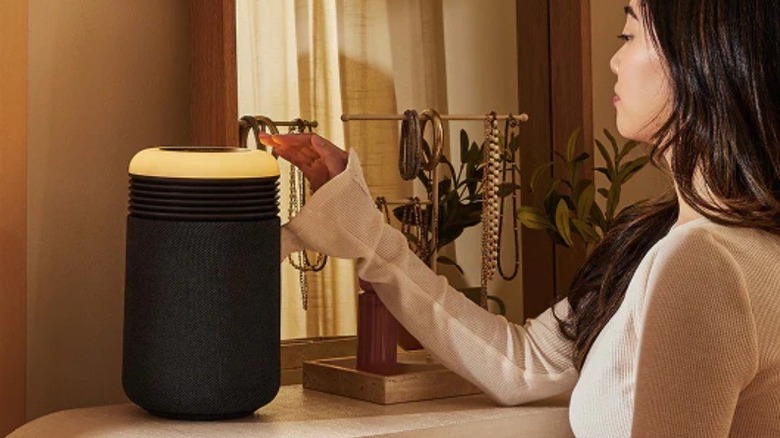
If you’ve ever had a smart home gadget fail after just a year, you’ll appreciate Coway. They hold the #1 spot for brand reliability in 2024. This isn't just marketing fluff; CR’s survey of thousands of owners shows that Coway units have some of the lowest repair rates in the industry.
Coway’s Airmega line is particularly famous for its dual-filtration system, pulling air from both sides of the machine to maximize coverage. For those living in areas prone to seasonal wildfires or high pollen counts, Coway’s "Green True HEPA" filters are treated with a coating to help inhibit the growth of mold and bacteria on the filter itself.
- Pros: Near-perfect durability; excellent "Auto Mode" sensors; low energy consumption.
- Cons: Higher initial purchase price for premium models.
Top-Rated Model: Coway Airmega ProX For the homeowner who needs to tackle massive open-concept spaces, the ProX is a beast. Covering up to 2,126 sq. ft., it’s built like a tank and designed for 24/7 operation in high-traffic areas or large offices.

3. Alen: Excellence in Owner Satisfaction
Alen doesn't just sell air purifiers; they sell peace of mind. They currently rank first in owner satisfaction for 2024. Why? It largely comes down to their "Forever Guarantee." As long as you maintain a filter subscription, the company warrants the unit for life.
Beyond the warranty, Alen specializes in what they call "pink noise." Unlike the harsh mechanical hum of some competitors, Alen units produce a soothing frequency that many users find actually helps them sleep better. It’s the perfect blend of a high-end medical device and a luxury home appliance.
- Pros: Lifetime warranty; customizable front panels to match decor; incredibly quiet.
- Cons: Some models have a larger footprint than equivalent competitors.
Top-Rated Model: Alen BreatheSmart 75i This is the "Extra-Large Room Specialist." It excels at removing fine particulates (0.1 to 1 micron) while remaining remarkably silent. If you have a large master suite and are a light sleeper, this is your best bet.
4. Winix: The Solid All-Rounder
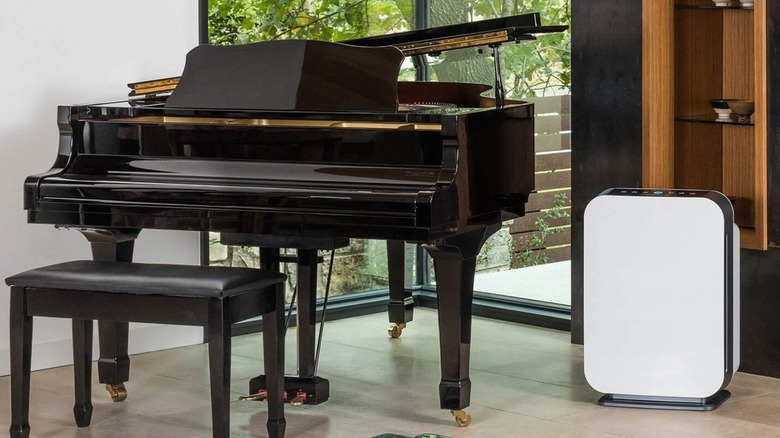
Winix consistently lands in the top four for both reliability and satisfaction. They have carved out a niche as the "workhorse" brand for families. Most Winix models feature their proprietary PlasmaWave® technology, which creates Hydroxyls to help neutralize bacteria and viruses without producing harmful levels of ozone.
Winix units are often the "sweet spot" for shoppers who want professional-grade filtration without the four-digit price tag. They are particularly effective at neutralizing kitchen odors, making them a staple for open-concept homes where cooking smells tend to linger.
- Pros: Excellent value for money; unique PlasmaWave technology; widely available filters.
- Cons: Aesthetics are more functional than "designer."
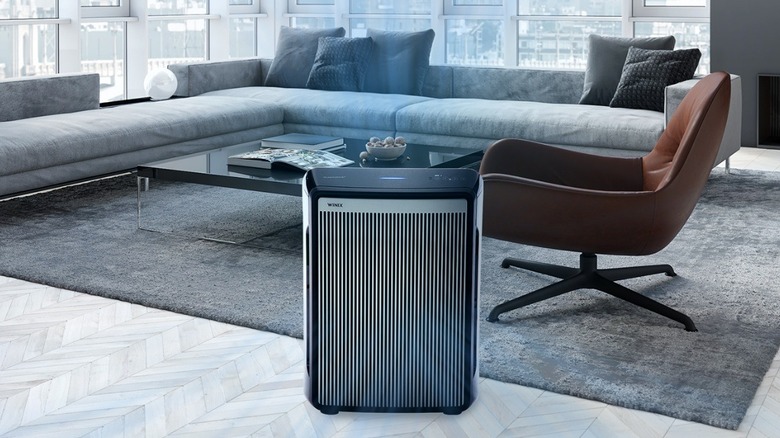
Top-Rated Model: Winix 9800 The Winix 9800 is a versatile choice for living rooms and kitchens. It features a 360-degree intake and a Smart Sensor that adjusts the fan speed in real-time as it detects changes in air quality (like when you start searing a steak or when the dog comes in from a rainy walk).
5. Levoit: The Best Bang for Your Buck
Levoit has disrupted the market by offering high-speed performance and modern smart features at a highly competitive price point. In CR's 2024 testing, Levoit proved that you don't need to spend $600 to get a reliable air purifier. Their app integration is arguably the best in the business, allowing you to monitor air quality and set schedules from your phone with zero lag.
For tech-savvy users who want to integrate their air purifier into a broader smart home ecosystem (like Amazon Alexa or Google Home), Levoit is usually the first choice. They consistently earn high marks for their ability to move a lot of air quickly on their highest settings.
- Pros: Affordable entry price; top-tier mobile app; compact, modern designs.
- Cons: Can be a bit loud on the highest "Turbo" setting.
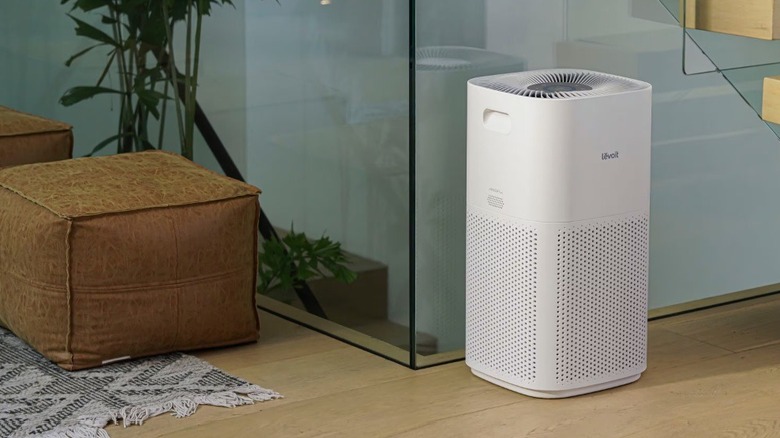
Top-Rated Model: Levoit PlasmaPro 600S-P This model brings professional-grade power to the budget-conscious consumer. It’s designed for large rooms and includes a laser dust sensor that provides highly accurate real-time feedback on your indoor PM2.5 levels.
6. Honeywell: Established Performance with Practical Perks
Honeywell is the "Old Guard" of the industry, and for good reason. They secured the #2 average performance score in 2024. While they might not have the flashy apps of Levoit or the sleek looks of Blueair, they offer practical perks—like washable permanent filters in their AirGenius line—that save you money over the long term.
Their HEPA models are frequently recommended by allergists because they are simple, effective, and built to withstand years of heavy use. If you want a "set it and forget it" machine, Honeywell is a very safe harbor.
- Pros: Wide range of models for all room sizes; washable filter options; high brand trust.
- Cons: Can be bulkier and heavier than modern competitors.
7. GermGuardian: The Small Space Specialist
If you’re trying to clean the air in a dorm room, a small home office, or a nursery, GermGuardian is likely your best friend. They excel in removing 0.1 to 1-micron particles in tight spaces. Many of their models are "tower" style, meaning they have a very small footprint and can tuck into a corner easily.
Most GermGuardian units also feature a UV-C light option, which is designed to work with Titanium Dioxide to kill airborne bacteria and viruses. While the efficacy of UV-C in a fast-moving air stream is debated, many users find it provides an extra layer of psychological comfort during flu season.
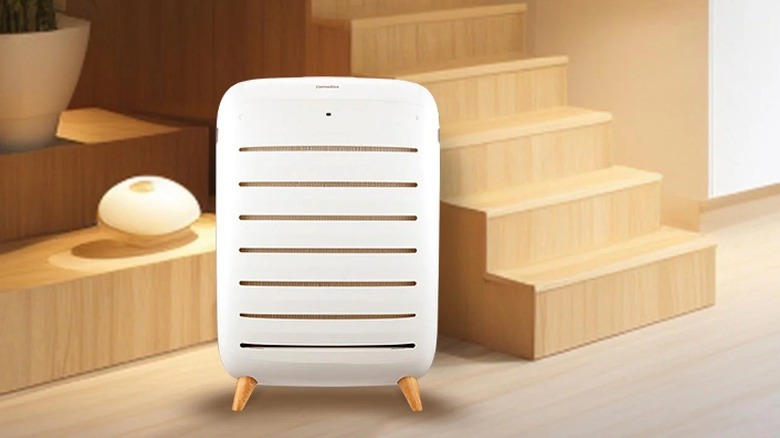
8. HoMedics: Smart Features Meet Aesthetic Design
HoMedics has made big strides in 2024, securing the third-highest average review score among consumers. They focus on the "wellness" aspect of air purification, often including built-in essential oil trays so you can aromatize your home while cleaning the air.
Their units are surprisingly powerful and feature robust Wi-Fi connectivity. They are a great choice for those who want their appliances to look like part of the furniture rather than a piece of medical equipment.
Top-Rated Model: HoMedics AP-C500 This large room console is designed for maximum air circulation. It’s particularly good at pulling air from the center of a room and pushing it out to the corners, ensuring there are no "dead zones" of stagnant air in your home.
Buying Guide: What to Look for in 2024
When shopping for an air purifier, it’s easy to get lost in the jargon. Here is how I break it down for my readers to ensure they get the right machine for their specific living situation.
Understanding CADR (Clean Air Delivery Rate)
The CADR is the most important number you’ll see. It tells you exactly how much filtered air the machine can produce. A good rule of thumb is the "Two-Thirds Rule": Your purifier's smoke CADR should be at least two-thirds of your room's square footage. For example, a 150 sq. ft. room needs a smoke CADR of at least 100.
True HEPA vs. HEPA-Type
Do not settle for "HEPA-type" or "HEPA-like" filters. Only True HEPA filters are certified to capture 99.97% of particles as small as 0.3 microns. If you have asthma or severe allergies, this distinction is non-negotiable.
The True Cost of Ownership
The price tag on the box is only the beginning. Before you buy, check two things:
- Filter Costs: Some filters need replacing every 6 months and can cost $80 each. Others last a year. Calculate your annual spend.
- Energy Consumption: Look for the Energy Star label. Since these machines often run 24/7, an inefficient motor can add $50 or more to your annual electric bill.
Noise Levels
Decibel (dB) ratings matter. A unit that sounds like a jet engine won't do you any good if you turn it off every night because you can't sleep. Look for units that stay under 30 dB on "Sleep Mode" and under 50 dB on "Medium."
How to Optimize Your Air Purifier Placement
Once you’ve picked the perfect brand, where you put it matters just as much as what’s inside it.
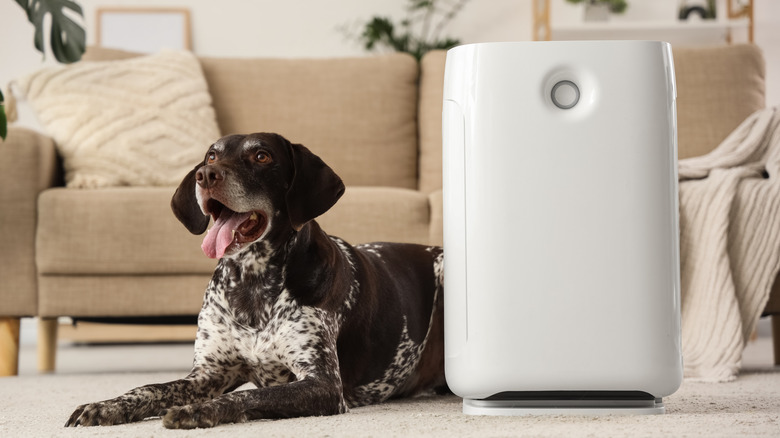
- Avoid the Corners: It might be tempting to hide your purifier behind a sofa or in a corner, but this restricts airflow. Try to keep it at least 12 inches away from walls or furniture.
- The "Absent" Strategy: When you leave for work, turn the unit to its highest setting. This allows it to do a "deep clean" of the air while you aren't there to hear the noise. When you return, you can switch it to a low, whisper-quiet maintenance mode.
- Keep Windows Closed: Running an air purifier with the windows open is like running an air conditioner with the door open—you’re trying to clean the whole neighborhood!
FAQ
Q: Do air purifiers help with COVID-19 or the flu? A: While True HEPA filters can capture the particles that carry viruses, they are not a silver bullet. They should be used as part of a multi-layered defense including ventilation and hygiene.
Q: How often should I actually change my filter? A: Most modern units have a "filter life" indicator. However, if you live in a high-smoke area or have multiple shedding pets, you may need to change them 25% more frequently than the manufacturer suggests.
Q: Can I just wash my HEPA filter to save money? A: Unless the filter is specifically labeled as "Washable" (like some Honeywell models), do not wash it. Water will destroy the delicate fiber structure of a True HEPA filter, rendering it useless.