Quick Facts
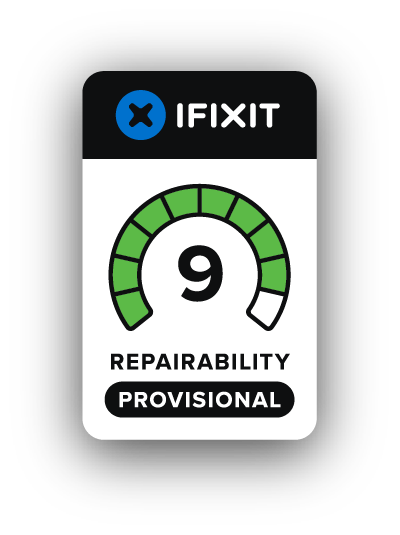
- iFixit Repairability Score: 9/10 (Google Pixel Watch 4) vs. 3/10 (Apple Watch Series 11).
- Primary Fasteners: Torx Plus screws and O-ring gaskets (No permanent adhesives).
- Core Hardware: Snapdragon W5+ Gen 2 with a 3,000-nit Actua display.
- Repair Policy: Official partnership with iFixit; repairs do not void the one-year manufacturer warranty.
- Longevity Leap: A 125% improvement in repairability over the Pixel Watch 2.
For years, the smartwatch industry has operated under a "disposable luxury" model. We buy these high-precision instruments, strap them to our wrists, and the moment a screen cracks or a battery degrades, we are told to replace the entire unit. As a critic who evaluates technology through the lens of long-term value and sustainability, I’ve often found this trend indefensible. However, the release of the Pixel Watch 4 marks a definitive pivot. By earning a near-perfect 9/10 repairability score from iFixit, Google hasn't just built a better gadget; they’ve executed an engineering revolution that makes the Apple Watch Series 11 (3/10) and even the Samsung Galaxy Watch Ultra (7/10) look like relics of a more wasteful era.
The Smartwatch Sustainability Revolution
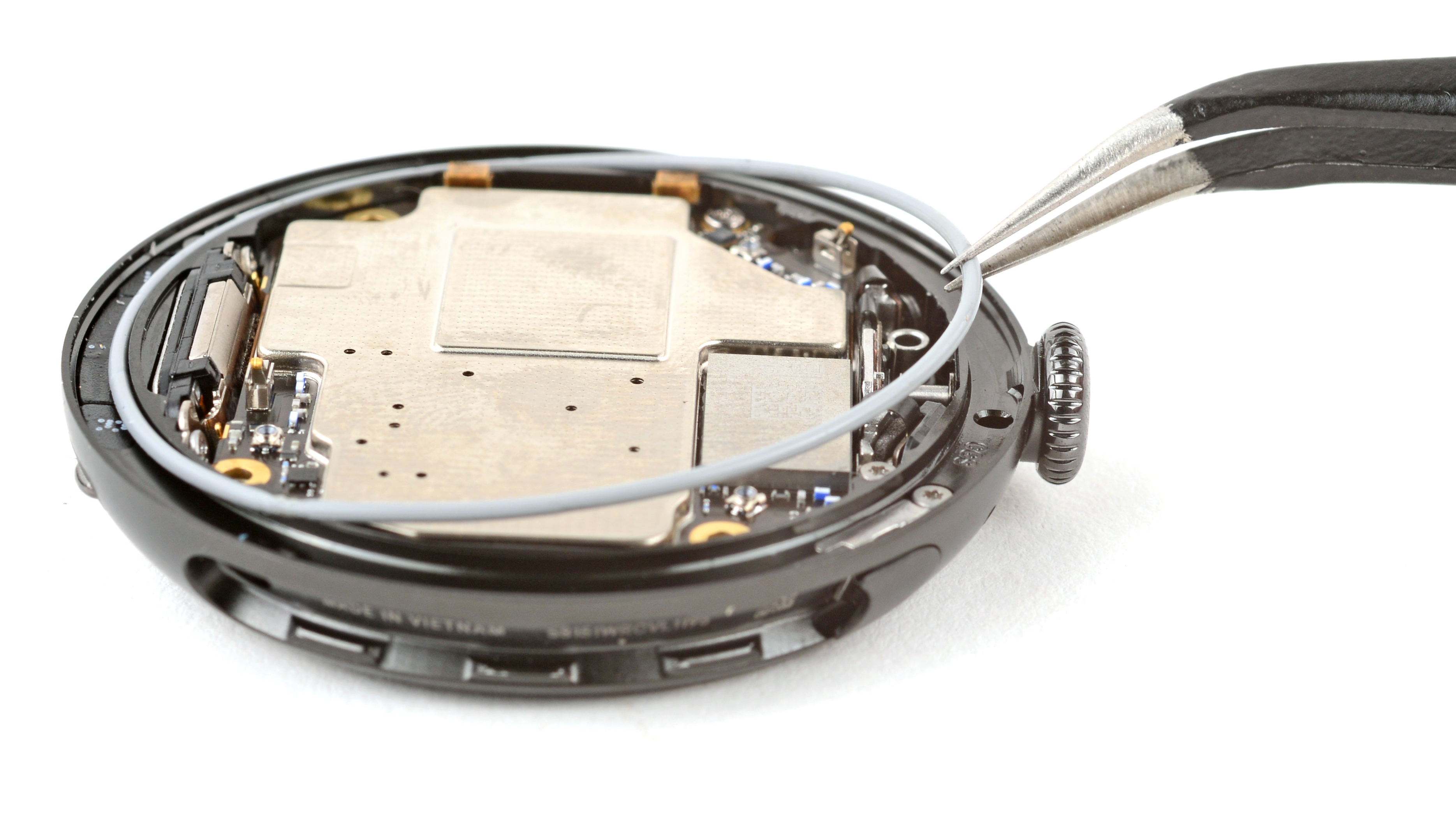
The "E-waste" crisis is no longer a fringe concern for environmentalists; it is a significant policy driver in the European Union and North America. In this landscape, Google’s decision to move away from permanent adhesives in favor of a modular architecture is a masterclass in strategic compliance. While competitors continue to use heavy industrial glues that require specialized heat guns and high-risk prying to bypass, the Pixel Watch 4 utilizes a sophisticated system of Torx Plus screws and O-ring gaskets.
The Pixel Watch 4 is the most repairable mainstream smartwatch on the market. By prioritizing accessibility, Google ensures that a simple battery swap—the most common repair need for any wearable—is no longer a "death sentence" for the device. This shift represents a 125% improvement in repairability compared to the Pixel Watch 2’s dismal 4/10 rating, signaling that Google is finally listening to both consumer advocates and the shifting tide of global "Right to Repair" legislation.
Under the Hood: Screws vs. Glue
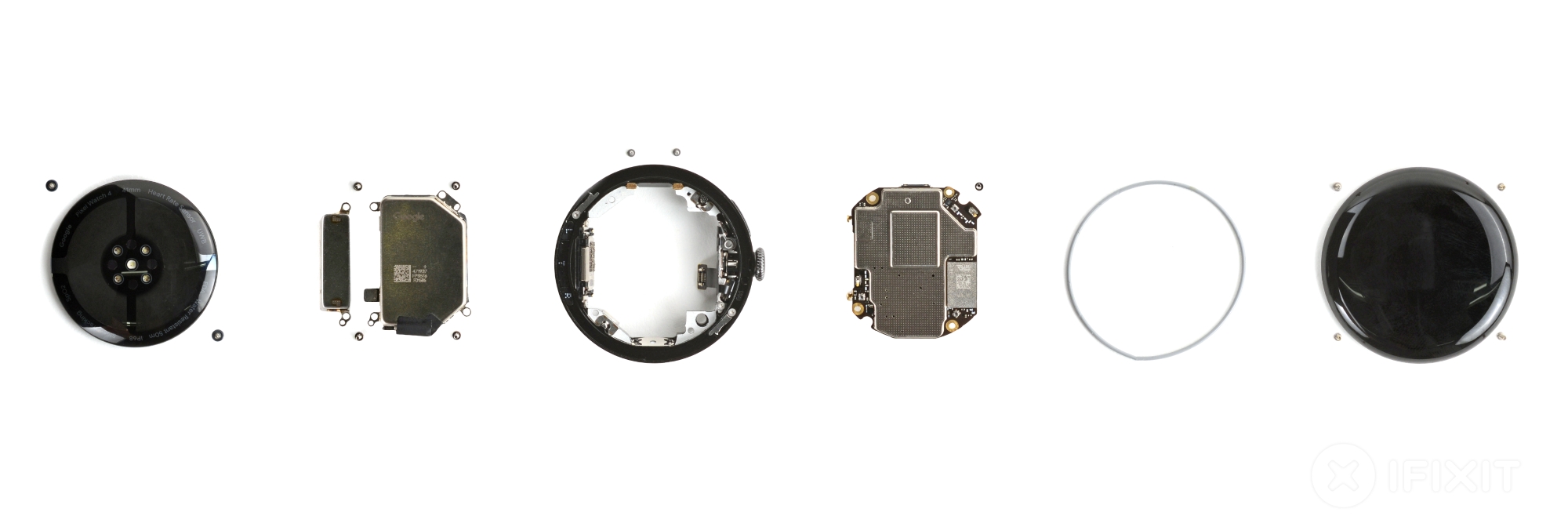
The engineering highlights of the Pixel Watch 4 are found not in what has been added, but in what has been removed. Historically, the primary barrier to smartwatch repair has been the "glue trap." To achieve water resistance, manufacturers like Apple have traditionally sealed the glass to the chassis using permanent chemical bonds. Google has solved this problem by utilizing precision-engineered 1IP Torx Plus screws. These fasteners provide high torque without stripping, allowing for a mechanical seal that can be opened and closed repeatedly without degrading the integrity of the frame.
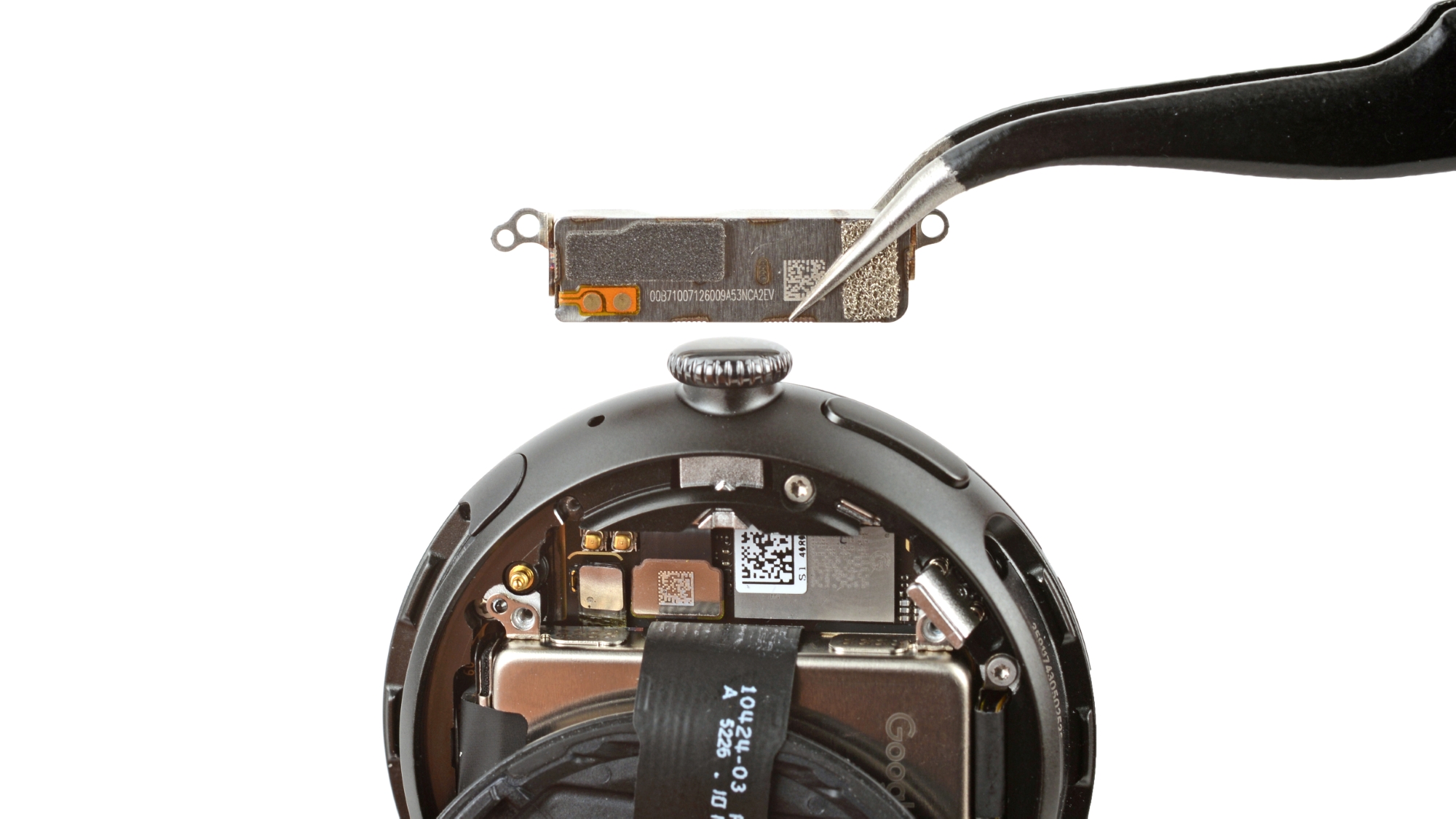
To perform a standard disassembly, a user needs only basic tools rather than the invasive heat-treatment equipment required by the competition. This modular interior is organized with pogo pin internal connectors, which eliminate delicate ribbon cables that are prone to tearing during DIY attempts.
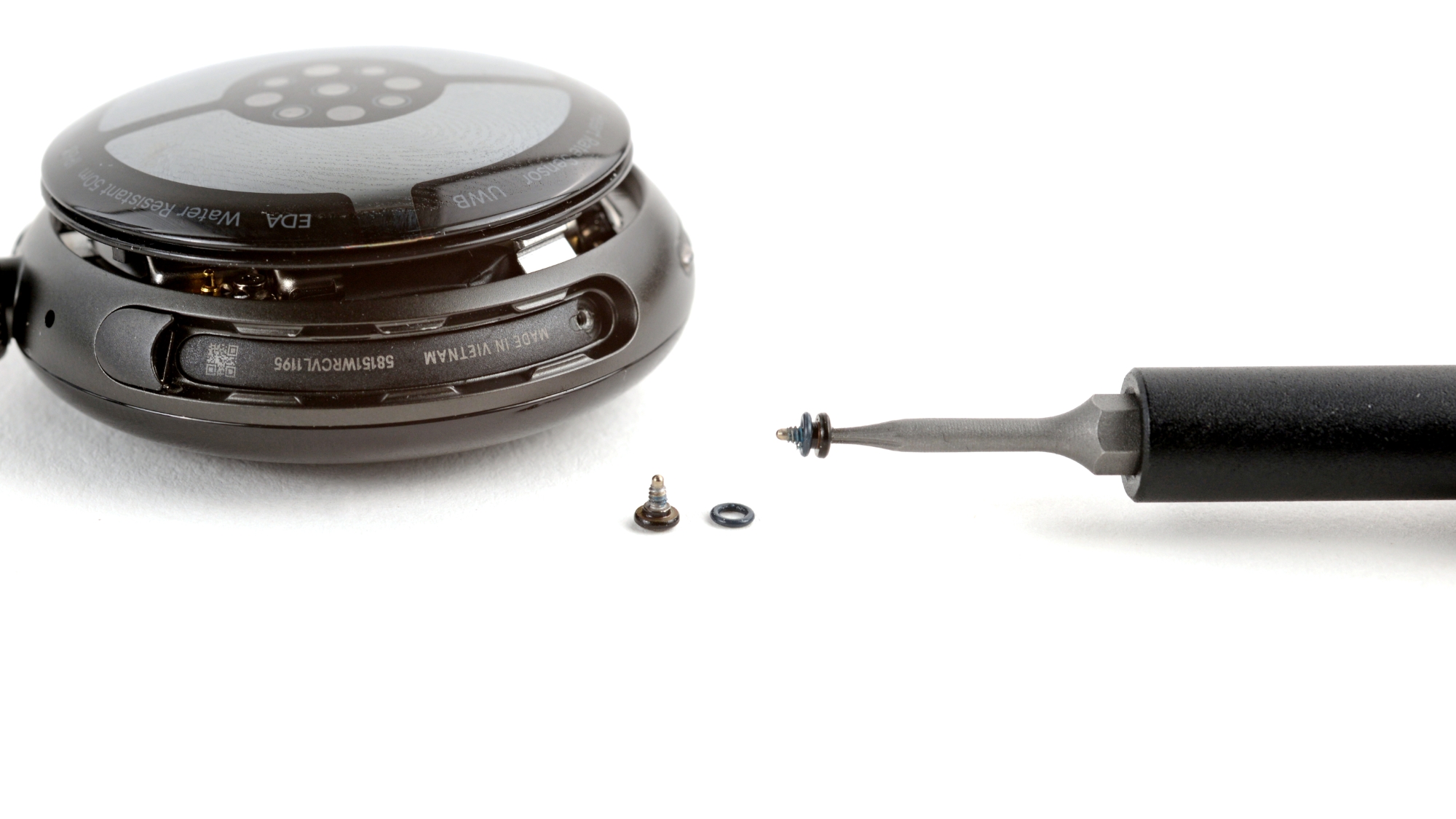
Critics often argue that screws and gaskets cannot match the water resistance of permanent glue. Google has debunked this by maintaining a full IP68 rating. The secret lies in the replaceable O-ring gaskets. These gaskets provide a compressed, water-tight seal that is easily seated during reassembly. This design ensures that the watch remains protected against dust and water immersion up to 50 meters, yet remains fully accessible for maintenance.
The Comparison: Pixel Watch 4 vs. Apple vs. Samsung
When we look at the data-driven comparisons, the gap between the three major players is startling. The following table highlights why the Pixel Watch 4 is the logical choice for the longevity-minded consumer.
| Feature | Google Pixel Watch 4 | Apple Watch Series 11 | Samsung Galaxy Watch Ultra |
|---|---|---|---|
| iFixit Score | 9/10 | 3/10 | 7/10 |
| Peak Brightness | 3,000 nits | 2,000 nits | 3,000 nits |
| Battery Capacity | 455mAh | 308mAh (est.) | 590mAh |
| Charging Speed | 95% in 32 mins | 80% in 45 mins | 80% in 45 mins |
| Assembly Method | Screws & Gaskets | Heavy Adhesives | Mixed (Adhesive/Screws) |
| Screen Repair | Possible in 15 mins | Expert/Replacement only | Difficult/High Risk |
While the Samsung Galaxy Watch Ultra earns a respectable 7/10 by using screws for its outer casing, it still relies on internal adhesives for several critical components, making battery replacement a more precarious affair. Apple, meanwhile, continues to prioritize a thinner profile at the absolute expense of repairability. Opening an Apple Watch Series 11 often results in "heartbreak"—cracked glass or severed digitizer cables—even for experienced technicians.
More Than Just Repairable: Hardware Upgrades
It is important to note that Google has not sacrificed performance to achieve this level of modularity. The Pixel Watch 4 is a powerhouse in its own right, featuring the Snapdragon W5+ Gen 2 chipset, which provides a fluid, lag-free Wear OS experience. The display is a particular standout, hitting 3,000 nits of peak brightness, ensuring legibility even in the harsh midday sun of a high-altitude hike.
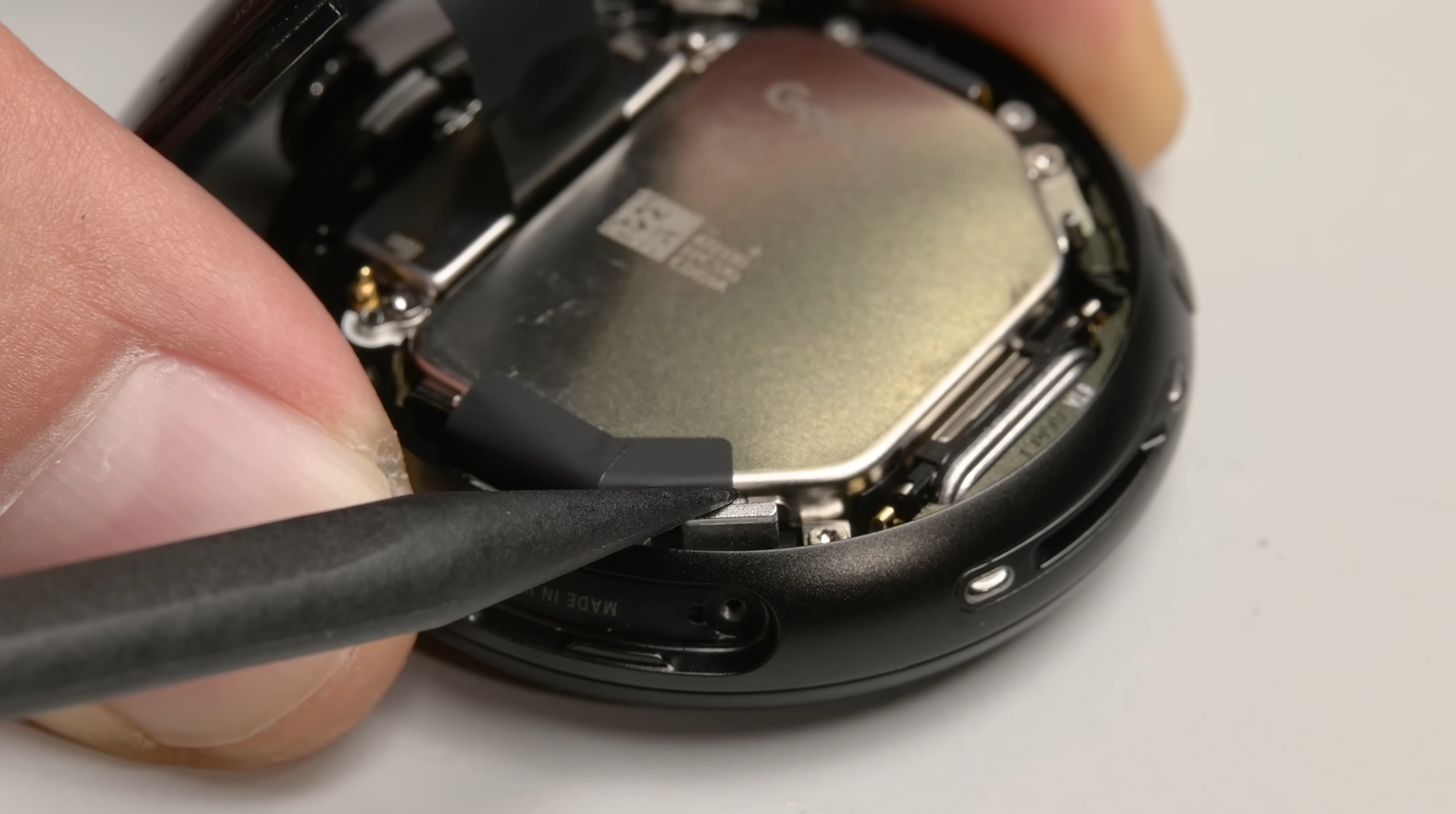
The battery and charging metrics further elevate the device. The 455mAh cell is designed for efficiency, and the charging architecture is world-class, reaching 95% in just 32 minutes. Because the battery is secured via screws rather than glue, it can be swapped out easily when its capacity inevitably begins to fade after a few years of use. This effectively doubles or triples the functional life of the watch.
The Google & iFixit Partnership
The most significant policy update accompanying this hardware is Google's deepening partnership with iFixit. This isn't just a marketing gimmick; it is a structural change to how consumer warranties function. Repairing the Pixel Watch 4 does not void the one-year manufacturer warranty, provided that the user follows the official repair manuals and uses genuine parts sourced through iFixit.
Google has published a comprehensive, 118-page official repair manual that covers everything from screen replacement to sensor calibration. This level of transparency is unprecedented in the wearable space. By providing both the parts and the "know-how," Google is empowering the consumer to own their device in the truest sense of the word.
Real-World Considerations: Is It DIY Ready?
While a 9/10 score suggests ease of use, we must distinguish between "possible" and "easy" for the average consumer. Smartwatches are still tiny, intricate devices. However, the cost factor makes a compelling case for DIY. Replacing a cracked screen on a Pixel Watch 4 costs approximately $100 for parts, compared to the $250+ typically charged for out-of-warranty service on an Apple Watch.
Critic's Note: If you are a traveler who relies on your watch for navigation and fitness tracking, the peace of mind that comes with a repairable device is invaluable. In a remote location, being able to fix a minor issue with a basic tool kit is a game-changer.
Furthermore, the fitness ecosystem integrated into the Pixel Watch 4 (Fitbit) remains one of the most robust in the industry. While Apple Health is comprehensive, Fitbit’s "Daily Readiness Score" and Sleep Profile insights provide a more holistic view of recovery, which is essential for those balancing active lifestyles with frequent travel.
FAQ
Q: Does repairing the Pixel Watch 4 myself void the Google warranty? A: No. Thanks to the Google and iFixit partnership, as long as you use official parts and follow the provided manuals, your one-year limited warranty remains intact.
Q: Is the Pixel Watch 4 still waterproof after it has been opened and repaired? A: Yes, provided you replace the O-ring gaskets during reassembly. Google’s design is specifically engineered to maintain its IP68 rating through mechanical seals rather than one-time-use adhesives.
Q: Where can I buy official Pixel Watch 4 repair parts? A: Official parts, including screens, batteries, and gaskets, are available directly through the iFixit website and authorized Google service partners.
In an era where technology is often designed for the landfill, the Pixel Watch 4 is a breath of fresh, analytical air. It proves that high-end aesthetics and rugged durability do not have to come at the cost of repairability. For the traveler, the tech enthusiast, and the environmentally conscious consumer, the choice is now clear.