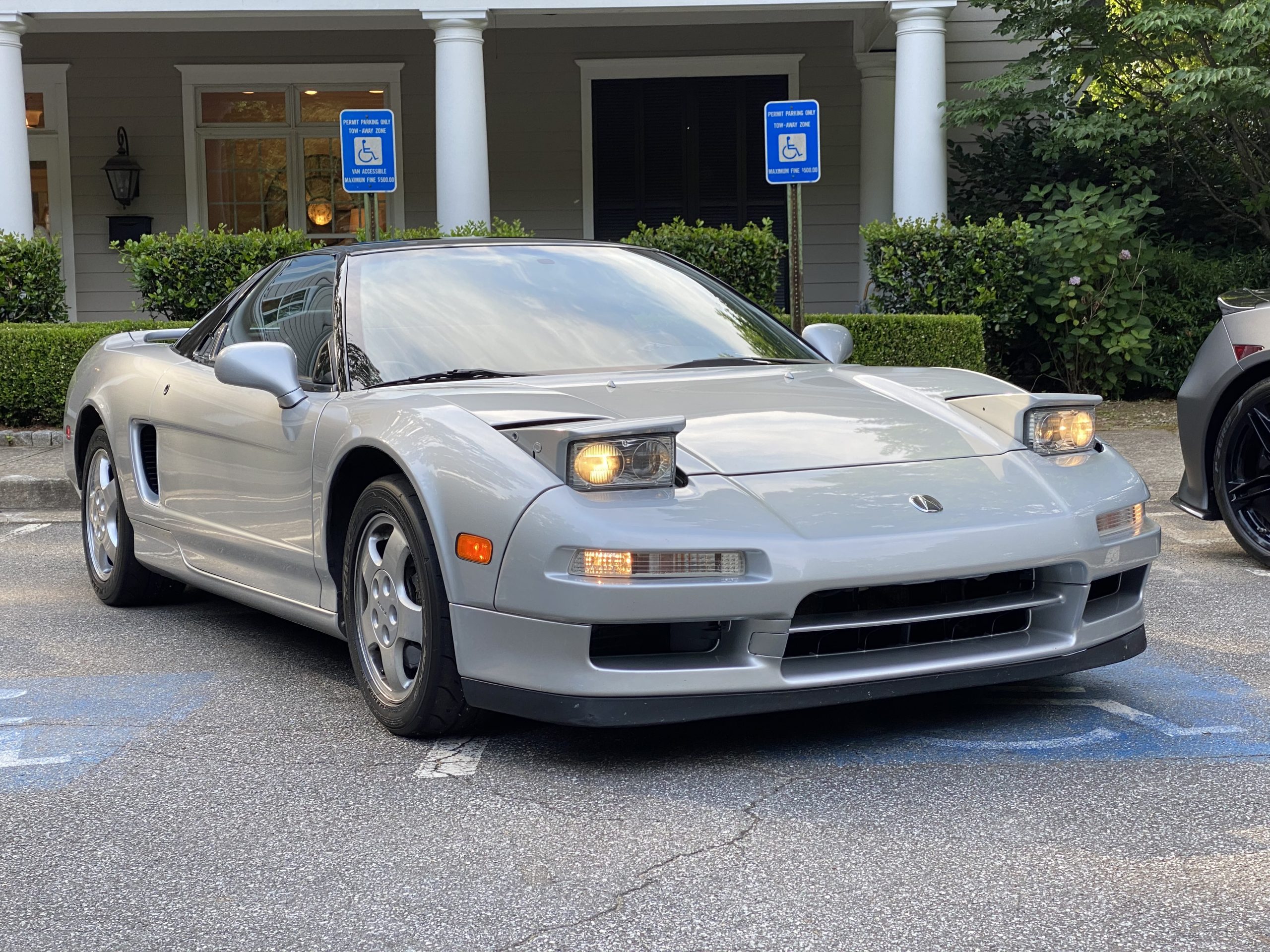
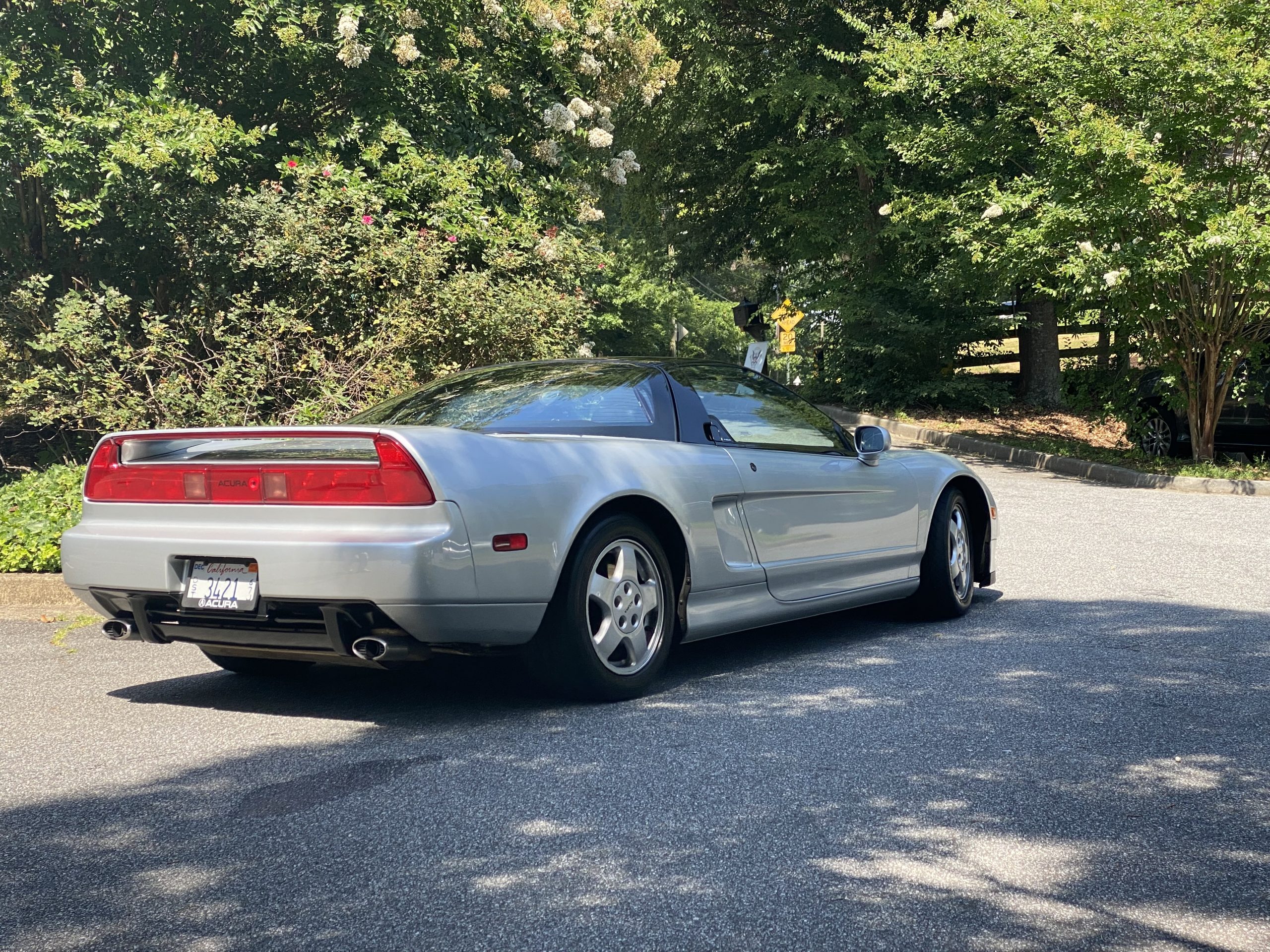
I’ve spent the last decade chasing horizons in the Andes and navigating the rugged backroads of the Balkans, but nothing prepared me for the specific brand of magic I found in a parking lot in Southern California. Before me sat a 1991 Acura NSX—a car that, on paper, should be a relic. In a world where modern electric crossovers can hit 60 mph in under four seconds, a 270-horsepower vintage Honda might seem like a nostalgic novelty. But as I gripped the cold, leather-wrapped steering wheel and looked out over a hood that seemed to vanish into the asphalt, I realized that everything we’ve been told about "supercars" for the last thirty years has been a bit of a lie.
The New Sportscar eXperimental (NSX) didn't just move the goalposts when it debuted; it tore them down and built a new stadium. It was the first production car to feature an all-aluminum semi-monocoque chassis, and it introduced the world to the idea that a mid-engine exotic could be as reliable as a Civic. In 2025, the 1991 NSX isn't just a collector's item; it’s a masterclass in what we’ve lost in the pursuit of raw numbers. It’s legendary for being the first supercar to offer exotic mid-engine performance combined with Honda’s daily-driver reliability, featuring an 8,000 rpm VTEC V6 engine that still sings one of the best mechanical songs in history.
Driving the Analog Hero: It’s Not About the Numbers
If you’re looking for a spec-sheet hero, look elsewhere. In 2025, 270 horsepower is what you get in a well-equipped family sedan. But numbers are flat; the NSX is three-dimensional. Because it tips the scales at just over 3,100 pounds, those 270 horses feel significantly more urgent. When you pin the throttle, the power delivery is linear, building with a mechanical crescendo that modern turbocharged engines simply cannot replicate.
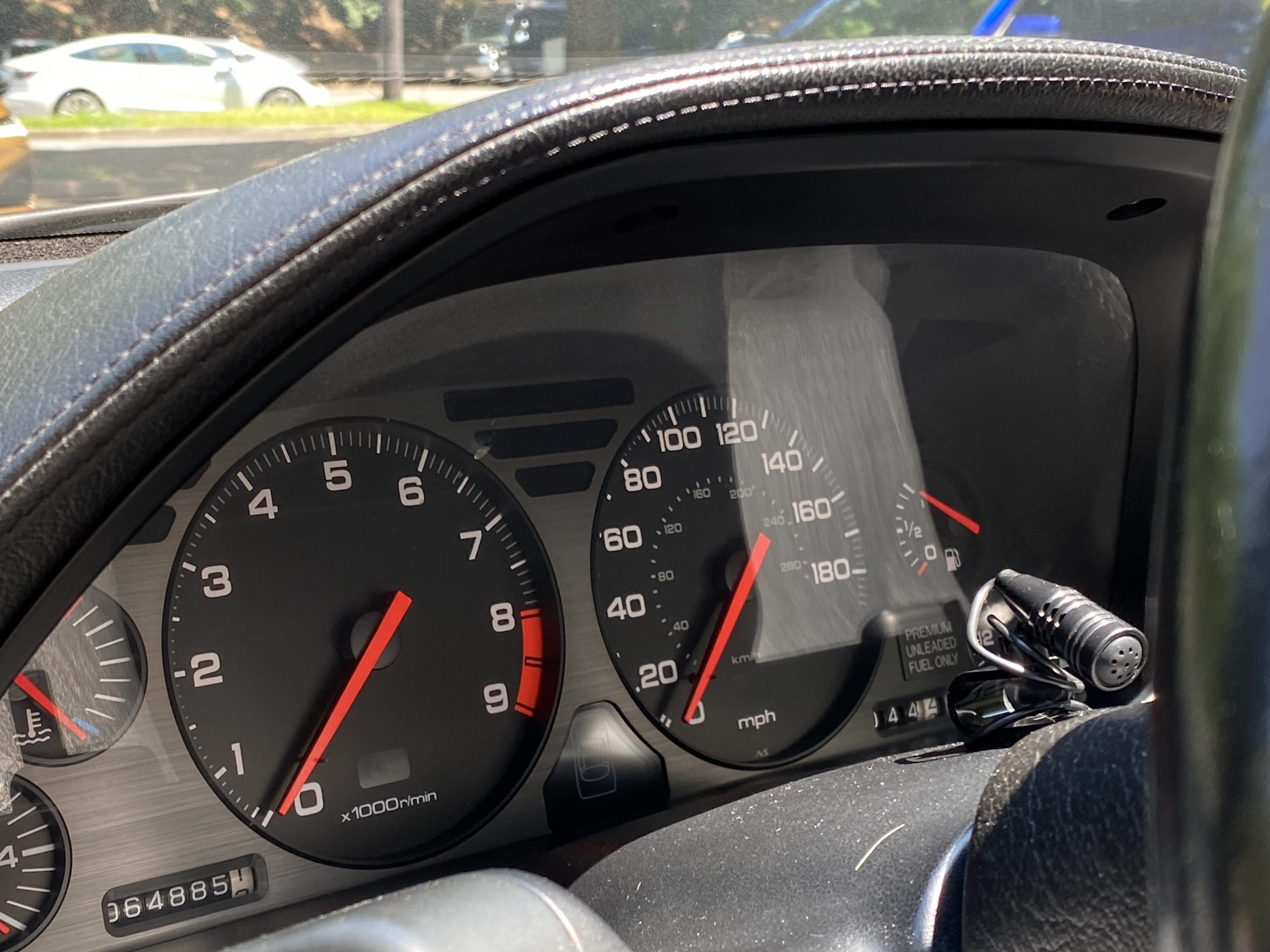
The real soul of the car reveals itself at 5,500 rpm. This is where the VTEC (Variable Valve Timing and Lift Electronic Control) switches profiles. The engine note transforms from a polite hum to a high-pitched, metallic wail that echoes off canyon walls. It’s a physical sensation—the car feels like it’s finally breathing.
Then there’s the steering. The 1991 model is famous (or infamous) for its lack of power steering. At a standstill, maneuvering into a parking spot is a genuine workout that requires two hands and a bit of grunting. However, the moment you crest 15 mph, the steering loads up with a level of feedback that is extinct in modern cars. You feel every pebble, every change in camber, and every hint of front-tire scrub directly through your palms. It’s an intimate, tactile conversation between the road and the driver that makes "active lane assist" feel like a straightjacket.
The F16 Cockpit: Visibility You Can't Buy Anymore
Modern supercars often feel like you’re peer-viewing the world through a mail slot. Thick A-pillars, high beltlines, and massive blind spots are the price we pay for modern crash safety. The NSX, however, was designed with a jet-cockpit philosophy inspired by the F16 Falcon.
The A-pillars are impossibly thin, made possible by the strength of the aluminum construction. The dashboard is low, and the glass wraps around you in a way that provides nearly 360-degree visibility. When I took this car through the tight, switchback-heavy ribbons of the Santa Monica mountains, I could see exactly where my front tires were in relation to the cliff edge. It builds a level of confidence that raw horsepower never could.
Despite its low-slung exotic silhouette, the interior ergonomics are shockingly sensible—classic Honda. I’ve met owners over 6’2” who comfortably daily drive these cars. The seats offer great lateral support for spirited driving but aren't the bone-jarring carbon buckets found in modern Ferraris. You can sit in this car for six hours and walk away without needing a chiropractor.
Can You Really Daily Drive a 34-Year-Old Supercar?
The short answer: Absolutely. While most Ferraris or Lamborghinis of this era are treated like fragile glass ornaments, the NSX was built to be used. We are currently seeing "high-mileage heroes" in the community—cars with over 291,000 miles on the original engine that are still being used for competitive track days and 15-day interstate road trips.
Can you actually road trip an Acura NSX? Yes. I’ve spoken with owners who have documented 6,000-mile cross-country treks. The trunk, located behind the engine, is surprisingly deep. While it won’t fit a full-sized suitcase, it perfectly accommodates two soft-sided duffel bags or a "backpacker’s setup" using compression bags.
The Reality of Maintenance in 2025
- The Good: The engine is essentially a highly tuned Honda V6. Parts like oil filters and spark plugs are easy to find and relatively cheap.
- The Bad: Specific NSX parts—like the aluminum body panels or the interior climate control units—are becoming increasingly expensive and hard to source.
- The Quirks: Owners often deal with "ghosts in the machine," such as blown AC fuses or the infamous "snap ring" issue in early 1991-1992 transmissions. However, compared to a contemporary European exotic, the maintenance schedule is a dream.
Buying into the Dream: 1991 vs. 2025
When the NSX launched in 1991, its MSRP was $60,000. In 2025 dollars, that’s roughly $150,000. For a long time, these cars were the best-kept secret on the used market, often trading for $25,000. Those days are gone. Today, well-maintained early models sell on auction platforms like Bring a Trailer for between $60,000 and $70,000, with collector-grade examples fetching much more.
Is it worth the price of a brand-new, high-performance "hot hatch" or a modern sports car? To answer that, you have to look at the value of the experience.
| Feature | 1991 Acura NSX | Modern Performance Rival (e.g., Civic Type R) |
|---|---|---|
| Engine | 3.0L Naturally Aspirated V6 | 2.0L Turbocharged I4 |
| Chassis | All-Aluminum Monocoque | Steel / Composite |
| Steering | Manual (No Assist) | Electric Power Steering |
| Redline | 8,000 RPM | 7,000 RPM |
| Visibility | 311 Degrees (Jet-Inspired) | ~260 Degrees (Safety Pillars) |
| Character | Raw, Analog, Mechanical | Precise, Digital, Controlled |
One thing no one tells you about the North American 1991 model is the "long" gearing. To meet fuel economy and noise standards of the time, the second and third gears are incredibly long. On a mountain road, you might find yourself staying in second gear for almost the entire run. Many enthusiasts eventually swap in the shorter Japanese-spec gears to wake the car up, but even in stock form, it’s a joy to pilot.
Conclusion: More Than Just a Poster Car
The 1991 Acura NSX is a time capsule from an era when engineers were given a blank check to build the "perfect" car. It doesn't try to insulate you from the world; it invites you to participate in it. Driving one in 2025 is a reminder that speed is a commodity, but feeling is a luxury.
It’s a car that demands your attention when you’re parking it, rewards your bravery when you’re cornering it, and treats you like a human being when you’re cruising on the highway. If you have the chance to get behind the wheel of this Japanese icon, take it. Just be prepared for every other car you drive afterward to feel a little bit "numb."
FAQ
Q: Is the 1991 NSX too slow for modern traffic? A: Not at all. While it won't win a drag race against a Tesla, its power-to-weight ratio ensures it has plenty of "get up and go" for highway merging and spirited canyon carving. It feels much faster than the numbers suggest because of its low center of gravity.
Q: Can I really fit groceries in a mid-engine car? A: Yes! The trunk is located behind the engine bay (not under the front hood like a Porsche). It’s wide and deep enough for several grocery bags or a weekend's worth of gear for two people.
Q: What is the most common mechanical issue to look out for? A: Aside from the "snap ring" transmission issue in certain VIN ranges, keep an eye on the cooling system. While the engine is bulletproof, 30-year-old rubber hoses can fail. Most owners perform a "preventative refresh" of all cooling lines upon purchase.
Ready to start your own adventure? Whether you're hunting for a vintage icon or planning your next off-the-beaten-path expedition, the right gear makes all the difference.