In the landscape of 2026 consumer electronics, the price of entry for flagship wireless audio has climbed steadily, with several "premium" models now exceeding the $500 mark. However, as any seasoned traveler or audio professional will tell you, a high MSRP is no guarantee against a snapped hinge, a failing battery, or a software glitch two years down the line. To provide clarity in an increasingly crowded market, the latest Consumer Reports (CR) data offers a rigorous, longitudinal look at which brands actually stand the test of time.
Quick Facts: The 2026 Reliability Leaderboard
- Top-Ranked Brand: Audio-Technica secures the #1 position for long-term wireless reliability.
- The Runners-Up: Sennheiser and Bowers & Wilkins are tied for second place, blending high-fidelity performance with robust build quality.
- Comfort King: The Bose Ultra (2nd Gen) sets the industry standard for ergonomics with a comfort score of 9.5.
- Audio Fidelity Peak: For those prioritizing sound over all else, the Focal Bathys remains the benchmark with a 9.3 sound quality rating.
- The Reliability Metric: Rankings are determined by surveying thousands of users regarding technical failures and hardware degradation experienced over a 3-to-5-year period.
Methodology: How Consumer Reports Ranks Durability
In my years reviewing travel gear and destination infrastructure, I’ve learned that initial impressions are often deceptive. A hotel might look stunning on opening night but crumble under the weight of high occupancy; headphones are no different. Consumer Reports bypasses the "honeymoon phase" of product ownership by utilizing a massive database of member surveys.
Unlike standard lab tests that measure frequency response or active noise cancellation (ANC) in a vacuum, CR’s reliability score is a "Long-term Durability Score." They track thousands of real-world users to document specific technical problems—such as Bluetooth connectivity drops, battery capacity loss, and physical component failure—over several years. This data-driven approach reveals the "Total Cost of Ownership," distinguishing between a product that is merely "good" and one that is a sound investment.
The 5 Most Reliable Headphone Brands of 2026
While the market is flooded with new entrants and boutique labels, the 2026 rankings show a clear preference for established brands with deep engineering roots. Here is the breakdown of the industry leaders.
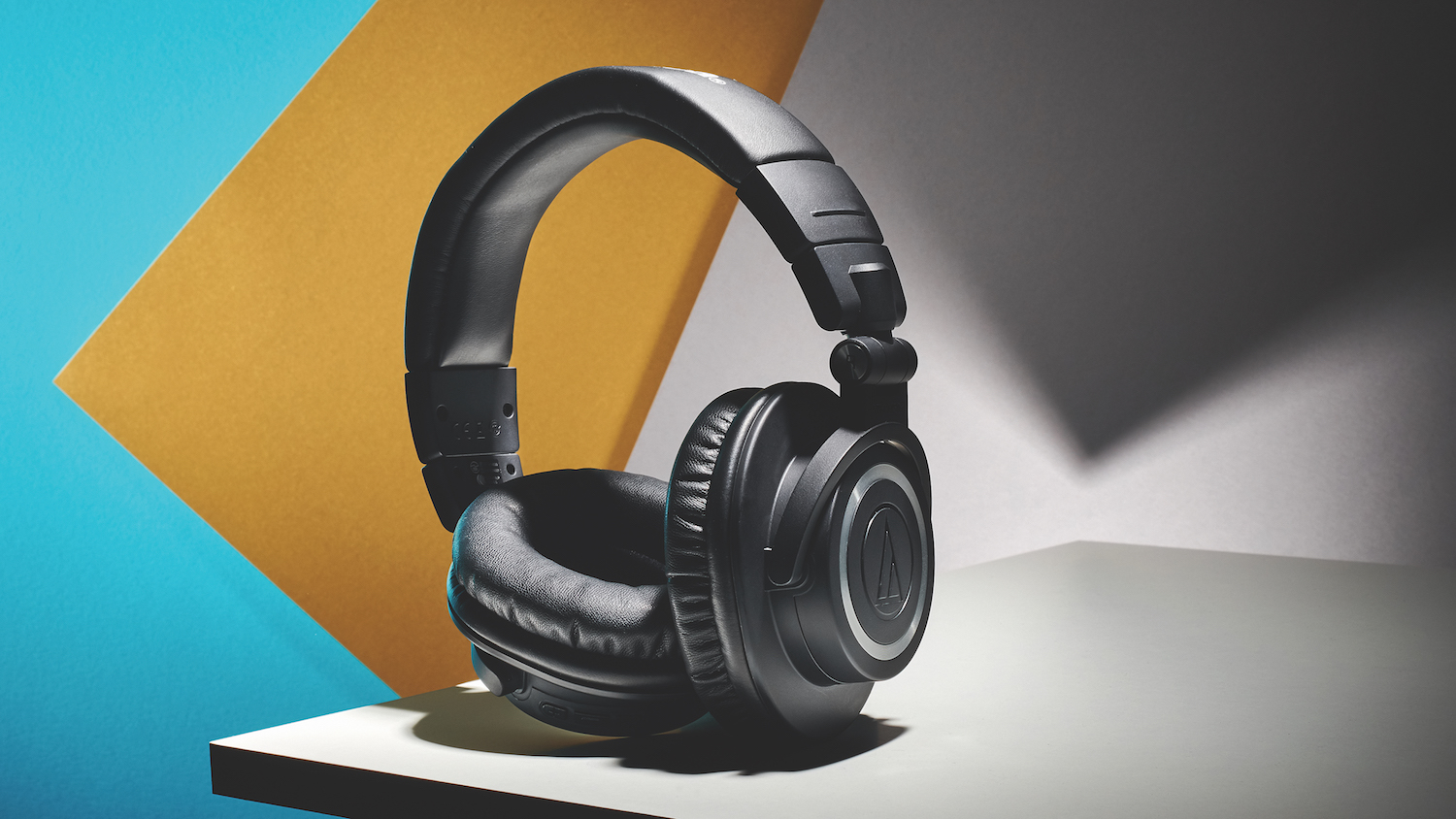
1. Audio-Technica: The Industry Gold Standard
Audio-Technica’s ascension to the top spot is no accident. Rooted in professional studio environments where gear is expected to withstand 24/7 use, the brand has successfully translated that "no-shortcut" build philosophy into its consumer wireless line.
The data suggests that Audio-Technica’s mechanical designs are simpler and more robust than those of their tech-heavy competitors. By focusing on high-quality plastics and reinforced pivot points, they avoid the "planned obsolescence" that plagues many lifestyle-oriented brands.
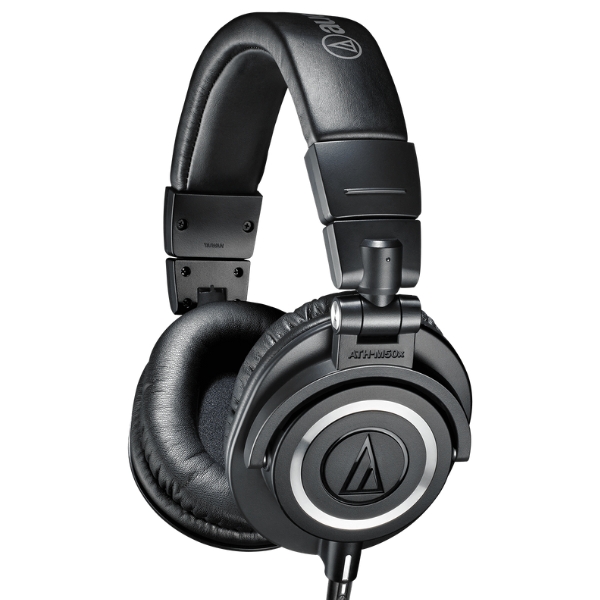
- Notable Models: The ATH-M50xBT2 remains a reliability titan, while the budget-friendly ATH-S300BT offers surprising longevity for its price point.
- Pros: Exceptional structural integrity; consistent firmware stability; user-replaceable ear pads.
- Cons: Often lacks the "cutting-edge" AI features found in Sony or Bose models.
Explore Audio-Technica Collections →
2. Sennheiser: Audiophile Pedigree Meets Longevity (Tie)
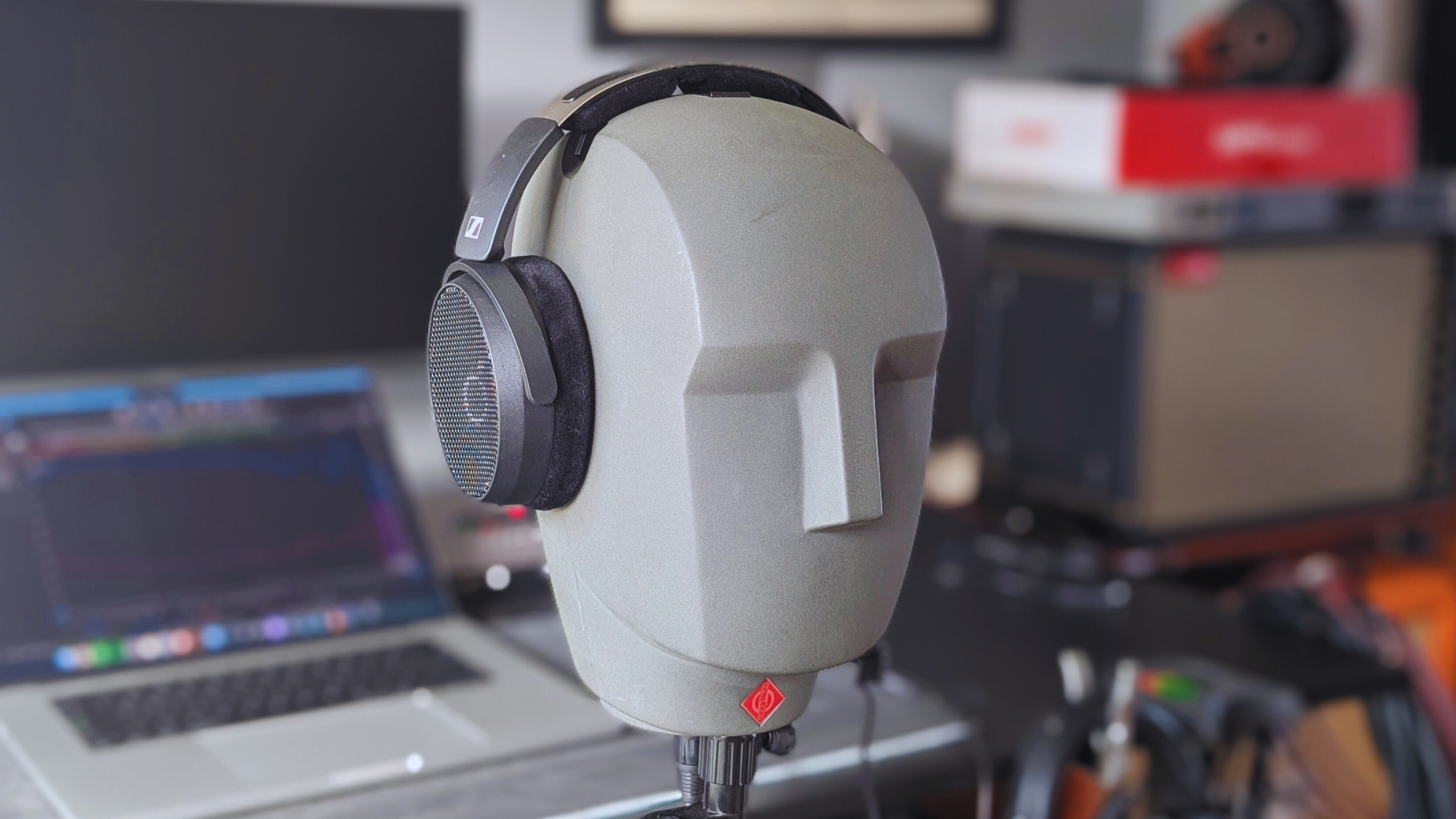
Tied for second place, Sennheiser continues to prove that high-fidelity audio doesn't have to be fragile. In the 2026 survey data, Sennheiser users reported significantly fewer battery-related issues than the industry average. The brand’s Momentum 4 Wireless and the more accessible Accentum series have shown remarkable resilience in varied climates—a crucial factor for international travelers.
Sennheiser’s strength lies in its modular design approach. Many of its internal components are designed to be serviced, and their software ecosystem has matured into one of the most stable in the industry.
- Performance Insight: The Momentum 4 Wireless consistently receives high satisfaction ratings for its 60-hour battery life, which maintains over 90% of its capacity even after two years of heavy use.
3. Bowers & Wilkins: Premium Materials that Last (Tie)
Sharing the second-place podium is Bowers & Wilkins. Unlike many "luxury" brands that prioritize aesthetics over function, B&W utilizes carbon fiber, aluminum, and fine leathers that are as durable as they are beautiful.
In a direct comparison of flagship builds, the B&W Px8 S2 outlasts many competitors in the "hinge-stress" category. While the initial investment is higher, the CR data suggests a lower replacement rate, making them a more sustainable choice for the discerning professional.
Critic's Note: Bowers & Wilkins is the rare brand where "luxury" refers to the engineering tolerances, not just the brand name. If you are tired of the "creaky plastic" feel of modern headphones, this is your destination.
4. Bose: The Pioneer of Noise Cancellation
Bose remains a dominant force, particularly in the travel sector. While they sit just below the top three for pure mechanical reliability, they lead the industry in human-centric metrics.
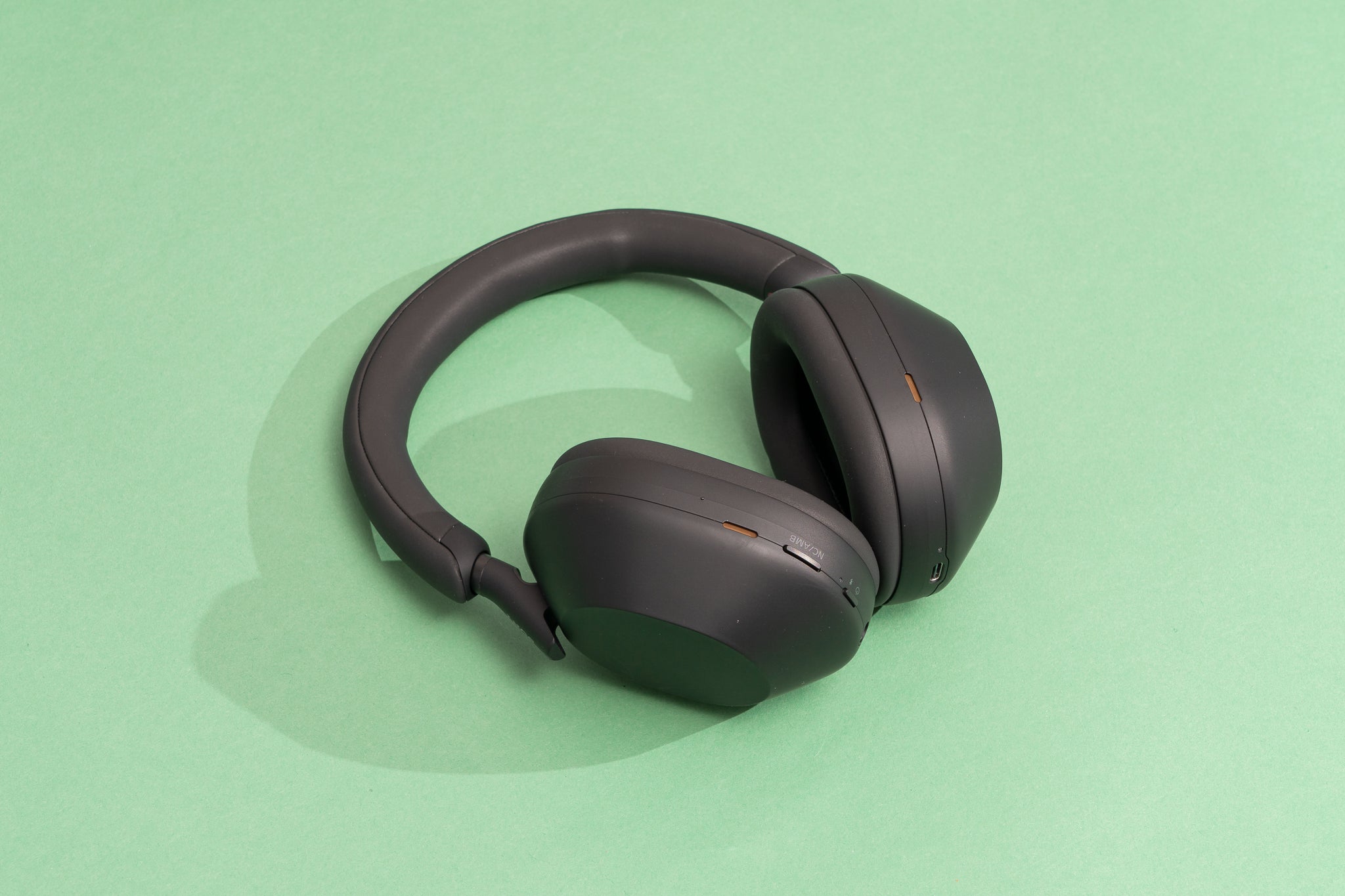
The data reveals a stark contrast in comfort: the Bose Ultra (2nd Gen) achieved a comfort rating of 9.5, significantly outperforming the Sony WH-1000XM6, which scored a middling 6.8 in the same category. For the long-haul traveler, this 28% difference in comfort often outweighs minor differences in structural longevity.
- Strength: Best-in-class ANC and ergonomics.
- Weakness: Historically, Bose has faced minor software "handshake" issues with multi-point Bluetooth, though the 2026 models have shown improvement.
View Bose QuietComfort Deals →
5. Sony: The Feature-Packed Tech Giant
Sony is a fascinating case study in the 2026 rankings. They are the most owned brand in the survey, yet they land in fifth place for reliability. This is largely due to the complexity of their devices. With touch-sensitive housings, multiple sensors, and industry-leading software features, there are simply more "fail points" in a Sony flagship.
However, Sony's performance gap in specific categories is noteworthy. While they excel in noise cancellation and app integration, their raw audio performance has been challenged by audiophile brands. Data reveals the Focal Bathys secured a top sound quality score of 9.3, which is 10.7% higher than the Sony WH-1000XM6's score of 8.4.
Performance vs. Reliability: Finding the Equilibrium
Choosing a pair of headphones in 2026 requires a balanced analysis of your specific needs. Reliability is the foundation, but it is not the only metric that matters.
| Brand | Reliability Rank | Comfort Score (1-10) | Sound Quality (1-10) | Best Use Case |
|---|---|---|---|---|
| Audio-Technica | #1 | 7.8 | 8.8 | Studio/Daily Commute |
| Sennheiser | #2 (Tie) | 8.2 | 9.1 | Critical Listening |
| Bowers & Wilkins | #2 (Tie) | 8.5 | 9.2 | Executive Travel |
| Bose | #4 | 9.5 | 8.2 | Long-Haul Flights |
| Sony | #5 | 6.8 | 8.4 | Tech Enthusiasts |
If your primary concern is the most natural sound possible and you are willing to sacrifice a bit of portability, the Focal Bathys is the clear winner. However, if you are a "road warrior" who needs a device that can survive being stuffed into a carry-on five days a week, the Audio-Technica or Sennheiser models offer the best insurance against hardware failure.
Buying Guide: What to Look for in a Pair of 2026 Headphones
As a critic who has seen countless "game-changing" technologies disappear, I advise readers to look past the marketing gloss. Here are the three pillars of a reliable 2026 purchase:
- Battery Health Management: Look for brands that offer "smart charging" features in their apps. Battery degradation is the #1 reason wireless headphones are discarded. Brands like Sennheiser now include software that prevents the battery from sitting at 100% for extended periods.
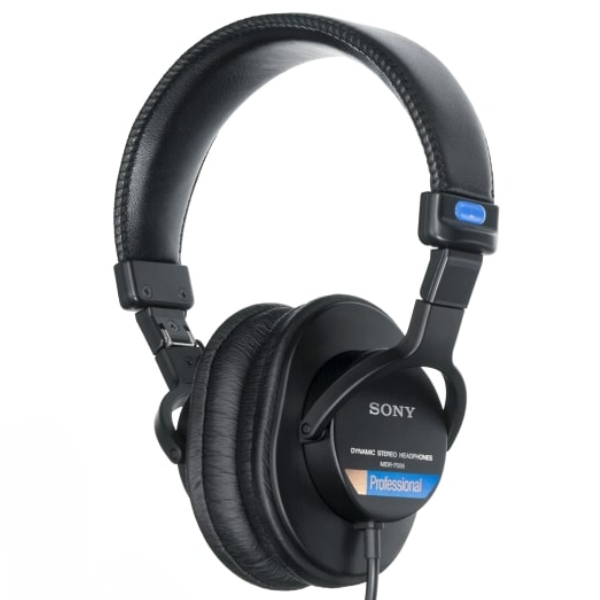
- Physical Serviceability: Can you replace the ear pads yourself? Are the hinges held by screws or glue? The Sony MDR-7506, a legendary wired model, has remained a staple for decades specifically because every part is replaceable.
- Wired Override: In 2026, many wireless headphones are removing the 3.5mm or USB-C audio jack. Avoid these. A physical connection is your fail-safe for when the battery eventually loses its ability to hold a charge.
FAQ: Consumer Reliability Queries
Q: Are expensive headphones always more reliable? A: Not necessarily. The data shows that mid-range "workhorse" brands like Audio-Technica often outperform luxury brands in mechanical longevity because they use simpler, time-tested designs. You are often paying for features (ANC, sensors, branding) rather than durability.
Q: How often should I expect to replace my wireless headphones? A: According to the Consumer Reports survey, the average lifespan of a premium wireless headset is currently 4.2 years, with battery degradation being the primary cause of replacement. Choosing a brand with high reliability scores can push this toward 6 or 7 years.
Q: Does weather affect headphone reliability? A: Absolutely. High humidity and extreme cold are the enemies of internal circuitry and lithium-ion batteries. Sennheiser and Bose generally receive higher marks for "environmental resilience" due to better sealing around the earcups.
Final Thoughts: The Authority of Choice
In the end, reliability is about peace of mind. As a traveler, there is nothing more frustrating than having your ANC fail over the Atlantic or your Bluetooth disconnect in the middle of a high-stakes briefing. By following the 2026 Consumer Reports rankings, you aren't just buying a gadget; you're investing in a tool that respects both your time and your capital.
Prioritize the build quality of Audio-Technica, the pedigree of Sennheiser, or the unparalleled comfort of Bose. Whichever path you choose, let data be your guide in an era where "new" doesn't always mean "better."