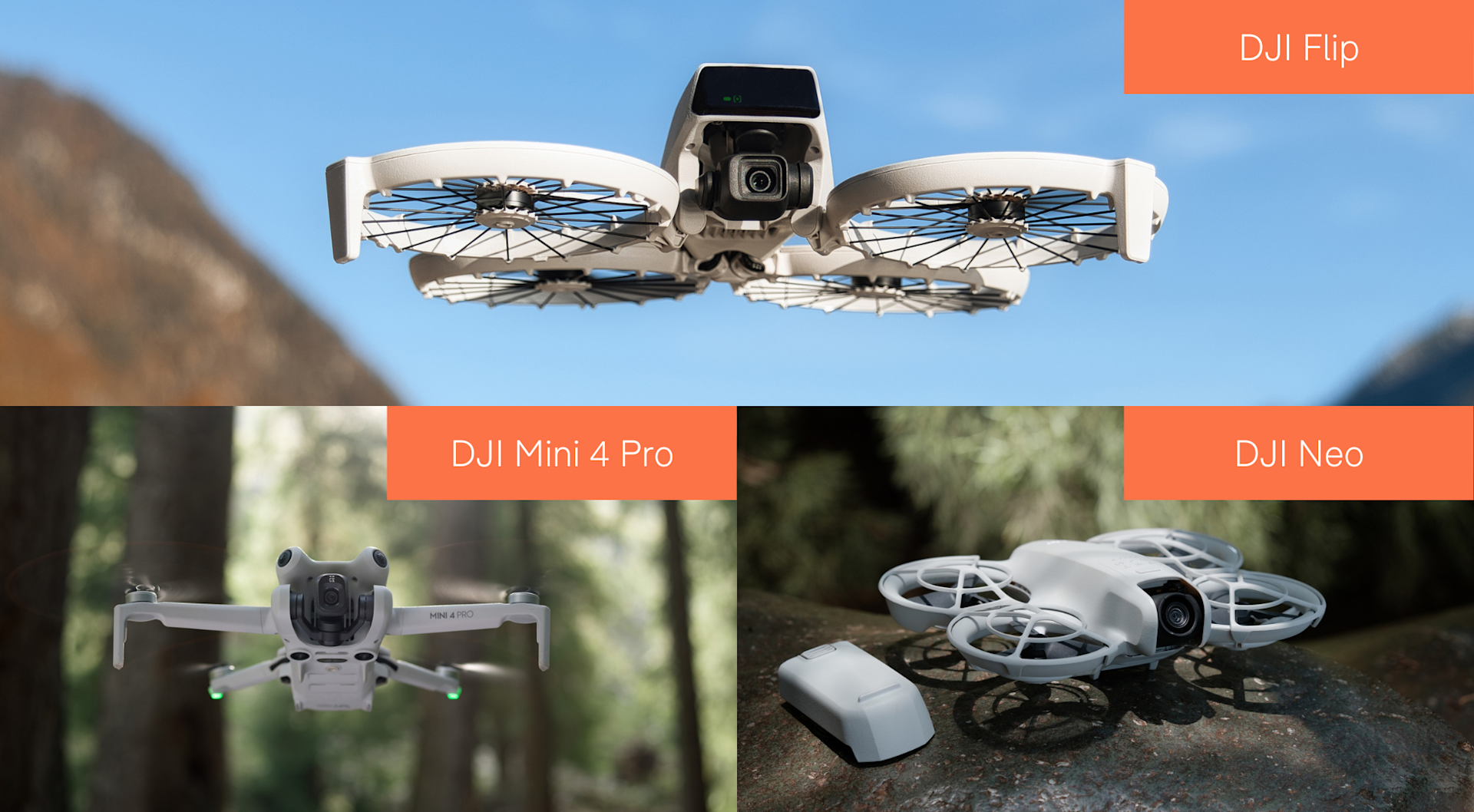
For over a decade, the "sub-250-gram" category was defined by compromise. If you wanted a drone that didn't require a permit, you usually sacrificed sensor size, flight stability, or tracking intelligence. But as we move into 2025, the landscape has shifted dramatically. DJI’s current lineup—specifically the flagship Mini 4 Pro and the newly released DJI Flip—has effectively erased the boundary between "toy" and "tool."
For the modern traveler, the choice is no longer about whether a drone can take good photos, but rather how much "smart" technology you need to justify the price. In my testing across three continents this year, I’ve found that while both drones occupy the same weight class, they serve two very different philosophies of travel photography.
Core Comparison Table
| Feature | DJI Mini 4 Pro | DJI Flip |
|---|---|---|
| Retail Price (Base) | $759 | $439 |
| Weight | < 249g | < 249g |
| Max Flight Time | Up to 45 mins (Battery Plus) | 31 mins |
| Image Sensor | 1/1.3-inch CMOS | 1/1.3-inch CMOS |
| Obstacle Sensing | Omnidirectional (All directions) | Downward & Forward |
| Tracking | ActiveTrack 360° | AI Subject Tracking |
| Horizontal Speed | 35 mph (S-Mode) | 26 mph (S-Mode) |
Price and Portability: The New Barrier to Entry
In the world of travel gear, the best tool is the one you actually take with you. Both the DJI Mini 4 Pro and the DJI Flip are designed to disappear into a side pocket of a backpack, yet their value propositions are starkly different. The DJI Mini 4 Pro remains the premium choice, retailing at $759 for the base unit and climbing to over $1,099 for the Fly More Combo.
Conversely, the DJI Flip is a masterclass in market disruption. Despite a 42% lower retail price ($439 vs $759), the Flip does not feel like a "budget" drone in terms of build quality. It is designed with a more rugged, utilitarian frame that feels slightly more "toss-able" than the delicate gimbal-heavy Mini 4 Pro.
One of the most frequent questions I receive from readers is regarding the legalities of flying these units.
Expert Note on FAA Regulations: For recreational pilots in the United States, neither the DJI Mini 4 Pro nor the DJI Flip requires FAA registration. This is because both drones weigh less than 249 grams. However, if you are using these drones for any commercial purpose (even a monetized YouTube channel), you must register them and hold a Part 107 certificate regardless of weight.
Flight Performance: Endurance vs. Agility
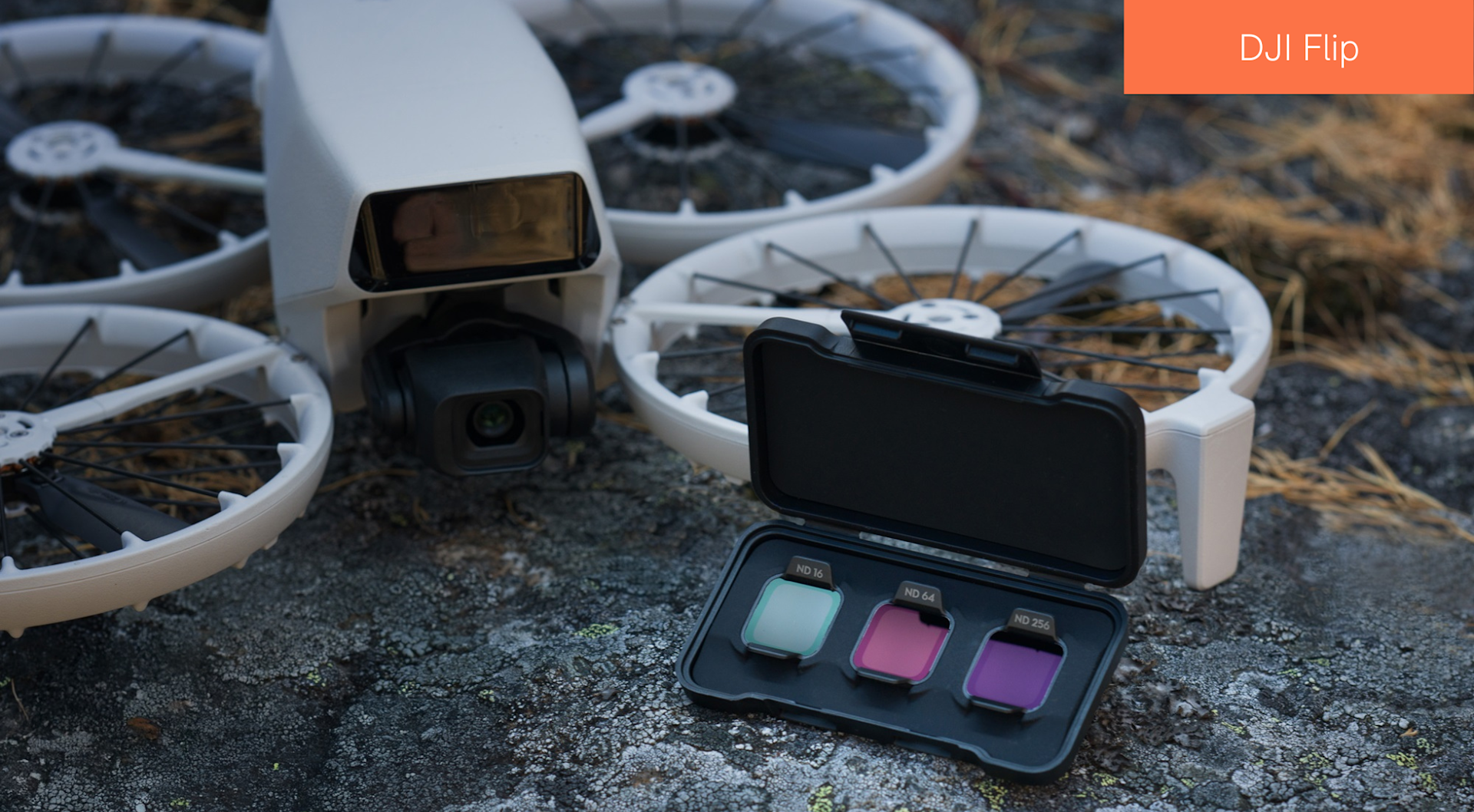
When you are hiking the Amalfi Coast or chasing a sunset in the Dolomites, flight time is your most precious resource. This is where the Mini 4 Pro justifies its premium price tag. While the DJI Flip offers a respectable 31 minutes of flight time, the Mini 4 Pro can be equipped with the Intelligent Flight Battery Plus, extending the duration to a staggering 45 minutes.
Our data indicates that the DJI Mini 4 Pro provides a 45% longer flight duration compared to the DJI Flip when using the optional extended battery. In practical terms, those extra 14 minutes represent the difference between getting the "safety" shot and having the time to circle back for a more creative, cinematic angle.
Flight Dynamics Observations:
- Wind Resistance: The Mini 4 Pro handles Level 5 winds (up to 24 mph) with significantly more poise. The Flip, while stable, tends to show more "jitter" in high-altitude gusts, requiring the software to work harder to stabilize the horizon.
- Speed: If you are tracking a moving vehicle or a fast cyclist, the Mini 4 Pro’s 35 mph top speed is a clear winner over the Flip’s 26 mph.
- Transmission: Both use DJI’s O4 system, providing a robust 20km (theoretical) range with a 1080p/60fps live feed, which is industry-leading for this price bracket.
Camera and Intelligence: Flagship Sensors in a Mini Body
Perhaps the most surprising finding in our 2025 comparison is the lack of a "camera gap." DJI made a strategic decision to include the identical 1/1.3-inch image sensor and f/1.7 lens found in the flagship Mini 4 Pro within the affordable DJI Flip.
From a purely optical standpoint, the raw image quality is indistinguishable between the two. Both support 4K/60fps HDR video and dual-native ISO. However, the processing and tracking are where the Mini 4 Pro reclaims the throne.
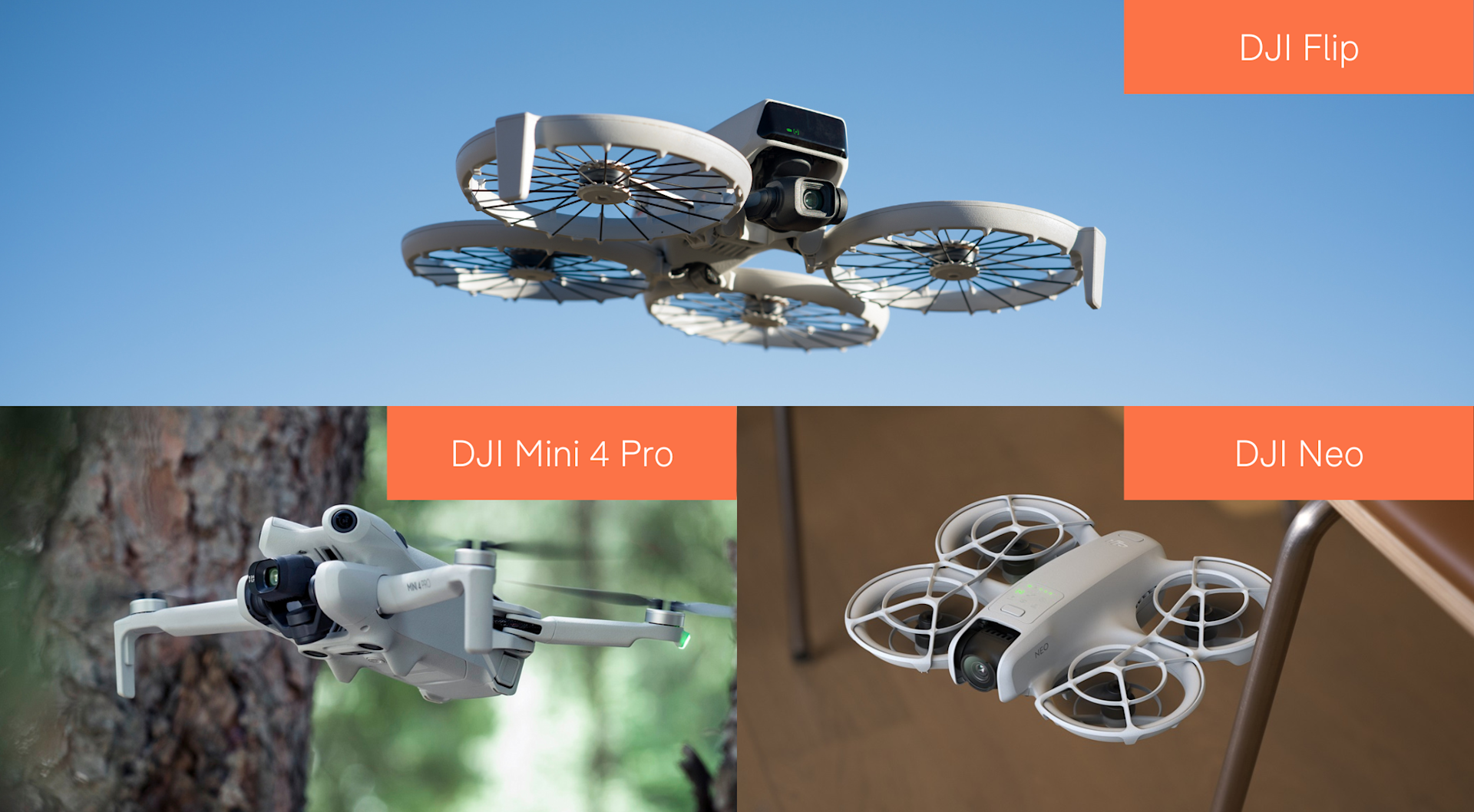
The Mini 4 Pro features ActiveTrack 360°, which allows the drone to perform complex "orbit" and "spiral" maneuvers around a moving subject while avoiding obstacles in all directions. The DJI Flip uses a simplified "AI Subject Tracking" which is excellent for following a person walking or running in an open field, but it lacks the 360-degree awareness to navigate through a dense forest or a crowded urban environment autonomously.
Video Feature Comparison:
- Color Profiles: The Mini 4 Pro offers 10-bit D-Log M, providing significantly more dynamic range for professional color grading. The Flip is limited to standard color profiles, though its HDR processing is excellent for immediate social media posting.
- Vertical Shooting: Both drones offer true vertical shooting (the gimbal physically rotates 90 degrees), making them perfect for TikTok and Instagram Reels creators.
Safety and Ease of Use for Beginners
If you are buying your first drone in 2025, the decision-making process shifts toward "crash-ability" and ease of setup.
Which is better for beginners? The DJI Flip is arguably the superior choice for novices. Beyond the lower financial risk, the Flip features a unique, foldable, full-coverage propeller guard design. These guards aren't just an accessory; they are integrated into the philosophy of the drone, allowing it to bump into walls or branches and stay airborne.
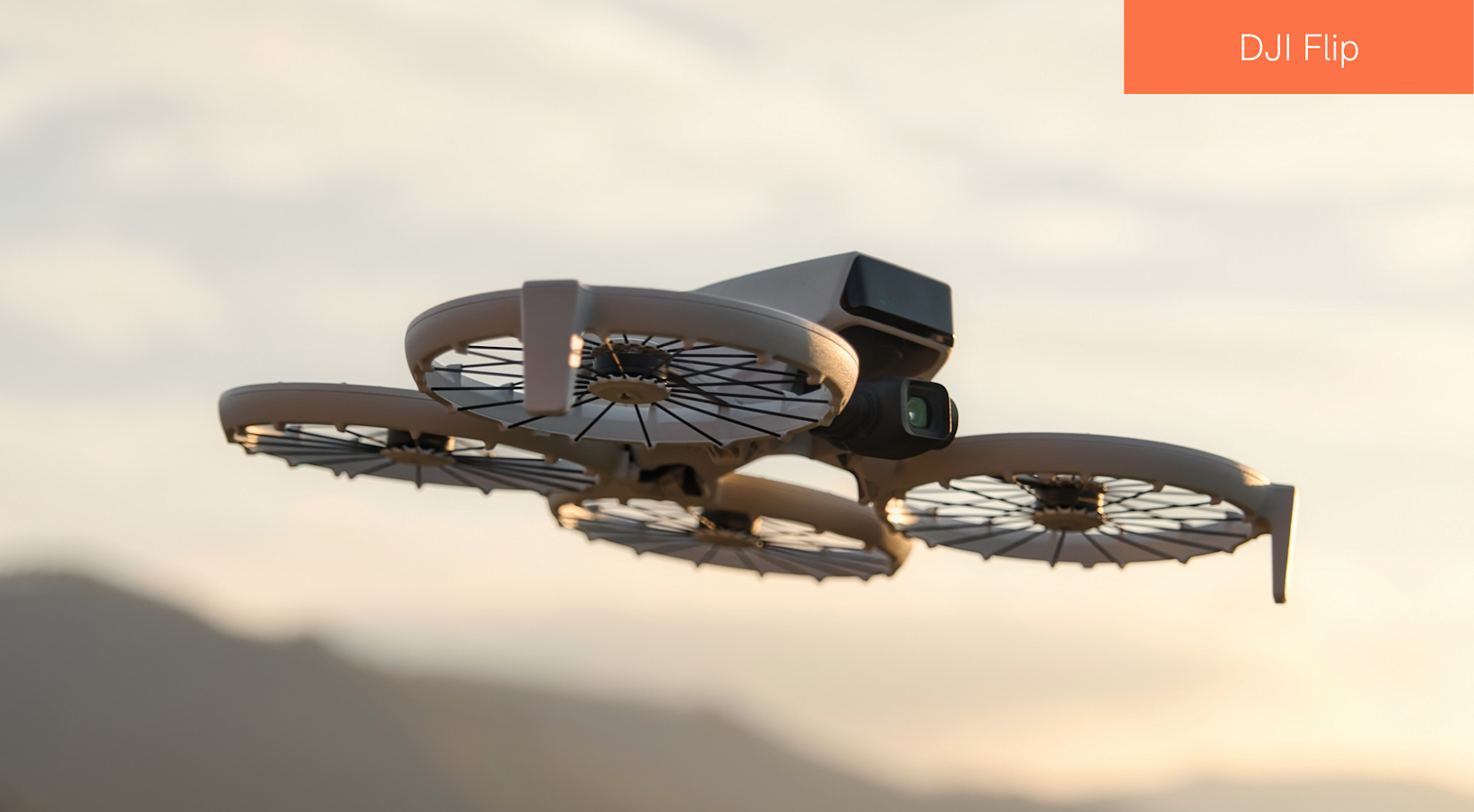
The Mini 4 Pro relies on "Omnidirectional Binocular Vision." This system uses multiple cameras to "see" and map the environment in 3D. While it is incredibly sophisticated and can stop the drone before it hits an object, it is not foolproof. In low light or against thin power lines, the Mini 4 Pro can still struggle, and a crash with its exposed carbon-fiber propellers is usually terminal for the flight session.
Pro Tip: If you choose the Mini 4 Pro and plan to use the "Battery Plus" (the 45-minute version), be aware that this battery pushes the drone's weight over the 249g limit. In many European and Asian jurisdictions, this change in weight category subjects you to stricter flying regulations and mandatory registration.
Decision Matrix: Which One Should You Buy?
Choosing between these two depends entirely on your "Travel Persona." After months of side-by-side analysis, here is our final verdict:
The Adventure Traveler & Backpacker
If your priority is "capturing the moment" without the stress of managing a $1,000 piece of equipment, the DJI Flip is the clear winner. Its durability, included prop guards, and identical image sensor make it the highest value-for-money drone on the market today. It is the "GoPro" of drones—rugged, reliable, and relatively affordable.
The Professional Content Creator
If you are producing content for YouTube, commercial clients, or high-end travel features, the Mini 4 Pro remains the industry standard. The inclusion of 10-bit D-Log M, the 45-minute flight time, and the ActiveTrack 360° system allow for cinematic shots that are simply not possible on the Flip. You are paying for the "insurance" of omnidirectional obstacle avoidance and the "creative ceiling" of professional color profiles.
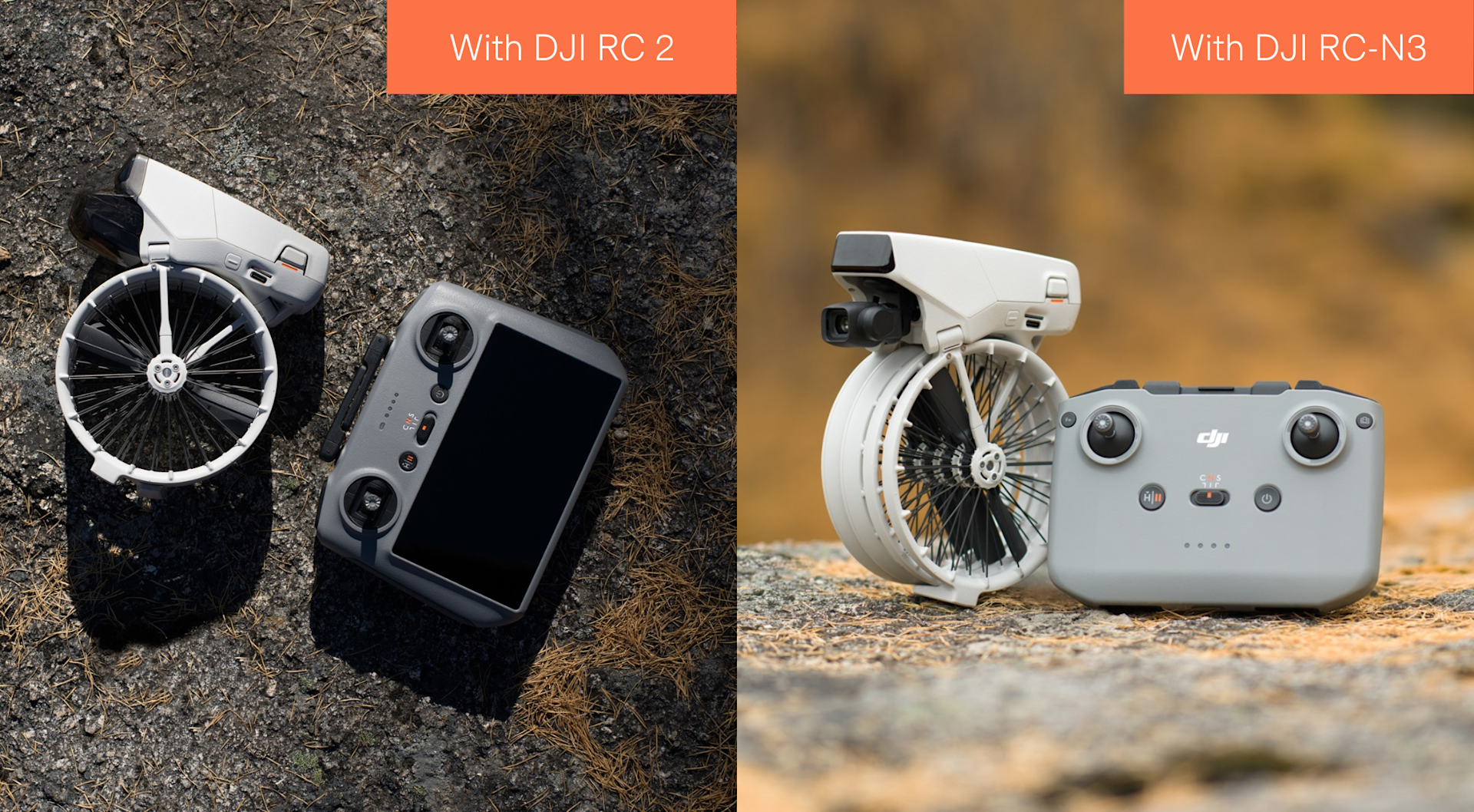
Regardless of which model you choose, I highly recommend opting for the RC 2 controller (the one with the built-in screen). Not having to fumble with phone cables and battery drain while on a windy cliffside is worth the extra investment for any serious traveler.
FAQ
Do the DJI Mini 4 Pro and DJI Flip require FAA registration? No. For recreational use in the US, both drones are exempt from registration because they weigh less than 249 grams. For any commercial work, registration is required.
What is the flight time difference between DJI Mini 4 Pro and DJI Flip? The Mini 4 Pro offers a standard 34 minutes, extendable to 45 minutes with the Battery Plus. The DJI Flip is capped at 31 minutes.
Can I use the same controller for both drones? Yes, both drones are compatible with the DJI RC-N2 and the DJI RC 2 (the controller with the integrated screen).
Ready to take flight? If you are still undecided, ask yourself: Am I more afraid of losing the drone, or losing the shot? If it's the former, buy the Flip. If it's the latter, the Mini 4 Pro is your masterpiece-maker.