We’ve all been there. You’re sitting at a busy intersection, eyes on a gap in traffic that’s closing fast. You see your opening, you mash the pedal to the floor, and for a heart-stopping second, absolutely nothing happens. Your engine hesitates, the computer "thinks," and by the time the power actually kicks in, that gap is gone. In the world of modern driving, we call this the "dead space," and if you’re driving a vehicle with a drive-by-wire system—which is almost every car made in the last 20 years—you’ve felt it.
As someone who spends most of my life navigating off-the-beaten-path trails and pushing expedition rigs to their limits, I can tell you: throttle lag isn't just an annoyance. It’s a performance killer. Whether you’re trying to overtake a slow-moving semi on a two-lane highway or crawling up a steep incline in the backcountry, you need your vehicle to respond the moment your foot moves. The good news? You don't have to live with that factory-programmed hesitation. There is a "10-second trick" used by professional drivers to bypass this delay instantly, along with hardware solutions that can permanently transform your driving experience.

The 10-Second Trick: The Left-Foot Braking Drill
If you want instant power right now without spending a dime or opening the hood, you need to master the Left-Foot Braking Drill. This is a technique I first learned while testing rally cars, but it’s remarkably effective for modern street cars, especially those equipped with turbochargers.
The goal here is to "pre-load" your engine so that the moment you need to move, the power is already waiting at the flywheel. Here is exactly how to do it:
- Plant your left foot firmly on the brake pedal while your vehicle is at a complete stop.
- With your right foot, gently press the accelerator until your tachometer reads approximately 2,000 RPM. You’ll feel the car straining slightly against the brakes—this is normal.
- Hold this position for no more than 2-3 seconds as you wait for your gap in traffic.
- Simultaneously release the brake and floor the accelerator.
By doing this, you are effectively bypassing the "ramp-up" period of the engine. Because you’ve already brought the RPMs up, the engine is already in its power band, and if you have a turbocharger, it’s already spooled up and producing boost. Instead of waiting for the digital signal to travel from your pedal to the ECU and then waiting for the physical components to catch up, the power is delivered instantaneously the second that brake pressure drops.
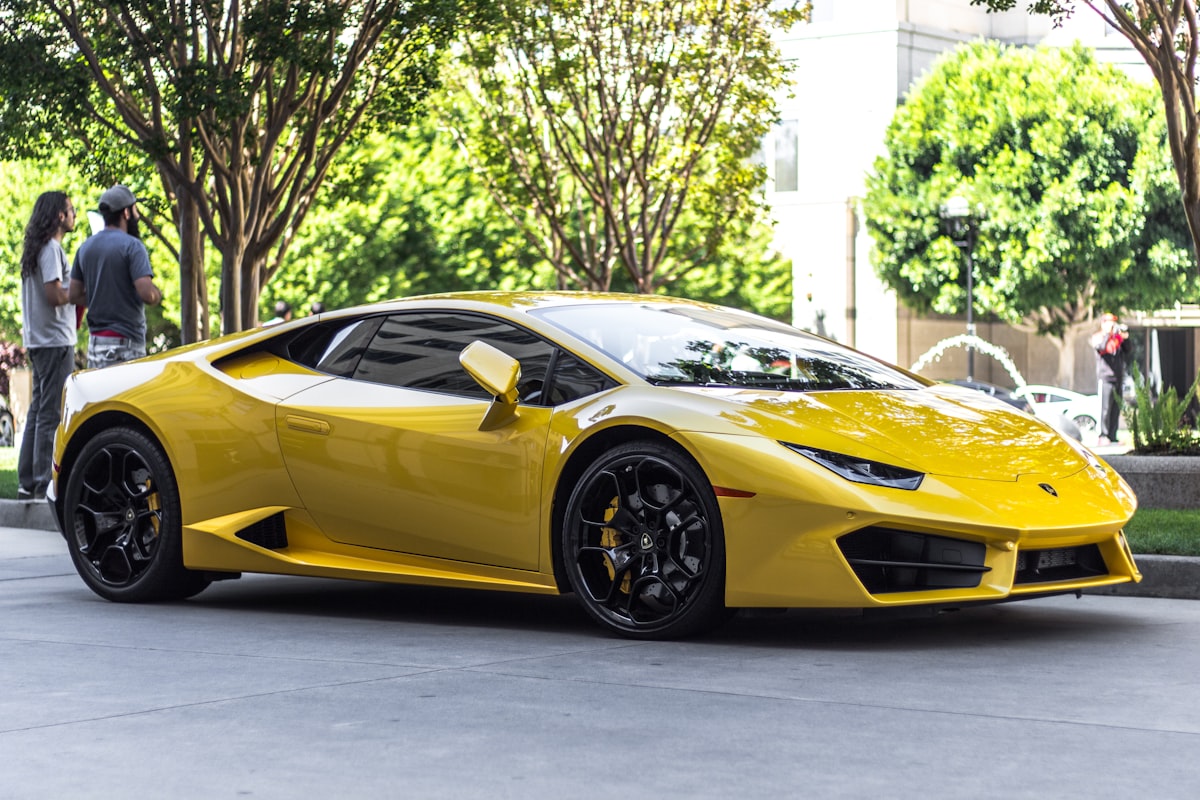
This isn't just a "hack" for the street; it’s a foundational skill in high-performance driving. Professional drivers and F1 teams utilize left-foot braking to overlap pedal inputs, allowing them to maintain engine momentum through high-speed corners. By keeping the engine "on the boil," pros can shave an average of 0.2 to 0.5 seconds per lap. When you apply this to a highway merge, that half-second is the difference between a smooth entry and a white-knuckle emergency maneuver.

Why Your Car Has Lag: The Science of Drive-by-Wire
To fix a problem permanently, you have to understand why it exists. In the "old days," a physical steel cable connected your gas pedal to the engine’s throttle plate. When you moved your foot, the plate moved. Simple.
Modern cars use Drive-by-Wire (DbW). When you press the pedal, you’re actually just pushing a sensor that sends an electrical signal to the Engine Control Unit (ECU). The ECU then decides how much to open the throttle based on a variety of factors: fuel economy, emissions standards, and "driver comfort."
Manufacturers deliberately program a delay into this signal. Why? Because a linear, 1-to-1 throttle response can feel "jerky" to the average commuter. They tune the car to be soft and predictable, which unfortunately results in significant signal latency. Furthermore, in turbocharged vehicles, you face the double whammy of Turbo Lag—the time it takes for exhaust gases to spin the turbine fast enough to force air into the engine. When digital latency meets mechanical turbo lag, the result is that sluggish, unresponsive feeling we all hate.
Permanent Fixes: Beyond the Driving Hack
While the 10-second drill is great for a quick launch, you don't want to be left-foot braking at every single stoplight—it puts unnecessary wear on your brake pads and drivetrain. If you want that "instant-on" feeling every time you touch the pedal, you need to look at hardware and maintenance.
1. Cleaning the Throttle Body
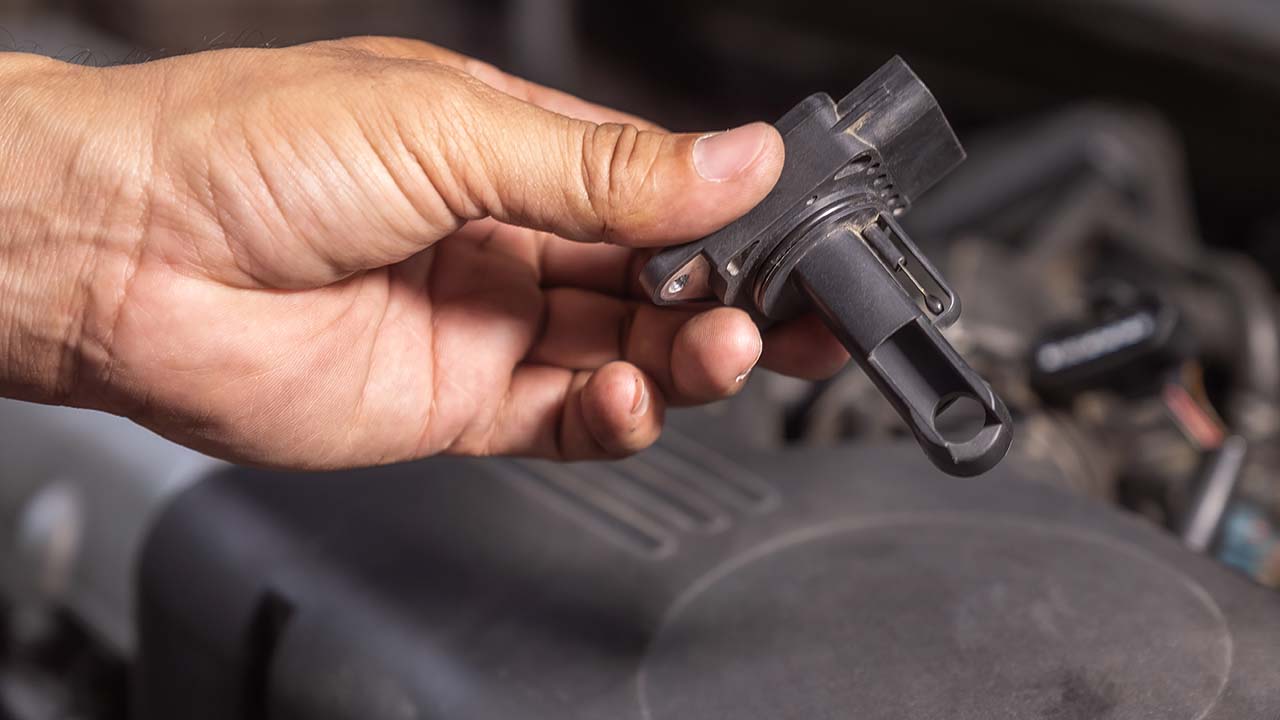
Before you go buying gadgets, check the basics. Over time, carbon deposits and oil vapors can create a "gummy" build-up around the throttle plate. This physical gunk causes the butterfly valve to stick or move slowly, mimicking the feeling of electronic lag. A $10 can of throttle body cleaner and twenty minutes of your time can often restore a significant amount of lost responsiveness.
2. Electronic Throttle Controllers
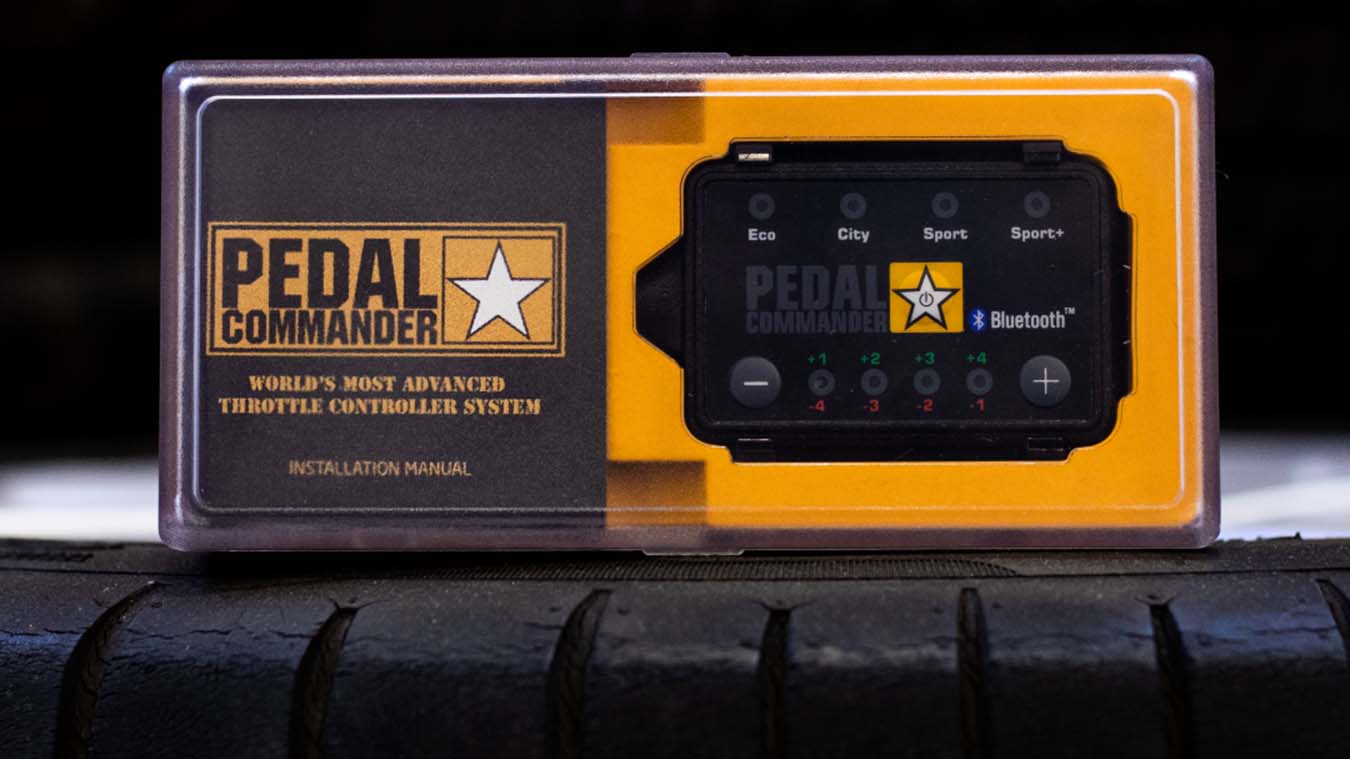
If your car is clean but still feels "lazy," the most effective solution is a throttle response controller. Devices like the Pedal Commander sit between your pedal sensor and the ECU. They don't add horsepower; instead, they remap the signal curve.
Standard OEM settings might require you to push the pedal 50% down just to get 25% throttle opening. A controller can change that so 25% pedal input equals 50% or even 75% throttle opening. High-quality controllers can reduce signal latency by up to 65%, effectively deleting the factory-programmed delay and making the car feel significantly faster and more "awake."
Eliminate Lag with Pedal Commander →
3. ECU Tuning & Air Intake Upgrades
For the enthusiast who wants to go deeper, a full ECU tune (or "reflash") can rewrite the engine's entire operating logic. This allows for more aggressive timing, better air-fuel ratios, and the complete removal of factory throttle limiters. Pairing a tune with a Cold Air Intake ensures the engine isn't just responding faster, but is also breathing more efficiently, which helps turbocharged engines spool up and eliminate lag even faster.
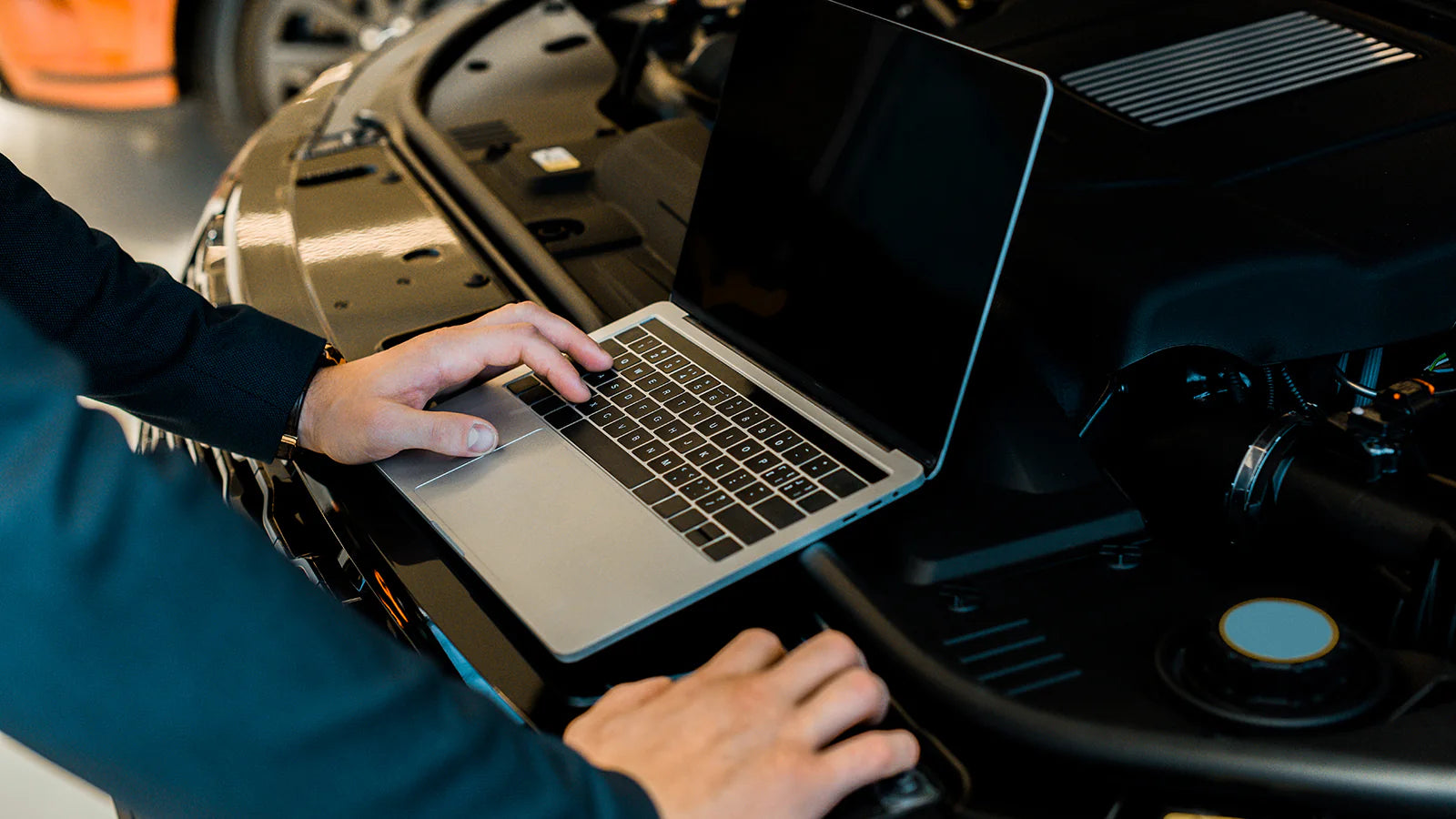
Comparing Your Options: Quick Fix vs. Permanent Solution
Depending on your budget and how much you value your time, here is how the primary methods of fixing throttle lag stack up:
| Feature | Left-Foot Braking (Drill) | Throttle Controller (e.g. Pedal Commander) | ECU Tuning (Software) |
|---|---|---|---|
| Cost | Free | $250 - $350 | $500 - $1,500 |
| Ease of Use | Requires practice | Plug & Play | Professional required |
| Safety | High wear on brakes/trans | Safe (No engine stress) | Potential warranty issues |
| Lag Reduction | Instant (Manual) | Up to 65% (Digital) | Full Optimization |
| Ideal For | Quick launches/Emergency | Daily driving/Towing | Track/Performance builds |
Pro Tip: If you drive a manual transmission, the "10-second drill" is much harder to execute. You’ll need to master the "Heel-Toe" technique—using your right heel to blip the throttle while your right toes are on the brake—to keep the RPMs up during downshifts or launches.
Safety and Sustainability: A Word of Caution
While I love the rush of an instant launch, it’s important to be smart. Left-foot braking, if overused, generates immense heat in your braking system and puts "shock" stress on your transmission and CV axles. It’s a tool for specific moments, not a lifestyle.
Similarly, when choosing a throttle controller, always opt for a brand with a "bypass" mode. If the electronics ever fail, you want to be able to return to stock settings instantly. Safety should always be your baseline; performance is the ceiling we’re trying to raise.
Conclusion: Taking Control of Your Acceleration
You don't have to accept the sluggish, "mushy" feeling that modern manufacturers have programmed into your vehicle. Whether you’re using the 10-second left-foot braking trick to nail a perfect merge or installing a Pedal Commander to permanently delete that digital hesitation, the goal is the same: making your car an extension of your intent.
For the average commuter, a throttle controller is the single best bang-for-your-buck upgrade you can make. It restores the connection between your foot and the pavement, making every drive—from the grocery run to the mountain pass—more engaging and, frankly, more fun.
FAQ
Q: Does left-foot braking damage my car?
A: If done briefly (2-3 seconds) to prepare for a launch, it causes minimal wear. However, "riding the brakes" while accelerating for extended periods will overheat your brake pads and rotors and can cause premature wear on your transmission's torque converter.
Q: Will a throttle controller void my warranty?
A: Most plug-and-play controllers like the Pedal Commander do not leave a footprint on the ECU. Since they only modify the signal to the computer and not the computer's software itself, they are generally considered warranty-safe, especially if removed before a service appointment.
Q: Why don't car manufacturers just fix throttle lag at the factory?
A: Manufacturers prioritize fuel economy and "smoothness" for the widest possible audience. They also use throttle dampening to protect the drivetrain from aggressive drivers, reducing long-term warranty claims for broken parts.
Ready to Feel the Difference?
Don't let a computer chip decide when you get to move. Start practicing your pedal finesse today, or check out our top-rated hardware solutions to give your rig the "snap" it deserves.