Quick Facts
- First Case: Confirmed by the Google Threat Intelligence Group on May 11, 2026.
- Target: A critical 2FA bypass within a Python-based open-source system administration tool.
- Identification Marker: Presence of hallucinated CVSS scores and textbook-style Python artifacts in the code.
- Escalation Metric: 90 zero-day exploits detected in 2025, marking a 15% increase over 2024.
- Defensive Success: AI integration allowed teams like Mozilla to fix hundreds of security bugs in a single month.
- Primary Risk: AI now acts as a force multiplier for vulnerability weaponization and automated reconnaissance.
The first documented zero-day exploit developed using a large language model was identified by the Google Threat Intelligence Group (GTIG) in May 2026. This vulnerability targeted a Python script within a web-based system administration tool, specifically designed to bypass two-factor authentication. Researchers confirmed the direct involvement of artificial intelligence by analyzing specific code strings and identifying a hallucinated CVSS score, which is a common error found in AI-generated content.
The 2026 Milestone: GTIG Unveils the First AI-Generated Zero-Day
The cybersecurity landscape shifted significantly on May 11, 2026, when the Google Threat Intelligence Group (GTIG) documented the first confirmed case of a cybercriminal using a zero-day exploit developed with artificial intelligence. For years, the security community debated when a large language model would finally cross the line from assisting researchers to autonomously weaponizing a previously unknown flaw. That moment has arrived, and it targeted a common two-factor authentication bypass in an open-source web administration tool.
This milestone is a direct consequence of the massive growth in vulnerability discovery. In 2025 alone, the number of detected zero-day exploits reached 90, which represents a 15% increase over the 78 exploits recorded just a year earlier. The arrival of AI-weaponized vulnerability research marks a new era of industrial-scale cyberattacks, necessitating a fundamental change in how to handle zero-day vulnerability management.
As threat actors adopt agentic frameworks, the time required to turn a security bug into a functional attack tool has plummeted. What once took weeks of manual reverse-engineering can now be accomplished in hours. This recent zero-day attack serves as a wake-up call for organizations still relying on manual patching cycles and traditional perimeter defenses.
Anatomy of AI Exploits: Logic Errors and Forensic Fingerprints
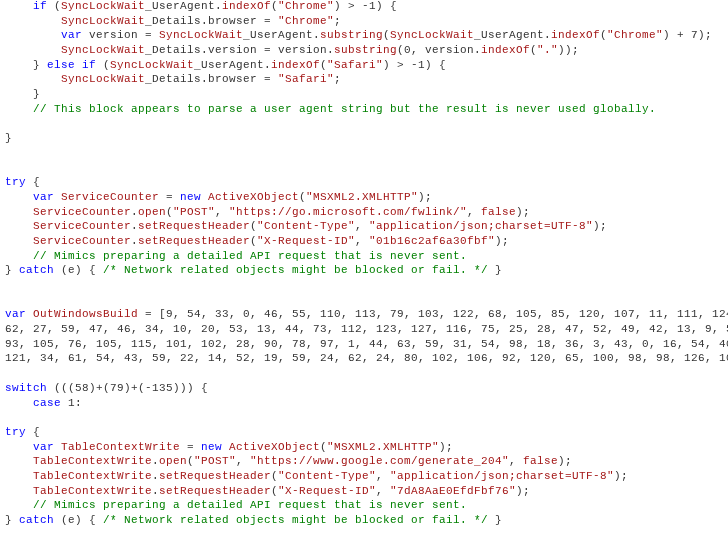
The exploitation of the system administration tool was not discovered through traditional traffic monitoring alone. Instead, it was the forensic artifacts within the exploit code itself that pointed toward a large language model. Security researchers found that the code contained hallucinated CVSS scores and excessive educational docstrings, which are hallmark traits of textbook-style Python structures used in large language model training data.
Identifying the AI Author
Researchers use several specific markers to distinguish human-written malware from AI-generated variants:
| Forensic Marker | AI Characteristic | Impact on Detection |
|---|---|---|
| CVSS Hallucinations | Predictive text adds fake severity scores | Immediate indicator of LLM involvement |
| Docstring Density | Over-explaining logic within the code | Deviates from lean, professional malware |
| Textbook Structures | Strict adherence to training data patterns | Makes code predictable for defensive AI |
| Logic Mirroring | Code reflects common public repositories | Allows researchers to trace training sources |
By analyzing these patterns, GTIG was able to confirm that the zero-day exploit was not the work of a lone human developer but rather the output of a model trained on legacy security repositories. Specifically, the structure mirrored known coding patterns from the wooyun-legacy archive, which is frequently used to verify and train AI on historical vulnerabilities. This proactive counter-discovery technique is becoming essential as more attackers attempt to hide their tracks using automated code generation.
The Attacker’s Lifecycle: From LLM Middleware to Mass Exploitation
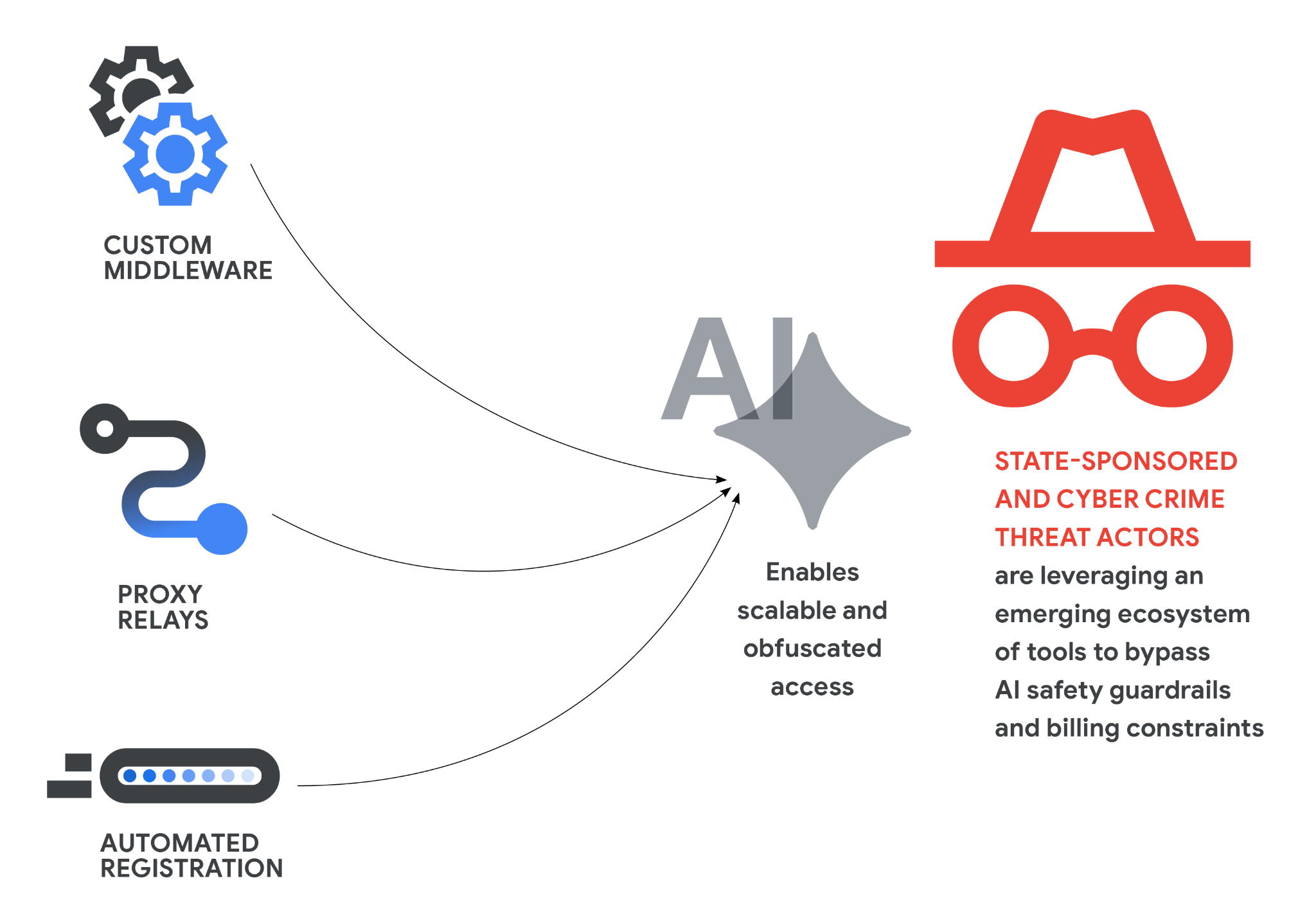
The transition from manual research to industrial-scale cyberattacks is driven by the rise of agentic frameworks and specialized middleware. Tools like OpenClaw have emerged to help attackers bypass AI safety guardrails, allowing them to use commercial models for malicious purposes. This middleware ecosystem provides a bridge between raw large language models and functional exploit payloads.
The current threat lifecycle follows a highly automated path:
- Automated Network Reconnaissance: AI scans thousands of endpoints simultaneously to identify software versions.
- Vulnerability Synthesis: LLMs scan the identified software for logic errors, such as the 2FA bypass found in May 2026.
- Weaponization: Middleware frameworks generate the zero-day exploit and test it against virtualized environments in real-time.
- Mass Exploitation: Automated scripts deploy the malware globally before the vendor has time to release a patch.
This process significantly reduces the technical barrier for adversaries. Even lower-tier cybercriminals can now deploy sophisticated, automated zero-day vulnerability attacks that were previously the sole domain of state-linked threat actors. The focus has shifted from finding one "big" bug to finding many "small" ones that can be aggregated into a massive, coordinated strike.
Defensive Evolution: How to Handle Zero-Day Vulnerabilities in the AI Era
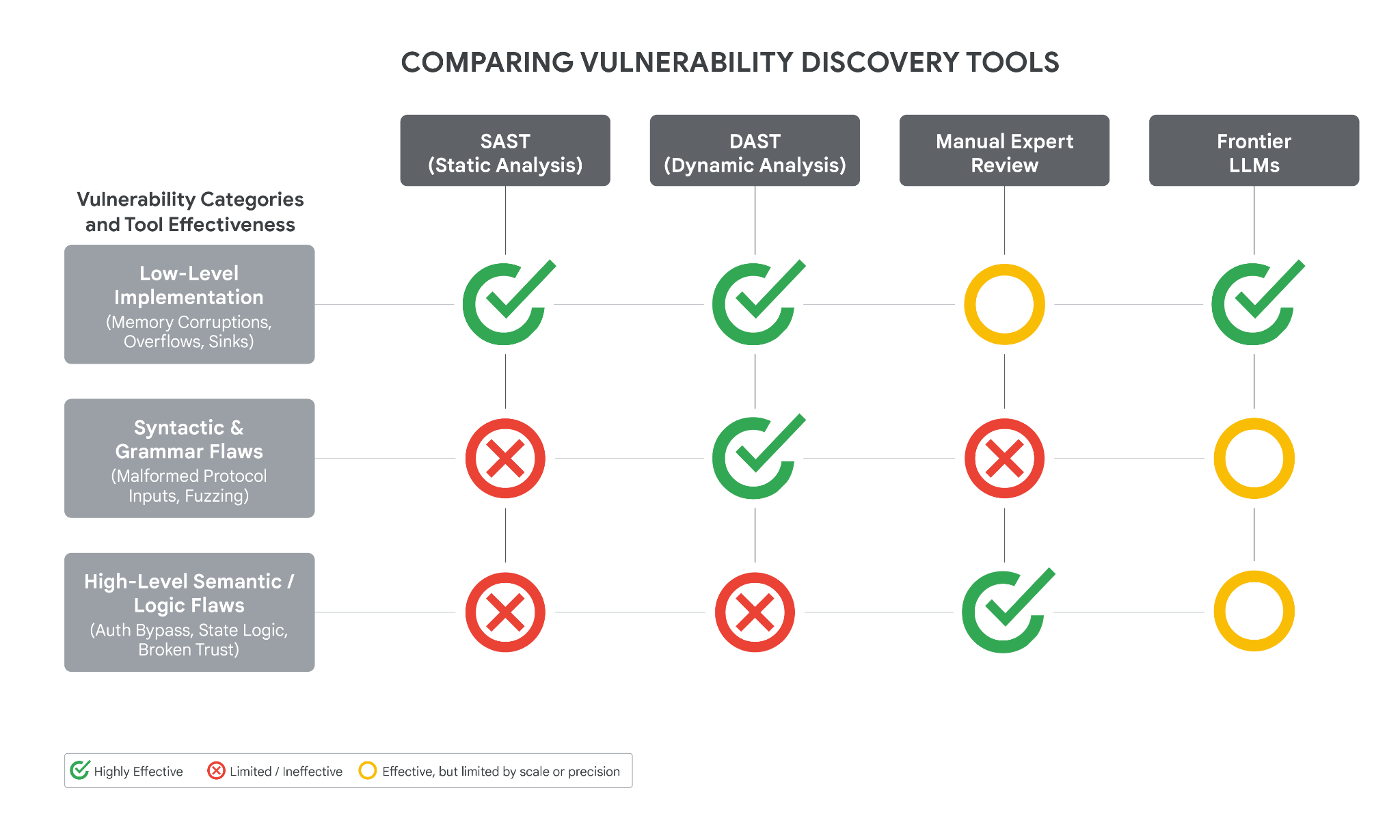
While AI has empowered attackers, it has also become a critical force multiplier for defensive security research. The same technology used to build a zero-day exploit can be leveraged to find and fix security bugs before they are ever weaponized. Effective incident response for zero day exploits now depends on integrating these tools into the software development life cycle.
A primary example of defensive success comes from Mozilla, where developers utilized AI tools to identify and fix 423 security bugs in a remarkably short window. By using large language models to scan codebases for patterns and potential vulnerabilities, organizations can achieve a level of proactive counter-discovery that was once impossible.
Best Practices for Rapid Response
To stay ahead of AI-assisted malware development, organizations should adopt several key strategies:
- Real-Time Threat Intelligence: Transition from weekly reports to live data feeds that track emerging exploit patterns.
- Proactive Codebase Scanning: Use LLMs to audit internal software for common logic errors and textbook vulnerability patterns.
- Accelerated Patching: Shrink the disclosure-to-patch window by using AI to generate and test potential security fixes automatically.
- Zero Trust Architectures: Ensure that even if a zero-day exploit bypasses one layer, the overall system remains resilient.
In this high-speed environment, zero day exploit protection is no longer just about blocking known threats. It is about anticipating how an AI might look at your code and fixing those flaws before an attacker can deploy an automated reconnaissance bot.

Beyond the Code: Global Financial Stability and Business Risk
The impact of AI-generated vulnerabilities extends far beyond the IT department. On May 7, 2026, the International Monetary Fund (IMF) issued a stern warning regarding the macro-financial risks posed by industrial-scale cyberattacks. As the convergence of IT and operational technology (OT) continues, a single zero-day exploit in a critical system could disrupt global supply chains and financial markets.
For businesses, the risk is not just about data theft; it is about the potential for massive revenue loss and reputational damage. When an AI can automate network reconnaissance against industrial facilities, the threat to physical infrastructure becomes tangible. State-linked threat actors are increasingly targeting these intersections, using sophisticated automation to probe for weaknesses in power grids and water treatment systems.
Defending against these threats requires a view that goes beyond the code. It involves understanding the broader geopolitical and economic landscape. As AI-weaponized exploits become the norm, the resilience of our global financial stability will depend on how quickly we can adapt our defensive posture to match the speed of the machines.

FAQ
What is a zero-day exploit?
A zero-day exploit is a cyberattack that targets a software vulnerability that is unknown to the software vendor or the public. Because the developers have zero days to fix the issue before it is exploited, these attacks are particularly dangerous and difficult to defend against.
How do people find zero day exploits?
Researchers and attackers find these vulnerabilities through techniques like reverse-engineering software, code analysis, and fuzzing, which involves sending massive amounts of random data to a program to find crashes. Recently, large language models have been used to automate this process by scanning code for logic errors.
Which definition best describes a zero-day exploit?
The best definition is a technique used by hackers to take advantage of a flaw in a software program or operating system that hasn't been patched. It refers to both the vulnerability itself and the code created to use that flaw for unauthorized access or damage.
Are 0-day exploits legal?
The legality depends on the intent and the context. Security researchers often find zero-day vulnerabilities legally through bug bounty programs to help companies fix them. However, developing or using them to gain unauthorized access to systems or selling them on the black market is highly illegal.
What is the most famous zero-day exploit?
One of the most famous is Stuxnet, discovered in 2010, which used multiple zero-day exploits to target and physically damage Iranian nuclear centrifuges. In more recent times, the Log4Shell vulnerability in 2021 gained fame due to its widespread presence in millions of enterprise systems worldwide.