For decades, the security of Europe’s maritime borders relied on the heavy iron of traditional naval power—multibillion-euro frigates, crewed submarines, and expensive P-8 Poseidon maritime patrol aircraft. But as the 2022 Nord Stream sabotage and increasing Russian activity in the GIUK (Greenland-Iceland-UK) gap have demonstrated, the vast, dark expanse of the seafloor remains a vulnerable blind spot. The challenge is no longer just about having the biggest hull; it is about having the most intelligent software.
The Helsing SG-1 Fathom represents a paradigm shift in this undersea chess match. An autonomous underwater glider powered by the proprietary Lura AI, the SG-1 is designed to provide persistent, high-fidelity maritime surveillance for up to three months at a time. It is the architectural cornerstone of a new "software-defined" defense strategy, moving away from centralized, vulnerable assets toward decentralized, resilient networks.
The New Frontline: Protecting Europe’s Undersea Sovereignty
The transition from traditional naval hardware to software-defined platforms is not merely a technological trend; it is a strategic necessity. In the wake of the Nord Stream pipeline attacks, European defense leaders realized that static infrastructure—cables, pipelines, and energy grids—cannot be protected by conventional means alone. The ocean is too large, and traditional assets are too scarce.
The Helsing SG-1 Fathom addresses this by serving as an autonomous sentinel. Unlike traditional drones that require constant human piloting, the SG-1 operates with a high degree of autonomy, patrolling designated sectors to detect, classify, and track subsurface threats. It is not just a vehicle; it is a node in a broader digital ecosystem.
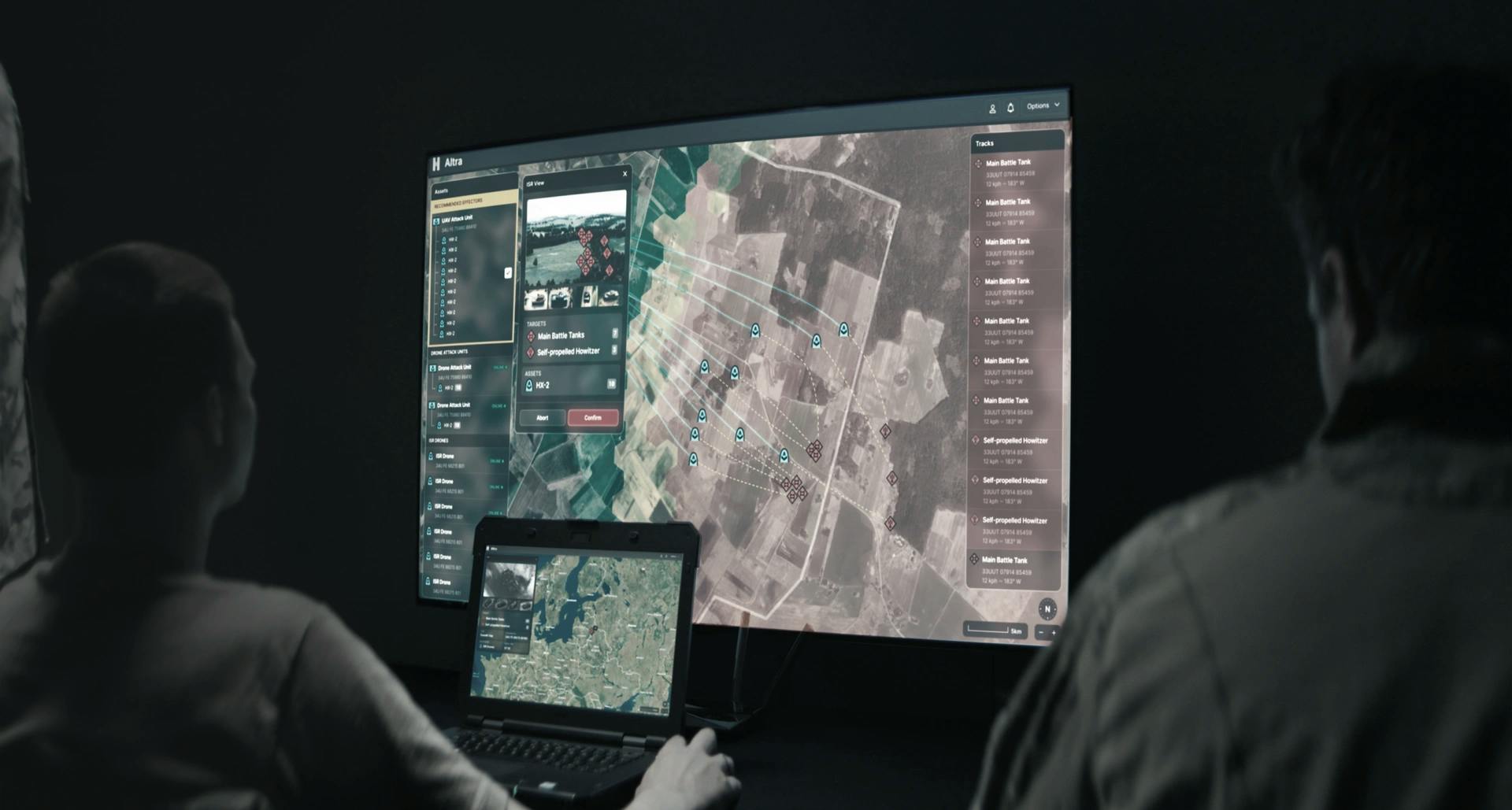
Helsing’s approach follows a clear philosophy: defense is now a software problem. By deploying autonomous systems that can "think" at the edge, Europe can achieve a level of persistent presence that was previously cost-prohibitive. The SG-1 Fathom provides a 24/7 subterranean shield, ensuring that any anomaly—from a foreign submarine to a covert sabotage team—is identified long before it reaches its target.
Lura AI: The Large Acoustic Model (LAM) Behind the Mission
The true "engine" of the SG-1 Fathom isn't its propulsion system; it is Lura. Developed by Helsing, Lura is the world’s first Large Acoustic Model (LAM) designed specifically for the underwater domain. Just as Large Language Models (LLMs) like GPT-4 process vast amounts of text to understand human language, Lura processes terabytes of underwater acoustic data to understand the "language" of the ocean.
Underwater environments are notoriously "noisy." Differentiating the sound of a whale, a commercial tanker, and a specialized Russian Kilo-class submarine requires extraordinary precision. Lura processes acoustic signatures 40 times faster than human operators, enabling near-instantaneous threat classification at the edge.
Key advantages of the Lura AI model include:
- Sensitivity: It can identify ship and submarine signatures that are 10 times quieter than those detectable by standard sonar systems.
- Granularity: Lura doesn't just identify a "vessel"; it can differentiate between specific ships within the same class by analyzing unique acoustic "fingerprints" created by engine wear or propeller cavitation.
- Edge Computing: All processing happens on the drone itself. Instead of sending raw audio files back to a base—which is impossible due to underwater bandwidth constraints—the SG-1 only transmits high-level intelligence alerts.
SG-1 Fathom Specifications: A 'Satellite Constellation' for the Sea
To appreciate the SG-1 Fathom, one must view it not as a lone actor, but as part of a "constellation." Helsing envisions a future where hundreds of these gliders form a mesh network beneath the waves, much like Starlink does in low-Earth orbit. This "swarm" capability allows a single operator to manage a constellation of over 100 SG-1 Fathom gliders simultaneously, providing coverage across thousands of square miles of ocean.
The physical hardware is designed for endurance and stealth rather than speed. By using buoyancy-based gliding rather than traditional propellers, the SG-1 moves silently through the water column, making it nearly impossible for enemy sonar to detect.
| Feature | Specification |
|---|---|
| Length | 1.95 meters |
| Weight | 60 kg |
| Operational Speed | 2 knots (gliding) |
| Endurance | Up to 3 months |
| Maximum Depth | 1,000 meters |
| AI Integration | Lura Large Acoustic Model (LAM) |
| Control Ratio | 1 Operator per 100+ Drones |
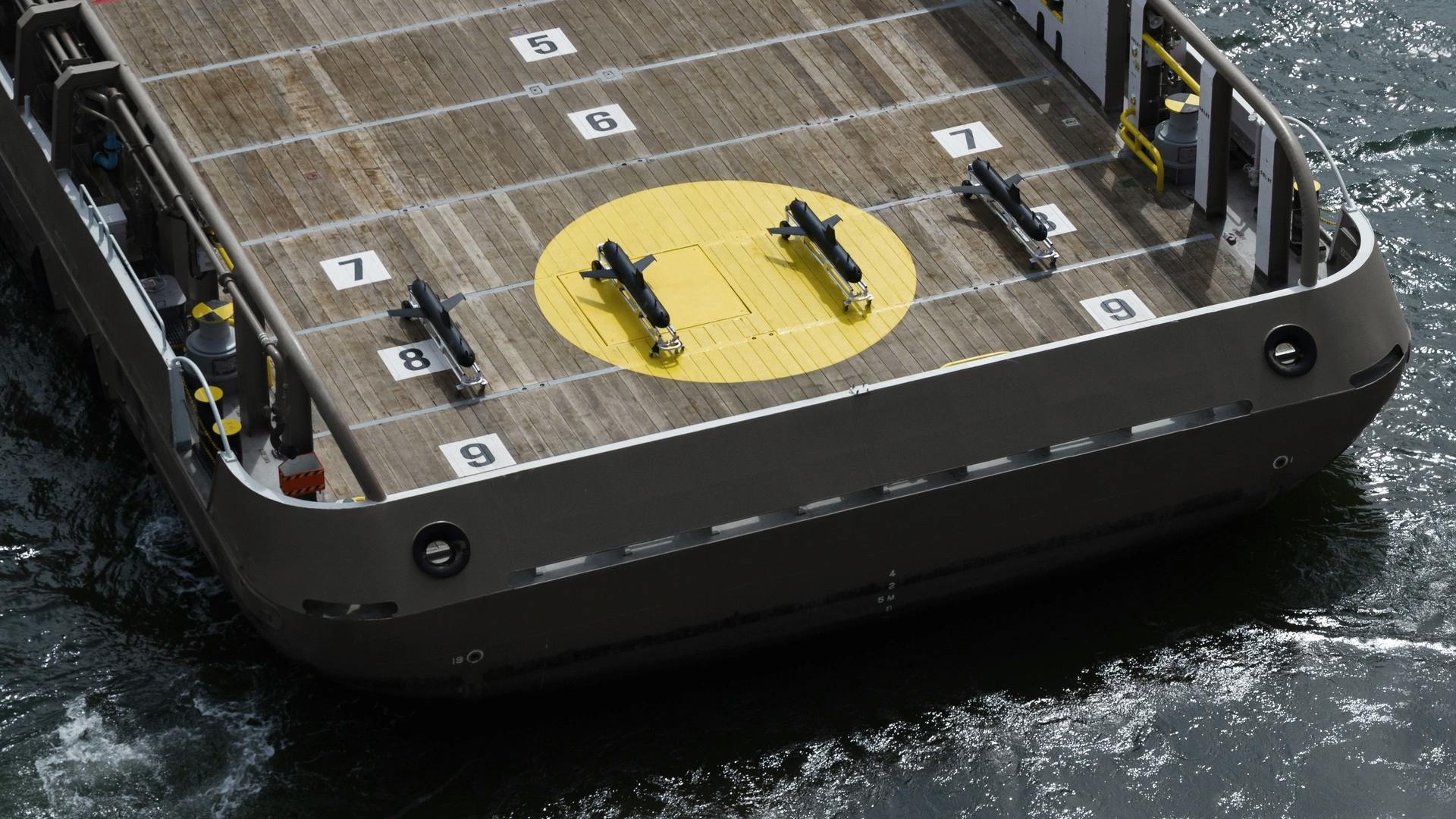
The three-month endurance is perhaps the most critical metric. Traditional Anti-Submarine Warfare (ASW) missions are limited by crew fatigue and fuel capacity. The SG-1 Fathom removes these constraints, providing a persistent "stare" that never tires. When a glider’s battery finally nears depletion, it can be easily recovered and replaced by another unit, ensuring a seamless defensive curtain.
The Economics of Modern Defense: Cost vs. Capability
As a critic, I often look at the "Value-to-Risk" ratio. In traditional naval warfare, the ratio is skewed. A €2 billion frigate can be neutralized by a relatively inexpensive torpedo or mine. The SG-1 Fathom flips this script. It offers a scalable and cost-effective alternative, operating at approximately 10% of the cost of traditional crewed ASW methods.
To achieve the mass required for effective defense, Helsing has introduced the Resilience Factory (RF-1) in Southern Germany. This facility isn't just a workshop; it’s a "factory-as-a-product" designed for the rapid mass production of autonomous systems.
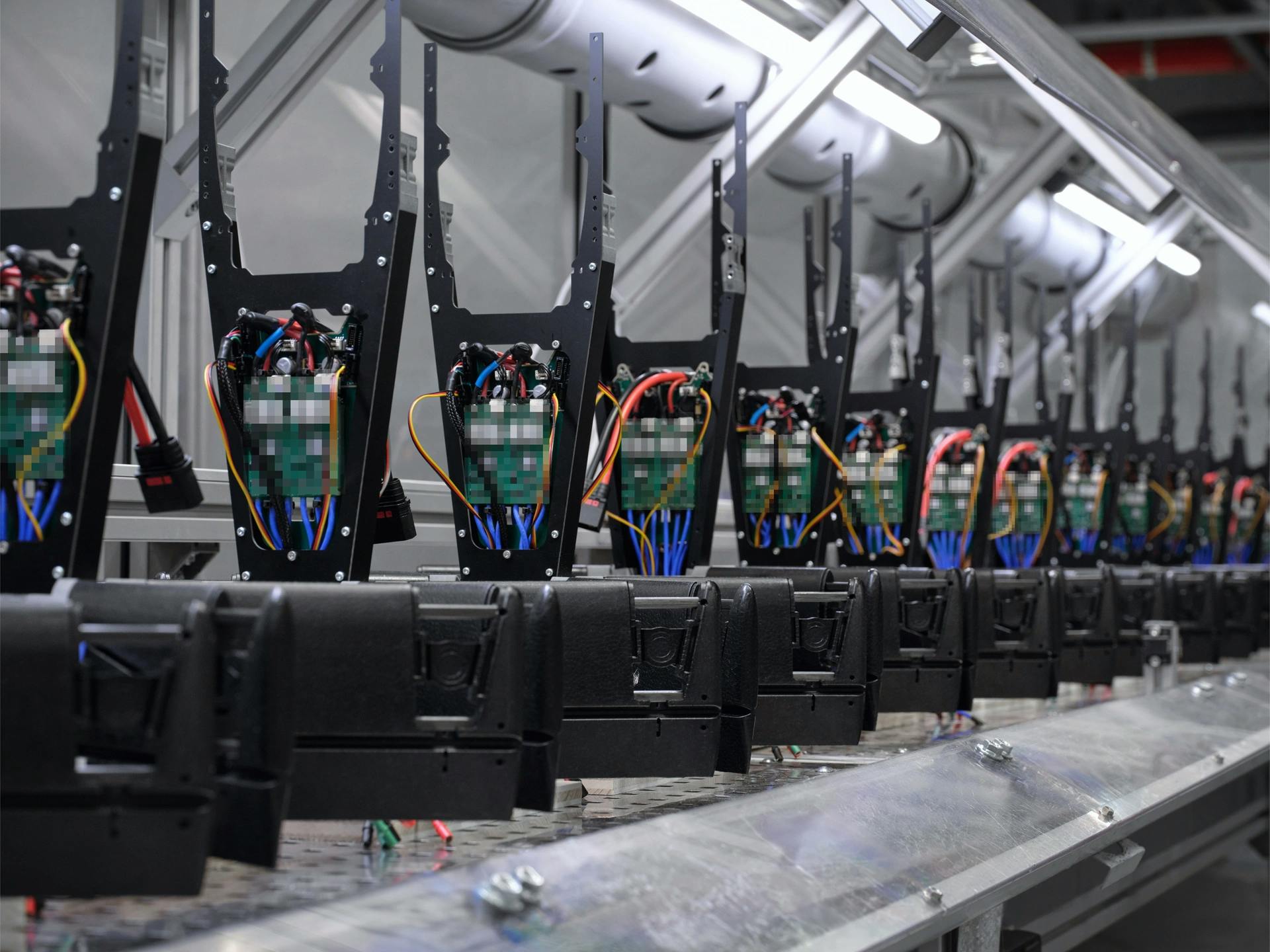
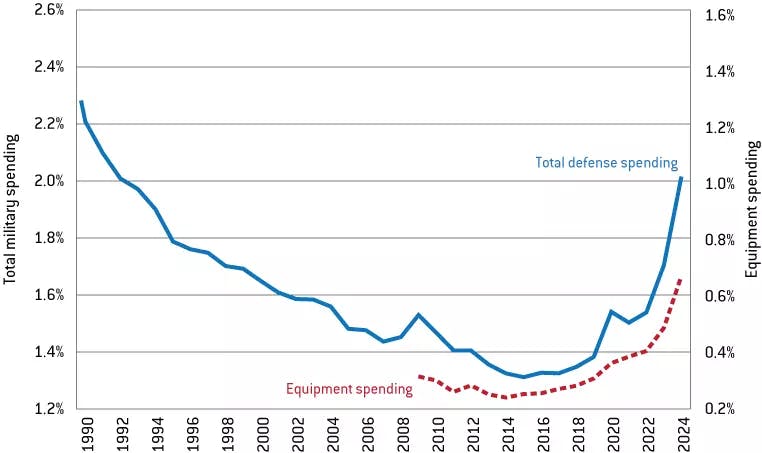
By moving away from bespoke, handcrafted military hardware toward standardized, high-volume manufacturing, Helsing is aligning itself with the European Commission’s ReArm Europe Plan. This initiative aims to mobilize over €800 billion in military spending to modernize defense infrastructure through AI and autonomous systems. The goal is to move from "exquisite" platforms (few and expensive) to "attritable" ones (many and affordable).
"The democratization of maritime surveillance means that even smaller nations with limited naval budgets can now maintain total domain awareness over their territorial waters." — Strategic Analysis Note
Global Context: Helsing in the AI Arms Race
Helsing is currently positioned as the European answer to Silicon Valley defense giants like Anduril (with its Lattice platform) and Palantir (Gotham). However, Helsing distinguishes itself through its specific focus on European sovereignty and its "democratic-only" sales policy.
The company’s strategic partnerships are already bearing fruit:
- UK Royal Navy: Exploring the integration of SG-1 into the future of autonomous subsurface surveillance.
- Saab and Airbus: Collaborating on the Future Combat Air System (FCAS) and next-generation naval sensors.
- German Navy: Early-stage testing for Baltic Sea security.
While the US remains a leader in AI, Helsing’s Lura model provides a specialized edge in the acoustic domain that is uniquely suited to the shallow, cluttered waters of the Baltic and North Seas. This is not just a technology play; it is a declaration of European technological independence.
FAQ
1. Can the SG-1 Fathom be detected by enemy submarines? Due to its buoyancy-driven gliding mechanism, the SG-1 Fathom has no loud propellers or engines. It is significantly quieter than traditional Autonomous Underwater Vehicles (AUVs), making it extremely difficult to detect even with advanced passive sonar.
2. How does the drone communicate if it is deep underwater? The SG-1 Fathom typically surfaces at scheduled intervals to transmit processed data and receive new mission parameters via satellite. However, when part of a "swarm," multiple drones can use acoustic modems to pass short-range data between one another before a single "gateway" unit relays it to the surface.
3. What happens if an SG-1 Fathom is captured by an adversary? Helsing employs "zero-trust" hardware and software security. If the system detects tampering or unauthorized recovery, the Lura AI models and sensitive data can be remotely wiped or encrypted to prevent reverse engineering.
Summary: A New Era of Maritime Security
The Helsing SG-1 Fathom is more than just a drone; it is a testament to the fact that the future of defense lies in the cloud and at the edge. By combining the endurance of an autonomous glider with the unprecedented processing power of the Lura AI, Helsing has provided Europe with a tool that is both economically sustainable and strategically superior.
For the European maritime sector, the message is clear: the era of the "blind" ocean is over. The "software-defined" sea is here.