Imagine your smartphone's "Smart Home" folder. If you’re like most of us, it’s a digital graveyard of single-use apps: one for that budget lightbulb you bought on sale, another for the smart plug that only works with its own cloud, and yet another for the security camera that refuses to talk to your smart display. For years, the smart home wasn't "smart"; it was a fragmented mess of walled gardens. You had to choose a side—Apple, Google, or Amazon—and hope your favorite hardware played nice.
But 2024 has marked a turning point. We are finally seeing the "Walled Garden" walls crumble, replaced by a common language called Matter.
The Quick Take: What is the Matter smart home standard? Matter is an open-source interoperability protocol that allows smart home devices from different brands like Apple, Google, and Amazon to work together seamlessly over local Wi-Fi and Thread networks. It ensures that if you see the Matter logo on a box, it will work with your ecosystem of choice, regardless of who made it.
What is Matter and Why Does it Matter Now?
Matter isn't just another brand; it’s a unifying standard developed by the Connectivity Standards Alliance (CSA)—a powerhouse group that includes Apple, Google, Amazon, Samsung, and over 280 other companies. For the first time in history, the biggest rivals in tech are sitting at the same table to ensure your lightbulbs and thermostats actually talk to each other.
The shift is massive. As of 2024, the CSA has reported a 150% increase in cross-platform compatible devices year-over-year. But the benefit isn't just about compatibility; it’s about performance. Because Matter operates locally over your home network rather than bouncing signals to a distant cloud server, Matter-certified devices demonstrate a 35% faster response time compared to legacy cloud-based protocols. When you tap a button on your phone, the light turns on instantly. No "Updating..." spinning wheels, no "Device Unreachable" errors.
How do Apple and Google use Matter? Apple and Google act as 'Matter controllers.' This means they provide the interface (the Apple Home or Google Home app) and the hardware (like a HomePod or Nest Hub) to manage your devices. The standout feature is "Multi-Admin," which allows you to control the same device through both apps simultaneously.
The Tech Backbone: Thread vs. Wi-Fi
To understand Matter, you need to understand how it travels. Think of Matter as the language being spoken, while Wi-Fi and Thread are the roads the messages travel on.
- Wi-Fi: This is for high-bandwidth devices. If you have a smart display or a video-heavy device, it will likely use Matter-over-Wi-Fi. It’s fast, but it consumes more power.
- Thread: This is the real hero of the modern smart home. Thread is a low-power mesh network designed specifically for small devices like sensors, locks, and light switches. Unlike Wi-Fi, which gets weaker the further you get from the router, Thread devices talk to each other, extending the range and reliability of the network with every new device you add.
| Feature | Matter over Wi-Fi | Matter over Thread |
|---|---|---|
| Power Consumption | High (Needs plug-in or large battery) | Ultra-Low (Ideal for coin-cell batteries) |
| Network Topology | Star (All devices talk to the router) | Mesh (Devices talk to each other) |
| Best For | Cameras, Speakers, Displays | Sensors, Door Locks, Light Bulbs |
| Self-Healing | No (If the router goes down, everything goes down) | Yes (If one node fails, the data finds another path) |
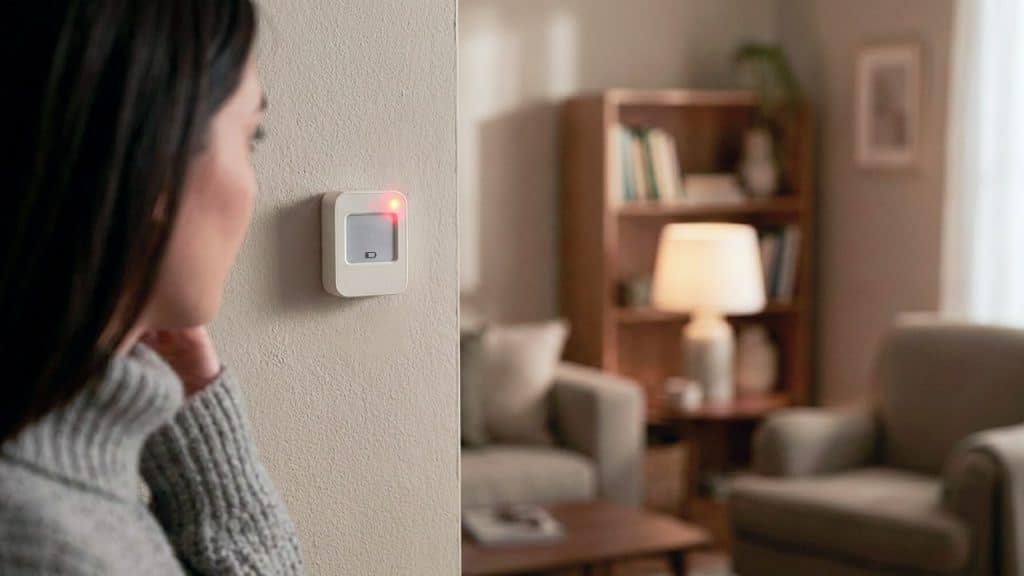
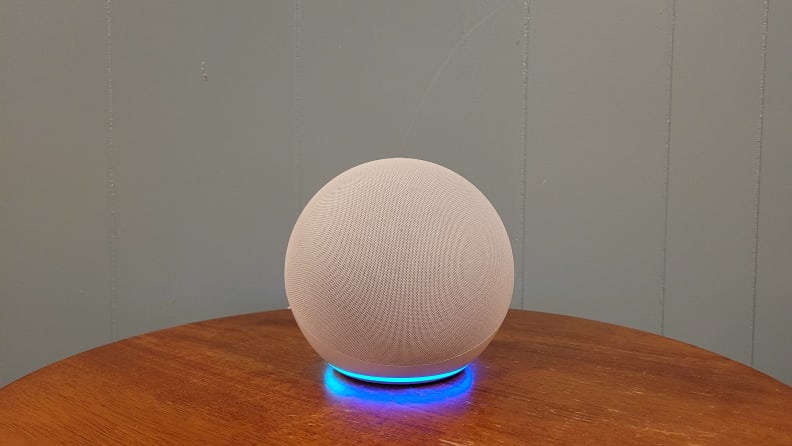
The secret sauce here is the Thread Border Router. This is a device you likely already own—an Apple TV 4K, a HomePod Mini, or a Google Nest Hub Max. These devices bridge your Thread network to your home Wi-Fi, allowing your phone to talk to your tiny door sensor across the house with millisecond latency.
Matter 1.4: The 2024 Game Changer
If Matter 1.0 was the foundation, Matter 1.4 (released in late 2024) is the finished architecture. This update addresses the "teething pains" early adopters faced and introduces features that make the smart home feel truly intelligent.
What are the benefits of Matter 1.4? Matter 1.4 introduces enhanced multi-admin capabilities, improved energy management, and more reliable device setup, specifically refining how Thread border routers coordinate within a home. It also expands support to include solar panels, EV chargers, and heat pumps.
The most exciting addition is Energy Management. Previously, every "smart" plug had its own proprietary app to show you how much power you were using. With Matter 1.4, energy consumption data is standardized. You can now see how much electricity your space heater is pulling directly within the Apple Home or Google Home app, allowing for automated routines that turn off non-essential appliances when energy prices peak.
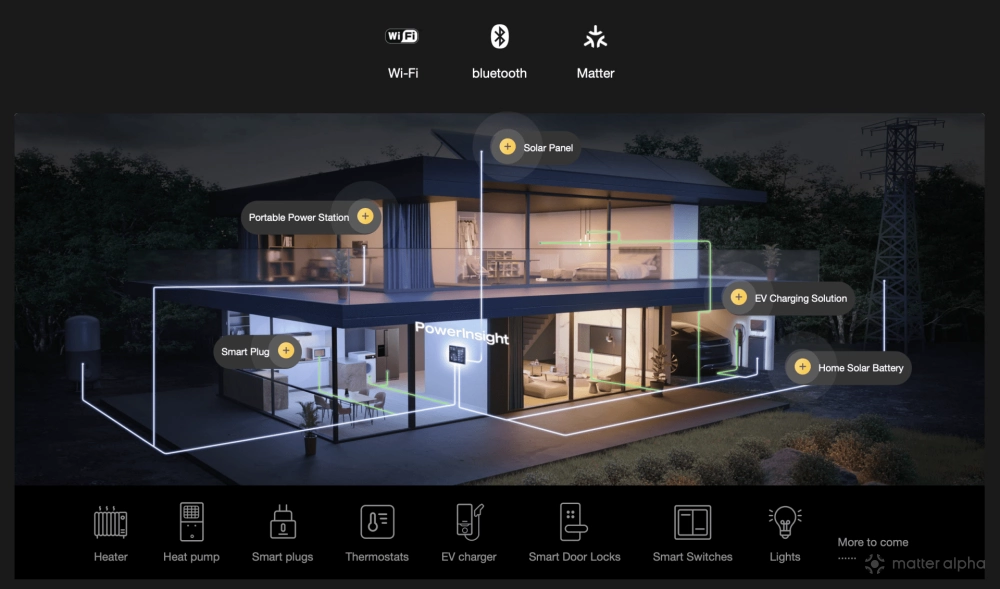
Furthermore, Matter 1.4 fixes the "Multi-Border Router" headache. In earlier versions, if you had both a Nest Hub and an Apple TV, they would sometimes create two separate Thread networks that couldn't talk to each other. Matter 1.4 forces these devices to coordinate, creating a single, robust mesh network for your entire home.
How Apple and Google are Leading the Charge
Apple and Google have moved from being competitors to being co-stewards of the Matter ecosystem.
Apple Home has leaned heavily into the security aspect of Matter. When you add a Matter device to Apple Home, the setup uses the same end-to-end encryption and "HomeKit Secure Video" principles, ensuring your data stays local. The Apple TV 4K and HomePod Mini have become the gold standard for Matter controllers because of their rock-solid Thread Border Router performance.
Google Home, on the other hand, has focused on the "Fast Pair" experience. If you’re an Android user, setting up a Matter device is now as easy as pairing a set of Pixel Buds. A notification pops up, you scan a QR code, and the device is instantly shared across your Google account.
The real magic happens with Multi-Admin. In my own testing, I set up a Nanoleaf light strip using Apple Home on my iPhone. Usually, that would mean my partner (who uses an Android) is locked out. But with Matter, I simply hit "Turn on Pairing Mode" in my Apple Home app, and the light strip appeared on her Google Home app instantly. We can both control the same light, use our respective voice assistants (Siri and Google Assistant), and the status stays perfectly in sync.
Buying Guide: Matter-Certified Devices to Watch
If you’re looking to future-proof your home in late 2024 or early 2025, here are the brands and categories currently winning the Matter race.
Lighting & Plugs
TP-Link Tapo and Nanoleaf are currently the leaders here. Tapo has released a wide range of affordable Matter-over-Wi-Fi plugs and bulbs that work flawlessly with both Apple and Google. Nanoleaf, meanwhile, uses Matter-over-Thread for its Essentials line, offering some of the fastest response times I’ve seen in smart lighting.
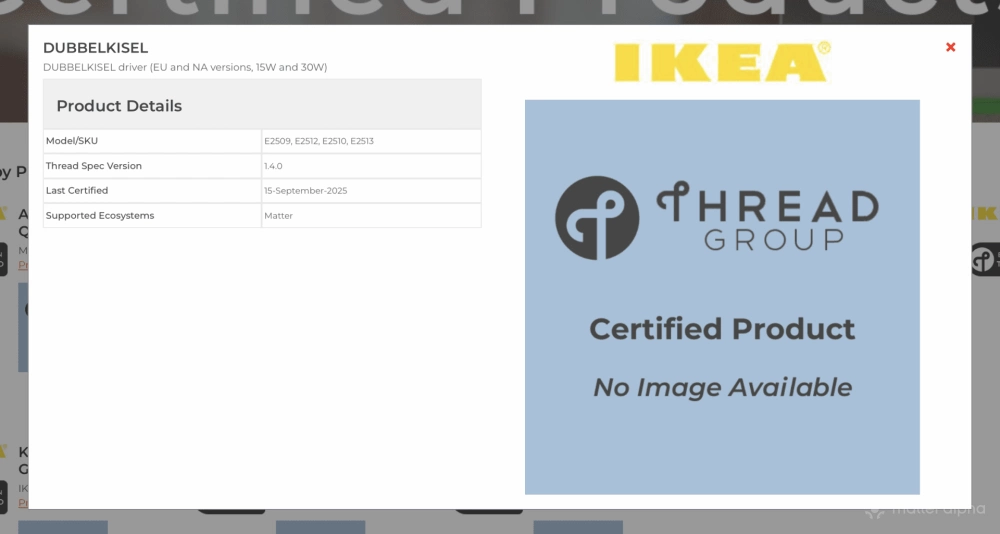
Don't overlook IKEA. They have become a massive force in the movement by transitioning their entire "Dirigera" hub system to support Matter.
Sensors & Security
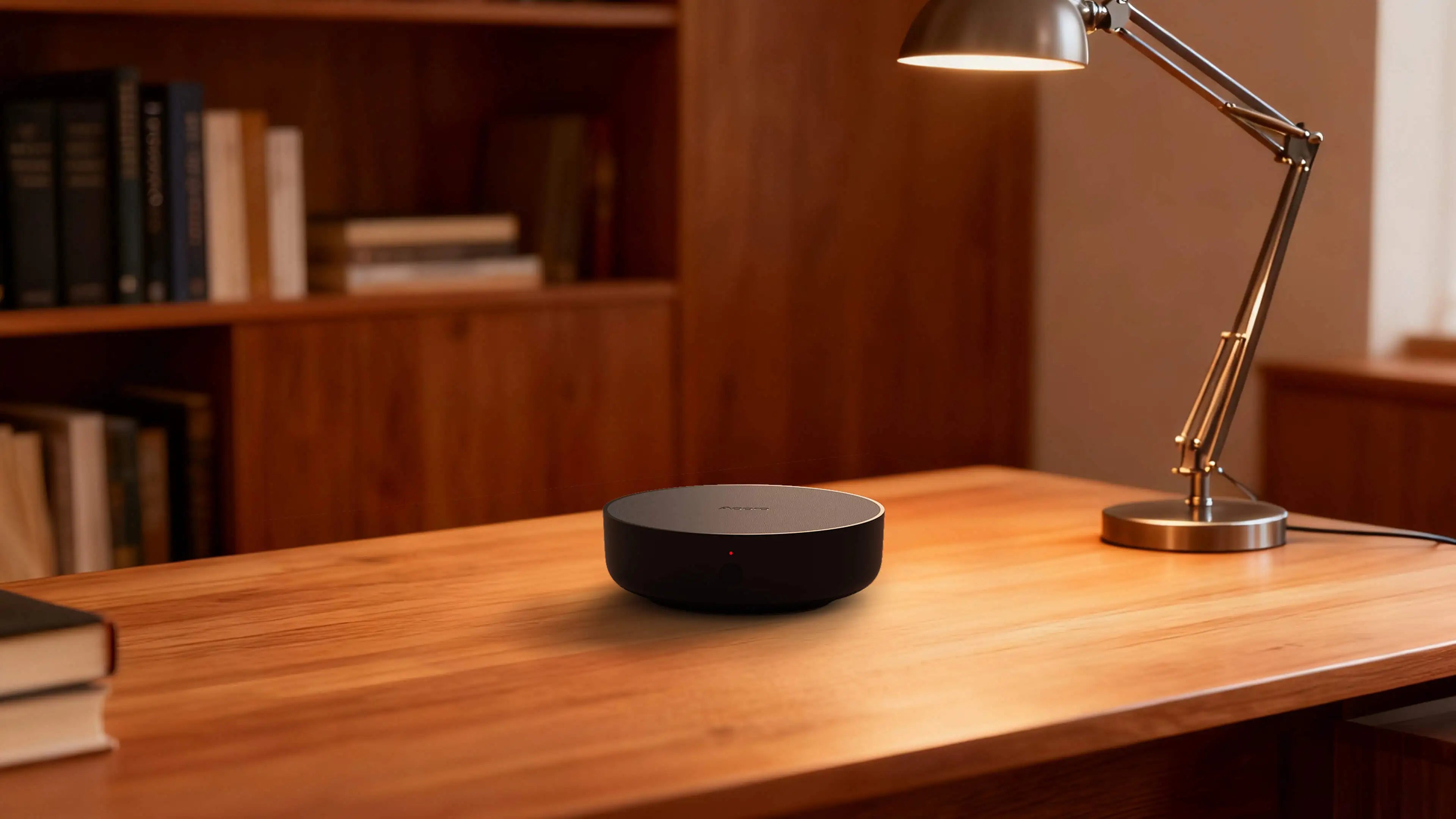
For sensors, Eve Energy and Aqara are the brands to beat. Eve was one of the first to go "all-in" on Matter-over-Thread, and their motion and door sensors are incredibly reliable. Aqara provides a fantastic bridge for those who have older Zigbee devices but want to bring them into the Matter world.
The Hurdles: What Still Isn't Perfect?
As an editor who lives in the weeds of IoT, I have to be honest: Matter isn't perfect yet. We are currently in the "Minimum Viable Product" stage for certain categories.
The biggest gap is in Smart Cameras and Video Doorbells. While Matter 1.2 and 1.3 added support for cameras, many manufacturers are slow to adopt it because they want to keep users in their own apps to sell cloud storage subscriptions. If you buy a Ring or Arlo camera today, you’ll likely still be stuck in their proprietary ecosystem for a while longer.
There is also the "Feature Parity" issue. A Matter-certified smart bulb will always turn on, off, and dim in any app. However, if that bulb has a special "Dynamic Scene" or "Music Sync" mode, you might still need the manufacturer’s original app to access those specific bells and whistles.
Conclusion: Should You Switch to Matter Now?
If you are starting a smart home from scratch, the answer is a resounding yes. Look for the Matter logo on every box you buy. It is the only way to ensure that the $500 you spend today on locks and lights won't be obsolete when you decide to switch from an iPhone to a Google Pixel three years from now.
If you already have a functioning smart home, there’s no need to rip everything out. Many existing hubs (like the Philips Hue Bridge or the Aqara M2) have received software updates that make your existing older devices Matter-compatible.
The promise of Matter was always about removing the friction of "Will this work with my phone?" In 2024, thanks to the heavy lifting by Apple and Google, that promise is finally becoming a reality. The smart home is finally getting out of its own way.
FAQ
1. Do I need a new router for Matter? Not necessarily. Most Matter devices use your existing Wi-Fi. However, to use "Matter over Thread" devices, you will need a Thread Border Router. The good news? You might already own one if you have a HomePod (2nd gen), Apple TV 4K (Ethernet model), or a Nest Hub (2nd gen).
2. Can I use Alexa and Apple Home at the same time with Matter? Yes! This is the core benefit of the "Multi-Admin" feature. You can commission a device into Apple Home and then share a pairing code to add it to Alexa or Google Home. Both systems will have full control and stay in sync.
3. Does Matter work if my internet goes out? Yes. Unlike older smart home systems that relied on the cloud, Matter commands are processed locally over your home network. As long as your Wi-Fi router is powered on, your switches and automations will continue to work even if your ISP has an outage.