For years, the "Pro" moniker was the ceiling for Apple’s hardware. If you bought an iPhone Pro or a MacBook Pro, you were holding the definitive expression of Apple’s engineering prowess. But look closely at the current landscape—from the rugged Apple Watch Ultra to the M4 iPad Pro—and you’ll see the "Pro" tier is becoming the new baseline. By 2026, Apple is expected to shatter that ceiling entirely. The rumor mill and supply chain leaks point toward a seismic shift: the "Ultra" era. This isn't just about a new name; it’s a strategic pivot toward $2,000 foldables, touchscreen Macs, and silicon that prioritizes "sovereign AI" over raw clock speeds. For the discerning user, 2026 won't just be another upgrade cycle; it will be the year Apple redefines luxury tech as a multi-thousand-dollar asset.
The Shift to Ultra: Apple’s New Tier Strategy
The transition from "Pro" to "Ultra" signals a fundamental change in how Apple segments its audience. For a decade, the Pro models were differentiated by better cameras or slightly faster chips. However, as smartphone innovation hit a plateau, Apple realized that a $1,199 price point wasn't enough to capture the "ultra-premium" market occupied by enthusiasts and power users who crave radical form-factor shifts.
The Apple Ultra 2026 lineup is designed to solve this by introducing higher price points for foldable and AI-heavy hardware. This isn't a mere refresh; it is a calculated expansion. By creating an Ultra tier, Apple can keep the Pro models "affordable" (relatively speaking) while pushing the boundaries of what a mobile device can be.
Data from supply chain analysts suggests that the projected $2,000 price for the iPhone Ultra represents a staggering 67% premium over the starting price of current iPhone Pro Max models. This pricing strategy mirrors the luxury automotive industry, where a "Performance" trim is high-end, but a "Limited Edition" or "Track" trim exists for those who refuse to compromise. In 2026, "Pro" will mean high performance, but "Ultra" will mean the future.
The iPhone Ultra: Reimagining the Foldable Experience
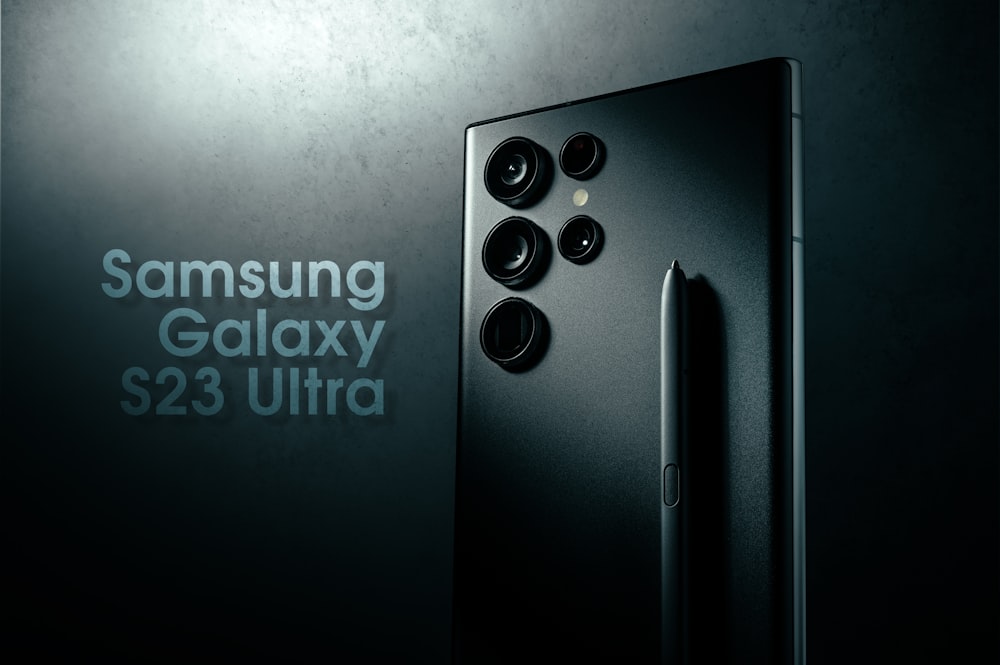
The crown jewel of the 2026 roadmap is undoubtedly the iPhone Ultra, rumored to be Apple's first foldable device. Unlike competitors who rushed to market with visible hinges and plastic-feeling screens, Apple has reportedly spent years perfecting a "crease-free" display. This is achieved through a combination of chemically strengthened ceramic shield glass and a sophisticated liquid-metal hinge mechanism.
The iPhone Ultra is expected to launch in late 2026 with a massive 7.8-inch inner display and a 5.5-inch outer screen. This isn't just a phone that gets bigger; it’s a device designed to bridge the gap between the iPhone and the iPad Mini.
- Display Technology: Expect a low-temperature polycrystalline oxide (LTPO) panel capable of 1Hz to 120Hz refresh rates, optimized for a crease-free experience.
- Software Integration: This is where the Ultra justifies its price. Apple is likely bringing iPadOS-exclusive features like Stage Manager and Split View to the iPhone Ultra, allowing for true desktop-class multitasking in your pocket.
- Camera System: Rumors suggest a "variable aperture" main sensor, a first for iPhone, allowing photographers to control depth of field and light intake at a mechanical level—features previously reserved for dedicated mirrorless cameras.
MacBook Ultra: The Touchscreen Revolution
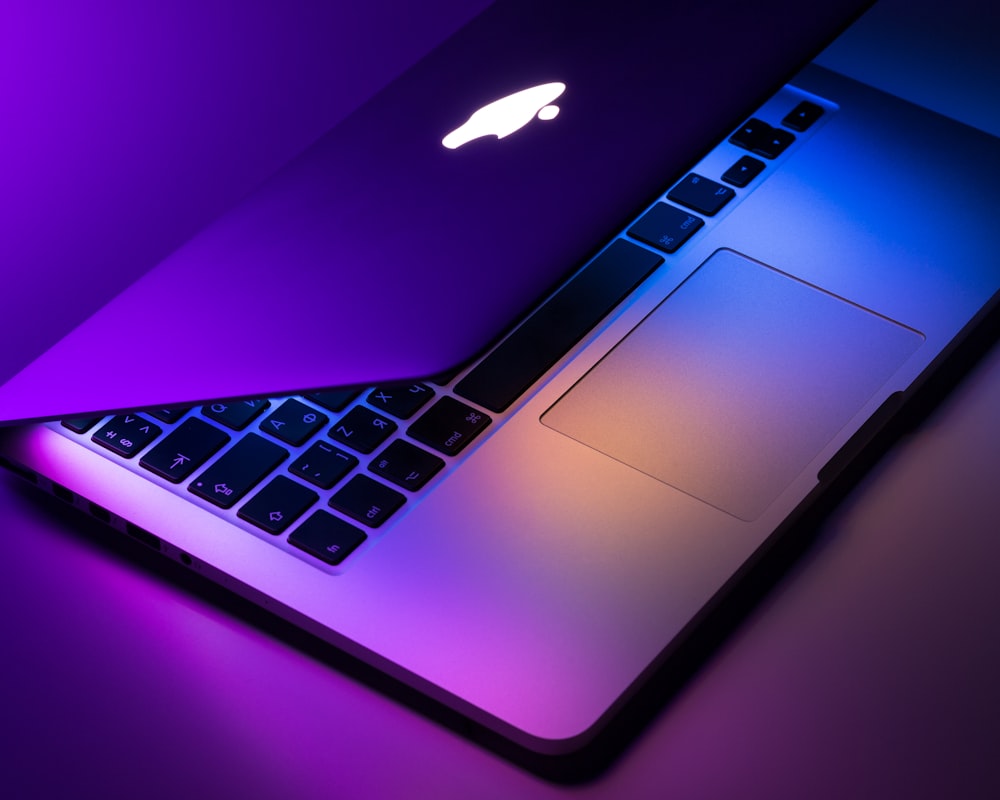
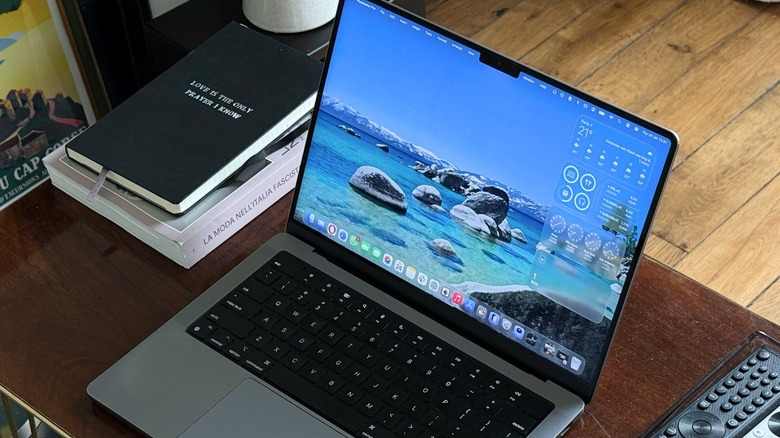
For years, Apple executives famously dismissed the idea of a touchscreen Mac, claiming that "ergonomically, it’s terrible." However, the 2026 MacBook Ultra is set to reverse that stance. This device will likely feature an all-new tandem OLED touchscreen, integrated cellular connectivity, and the next-generation M6 processor.
The distinction here is key: while the "MacBook Pro" will likely remain the workhorse for video editors and developers, the "MacBook Ultra" will be the ultimate executive machine. By utilizing the tandem OLED technology first seen in the 2024 iPad Pro, the MacBook Ultra will offer 1,000 nits of full-screen brightness and ink-like blacks, making it the premier device for HDR content consumption and creative design.
Moreover, the integration of 5G (and potentially early 6G) cellular connectivity into the MacBook Ultra will finally decouple the laptop from the hunt for Wi-Fi. This "Always Connected" Mac has been a white whale for tech enthusiasts for over a decade.
M6 Silicon: The AI Performance Engine
At the heart of every "Ultra" device in 2026 will be the M6 chip. If the M4 was the "AI chip," the M6 is the "Sovereign AI" engine. Apple's 2026 silicon roadmap targets a 45% increase in NPU (Neural Processing Unit) performance for the M6 chip compared to the M4 series.
This performance leap isn't just for faster photo editing. It is intended to support advanced on-device AI—what I call "Silicon Sovereignty." In an era where data privacy is the ultimate luxury, the M6 is designed to handle massive Large Language Models (LLMs) locally, keeping your personal data off the cloud entirely.
2026 Apple Ultra Spec Comparison
| Feature | iPhone Ultra | MacBook Ultra | iPad Ultra (Foldable) |
|---|---|---|---|
| Release Date | Late 2026 | Mid 2026 | Late 2026 / Early 2027 |
| Display | 7.8" Foldable OLED | 14" / 16" Tandem OLED | 20.3" Foldable OLED |
| Processor | A20 Ultra (3nm/2nm) | M6 Ultra / Max | M6 Pro |
| Key Innovation | Crease-free Hinge | Touchscreen + Cellular | Hybrid macOS/iPadOS |
| Est. Price | $1,999+ | $3,499+ | $2,499+ |
The M6 architecture will likely move toward a 2nm process node, allowing for greater transistor density and significantly improved thermal efficiency. For the MacBook Ultra, this means the ability to run heavy AI workloads without the fans ever spinning up—a hallmark of the Ultra experience.
Expanding the Ecosystem: AirPods and iPad Ultra
The Ultra philosophy extends beyond the primary screens. We are seeing reports of next-gen AirPods featuring computer-vision cameras. These cameras won't take photos for Instagram; instead, they will provide "Visual Intelligence" for Siri. Imagine walking through a foreign city and having your AirPods whisper directions or translate street signs in real-time based on what the cameras "see."
Furthermore, the "iPad Ultra" is rumored to be a massive 20.3-inch foldable tablet. This device would effectively function as a portable iMac, offering a giant canvas for artists that folds down to the size of a standard MacBook.
The software synergy between these devices will be the "glue." Using Universal Control, you could seamlessly move a 3D asset from your iPhone Ultra to your MacBook Ultra’s touchscreen, then expand it onto the 20-inch iPad Ultra for final rendering. This is the ecosystem play: making the price of entry high, but the utility undeniable.
Market Impact: Can Apple Justify a $2,000 Bar?
The big question remains: Will consumers pay $2,000 for a phone? Historical data suggests yes, provided the hardware longevity matches the price. Apple’s shift toward a 7-year update cycle for its OS and the incredible durability of its "Ultra" materials (titanium, sapphire glass) positions these devices as multi-year investments rather than annual disposables.
We are seeing a growing gap between the "flagship" and the "ultra-premium" segments. While the standard iPhone 18 will satisfy 90% of the population, the 10%—the power users, the creative professionals, and the status-seekers—are increasingly willing to pay for a tool that defines their lifestyle.
By 2026, the iPhone Pro Max might feel like the "standard" choice, while the iPhone Ultra becomes the object of desire. It’s a classic Apple maneuver: moving the goalposts of "premium" just as the rest of the industry catches up.

FAQ
Q: When is the Apple M6 chip release date expected? A: The M6 chip is slated for a 2026 debut, likely appearing first in a refreshed iPad Pro or MacBook Pro lineup in the spring, followed by the "Ultra" hardware in the fall.
Q: Will the iPhone Ultra replace the iPhone Pro Max? A: No, current leaks suggest the iPhone Ultra will sit above the Pro Max as a new, fifth model in the lineup, specifically targeting the foldable market.
Q: How does the MacBook Ultra OLED features differ from current Macs? A: Current Macs use Liquid Retina XDR (mini-LED). The MacBook Ultra will move to Tandem OLED, which offers better response times for touch, true blacks, and higher peak brightness without the "blooming" effect of LEDs.
The Sarah Zhang Verdict
The move to Ultra is inevitable. We’ve seen the "Pro" label diluted by its own success; when everyone has a "Pro" phone, the word loses its cachet. Apple’s 2026 strategy is about reclaiming that sense of exclusivity and technical frontier-pushing. Whether you’re an artist looking for a 20-inch foldable canvas or a developer needing 45% more NPU power for local LLMs, the Ultra tier is where you’ll live. It’s expensive, yes—but in the world of Apple, the future has always come with a premium.