Quick Facts
- Event Date: March 4, 2026, at 9:00 a.m. ET.
- Global Reach: Simultaneous live keynotes in New York, London, and Shanghai.
- iPhone 17e: A $599 powerhouse featuring the A19 chip and 8GB of RAM, designed specifically for Apple Intelligence.
- MacBook Expansion: A new $699 "Low-Cost" MacBook targeting students and an M5-powered MacBook Pro refresh for power users.
- Smart Home: The debut of the Apple Home Hub, a 7-inch smart display available in wall-mounted and speaker-base versions.
- Availability: Shift to a "100% Global Launch" strategy, eliminating shipping delays between Western and Asian markets.
The 'Apple Experience' Event: Global Logistics and Strategy
When Apple sends out an invite, the tech world pauses. But the March 4 event, themed "The Apple Experience," represents a fundamental shift in how the Cupertino giant talks to its global audience. For the first time, Apple is ditching the staggered release schedule that has historically frustrated international buyers. By hosting simultaneous events in New York, London, and Shanghai, Apple is signaling a new era of 100% immediate global availability.
This isn't just about marketing; it’s a logistical masterclass. Traditionally, a product might hit US shelves a week or two before arriving in Asia or Europe. In 2026, Apple is treating its product launches like a high-profile streaming series dropping a full season at once—available everywhere, all at the same time. This strategic pivot ensures that the momentum of the keynote translates directly into sales without the cooling-off period of regional shipping delays.
The choice of Shanghai as a primary hub is particularly telling. It reinforces Apple's commitment to the massive Asian market, ensuring that the "Apple Intelligence" ecosystem is localized and accessible from day one. For readers, this means if you see it on screen on March 4, you can likely have it in your hands within 48 hours, regardless of your continent.
iPhone 17e: Flagship Power at a $599 Entry Point
For years, the "e" or "SE" series was seen as a compromise—a way to get the Apple logo without the flagship price. With the iPhone 17e, that narrative changes. We are looking at "flagship brains in a budget body." The magic number here is $599, a price point that Apple has managed to maintain while significantly upgrading the internal architecture to meet the demands of modern AI.
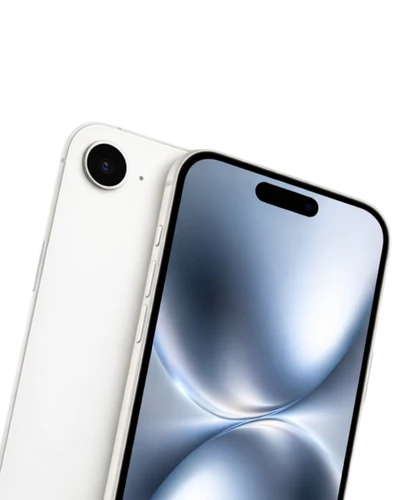
The core of the iPhone 17e is the A19 chip. This isn't a hand-me-down processor from a previous generation; it’s the same silicon expected to drive the standard iPhone 17 lineup. More importantly, Apple is equipping the 17e with 8GB of RAM. In the world of mobile tech, 8GB is now the "minimum threshold" for on-device Apple Intelligence. This ensures that even the most affordable new iPhone can handle complex generative AI tasks, Siri's advanced linguistic processing, and real-time image manipulation without relying solely on the cloud.
Expert Insight: The move to 8GB of RAM is the most significant "under-the-hood" upgrade Apple has made to its entry-level line in years. It’s not just about speed; it’s about future-proofing the device for the next five years of software evolution.
Key Specs: iPhone 17e
- Processor: A19 Chip (3nm process)
- Memory: 8GB LPDDR5X RAM
- Display: 6.1-inch OLED Super Retina XDR
- Connectivity: C1X Modem (30% more efficient), Wi-Fi 7
- Charging: 25W MagSafe Support, USB-C
While the internals are bleeding-edge, Apple is making calculated trade-offs to keep the price at $599. The device will feature a single 48MP main camera. While this sensor is excellent and capable of stunning high-resolution shots, you won't find the telephoto or ultra-wide lenses seen on the Pro models. Furthermore, the display remains a 60Hz panel. For the average user, the OLED's vibrant colors and deep blacks will suffice, but ProMotion enthusiasts may find the scrolling less fluid than they'd like.

Perhaps the most visible change is the transition from the old notch to the Dynamic Island. This brings the 17e's design language in line with the rest of the modern iPhone family, providing a more immersive screen experience and better integration with "Live Activities."
Comparing the Generations
| Feature | iPhone 16e | iPhone 17e (Expected) |
|---|---|---|
| Processor | A18 Chip | A19 Chip |
| RAM | 6GB | 8GB (Apple Intelligence Ready) |
| Display | 6.1-inch LCD | 6.1-inch OLED |
| Design | Notch | Dynamic Island |
| Charging | 15W MagSafe | 25W MagSafe |
| Modem | Standard 5G | C1X Ultra-Efficient Modem |
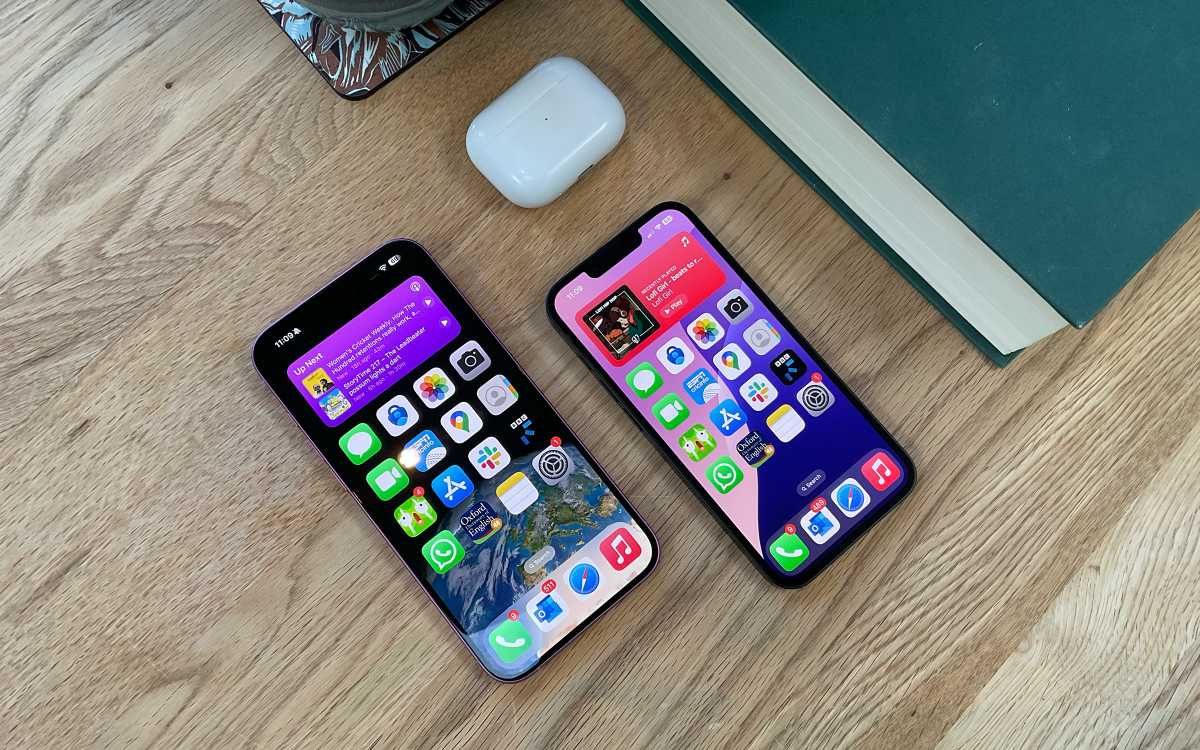
The 6.1-inch form factor remains the ergonomic "sweet spot." It’s large enough for comfortable media consumption but small enough for one-handed use, making it an ideal choice for students or those looking for their first Apple Intelligence-compatible device.
The $699 'Low-Cost' MacBook: A New Entry Point
Beyond the iPhone, Apple is set to disrupt the education and entry-level laptop market with a rumored $699 MacBook. This isn't just a price cut on an old MacBook Air; it’s a distinct product category aimed directly at Chromebook competitors and students.
To hit this aggressive price, Apple is reportedly using "iPhone-class silicon" in the form of the A18 Pro chip. While this sounds like a step down from the M-series, the A18 Pro's multi-core performance is actually on par with the original M1 chip, providing more than enough power for web browsing, document editing, and light creative work.
The design is where this model truly shines. Rumors suggest a return to vibrant, "fun" colors reminiscent of the late-90s iMac era—think Tangerine, Indigo, and Key Lime. It features a 13-inch LCD (not OLED or Mini-LED) to keep costs down, but the overall build quality is expected to remain premium Apple aluminum.
M5 MacBook Pro and the iPad Refresh
For the professionals, March 4 is about raw power. The M5 MacBook Pro (14-inch and 16-inch) will take center stage, featuring the M5 Pro and M5 Max chips. We are looking at a 10-15% bump in CPU performance, but the real gains will be in the Neural Engine, which is being tuned specifically for intensive AI development and video rendering tasks.

Accompanying the MacBooks will be a refresh of the iPad lineup:
- iPad 12: Moving to the A18 or A19 chip to bring Apple Intelligence to the base model iPad.
- iPad Air M4: A minor internal silicon bump to keep the mid-range tablet competitive without changing the chassis.
These updates ensure that the entire mobile and computing stack is fully unified under the Apple Intelligence umbrella.
The Smart Home Wildcard: Apple Home Hub
The most intriguing announcement of the event might not be a phone or a laptop, but a new way to interact with your home. The Apple Home Hub is rumored to be a 7-inch "smart display" that serves as the nerve center for HomeKit-enabled households.
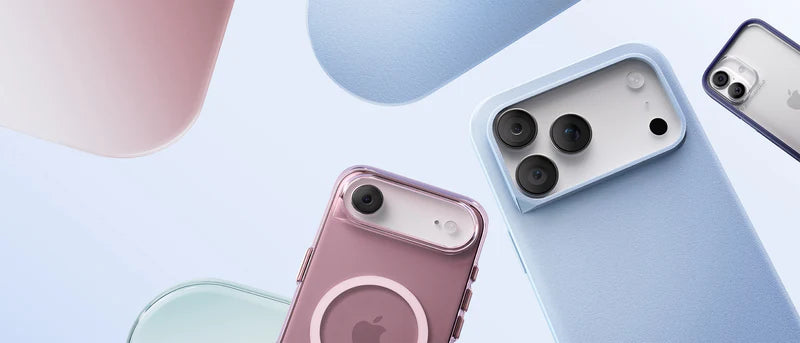
Apple is reportedly launching two versions of this device:
- The Wall-Mount Model: A thin, tablet-like screen designed to replace traditional light switches or thermostats, providing a persistent dashboard for your home's security, lighting, and climate.
- The Speaker-Base Model: Similar in concept to a HomePod mini but with a screen attached. This version is designed for kitchens or bedside tables, perfect for FaceTime calls and following recipes.
The Home Hub will run a modified version of iPadOS, streamlined for quick interactions. With deep Siri integration, it’s meant to be the physical manifestation of your digital assistant, always ready to show you who is at the front door or play your favorite playlist with a glance.
FAQ: Pricing, Availability, and Compatibility
What is the expected pricing for the new devices? Based on current rumors, the iPhone 17e will start at $599, the new "Low-Cost" MacBook at $699, and the M5 MacBook Pro models will maintain their $1,999 starting price. The Apple Home Hub is expected to range from $249 to $349 depending on the model.
When can I pre-order the iPhone 17e? With the new "100% Global Launch" strategy, pre-orders are expected to open on Friday, March 6, 2026, just two days after the keynote, with shipping beginning the following week.
Will the iPhone 17e support all Apple Intelligence features? Yes. By including the A19 chip and 8GB of RAM, Apple is ensuring that the 17e has the hardware necessary for the full suite of on-device Apple Intelligence features, including Writing Tools, Clean Up in Photos, and the new Siri.
Final Thoughts from Sarah Zhang
The March 4 event feels like a homecoming for Apple. After several years of incremental updates, we are seeing a cohesive strategy to bring high-end AI capabilities to every price bracket. Whether you’re a student eyeing that $699 MacBook or a budget-conscious buyer looking for the "flagship brains" of the iPhone 17e, Apple is making it clear: the future of mobile technology isn't just for those who pay a premium—it’s for everyone.