For years, the foldable smartphone category has been defined by a persistent compromise: the promise of a tablet-sized screen in your pocket, offset by a chassis that felt like two phones taped together. As a critic who evaluates hardware through the lens of international travel and executive utility, I have often found the "bulk factor" to be the primary deterrent for the high-end consumer. However, the Honor Magic V2 RSR Porsche Design represents a definitive shift in this narrative. It is no longer an experimental curiosity; it is a design milestone that challenges the very physics of mobile engineering.
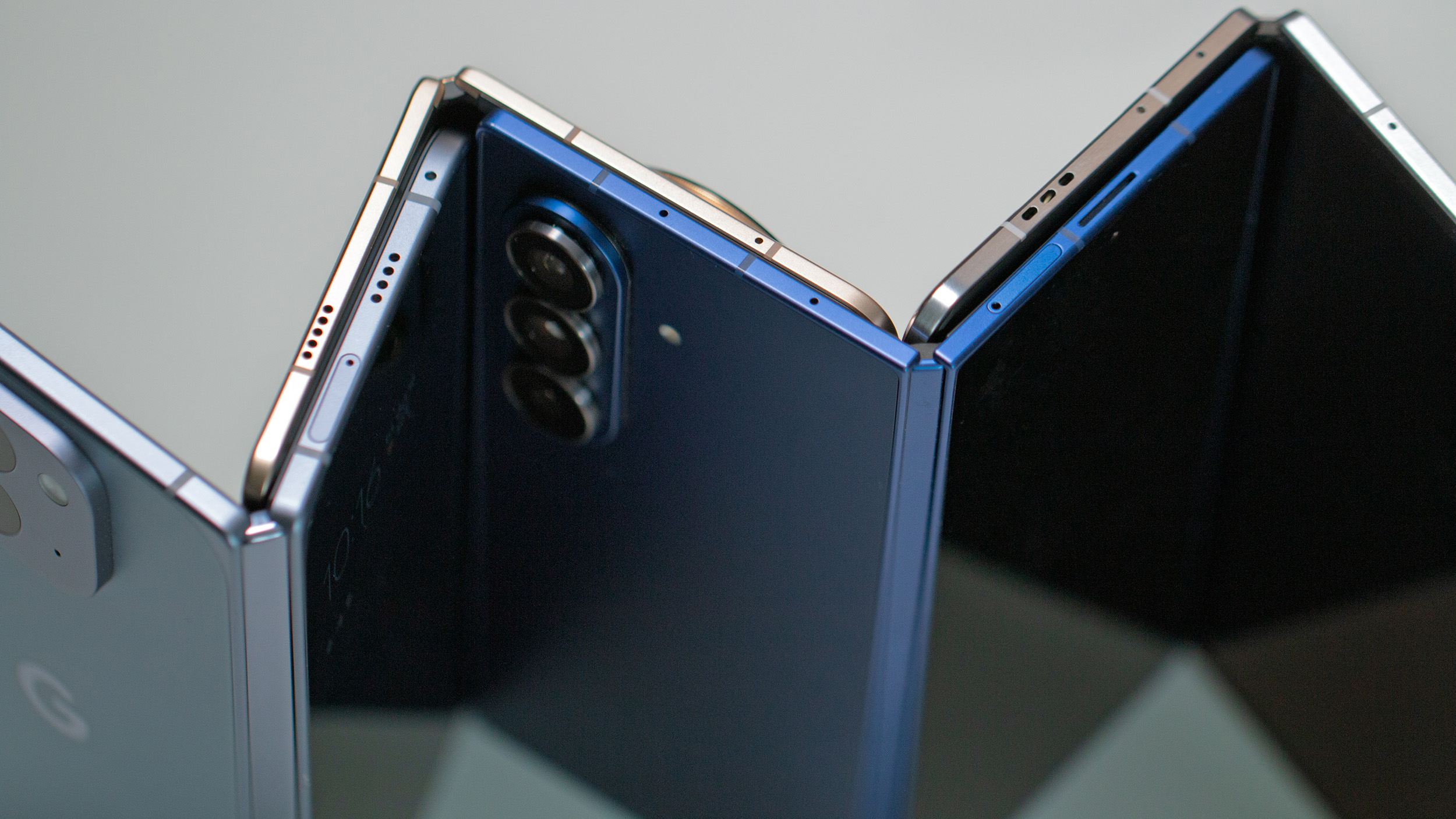
The Honor Magic V2 RSR measures just 9.9mm when folded and a staggering 4.7mm when unfolded. To put that into perspective, it is the first foldable that genuinely mimics the hand-feel of a traditional flagship "slab" phone while offering the expansive real estate of a 7.92-inch display. Priced at £2349.99, it occupies the ultra-premium tier of the market, available primarily in the UK, Europe, China, and the UAE. It isn't merely a phone; it is a statement of intent from Honor, signaling their ambition to lead the luxury segment through sheer engineering prowess.
Design: When Motorsports Meets Mobile Tech
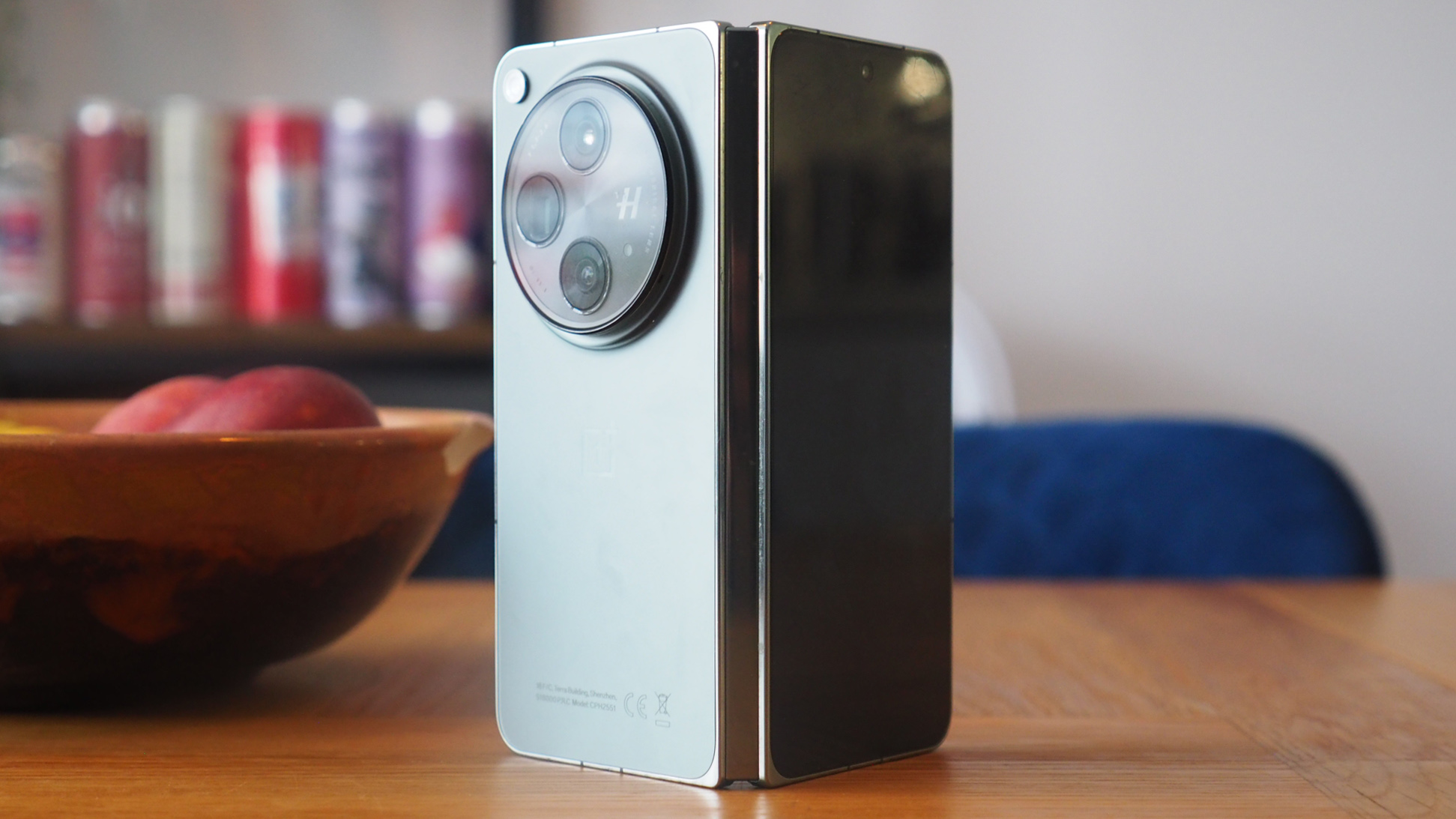
The collaboration with Porsche Design is not merely a branding exercise. The aesthetic language of the Magic V2 RSR draws heavily from the "flyline" curvature synonymous with the Porsche 911. The rear panel, finished in a sophisticated Agate Grey, features a distinct ridge that tapers toward the camera housing, evoking the aerodynamic flow of a high-performance vehicle. In the hand, the materials feel exceptionally premium, providing a tactile grip that many glass-backed competitors lack.
Beyond the aesthetics, the engineering of the V2 RSR addresses the "fragility" stigma that has long plagued foldables. Honor has introduced its proprietary Nano-Crystal shielding technology, which is integrated into the display glass. According to laboratory testing, this provides 10 times more resistance to scratches and drops compared to standard smartphone displays. For the frequent traveler navigating airport security bins and various transit environments, this 1000% increase in overall screen durability is perhaps more valuable than the design itself.
The hinge—a frequent point of failure in early foldables—is constructed from a proprietary titanium alloy. This material choice is critical; it provides the structural integrity needed to maintain a "gapless" fold while contributing to the device's record-breaking thinness. The folding mechanism feels dampened and deliberate, lacking the springy, loose sensation found in budget-tier alternatives.
Record-Breaking Dimensions: A 42% Reduction in Bulk
When we look at the data, the progression of the foldable form factor is nothing short of extraordinary. The Honor Magic V2 RSR (9.9mm folded) represents a 42.1% reduction in thickness compared to the original 2019 Samsung Galaxy Fold, which measured 17.1mm when closed. This is the difference between a device that creates a noticeable bulge in a suit jacket and one that disappears into a pocket.
Expert Insight: "The 10mm barrier was long considered the 'holy grail' for foldable manufacturers. By breaking it, Honor has moved the conversation from 'Is a foldable practical?' to 'Why would I buy a standard phone?'" — James Wright
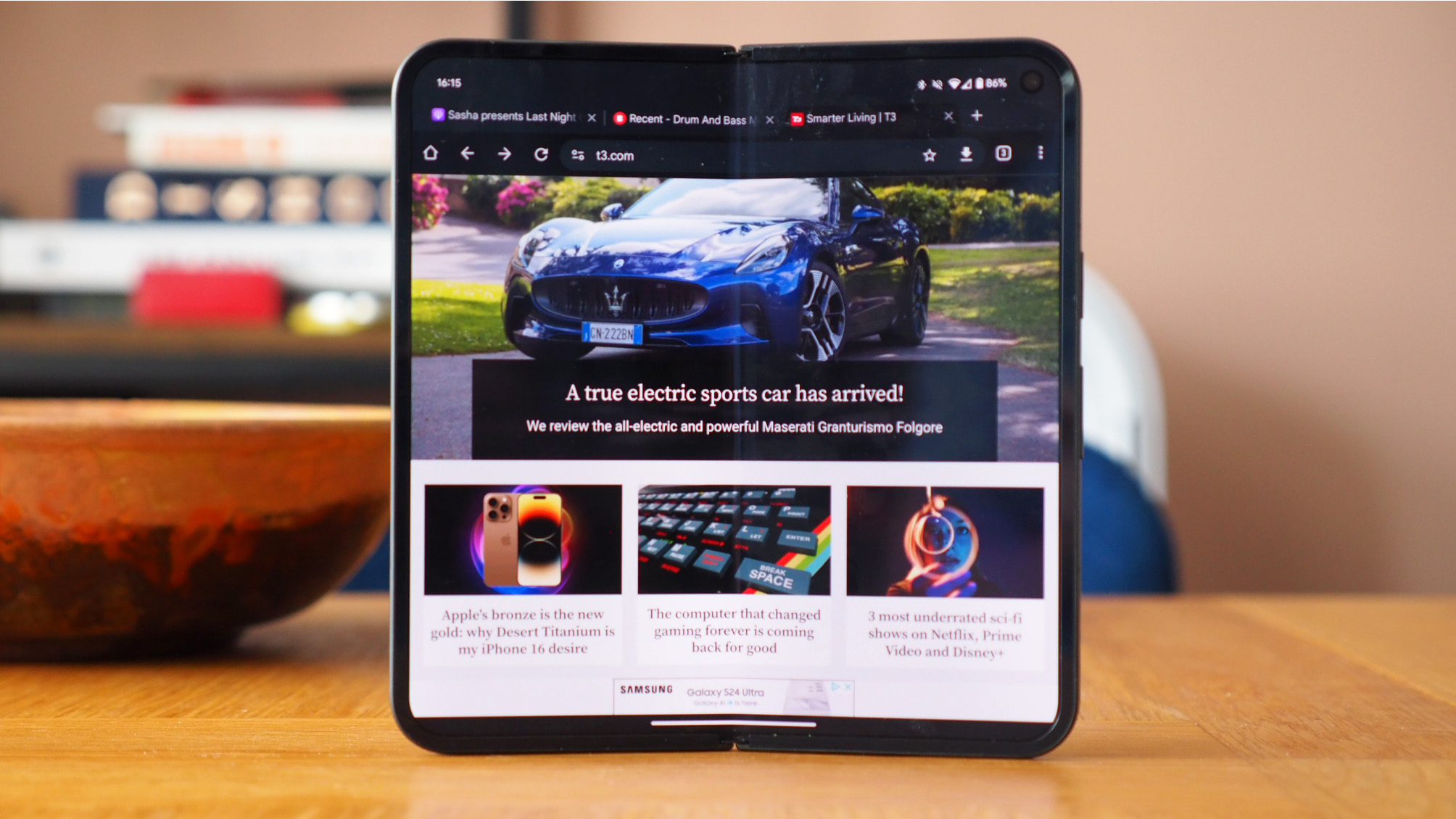
At 234 grams, the V2 RSR is actually lighter than some traditional flagship phones, such as the iPhone 14 Pro Max at launch. This weight distribution is achieved through a silicon-carbon battery technology that allows for higher energy density in a thinner profile. In my testing, the transition from the 6.43-inch outer screen to the 7.92-inch inner screen felt seamless, largely because the device doesn't feel like a heavy book when opened.
Display and Performance: Power Without Compromise
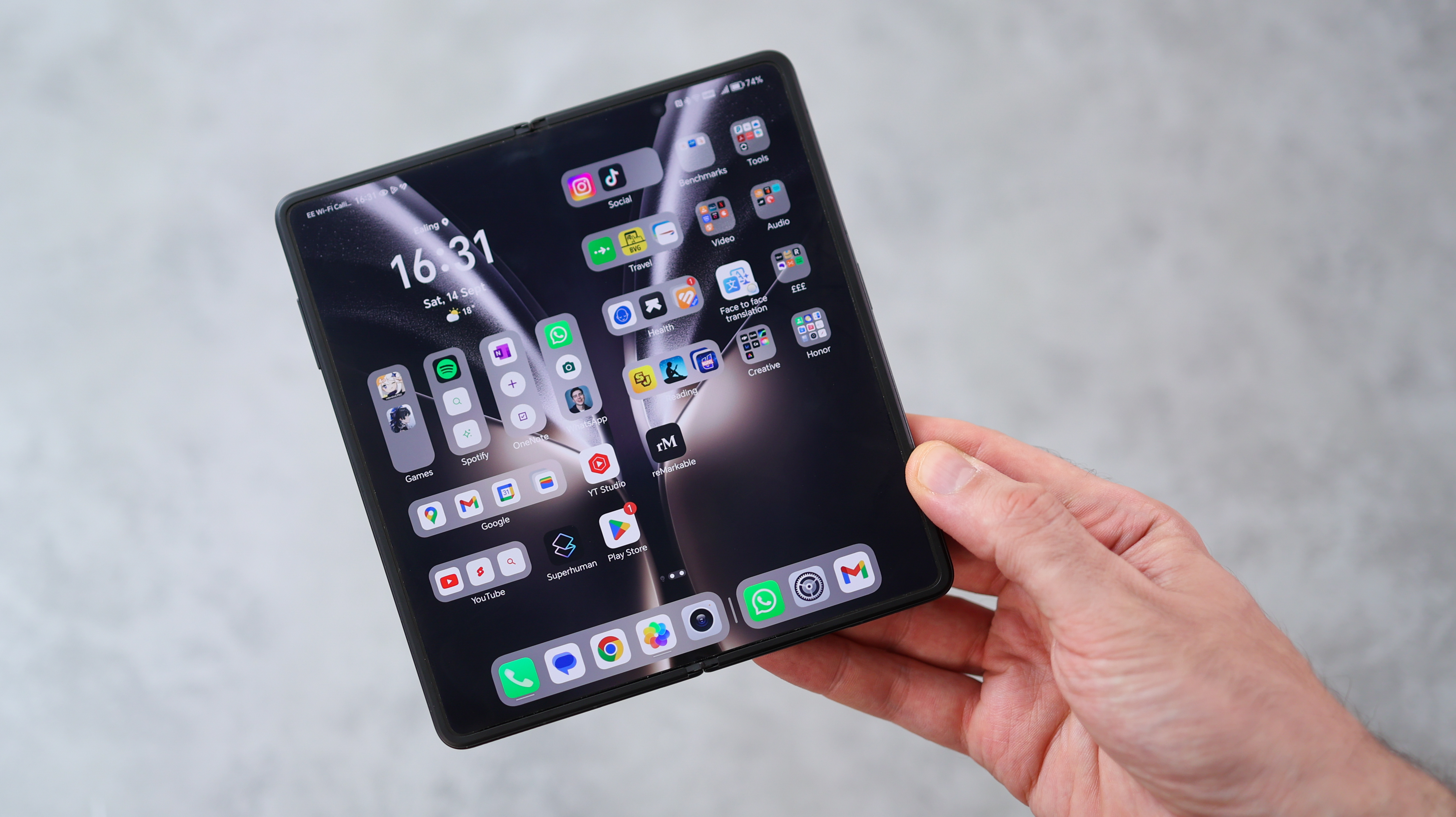
Luxury design would be hollow without flagship performance, and the V2 RSR does not disappoint in its technical execution. The internal 7.92-inch OLED panel features a 2344x2156 resolution with a 120Hz LTPO refresh rate. More importantly for those who suffer from eye fatigue during long flights, it includes 3840Hz PWM Dimming, which significantly reduces flicker at low brightness levels.
The outer display is equally impressive, offering a 6.43-inch OLED with a standard 20:9 aspect ratio. Unlike the narrow, "remote control" feel of some competitors, this outer screen is fully functional for one-handed use, allowing you to reply to emails or check flight status without ever needing to unfold the device.
Under the hood, the V2 RSR is powered by the Snapdragon 8 Gen 2 chipset paired with the Adreno 740 GPU. While the newer Gen 3 has since entered the market, the optimization here remains top-tier. Multitasking is the primary use case for a device of this size, and the MagicOS handles split-screen apps and floating windows with zero lag. The 5000 mAh battery is a feat of engineering given the 4.7mm unfolded thickness; in real-world travel scenarios, it comfortably lasts a full day of heavy navigation, photography, and document editing.
The Luxury Price Point: Value Analysis
At £2349.99, the Honor Magic V2 RSR Porsche Design is one of the most expensive smartphones on the market. It is positioned as a "Veblen good"—a product where the high price is part of the appeal, signifying exclusivity and cutting-edge status. However, from a critical standpoint, we must ask what that premium buys you beyond the Porsche badge.
For the price, you receive:
- The most advanced hinge and chassis engineering currently available.
- The peace of mind provided by Nano-Crystal shielding (10x drop resistance).
- A comprehensive retail package that includes two chargers, a custom Porsche Design case, and a stylus.
- Global connectivity optimized for high-end markets (UK, Europe, China, and UAE).
For the executive who spends forty weeks a year on the road, the "thinness tax" may be justifiable. The ability to consolidate a phone and a tablet into a 9.9mm profile is a tangible productivity gain.
Comparison: Honor Magic V2 RSR vs. The Competition
To understand the V2 RSR’s position, we must compare it to its primary rivals. While Samsung has long been the market leader, their iterative updates have allowed Chinese manufacturers like Honor to leapfrog them in terms of hardware dimensions.
| Feature | Honor Magic V2 RSR | Samsung Galaxy Z Fold 6 | Huawei Mate XT (Trifold) |
|---|---|---|---|
| Thickness (Folded) | 9.9mm | 12.1mm | 12.8mm |
| Thickness (Unfolded) | 4.7mm | 5.6mm | 3.6mm - 4.75mm |
| Weight | 234g | 239g | 298g |
| Internal Screen | 7.92" OLED | 7.6" Dynamic AMOLED | 10.2" OLED |
| Price (Approx.) | £2,349 | £1,799 | ~$2,800 (China only) |
While the Samsung Galaxy Z Fold 6 remains a more "affordable" and widely available option, its 12.1mm thickness feels dated when compared to the Honor. The industry is already moving toward even thinner designs—the Honor Magic V3 has recently pushed boundaries further to 9.2mm—but the V2 RSR remains the gold standard for luxury "Porsche" styling. The trifold trend, led by the Huawei Mate XT, offers more screen real estate but at the cost of significant weight and a much higher price point, making the V2 RSR the "sweet spot" for usable luxury.
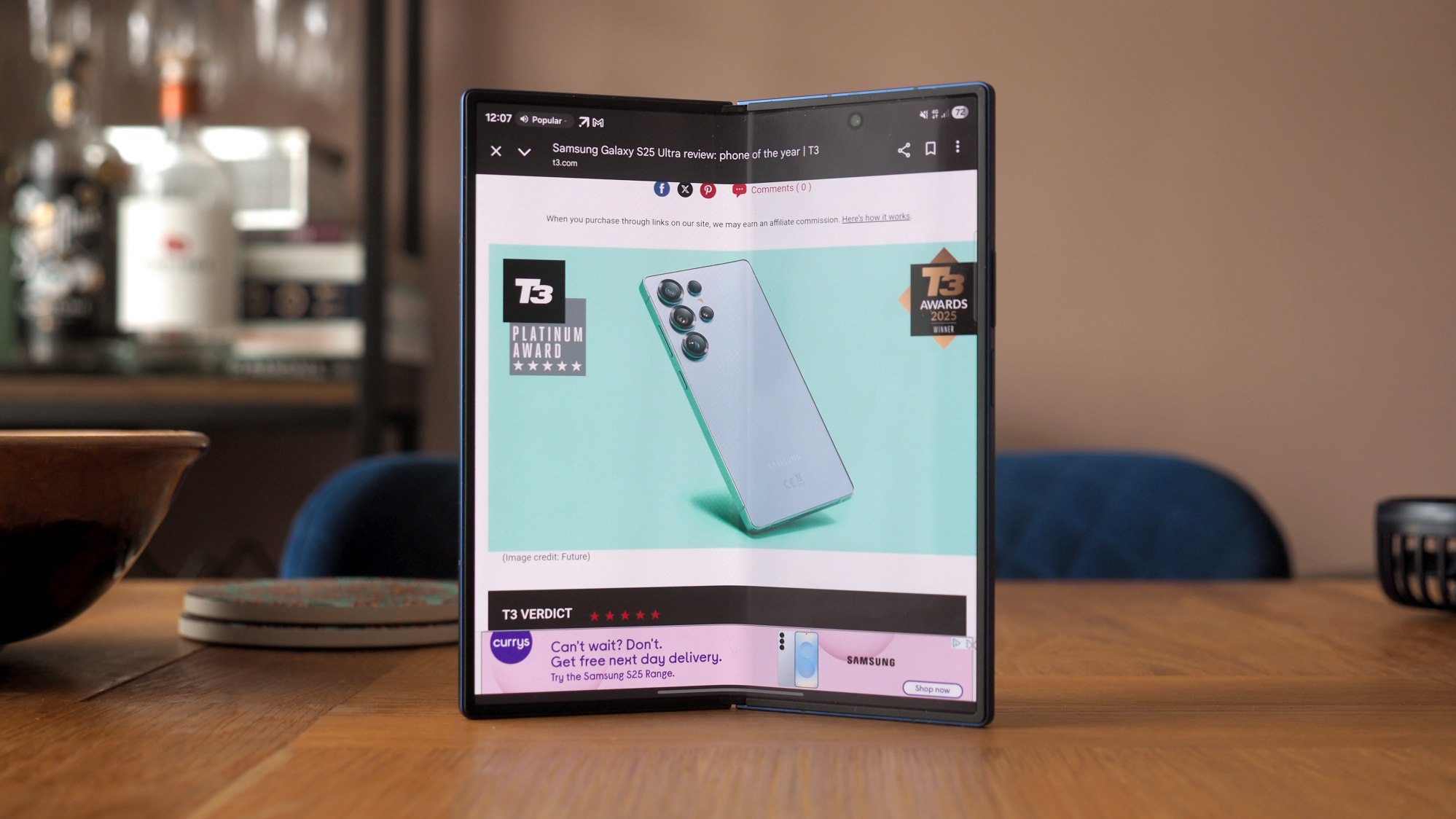
Ultimately, the Honor Magic V2 RSR Porsche Design is an exercise in "no-compromise" engineering. It proves that the foldable phone has finally matured into a form factor that is as elegant as it is functional. If your lifestyle demands the finest tools and your budget allows for the £2349.99 entry fee, there is currently no device that feels more like the future.
Experience the Porsche Design Honor Magic V2 RSR →
FAQ
1. Is the Honor Magic V2 RSR waterproof? Unlike some of its competitors, the V2 RSR does not have an official IPX8 water resistance rating. While it can handle light splashes, it should not be submerged. This is one of the few trade-offs made to achieve the 9.9mm thickness.
2. Does the Porsche Design version include the stylus? Yes. The RSR edition comes with the Honor Magic-Pen in the box, along with a specialized carrying case. This adds significant value for users who use their foldable for signing documents or digital sketching.
3. How does the Nano-Crystal shielding differ from Gorilla Glass? Honor’s Nano-Crystal shielding uses a different crystallization process that creates a denser molecular structure. This results in a 1000% increase in durability compared to standard glass, specifically targeting the high-impact drops that often shatter foldable screens.
Are you ready to upgrade your travel tech? If you are looking for more destination-specific tech reviews or luxury travel updates, subscribe to our newsletter for the latest insights from the world of premium hardware.