Quick Facts
- Standard Performance: While HDMI 2.0 is traditionally associated with 4K at 60Hz, Valve’s Steam Machine achieves 4K at 120Hz by utilizing specific data-compression techniques.
- The Bandwidth Math: Standard 4K 120Hz (10-bit, 4:4:4) requires 48Gbps; Valve’s optimized 4:2:0 chroma subsampling fits a 120Hz signal within the 18Gbps ceiling of HDMI 2.0.
- The Linux Limitation: The hardware is technically capable of HDMI 2.1, but current Linux driver restrictions imposed by the HDMI Forum prevent a full open-source HDMI 2.1 implementation.
- The Compromise: Users get high refresh rates at the cost of slight color accuracy in fine text, a trade-off designed specifically for high-speed gaming rather than professional color grading.
The Specification Paradox: HDMI 2.0 vs. 4K 120Hz
When Valve first announced the technical specifications for its latest high-performance Steam Machine, the enthusiast community was quick to spot a glaring contradiction. The device promised 4K at 120Hz with High Dynamic Range (HDR) and FreeSync support—features almost universally synonymous with the HDMI 2.1 standard. However, the physical port on the chassis was labeled HDMI 2.0.
For the uninitiated, this seems like a technical impossibility. According to the HDMI Forum, the governing body of the interface, HDMI 2.0 is rated for a maximum of 18Gbps, which typically caps 4K resolution at 60Hz. To reach 120Hz at 4K, one would theoretically need the 48Gbps bandwidth provided by HDMI 2.1. This "Specification Paradox" has led to a flurry of speculation: Is Valve overpromising, or is there a sophisticated engineering workaround at play?
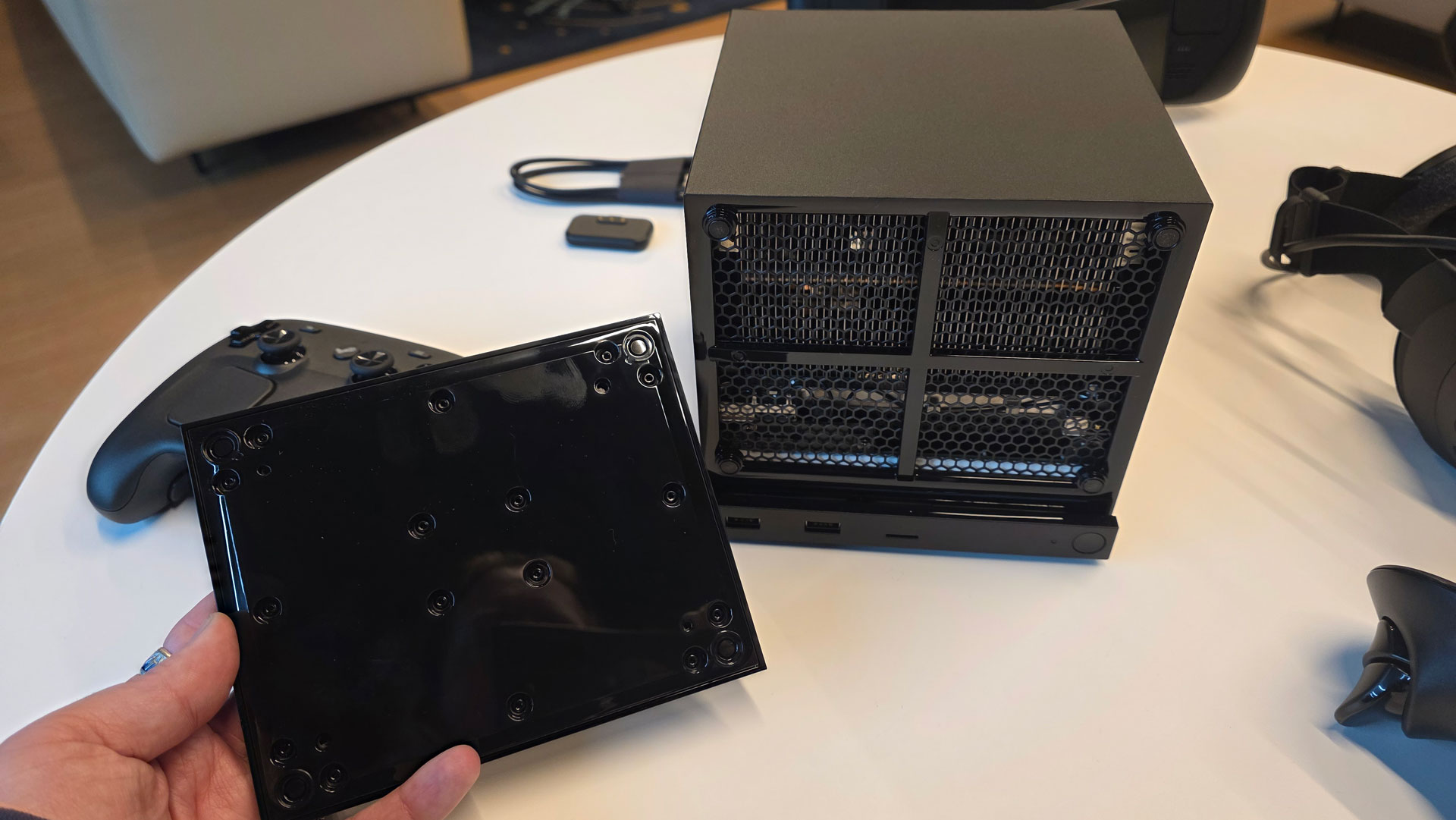
The answer lies in the intersection of hardware potential and software limitations. Valve’s "Work-in-Progress" status for its SteamOS drivers suggests that while the silicon inside the Steam Machine is ready for the future, the legal and technical landscape of open-source software is currently holding the physical port back to a 2.0 designation—at least on paper.
Can HDMI 2.0 Support 4K at 120Hz?
The short answer is yes, but it is a "yes" qualified by significant technical caveats. To understand how Valve achieves this, we must look at how data is packed into an HDMI signal. A raw, uncompressed 4K 120Hz signal with 10-bit color depth and full 4:4:4 chroma (meaning every pixel gets its own color data) generates roughly 32Gbps to 40Gbps of data. This obviously exceeds the 18Gbps cap of an HDMI 2.0 port.
However, Valve utilizes a technique known as 4:2:0 Chroma Subsampling and limits the color depth to 8-bit. By reducing the frequency of color information—which the human eye is less sensitive to than brightness—the bandwidth requirement for a 4K 120Hz signal drops to approximately 16Gbps. This fits comfortably within the 18Gbps overhead of the HDMI 2.0 specification.
| Feature | HDMI 2.0 (Standard) | HDMI 2.1 (Standard) | Valve Steam Machine (Optimized 2.0) |
|---|---|---|---|
| Max Bandwidth | 18Gbps | 48Gbps | 18Gbps |
| Max Resolution/Hz | 4K @ 60Hz | 4K @ 120Hz | 4K @ 120Hz |
| Chroma Sampling | 4:4:4 | 4:4:4 | 4:2:0 |
| Color Depth | 8-bit / 10-bit | 10-bit / 12-bit | 8-bit |
| HDR Support | Yes (at 60Hz) | Yes (at 120Hz) | Yes (Limited) |
By prioritizing frame rate over perfect color reproduction, Valve allows gamers to enjoy the fluidity of 120Hz on existing 4K displays without requiring the specialized (and often expensive) HDMI 2.1 infrastructure that is still trickling into the mid-range market.
The Secret Sauce: How Chroma Subsampling Works
To the average user, "chroma subsampling" sounds like impenetrable engineering jargon, but it is effectively the "secret sauce" that makes high-refresh gaming possible on older port standards. Essentially, it is a form of lossy compression for video.
In a standard 4:4:4 signal, every pixel’s brightness (Luma) and color (Chroma) are transmitted individually. In a 4:2:0 configuration, the system transmits the full brightness for every pixel but only samples the color data for every other row and every other pixel. Because the human eye is far more adept at perceiving changes in light and shadow than subtle shifts in color nuance, the visual impact is minimal in a fast-moving gaming environment.
Valve employs this subsampling to compress color and light data, allowing the device to output high refresh rates within the 18Gbps limit of an HDMI 2.0 port. While this may result in slight "color fringing" around small text—making the Steam Machine less ideal as a desktop workstation for word processing—it is virtually indistinguishable during a session of Counter-Strike 2 or Elden Ring.
Why Not Just Use HDMI 2.1? The Linux & HDMI Forum Struggle
One might wonder why Valve, a company known for cutting-edge hardware like the Steam Deck, wouldn't simply implement a standard HDMI 2.1 port and call it a day. The hardware inside the Steam Machine—likely based on AMD’s RDNA architecture—is physically capable of HDMI 2.1. The bottleneck is actually legal and architectural.
The HDMI Forum, which manages the HDMI specification, closed public access to the HDMI 2.1 technical specifications in 2021. This move was a direct blow to the open-source community. Because SteamOS is based on Linux, and the drivers for AMD GPUs on Linux are open-source, implementing HDMI 2.1 features like Fixed Rate Link (FRL) requires exposing protected specifications that the HDMI Forum forbids from being public.
- 2021: The HDMI Forum restricts access to the HDMI 2.1 spec, effectively blocking open-source driver development for features beyond 18Gbps.
- 2023: AMD and Valve engineers attempt to find a workaround to allow HDMI 2.1 features in the Linux kernel.
- 2024: The HDMI Forum officially rejects a proposal from AMD to implement an open-source HDMI 2.1 driver, citing "security and licensing" concerns.
- Present: Valve is forced to rely on HDMI 2.0 "hacks" (like 4:2:0 subsampling) because they cannot legally release a Linux driver that fully unlocks the 48Gbps HDMI 2.1 spec.
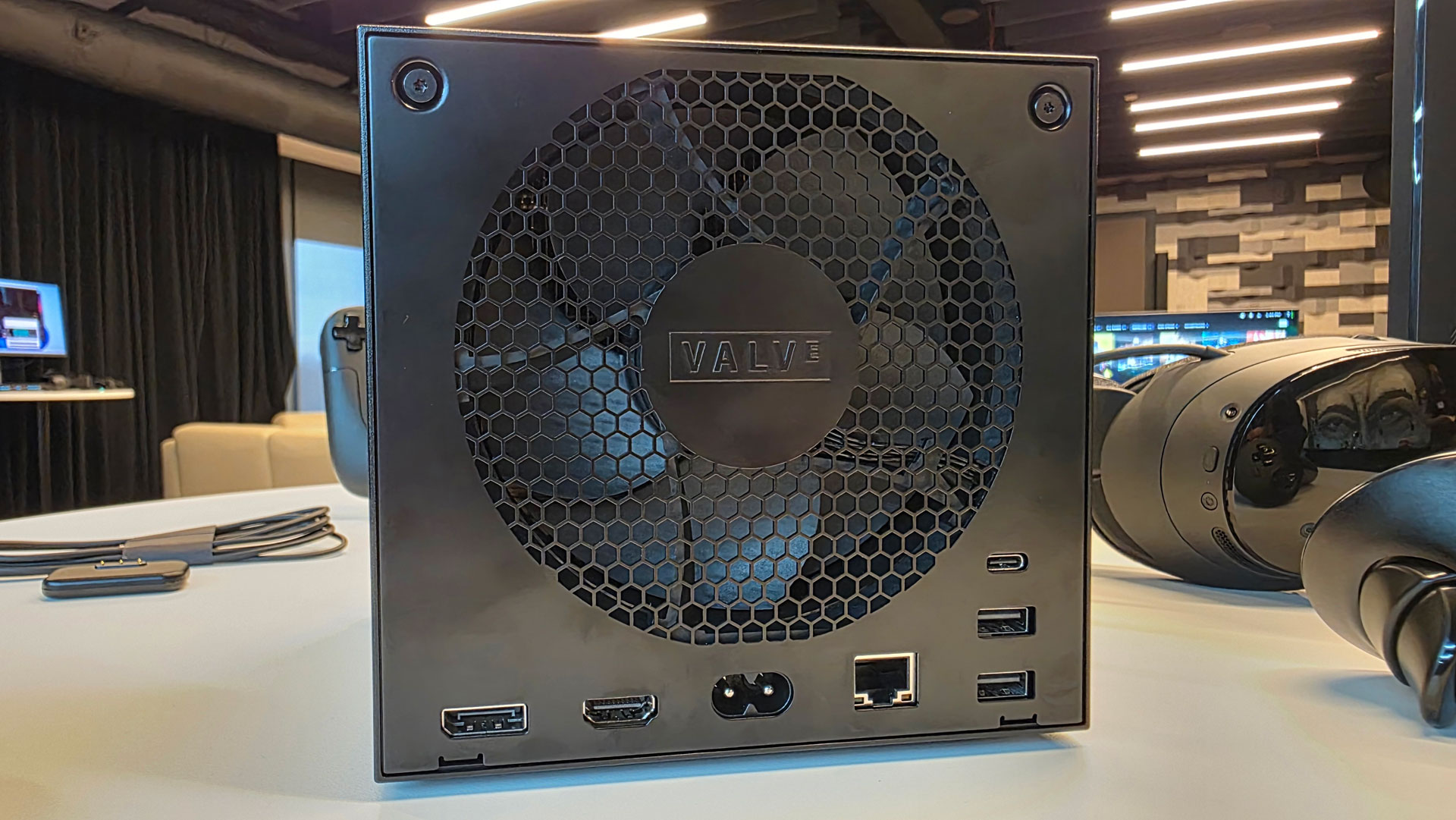
This is a classic case of corporate gatekeeping impacting the end-user experience. Valve is essentially providing "HDMI 2.1-like performance" through an HDMI 2.0-certified driver because their hands are tied by the HDMI Forum’s licensing restrictions.
Performance Reality: What Users Should Expect
While the 4K 120Hz output is an impressive feat of engineering, it puts significant strain on the Steam Machine's internal components. Pushing eight million pixels 120 times every second generates substantial heat. Valve’s solution is a massive internal heatsink that dominates the chassis, allowing the CPU to hit peak frequencies of 4.8 GHz without thermal throttling.
Furthermore, reaching 120Hz at 4K resolution in modern AAA titles is a tall order even for high-end desktop GPUs. Valve leans heavily on FSR (FidelityFX Super Resolution). By rendering the game at a lower internal resolution (like 1440p) and using AI-upscaling to output a 4K signal, the Steam Machine can maintain the high frame rates that the 120Hz signal demands.
Looking ahead, Valve is reportedly working on integrating Display Stream Compression (DSC) via software updates. DSC is a visually lossless compression method that could potentially allow even higher bit-depths or better chroma sampling within the existing bandwidth limits, further bridging the gap between HDMI 2.0 and 2.1.
Frequently Asked Questions
Q: Will I notice a difference between 4:4:4 and 4:2:0 chroma subsampling?
In fast-paced games, the difference is negligible. However, if you use the Steam Machine for productivity (like reading small black text on a white background), you may notice slight blurring or "halos" around the letters.
Q: Do I need a special cable for Valve’s 4K 120Hz?
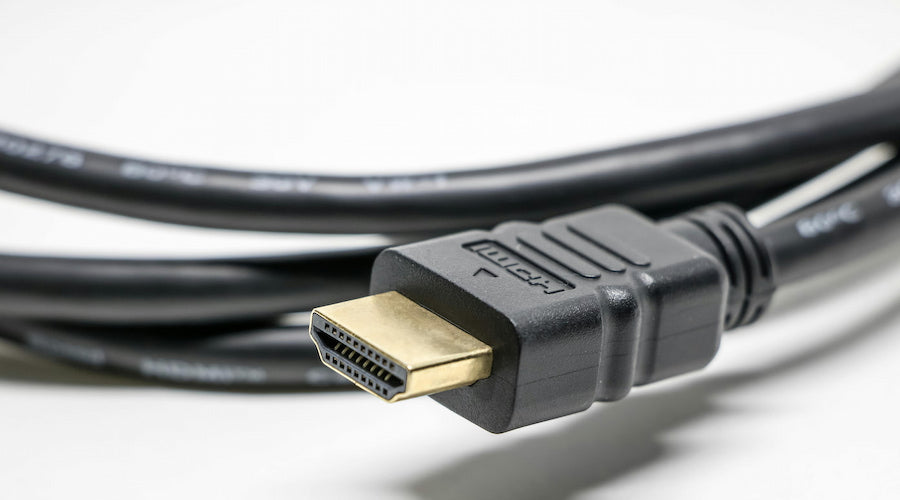
You should use a Premium High Speed (18Gbps) HDMI cable at a minimum. While an Ultra High Speed (48Gbps) cable is compatible, it won't "unlock" HDMI 2.1 features until the software/legal issues with the Linux drivers are resolved.
Q: Will 4K 120Hz work on any TV with HDMI 2.0?
Not necessarily. Your TV or monitor must also support a 120Hz refresh rate and be capable of accepting a 4:2:0 chroma signal at 4K. Most modern 4K TVs sold as "gaming ready" will support this.
Conclusion
Valve’s ability to extract 4K 120Hz performance from an HDMI 2.0 port is a testament to the company’s "software-first" philosophy. It is a pragmatic solution to a complex problem: providing a high-end gaming experience while navigating the restrictive licensing landscape of the HDMI Forum.
By leveraging 4:2:0 chroma subsampling, Valve has effectively extended the life of the 18Gbps standard, proving that bandwidth isn't just about the size of the pipe, but how intelligently you pack the data flowing through it. For the gamer, the result is clear—fluid, high-resolution gameplay that doesn't wait for the legal dust of the Linux driver wars to settle.
If you are looking to build the ultimate living room setup, understanding these nuances ensures you have the right expectations for your hardware. Valve is pushing the envelope, but they are doing so by rewriting the rules of the existing road.