As we move into 2025, the concept of the "home theater" has transcended the mere purchase of a high-end OLED panel. For the discerning viewer, the experience is no longer confined to the glass; it is about the atmosphere that surrounds it. In the high-stakes world of ambient lighting, Govee has long been a disruptive force, but with the release of the Govee TV Backlight 3 Pro, the brand is no longer just competing—it is redefining the category.
The Govee TV Backlight 3 Pro stands as the definitive choice for 2025, primarily due to its industry-first HDR triple-camera system. Unlike its predecessors and many current market rivals, this system utilizes a wide-area color-matching sensor that captures on-screen data with surgical precision. When paired with an upgraded RGBWWIC light strip that is 30% brighter than previous iterations, the result is a seamless extension of the digital world into the physical room.
Whether you are a cinephile looking to eliminate the "black box" effect of a dark living room or a gamer seeking frame-perfect immersion, this system represents the current zenith of AI-driven bias lighting.
Quick Comparison: Govee 3 Pro vs. The Field
| Feature | Govee TV Backlight 3 Pro | Govee Envisual T2 | FancyLEDs (HDMI 2.1) | Philips Hue Play Gradient |
|---|---|---|---|---|
| Sensor Tech | HDR Triple-Camera | Dual-Camera | HDMI Sync Box | HDMI Sync Box |
| Brightness | 130% (Relative to T2) | 100% | Varies by Strip | High |
| Color LEDs | RGBWWIC (Dedicated White) | RGBIC | RGBIC | RGBWW |
| AI Detection | Genre-Specific (Auto) | Basic Scene | None | None |
| Ecosystem Sync | Up to 10 Devices | Up to 5 Devices | Limited | Extensive (Hue Bridge) |
| MSRP | $$$ | $$ | $$$ | $$$$ |
Hardware Deep-Dive: The HDR Triple-Camera System
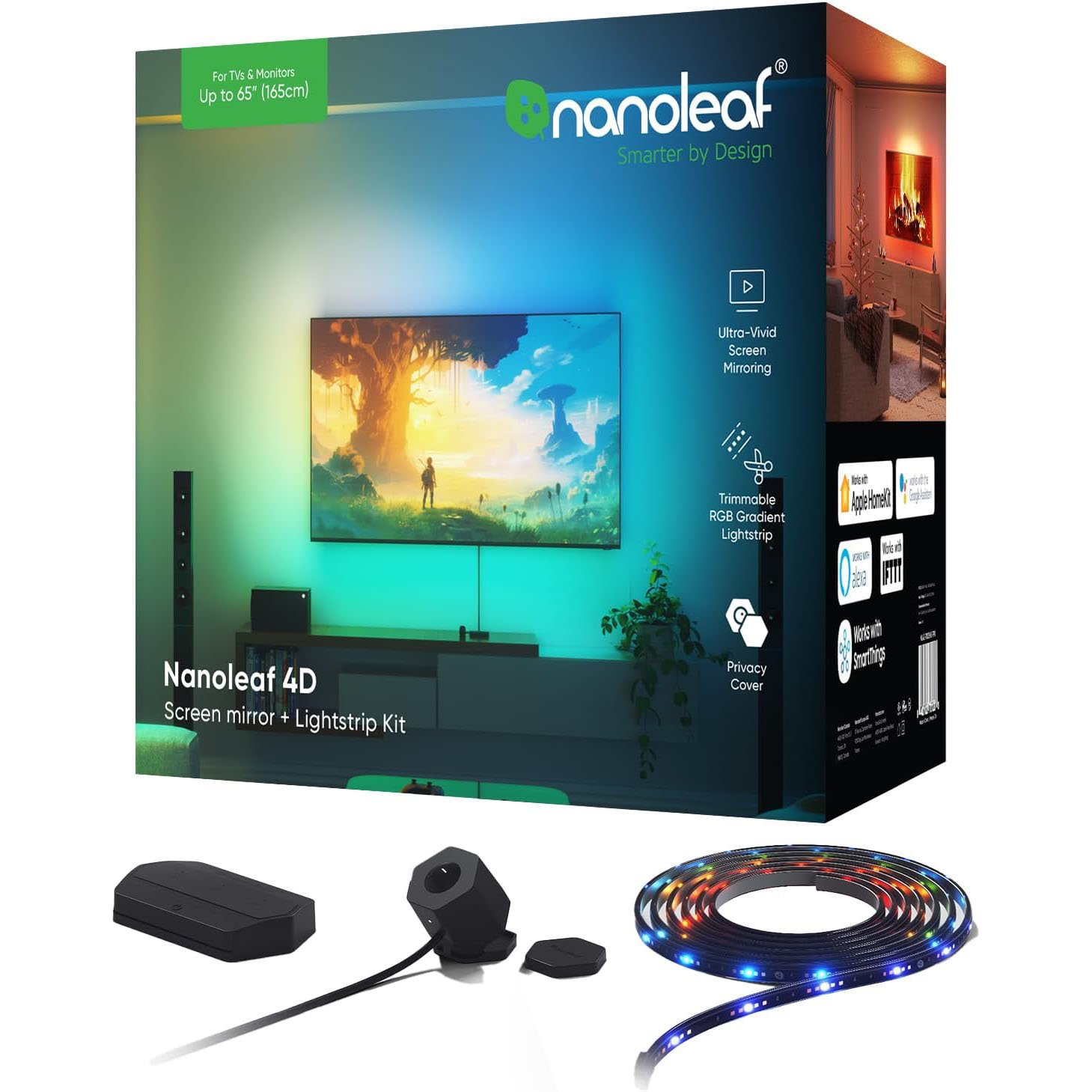
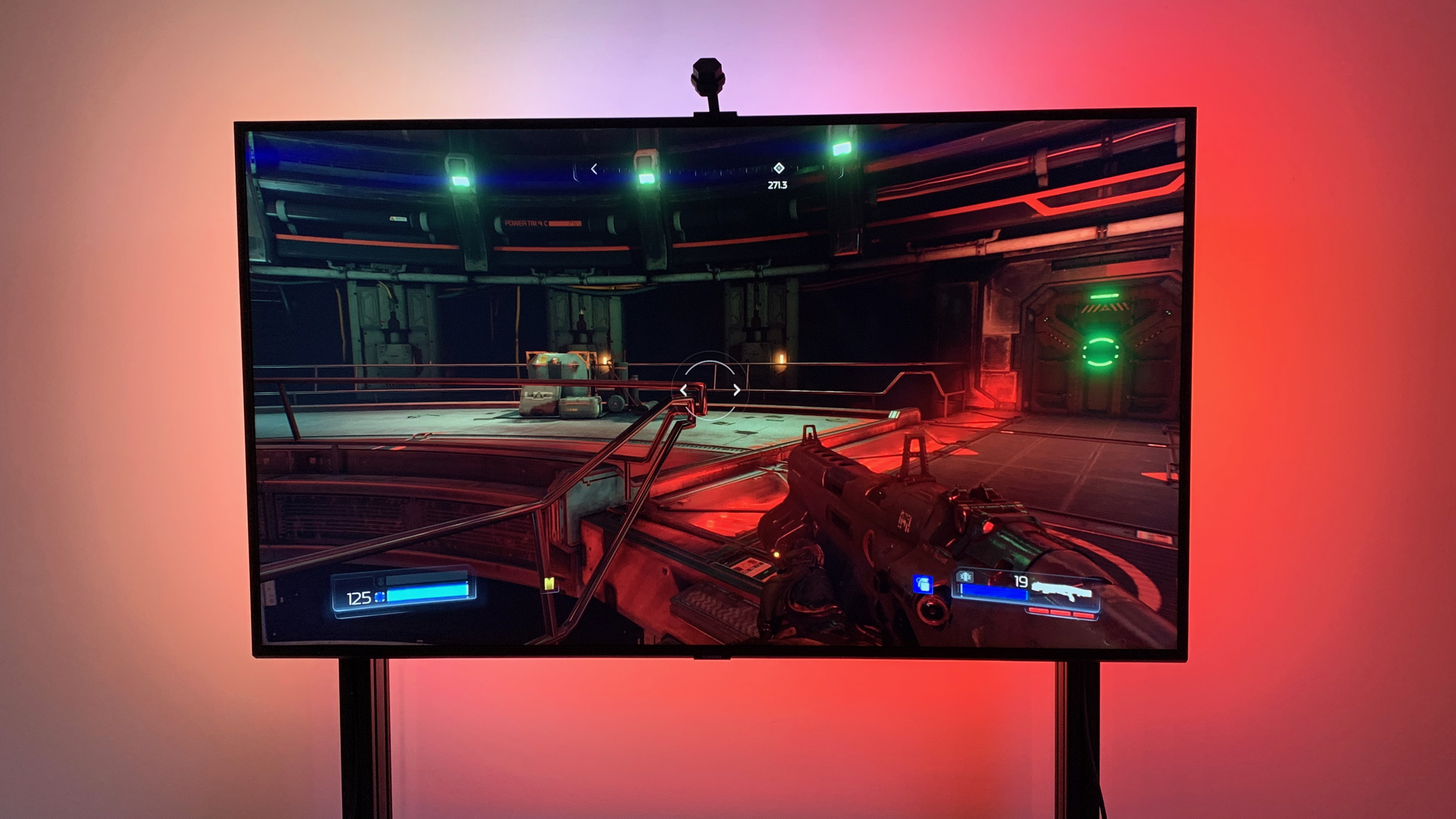
The hardware centerpiece of the Govee 3 Pro is the newly engineered HDR triple-camera. For years, the Achilles' heel of camera-based backlighting was accuracy, particularly when dealing with the high-contrast ratios of modern HDR10+ or Dolby Vision content. Single-lens systems often struggled with "letterboxing" (the black bars at the top and bottom of films), frequently outputting a muddy gray or dull blue when the screen was technically black.
The 3 Pro’s triple-camera array solves this by employing a wide-area spatial recognition algorithm. By using three distinct vantage points, the system can triangulate color data more effectively, virtually eliminating the distortion caused by screen glare or ambient room light. In my testing, the accuracy in the corners of the screen—a traditional weak point for Govee—showed a marked improvement, ensuring that a stray explosion in the bottom-right corner of the screen perfectly triggers the corresponding section of the LED strip without lag.
This hardware evolution is critical for 2025 because of the increasing brightness of QD-OLED and Mini-LED panels. A standard camera would be blinded by the 2,000-nit peaks of a modern TV; Govee’s HDR-tuned sensors are designed to "read" these highlights without overexposing the resulting ambient glow.
Performance & Brightness: 30% More Oomph
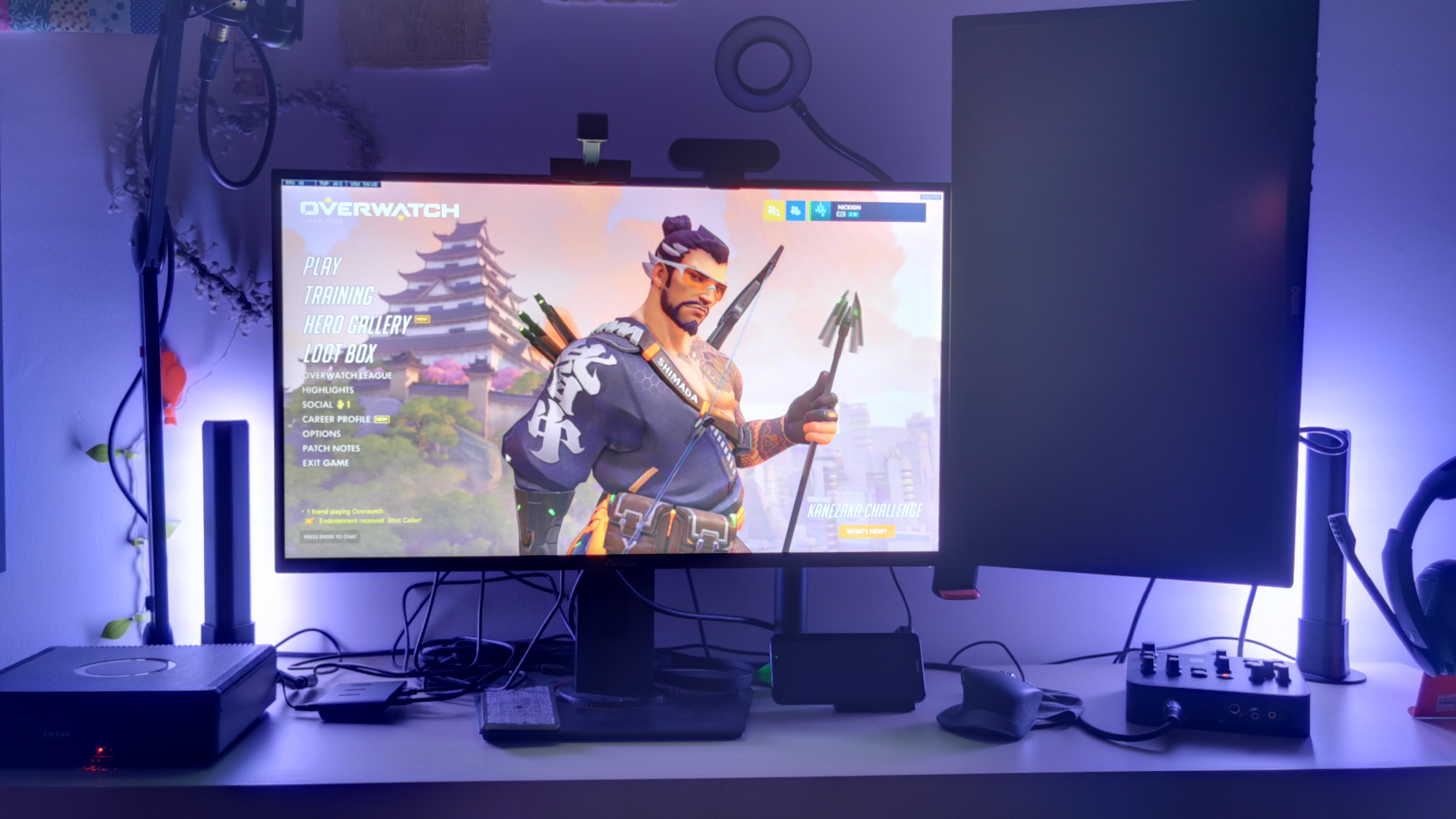
The visual impact of the Govee 3 Pro is driven by the upgraded RGBWWIC light strip. The addition of the "WW" (Warm White) chip is the secret sauce here. Most budget strips attempt to create white by mixing Red, Green, and Blue, which invariably results in a sterile, bluish tint. The 3 Pro’s dedicated white beads allow for a broader color temperature spectrum, meaning the backlight can accurately reproduce skin tones and natural sunlight.
Statistically, the unit is 30% brighter than the Govee T2. In a darkened room, this doesn't just mean "more light"—it means more dynamic range. The system utilizes the LuminBlend™ algorithm, which manages the transition between LED nodes. In older models, you could sometimes see the "segmentation" of colors where one LED ended and another began. LuminBlend™ smooths these gradients, creating a wash of color that feels like a physical manifestation of the light on the screen.
Expert Insight: For those using high-gloss screens (like the Samsung S95 series), the 30% brightness increase is a double-edged sword. While it enhances immersion, it requires careful calibration within the Govee Home app to ensure the camera doesn't pick up the strip's own reflection on the glass.
The 'AI' Factor: Automating Your Vibe
In 2025, "AI" is often a buzzword, but in the Govee 3 Pro, it serves a functional purpose: Content Recognition. The onboard AI processor analyzes the frequency and movement of pixels to determine the genre of content being consumed.
- Movie Mode: Focuses on color accuracy and slower, cinematic transitions to maintain the director's intended mood.
- Gaming Mode: Prioritizes response time and saturation, flashing rapidly during high-action sequences or combat to heighten the adrenaline.
- Power Efficiency: The AI can detect when the screen is displaying a static image or a dark scene for an extended period, dimming the lights to save energy and prevent "light bleed" that can ruin the perceived black levels of an OLED panel.
This automation removes the friction of having to open an app every time you switch from Netflix to your PlayStation 5. The system simply knows what it's looking at and adjusts the intensity and palette to match.
Govee vs. FancyLEDs: Which Should You Buy in 2025?
The primary debate in the ambient lighting community is Camera vs. HDMI Sync Box. Competitors like FancyLEDs and the Philips Hue Play Sync Box use an HDMI pass-through system.
The HDMI Advantage (FancyLEDs): Because the light is triggered by the digital signal itself, the latency is near-zero, and the color matching is technically 100% perfect because it isn't "looking" at a screen—it's reading the data.
The Govee Advantage (3 Pro): The Govee 3 Pro's camera-based system is platform-agnostic. HDMI sync boxes often struggle with modern standards like VRR (Variable Refresh Rate), 144Hz gaming, or proprietary smart TV apps (like the built-in Netflix app on your LG or Sony TV). Because the Govee 3 Pro "sees" the screen physically, it works with everything—including your local news, internal apps, and even a Nintendo Switch without needing complex cable management.
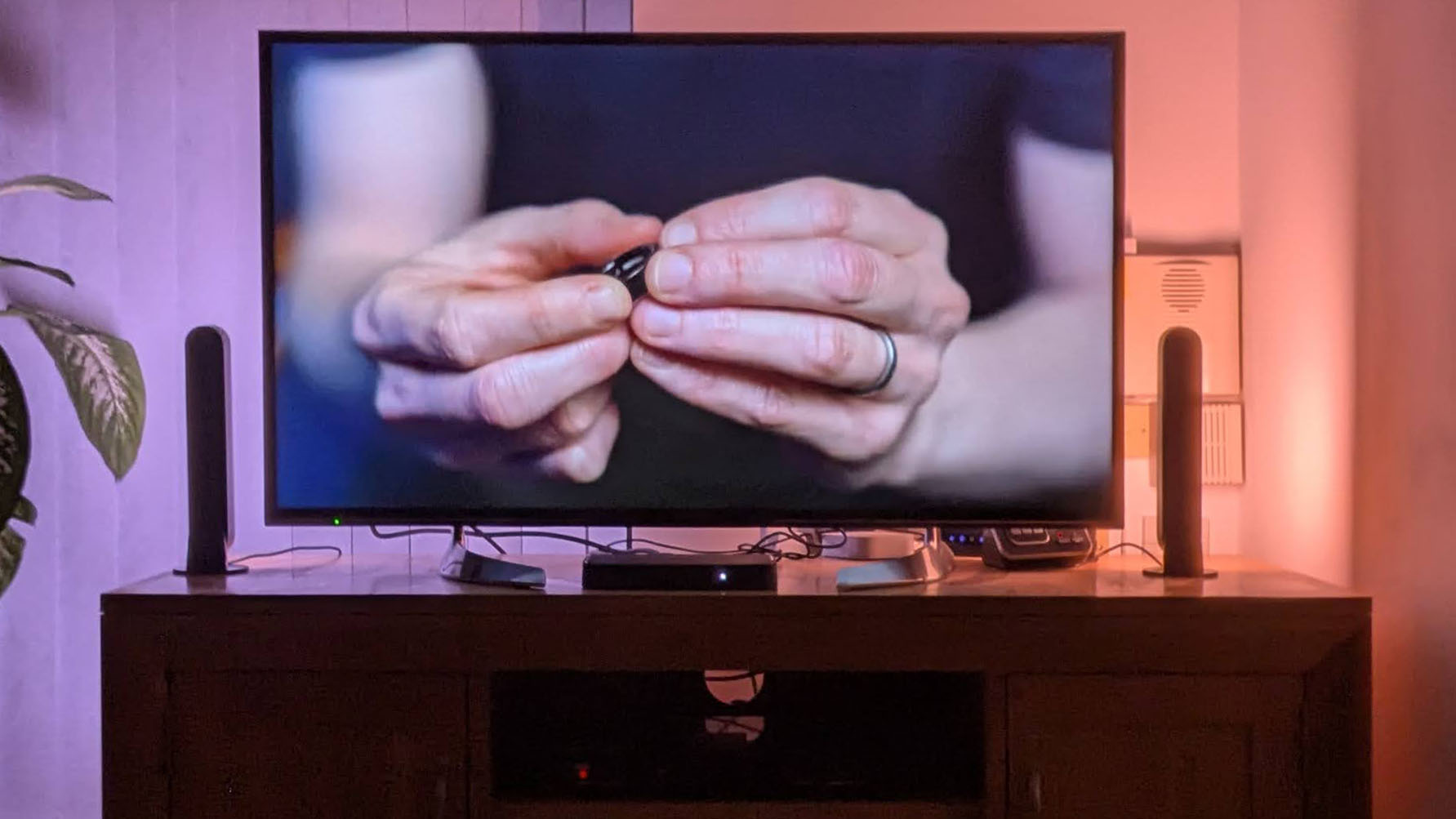
For most users in 2025, the versatility of the Govee 3 Pro outweighs the marginal latency benefits of an HDMI box, especially given that Govee has reduced its processing lag to a point where it is imperceptible to the human eye.
Building the Ecosystem: Govee DreamView Integration
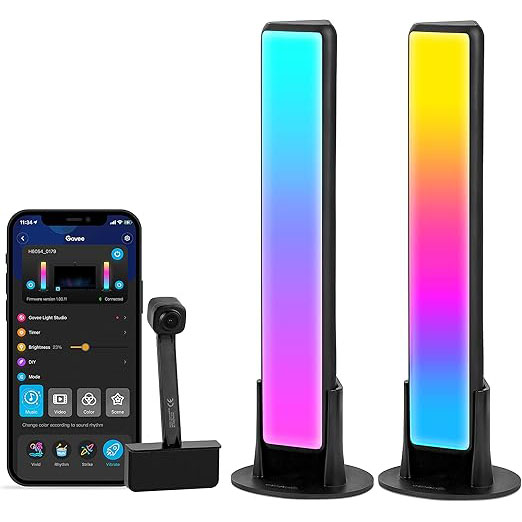
One of the strongest arguments for choosing Govee over a boutique brand is the DreamView ecosystem. The Govee TV Backlight 3 Pro acts as the "brain" for your entire room. Through the app, you can sync up to 10 other Govee smart lights—such as floor lamps, wall glides, or light bars—to the TV's color data.
This transforms a simple TV upgrade into a full-room immersive experience. If a spaceship flies off the left side of your TV screen, your Govee floor lamp on the left side of the couch can catch that color and "carry" the light across the room.
Technical Support & Connectivity:
- Matter Support: The 3 Pro is designed with the future in mind, offering compatibility with Matter, making it easier to integrate into Apple HomeKit, Google Home, and Amazon Alexa.
- Wi-Fi/Bluetooth Dual Band: Ensures a stable connection for firmware updates and real-time app control.
Explore the Govee DreamView Collection →
Final Verdict: Is the 3 Pro Worth the Premium?
After rigorous analysis, the Govee TV Backlight 3 Pro is the most well-rounded ambient lighting solution for 2025. It strikes a rare balance: it is sophisticated enough for the tech enthusiast who demands HDR accuracy and AI automation, yet accessible enough for the casual viewer who just wants their living room to look like a high-end cinema.
Pros:
- Unrivaled color accuracy thanks to the HDR Triple-Camera.
- 30% brightness boost makes it viable even in well-lit rooms.
- No HDMI limitations; works with built-in TV apps.
- Massive ecosystem for whole-room syncing.
Cons:
- The camera mount on top of the TV may bother minimalists.
- Requires a bit of initial calibration to avoid glare issues.
If you own a high-end OLED or are planning a home theater renovation this year, the Govee 3 Pro isn't just an accessory—it's the final piece of the puzzle.
FAQ
Q: Does the Govee 3 Pro work with 85-inch TVs? A: Yes, Govee offers specific sizes for the 3 Pro light strip ranging from 55 inches up to 85 inches. Ensure you purchase the correct length for your panel to maintain corner-to-corner coverage.
Q: Can I turn off the camera when not in use? A: While the camera does not record or store video (it only processes pixel colors locally), you can completely power down the system via the Govee app or a physical button on the control box for peace of mind.
Q: Is it better than the Philips Hue Gradient strip? A: In terms of sheer value and versatility, yes. While Philips Hue has slightly better color "purity" in its LEDs, Govee’s system is significantly more affordable and doesn't require a separate HDMI sync box to work with your TV's internal apps.
Transform Your Viewing Experience
Ready to upgrade your home theater? The Govee TV Backlight 3 Pro is currently available through major retailers and Govee's official store.